
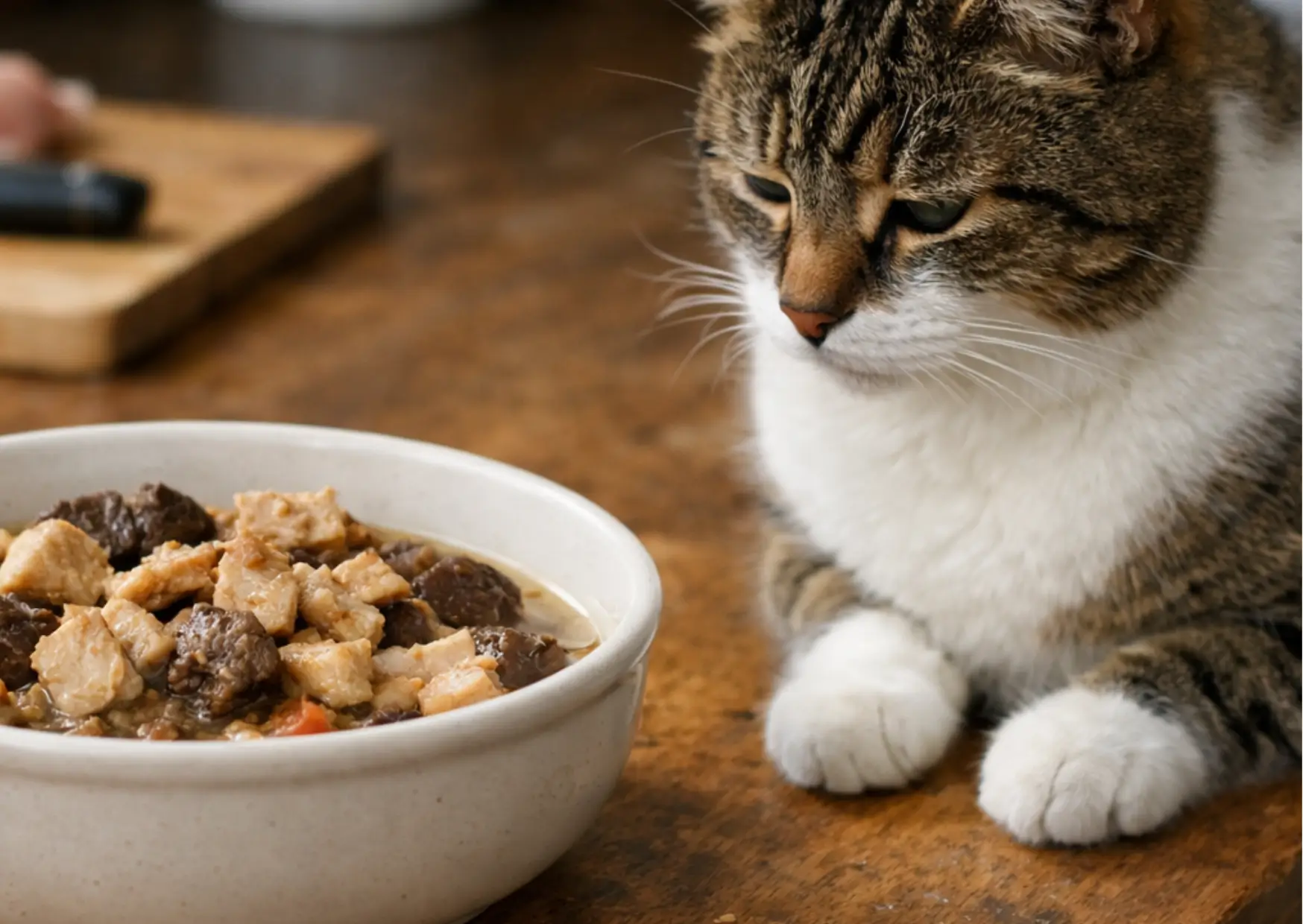
Homemade Cat Food: Top 3 Simple Steps to Prepare for Beginners

As a cat parent, I understand the deep desire to give your feline companion the very best. You read ingredient labels on commercial cat food, wonder about those mysterious additives, and think, “Could I do better?” The answer is yes—with the right knowledge and preparation. Homemade cat food offers you complete control over what goes into your cat’s bowl, allowing you to provide fresh, wholesome ingredients tailored to your pet’s unique needs.
Table of Contents
But here’s the truth I wish someone had told me when I first started: making cat food at home isn’t as simple as cooking a chicken breast and calling it dinner. Cats have incredibly specific nutritional requirements that differ dramatically from dogs, humans, or any other animal. Get it wrong, and you could inadvertently harm the very creature you’re trying to help.
That’s precisely why I’ve created this comprehensive guide. I’ll walk you through the three fundamental steps every beginner needs to master, share veterinarian-approved recipes complete with essential supplements, and help you understand the science behind feline nutrition. By the end, you’ll have the confidence and knowledge to prepare safe, nutritious cat snacks and complete meals in your own kitchen.
What Is Homemade Cat Food?
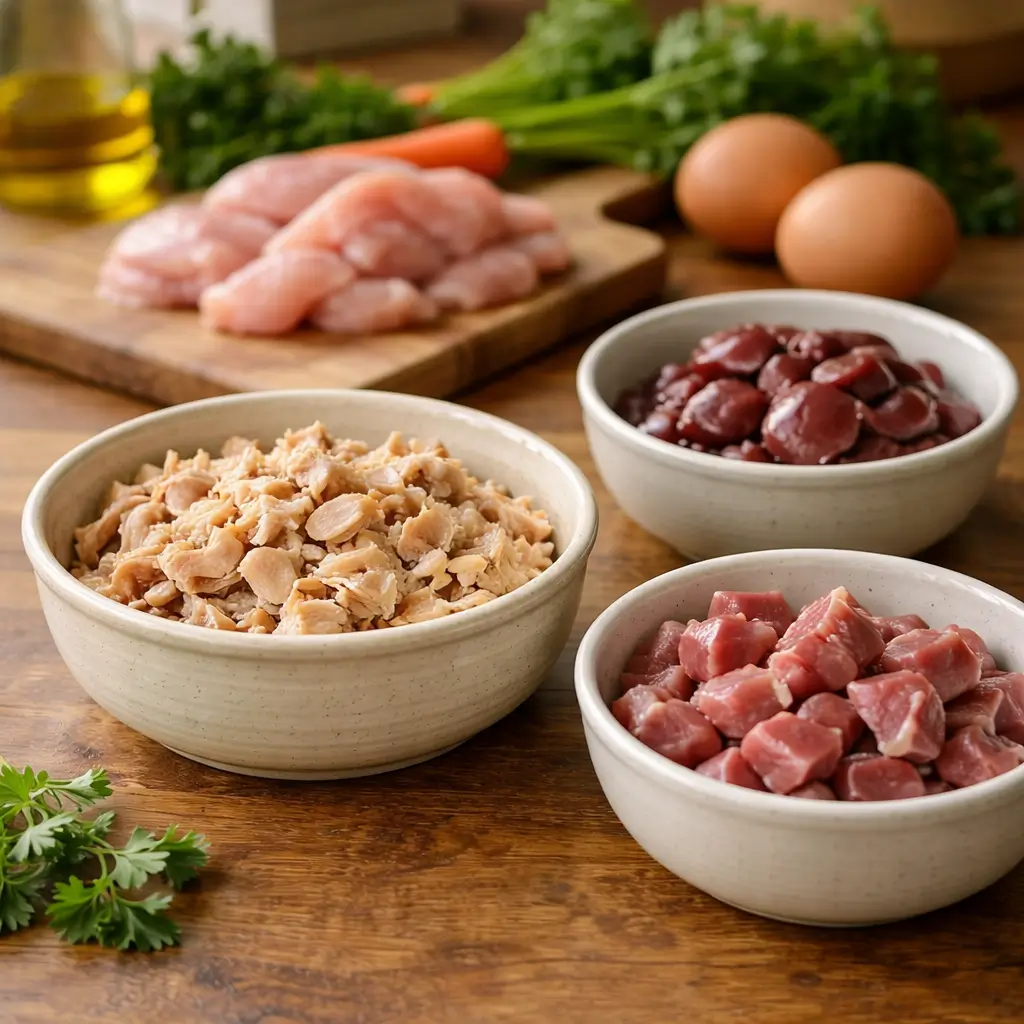
Homemade cat food refers to nutritionally complete meals or supplementary treats prepared at home using fresh, whole ingredients specifically formulated to meet feline dietary requirements. Unlike commercial kibble or canned food, these preparations allow pet owners to control ingredient quality, avoid artificial preservatives, and customize recipes for cats with specific health needs or food sensitivities.
Why Choose Homemade Cat Food Over Commercial Options?
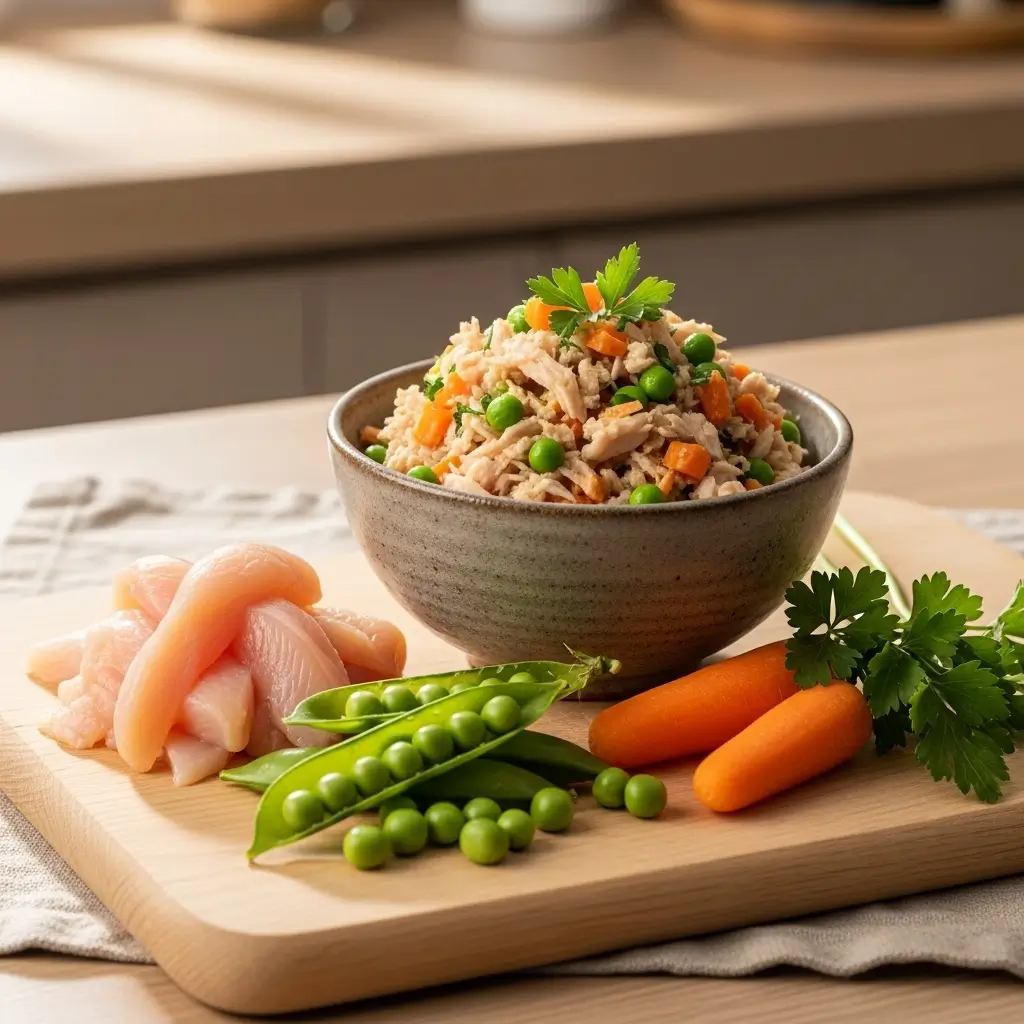
The decision to prepare your cat’s meals at home often stems from a place of love and concern. Perhaps your cat has developed allergies to common commercial ingredients, or maybe you’ve grown wary of recalls and quality control issues in the pet food industry. Whatever your motivation, understanding the genuine benefits—and acknowledging the real challenges—will help you make an informed decision.
The Benefits That Matter
Ingredient transparency stands as the primary advantage. When you prepare homemade cat treats and meals, you know exactly what your cat consumes. There are no hidden fillers, no unpronounceable chemicals, and no mystery meat sources. You select each ingredient, ensuring freshness and quality that commercial manufacturers simply cannot match at scale.
Customization for health conditions becomes possible when you control the recipe. Cats with specific dietary needs—whether weight management, food sensitivities, or chronic conditions—can receive precisely tailored nutrition. However, and I cannot stress this enough, cats with health issues require veterinary guidance before any dietary changes.
Improved palatability often accompanies fresh food preparation. Many cat owners report that their finicky felines suddenly become enthusiastic eaters when presented with freshly prepared meals. The natural aromas and textures of real food can stimulate appetite in ways that processed foods cannot.
The Challenges You Must Accept
Nutritional completeness represents the most significant challenge. Cats are obligate carnivores with requirements for specific amino acids (particularly taurine), fatty acids, vitamins, and minerals that must be precisely balanced. Without proper supplementation, homemade diets can lead to serious deficiencies over time.
Time and cost investment shouldn’t be underestimated. Preparing balanced cat diet recipes requires planning, shopping for quality ingredients, cooking, portioning, and proper storage. This commitment extends beyond the initial enthusiasm of starting a new project.
Safety considerations demand constant attention. Raw food handling, proper cooking temperatures, and understanding which human foods are toxic to cats all require education and vigilance.
Understanding Your Cat’s Unique Nutritional Needs
Before we dive into the practical steps, I want you to understand why cat nutrition differs so dramatically from other pets. This knowledge forms the foundation of everything you’ll do in your kitchen.
The Obligate Carnivore Reality
Cats evolved as strict meat-eaters. Unlike dogs, who adapted to digest some plant matter alongside humans, cats lack certain metabolic pathways that would allow them to synthesize essential nutrients from non-animal sources. This biological reality shapes every aspect of feline nutrition.
Taurine exemplifies this perfectly. While dogs and humans can synthesize this amino acid from other compounds, cats cannot. Without adequate dietary taurine, cats develop dilated cardiomyopathy (a fatal heart condition), retinal degeneration leading to blindness, and reproductive problems. Commercial cat foods are supplemented with taurine, and your homemade preparations must be as well.
Arachidonic acid, an essential fatty acid, presents another example. Cats require this nutrient directly from animal sources because they cannot convert it from plant-based omega-6 fatty acids like linoleic acid.
Vitamin A must come preformed from animal tissues. Unlike humans who can convert beta-carotene from vegetables into vitamin A, cats lack this ability entirely.
The Protein Question
Cats require significantly more protein than dogs or humans—roughly 26% of their diet on a dry matter basis for adult maintenance, according to AAFCO (Association of American Feed Control Officials) guidelines. Growing kittens and pregnant or nursing queens require even more.
However, protein source quality matters enormously. High-quality animal proteins provide the complete amino acid profile cats need, including those they cannot synthesize themselves.
⚠️ Important Medical Warning: Cats diagnosed with chronic kidney disease (CKD) often require modified protein intake. While the traditional approach restricted protein, current veterinary research suggests that protein quality and phosphorus restriction may be more important than protein quantity. If your cat has kidney disease, work directly with your veterinarian before preparing any homemade meals.
Fat Requirements
Dietary fat provides concentrated energy and essential fatty acids while making food palatable. AAFCO recommends a minimum of 9% fat on a dry matter basis for adult cats.
⚠️ Important Medical Warning: Cats with pancreatitis or those prone to this condition may require lower-fat diets. High-fat meals can trigger painful and potentially dangerous pancreatic inflammation. Consult your veterinarian if your cat has any history of digestive issues.
Step 1: Master the Foundational Knowledge
This first step isn’t about cooking at all—it’s about education. Rushing into recipe preparation without understanding the underlying science puts your cat at risk. I’ve organized the essential knowledge you need into manageable components.
Learn Which Foods Are Toxic to Cats
Before you ever pick up a knife, memorize this list of common foods that are dangerous or potentially fatal to cats:
- Onions and garlic (including powdered forms) cause oxidative damage to red blood cells, leading to Heinz body anemia
- Grapes and dried grapes (raisins) are known to be highly unsafe for cats, as ingestion may lead to sudden and severe kidney damage, even when only a small amount is consumed.
- Chocolate contains theobromine, which cats cannot metabolize
- Xylitol (artificial sweetener) causes rapid insulin release and liver failure
- Alcohol, in any form, poses a serious health risk to cats, since their bodies cannot safely process it, making even minimal exposure potentially life-threatening.
- Unbaked yeast dough can be especially dangerous because it continues to ferment after ingestion, causing the dough to expand inside the stomach while releasing alcohol into the bloodstream.
- Caffeine causes cardiac and nervous system problems
- Macadamia nuts cause weakness, vomiting, and hyperthermia
Understand the Difference Between Complete Meals and Treats
This distinction is crucial and often misunderstood. A complete and balanced meal provides all the nutrients your cat needs in proper proportions and can serve as the sole source of nutrition. Creating these requires careful recipe formulation, precise measurements, and appropriate supplementation.
Complementary treats or snacks, by contrast, are not nutritionally complete. They’re meant to supplement a balanced diet, not replace it. These nutritious cat snacks can comprise up to 10% of your cat’s daily caloric intake without causing nutritional imbalances, provided their primary diet is complete and balanced.
If you’re new to homemade cat food, I recommend starting with complementary treats while feeding a high-quality commercial diet as the nutritional foundation. This approach allows you to develop your skills while ensuring your cat’s nutritional needs remain met.
Gather Your Essential Supplies
Preparation requires specific tools and supplements:
Kitchen equipment:
- Digital kitchen scale (measuring in grams provides precision)
- Meat thermometer (to verify safe cooking temperatures)
- Sharp knives and cutting boards (dedicated to pet food preparation)
- Food processor or grinder (for creating appropriate textures)
- Glass storage containers with secure lids
- Freezer-safe containers for batch preparation
Essential supplements (these are not optional for complete meals):
- Taurine powder (pharmaceutical grade)
- Calcium supplement (bone meal or eggshell powder)
- Fish oil (for omega-3 fatty acids, EPA and DHA)
- Vitamin E (often needed to balance fish oil supplementation)
- Vitamin B complex
- Iodized salt (in tiny amounts for iodine)
Step 2: Select Quality Ingredients and Safe Protein Sources
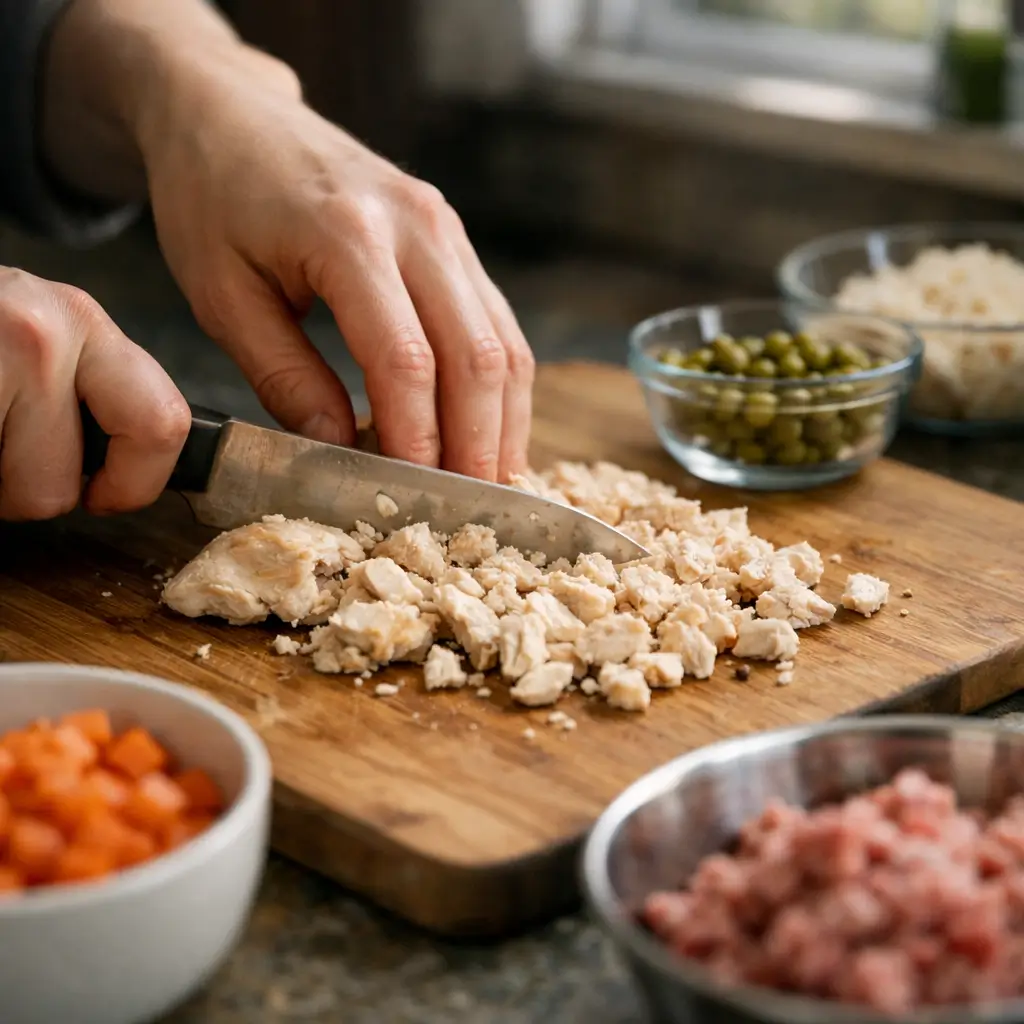
With your foundational knowledge established, you’re ready to think about ingredient selection. This step bridges theory and practice, translating nutritional requirements into actual food choices.
Choosing Your Protein Base
High-quality animal protein forms the center of any homemade cat food recipe. Each protein source offers different nutritional profiles:
Chicken provides lean, easily digestible protein with good amino acid balance. It’s economical and widely available. Use a combination of muscle meat and organ tissue for optimal nutrition. Dark meat contains more fat and certain nutrients than breast meat.
Turkey offers similar benefits to chicken with slightly different nutrient profiles. Many cats find turkey highly palatable.
Beef provides richer flavor and higher iron content. It’s fattier than poultry, which some cats prefer. Heart is particularly valuable as it’s technically muscle meat but contains higher taurine levels.
Rabbit is often recommended for cats with food sensitivities, as it’s a novel protein for most cats who haven’t encountered it in commercial foods.
Fish should be used more sparingly than other proteins. While cats often love fish, exclusive fish diets can lead to thiamine deficiency and vitamin E depletion. Use fish as an occasional ingredient or flavoring rather than a primary protein source.
⚠️ Allergy Note: Chicken and fish are among the most common allergens in cats. If your cat shows signs of food allergies (excessive scratching, digestive upset, skin inflammation), consider novel proteins like rabbit or duck under veterinary guidance.
The Critical Role of Organ Meats
Muscle meat alone cannot sustain a cat. Organ meats provide essential nutrients in concentrated forms:
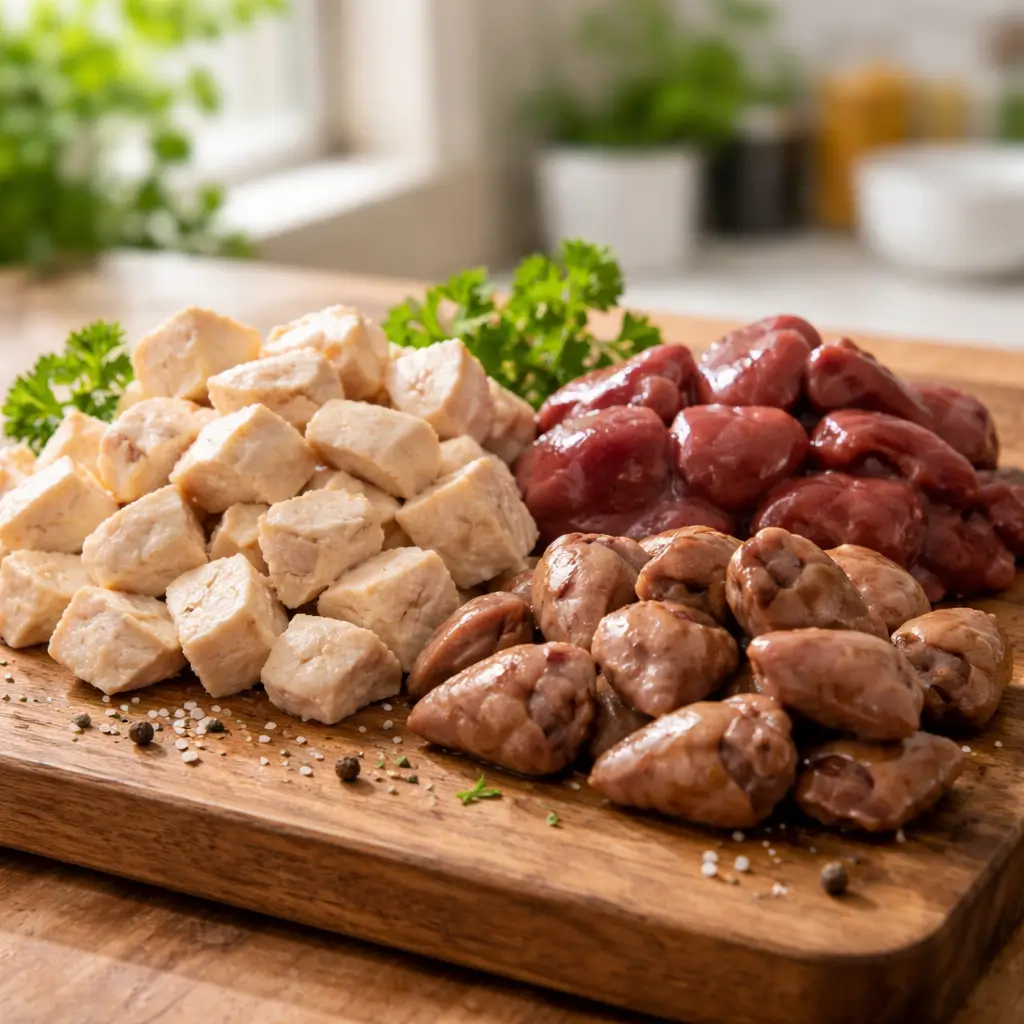
Liver serves as nature’s multivitamin, containing preformed vitamin A, B vitamins, iron, and copper. However, excessive liver causes vitamin A toxicity, so it should comprise only about 5% of the total diet.
Kidney offers additional B vitamins and selenium.
Heart technically qualifies as muscle meat but contains exceptionally high taurine levels, making it valuable in homemade preparations.
A common ratio used in balanced cat diet recipes is approximately 80-85% muscle meat, 5% liver, 5% other organ meat, and 5-10% added bone or calcium supplement.
Bone or Calcium Supplementation
Cats require calcium and phosphorus in proper ratios (approximately 1.1:1 to 1.4:1 calcium to phosphorus). Meat is high in phosphorus but low in calcium, creating an imbalance that must be corrected.
Raw meaty bones can provide calcium in a bioavailable form. Chicken necks, wings, and backs contain appropriate bone-to-meat ratios. However, raw bone feeding carries risks including bacterial contamination, dental fractures, and gastrointestinal obstructions.
Bone meal supplements offer a safer alternative for beginners. Look for food-grade bone meal formulated for pets, and measure precisely according to recipe specifications.
Eggshell powder provides another calcium source. Baked, ground eggshells can supplement calcium when prepared correctly.
Step 3: Prepare, Store, and Serve Safely

Now we arrive at the hands-on phase. Armed with knowledge and quality ingredients, you’ll learn the practical techniques for preparing safe homemade cat food.
Food Safety Fundamentals
Meat handling requires attention to prevent bacterial contamination. Thaw frozen meats in the refrigerator, never at room temperature. Maintain hygiene by washing hands before and after handling raw meat, and sanitize all kitchen tools and surfaces with hot soapy water afterward.
Cooking temperatures matter for safety. If you’re preparing cooked recipes (recommended for beginners), poultry should reach an internal temperature of 165°F (74°C), while beef and other meats should reach 160°F (71°C).
Cooling and storage require promptness. Prepared food should be cooled quickly (within two hours) and refrigerated or frozen. Refrigerated homemade cat food typically stays fresh for 3-4 days. Frozen portions remain safe for 2-3 months.
Portion Control and Serving
Caloric needs vary based on your cat’s weight, age, activity level, and health status. The average 10-pound adult cat requires approximately 200-250 calories daily, though individual needs vary significantly.
Transition gradually when introducing homemade food. Sudden dietary changes often cause digestive upset. Mix small amounts of new food with current food, gradually increasing the proportion over 7-10 days.
Temperature matters for palatability. Cats prefer food at body temperature (around 100°F/38°C), which mimics freshly caught prey. Warming refrigerated food briefly makes it more aromatic and appealing.
Sample Balanced Recipes for Beginners
These recipes are designed to meet AAFCO nutritional standards for adult cat maintenance when prepared correctly. They represent complete meals suitable as a cat’s primary nutrition source.
⚠️ Important Disclaimer: These sample balanced recipes provide general guidance based on established nutritional requirements. However, individual cats have varying needs based on weight, age, activity level, and health status. Please consult your veterinarian before using these recipes as your cat’s primary diet. Your vet can help adjust portions and verify the diet’s appropriateness for your specific cat.
Recipe 1: Chicken-Based Complete Meal
This foundational recipe uses widely available ingredients and produces a highly palatable meal most cats enjoy.
Ingredients:
- 450g (1 lb) boneless, skinless chicken thighs
- 85g (3 oz) chicken liver
- 55g (2 oz) chicken heart
- 1 large egg yolk (raw or lightly cooked)
- 200ml (approximately ¾ cup) water
- 2,000mg taurine powder
- 2g (½ teaspoon) bone meal powder
- 1,000mg fish oil (salmon or pollock oil)
- 200IU vitamin E
- 50mg vitamin B complex
- ¼ teaspoon iodized salt
Preparation Steps:
First, ensure all ingredients are fresh. Check chicken for any off odors or discoloration. Thaw frozen ingredients completely in the refrigerator before preparation.
Second, cut chicken thighs into small chunks appropriate for your food processor. Trim excessive fat, leaving some for palatability and nutrition, but removing large fatty sections.
Third, process chicken liver and heart until finely ground. These organ meats provide essential nutrients but should be thoroughly incorporated for even distribution.
Fourth, combine muscle meat, organ meats, and egg yolk in your food processor. Pulse until you achieve a consistent texture—chunky or smooth based on your cat’s preference.
Fifth, dissolve taurine powder in the water before adding to the meat mixture. This ensures even distribution of this critical amino acid.
Sixth, add remaining supplements (bone meal, fish oil, vitamin E, B complex, and salt) and mix thoroughly. Uneven supplement distribution can cause nutritional imbalances.
Seventh, portion into daily serving sizes and store appropriately. Refrigerate what you’ll use within 3-4 days; freeze the remainder in sealed containers.
Yield: This recipe produces approximately 800g of finished food, providing roughly 900-1000 calories total, enough for 4-5 days for an average adult cat.
Recipe 2: Beef and Rabbit Complete Meal
This recipe offers protein variety and works well for cats who’ve developed sensitivities to poultry. Rabbit provides a novel protein that many allergic cats tolerate well.
Ingredients:
- 300g (10.5 oz) lean ground beef (90% lean)
- 150g (5.3 oz) boneless rabbit meat
- 55g (2 oz) beef liver
- 55g (2 oz) beef kidney
- 55g (2 oz) beef heart
- 1 large egg yolk
- 150ml (approximately ⅔ cup) water or low-sodium bone broth
- 2,000mg taurine powder
- 2.5g (generous ½ teaspoon) bone meal powder
- 1,000mg fish oil
- 200IU vitamin E
- 50mg vitamin B complex
- ¼ teaspoon iodized salt
Preparation Steps:
First, prepare your workspace with clean cutting boards and sharp knives. Red meat requires careful handling to prevent cross-contamination.
Second, dice rabbit meat into small pieces if not already ground. Rabbit can be processed with beef for even texture.
Third, finely mince or grind all organ meats. Beef liver has a strong flavor, so thorough incorporation helps cats accept it more readily.
Fourth, combine ground beef, rabbit, organ meats, and egg yolk in a large mixing bowl or food processor.
Fifth, prepare the supplement mixture by dissolving taurine in water or broth. Add this liquid to the meat mixture along with all other supplements.
Sixth, mix thoroughly until supplements are evenly distributed throughout. Consider mixing by hand to ensure you feel no clumps of supplement powder.
Seventh, form into portions appropriate for your cat’s daily caloric needs. This recipe runs slightly higher in fat than the chicken version, so adjust serving sizes accordingly.
Eighth, store portions in glass containers in the refrigerator (3-4 day supply) and freezer (remainder).
Yield: Approximately 750g of finished food, providing roughly 1000-1100 calories total.
Recipe 3: Simple Homemade Cat Treats (Complementary)
For beginners not yet ready to prepare complete meals, these nutritious cat snacks offer a safe entry point while your cat’s primary nutrition comes from quality commercial food.
⚠️ Note: These treats are NOT nutritionally complete and should comprise no more than 10% of your cat’s daily caloric intake.
Ingredients:
- 200g (7 oz) boneless chicken breast or thigh
- 1 tablespoon chicken liver
- 500mg taurine powder (to ensure adequacy even as a treat)
Preparation Steps:
First, preheat your oven to 200°F (93°C). Low-temperature dehydration creates jerky-style treats cats love.
Second, slice chicken into thin strips, approximately ¼ inch thick. Uniform thickness ensures even drying.
Third, finely mince the chicken liver and combine with taurine powder.
Fourth, brush or spread the liver-taurine mixture onto chicken strips, coating lightly.
Fifth, arrange strips on a baking rack set over a baking sheet, ensuring pieces don’t touch.
Sixth, bake for 2-3 hours, checking periodically, until strips are dry but still slightly flexible. Overcooking creates brittle treats; undercooking risks spoilage.
Seventh, cool completely before storing in an airtight container in the refrigerator. Use within one week.
Yield: Approximately 100g of dried treats, suitable for multiple days of training rewards or bonding snacks.
Common Mistakes to Avoid
In my experience helping cat owners transition to homemade feeding, I’ve observed several recurring errors that compromise nutritional adequacy or safety.
Omitting supplements tops the list. I understand the appeal of “just feeding real food,” but without taurine, calcium, and other supplements, your cat will develop deficiencies. These deficiencies often manifest slowly, sometimes taking months or years to become apparent—at which point organ damage may already have occurred.
Relying too heavily on fish creates multiple problems. Beyond the thiamine and vitamin E concerns mentioned earlier, high fish diets may contribute to hyperthyroidism risk and often cause cats to reject other proteins.
Feeding raw without understanding the risks puts cats and humans at risk of bacterial infections like Salmonella and Listeria. While some experienced raw feeders navigate these risks successfully, beginners should start with cooked preparations.
Ignoring portion control leads to obesity, one of the most common and harmful health conditions in domestic cats. Homemade food tastes better than commercial options, which can encourage overeating.
Making sudden dietary changes disrupts gut bacteria and causes digestive upset. Always transition gradually, even between different homemade recipes.
When to Consult Your Veterinarian
Certain situations absolutely require professional veterinary guidance before proceeding with homemade feeding:
- Your cat has been diagnosed with kidney disease, diabetes, hyperthyroidism, or other chronic conditions
- Your cat is a kitten (under one year), pregnant, or nursing
- You notice any digestive changes, coat quality deterioration, or behavioral shifts after starting homemade food
- You want to feed a raw diet and need guidance on safe protocols
- Your cat has known food allergies and requires an elimination diet
- You’re uncertain whether your recipes meet nutritional standards
Many veterinary nutritionists offer consultations specifically for formulating homemade diets. Organizations like the American College of Veterinary Nutrition maintain directories of board-certified specialists who can create customized recipes for your cat’s specific needs.
Making the Commitment
Preparing homemade cat food represents a significant commitment of time, effort, and ongoing education. It’s not a casual decision, and it’s certainly not appropriate for everyone. But for those willing to invest in learning and preparation, the rewards—watching your cat thrive on food you’ve carefully prepared with love—are genuinely meaningful.
Start slowly. Perhaps begin with the complementary treats while continuing your cat’s regular diet. Observe how your cat responds. Build your confidence with simple preparations before tackling complete meal formulations.
Remember that this isn’t an all-or-nothing proposition. Many cat owners successfully incorporate homemade meals as part of a rotation that includes high-quality commercial foods. This approach provides variety while reducing the pressure to achieve perfect nutritional balance with every meal.
Your cat’s health and happiness drive your interest in homemade nutrition. Honor that motivation by doing it right—with proper knowledge, quality ingredients, essential supplements, and ongoing attention to your cat’s wellbeing. The three steps outlined here provide your roadmap. Now the journey is yours to take.
This article provides educational information about homemade cat food preparation. It does not constitute veterinary advice. Always consult with a qualified veterinarian before making significant changes to your cat’s diet, especially if your cat has existing health conditions.