
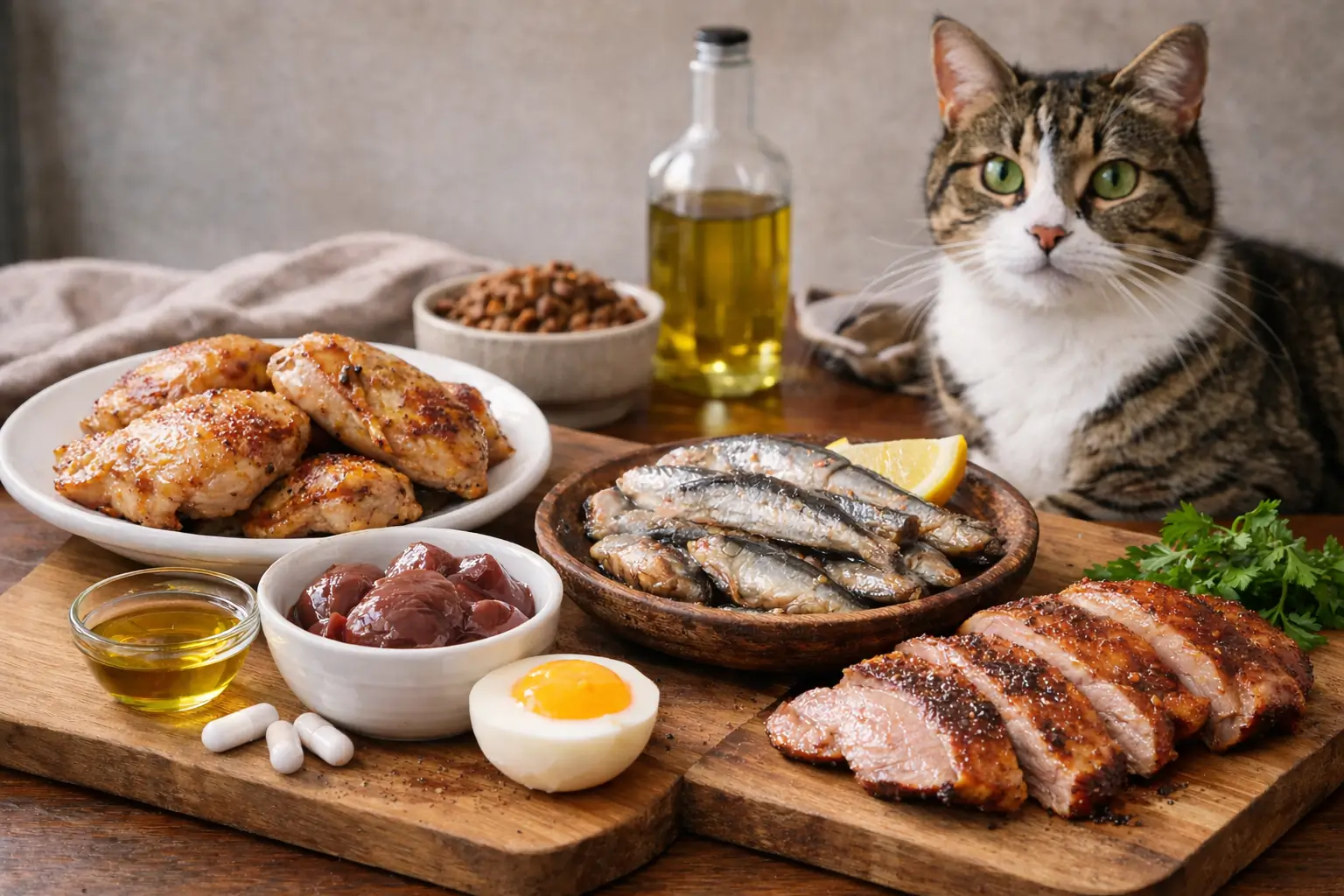
Top 3 Foods for an Effective Cat Weight Gain Diet

When I first noticed my rescue cat, Milo, looking more like a furry skeleton than the robust feline he deserved to be, I felt that familiar pang of worry that every cat owner knows. His spine was too visible, his hip bones too prominent, and despite my best efforts, the regular cat food just wasn’t cutting it. If you’ve found yourself here, searching for answers about a cat weight gain diet, you’re likely experiencing that same concern—and I want you to know that there’s hope.
Table of Contents
An effective cat weight gain diet isn’t simply about feeding more food. It’s about understanding the science of feline nutrition, selecting calorie-dense proteins that support healthy weight restoration, and preparing meals that your underweight cat will actually want to eat. In this comprehensive guide, I’ll walk you through everything I’ve learned—both from veterinary research and hands-on experience—to help your thin cat achieve a healthy body condition.
What Is a Cat Weight Gain Diet?
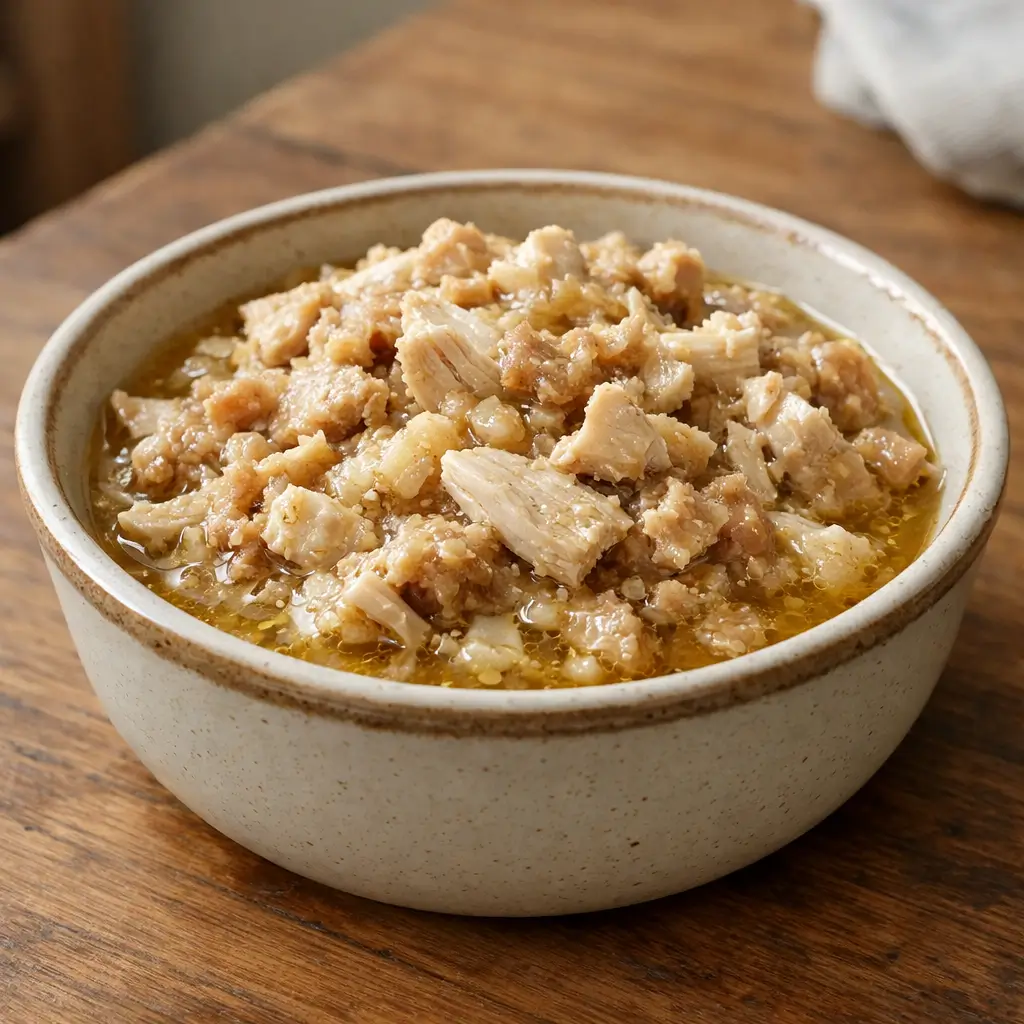
A cat weight gain diet is a nutritionally optimized feeding plan specifically designed to help underweight cats safely increase their body mass through calorie-dense, high-protein, and healthy-fat foods while ensuring complete nutritional balance. Unlike maintenance diets, these plans prioritize energy-rich ingredients that support muscle development and healthy fat storage without compromising organ health.
Understanding Why Your Cat Needs to Gain Weight
Before we dive into specific foods and recipes, I need to emphasize something crucial: unexplained weight loss in cats always warrants a veterinary examination. As much as I want to help you nourish your cat back to health, nutrition alone cannot address underlying medical conditions.
Medical Causes of Feline Weight Loss
Several health conditions can cause cats to lose weight despite having a normal or even increased appetite. Hyperthyroidism, one of the most common endocrine disorders in older cats, accelerates metabolism to the point where cats cannot consume enough calories to maintain weight. Diabetes mellitus prevents proper glucose utilization, essentially starving cells despite adequate food intake.
Chronic kidney disease, inflammatory bowel disease, and intestinal parasites can all interfere with nutrient absorption. Cancer, dental disease causing pain while eating, and chronic infections also contribute to weight loss. I cannot stress enough: please rule out these conditions with your veterinarian before implementing a weight gain diet.
Behavioral and Environmental Factors
Not all underweight cats have medical problems. Some cats lose weight due to competition with other pets at feeding time, stress from environmental changes, or simply being fed an inadequate quantity of food. Senior cats often experience decreased appetite due to diminished sense of smell. Rescued or previously stray cats may have a history of malnutrition that requires careful dietary rehabilitation.
The Science of Caloric Density in Feline Nutrition
Understanding how cats process energy helps us make smarter food choices. Felines are classified as obligate carnivores, which signifies that their physiology is strictly adapted to obtain essential nutrients from animal-based sources. Unlike dogs or humans, cats have a limited ability to utilize carbohydrates efficiently.
Protein provides approximately 3.5 kilocalories per gram for cats. Fat is the most calorie-dense macronutrient, offering about 8.5 kilocalories per gram. This is why high-fat proteins are the cornerstone of any effective cat weight gain diet—they pack maximum energy into smaller portions.
Calculating Your Cat’s Energy Needs
Veterinary nutritionists use a formula called Resting Energy Requirement (RER) to estimate a cat’s baseline caloric needs. The calculation is:
RER = 70 × (body weight in kg)^0.75
For a 4 kg cat, this equals approximately 198 kilocalories per day just for basic metabolic functions. However, underweight cats typically need 1.5 to 2 times their RER to support healthy weight gain. This means our 4 kg cat might need 300-400 kilocalories daily.
Working with your veterinarian to determine your specific cat’s target caloric intake ensures you’re feeding appropriately—not too little to make progress, and not so much that you overwhelm a digestive system that may be compromised.
The Complete and Balanced Distinction: Why It Matters
Before I share my top three foods, I need to clarify a critical nutritional concept. There’s a significant difference between complete and balanced meals and complementary treats or toppers.
According to AAFCO (Association of American Feed Control Officials) and FEDIAF (European Pet Food Industry Federation) guidelines, a complete and balanced cat food must contain all essential nutrients in appropriate ratios to serve as a cat’s sole diet. This includes:
- Taurine: An essential amino acid cats cannot synthesize
- Arachidonic acid: A fatty acid vital for skin and coat health
- Vitamin A (preformed): Cats cannot convert beta-carotene
- Calcium and phosphorus: In proper ratios for bone health
- Various B vitamins, zinc, and other micronutrients
The recipes I’ll share below include necessary supplements to approach complete nutrition. However, homemade diets should be formulated with veterinary nutritionist guidance for long-term feeding. These recipes are designed as high-calorie supplemental meals to support weight gain alongside your cat’s regular balanced diet.
Top 3 Foods for a Cat Weight Gain Diet
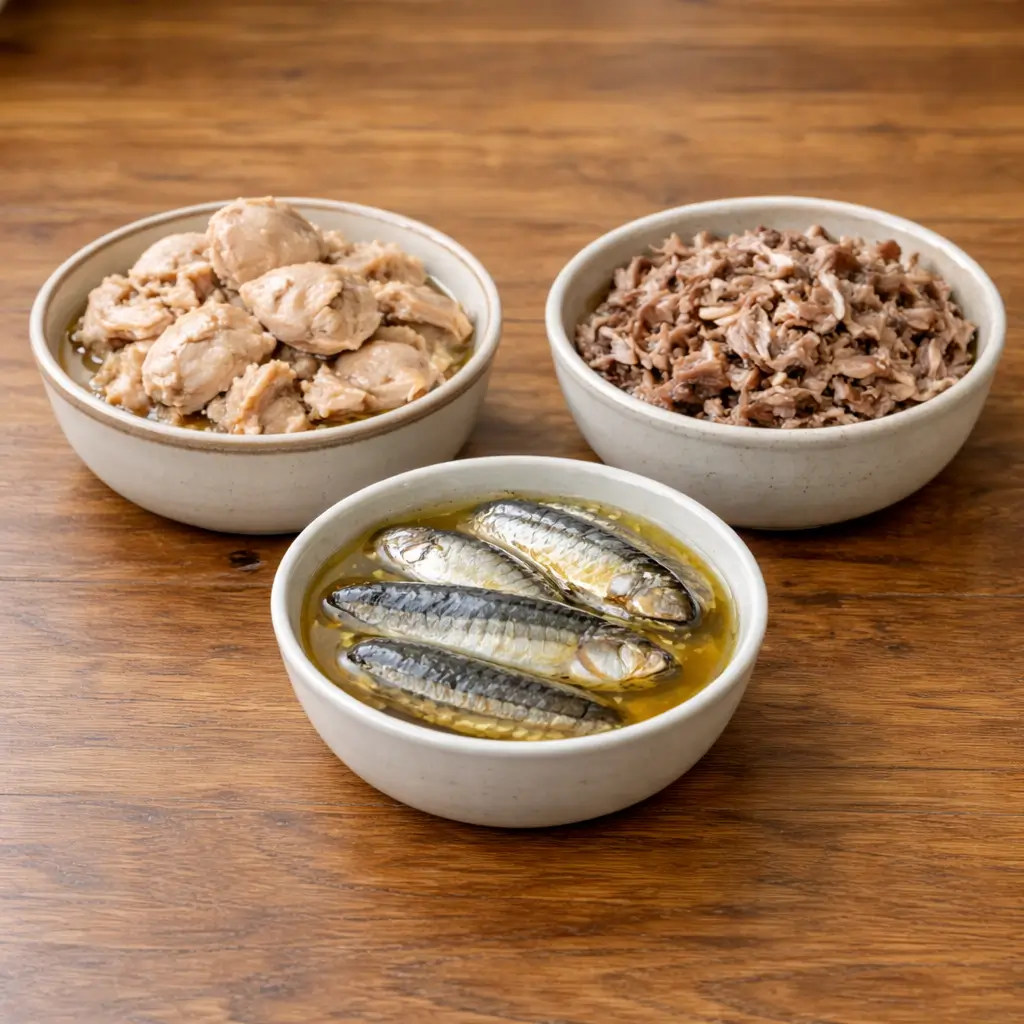
After extensive research and personal experience, I’ve identified three protein sources that excel at helping underweight cats regain healthy body condition. Each offers a unique nutritional profile that supports the goals of a cat weight gain diet.
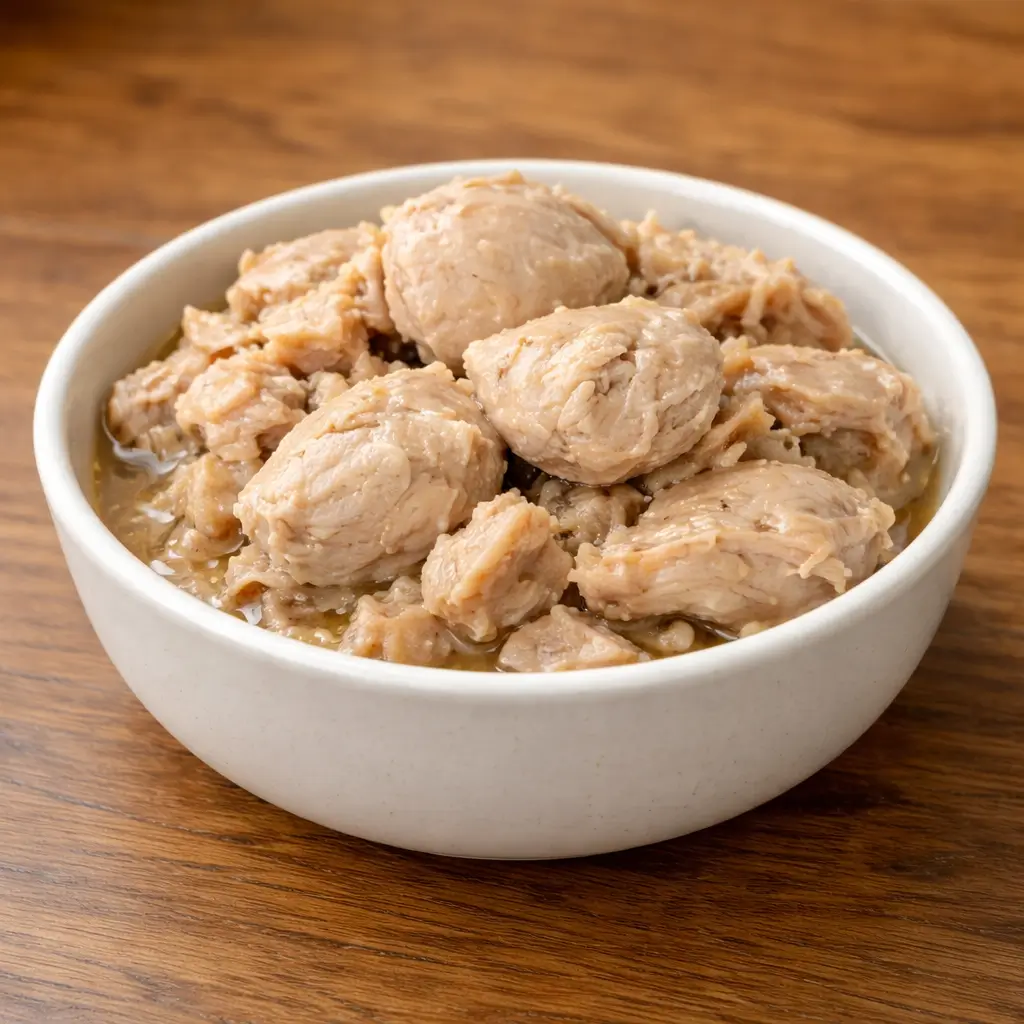
Food #1: Chicken Thighs — The Accessible Powerhouse
Why Chicken Thighs Excel for Weight Gain
When most people think of feeding chicken to cats, they imagine lean breast meat. However, for a cat weight gain diet, chicken thighs are significantly superior. The difference lies in their fat content and overall caloric density.
Chicken thighs (with skin) contain approximately 209 calories per 100 grams, compared to just 165 calories in chicken breast. More importantly, thighs provide about 10-15 grams of fat per 100 grams, while breast meat offers only 3-4 grams. For an underweight cat, this additional fat translates directly into weight gain potential.
Nutritional Profile
Chicken thighs deliver a protein-to-fat ratio of roughly 2:1, which is ideal for cats needing to build both muscle mass and healthy fat reserves. They’re rich in:
- Complete protein with all essential amino acids
- Iron and zinc for immune function
- B vitamins including niacin and B6
- Selenium for antioxidant protection
The darker meat of thighs also contains more myoglobin, which provides additional iron compared to white meat cuts.
Sourcing and Safety Considerations
I strongly recommend purchasing chicken from reputable sources and cooking it thoroughly for homemade cat food. While some advocates promote raw feeding, the risks of bacterial contamination (Salmonella, Campylobacter) are real concerns—for both your cat and your household.
When cooking chicken for cats:
- Internal temperature should reach 165°F (74°C)
- Remove all bones, which can splinter and cause internal injury
- Avoid adding salt, seasonings, onion, or garlic
- Store cooked chicken in the refrigerator for no more than 3-4 days
Chicken Thigh Weight Gain Recipe
Calorie-Dense Chicken Thigh Meal for Cats
Yield: Approximately 4 servings
Ingredients:
- 200g boneless, skinless chicken thighs
- 50g chicken liver
- 1 tablespoon (14g) chicken fat or olive oil
- 1 large egg yolk (approximately 17g)
- 250mg taurine supplement powder
- 1/4 teaspoon (approximately 1g) calcium carbonate or eggshell powder
- 1/8 teaspoon fish oil (for omega-3 fatty acids)
Preparation Steps:
Step 1: Begin by ensuring your workspace is clean. Wash hands thoroughly and sanitize cutting boards that will contact raw meat.
Step 2: Cut the chicken thighs into small, bite-sized pieces. Place in a saucepan and cover with water.
Step 3: Add the chicken liver to the saucepan. Liver provides essential vitamin A and additional nutrients, but should comprise no more than 5-10% of the total meat content to avoid vitamin A toxicity.
Step 4: Bring to a gentle boil, then reduce heat and simmer for 15-20 minutes until fully cooked. The internal temperature must reach 165°F (74°C).
Step 5: Drain the cooking liquid (reserve a small amount to add moisture if needed). Allow the meat to cool to room temperature.
Step 6: Once cooled, finely chop or pulse in a food processor to your cat’s preferred consistency. Some cats prefer chunks; others need a pâté texture.
Step 7: Mix in the chicken fat or olive oil, egg yolk, taurine powder, calcium supplement, and fish oil. Stir thoroughly to distribute supplements evenly.
Step 8: Divide into portions of approximately 60-80 grams each, depending on your cat’s size and caloric needs.
Feeding note: Serve at room temperature. Refrigerate unused portions immediately and use within 3 days. Discard any food left at room temperature for more than 2 hours.
⚠️ Important Disclaimer: This recipe is formulated as a supplemental high-calorie meal to support weight gain. Consult your veterinarian to determine appropriate portion sizes for your cat’s specific weight, health status, and nutritional needs.
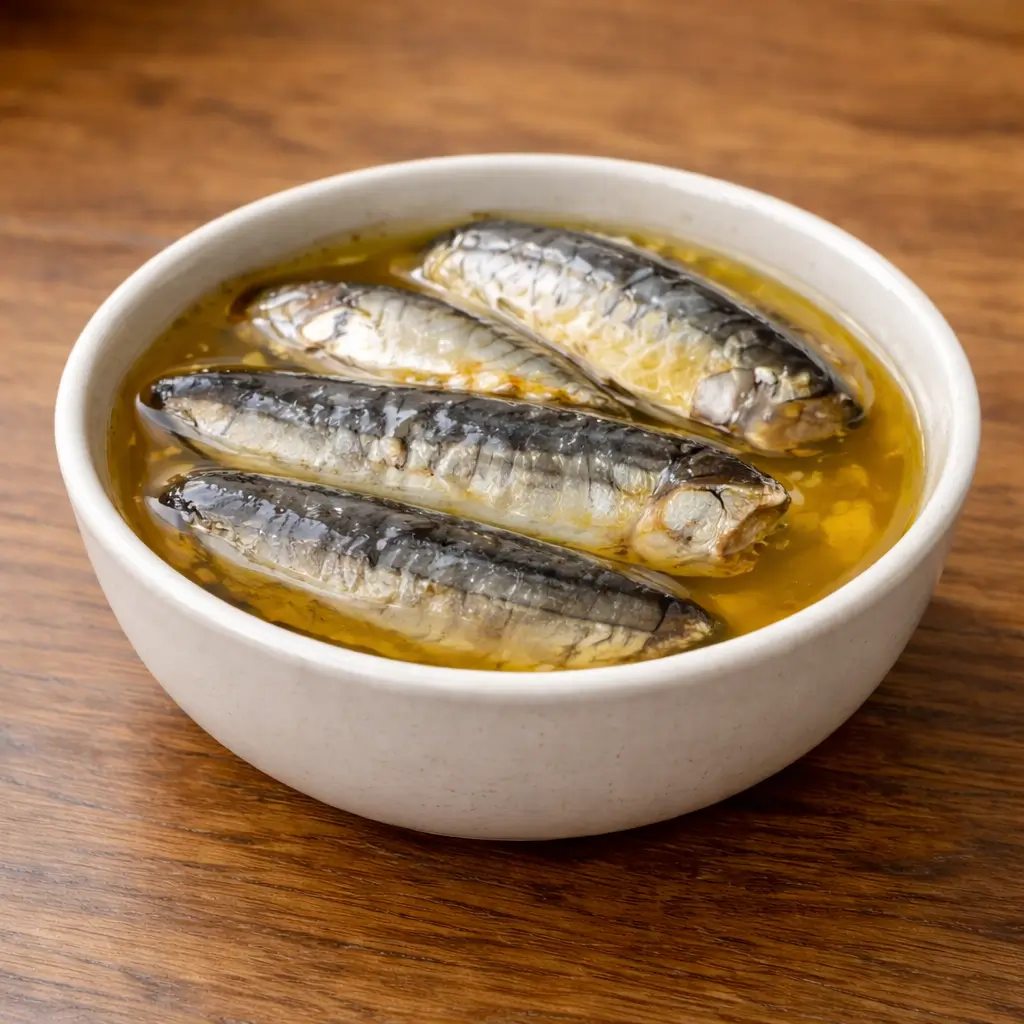
Food #2: Sardines — The Omega-Rich Weight Builder
The Unique Benefits of Oily Fish
Sardines represent one of the most nutritionally complete natural foods for a cat weight gain diet. These small, oily fish pack an extraordinary caloric punch while delivering essential fatty acids that support everything from coat health to brain function.
What makes sardines particularly valuable is their omega-3 fatty acid content. Unlike many other protein sources, sardines provide EPA (eicosapentaenoic acid) and DHA (docosahexaenoic acid) in highly bioavailable forms. These fatty acids support healthy inflammation responses, which is especially important for underweight cats whose bodies may be under metabolic stress.
Nutritional Profile
Sardines canned in oil contain approximately 208 calories per 100 grams, making them comparable to chicken thighs in caloric density. Their macronutrient breakdown includes:
- Protein: Approximately 25 grams per 100g
- Fat: Approximately 11 grams per 100g
- Omega-3 fatty acids: 1.5-2 grams per 100g
Beyond macronutrients, sardines offer:
- Vitamin D: Essential for calcium metabolism
- Vitamin B12: Crucial for neurological function
- Calcium: From edible soft bones
- Coenzyme Q10: A powerful antioxidant
Sourcing and Safety Considerations
When selecting sardines for your cat:
- Choose sardines packed in water for regular feeding to control fat intake
- Sardines in olive oil are acceptable for weight gain purposes
- Avoid sardines packed in tomato sauce, which may contain onion or excessive sodium
- Select products without added salt when possible
- Look for sustainably sourced sardines to support ocean health
One concern with fish is thiaminase, an enzyme that destroys thiamine (vitamin B1). However, cooking or canning deactivates thiaminase, making canned sardines safe for regular feeding. Raw fish should be avoided due to thiaminase activity and potential parasite contamination.
⚠️ Allergy Alert: Fish is among the more common food allergens in cats. If your cat has never eaten fish, introduce sardines gradually and watch for signs of allergic reaction including vomiting, diarrhea, or skin irritation.
Sardine Weight Gain Recipe
High-Calorie Sardine Mash for Cats
Yield: Approximately 3 servings
Ingredients:
- 1 can (120g) sardines in water, drained
- 50g cooked chicken thigh (for variety and palatability)
- 1 tablespoon (14g) olive oil or melted butter
- 1 hard-boiled egg yolk (approximately 17g)
- 200mg taurine supplement powder
- 1/8 teaspoon (approximately 0.5g) kelp powder (for iodine and trace minerals)
- Pinch of vitamin B complex powder (optional, for additional support)
Preparation Steps:
Step 1: Drain the canned sardines and place them in a mixing bowl. Canned sardines are already fully cooked and safe to serve.
Step 2: Using a fork, mash the sardines thoroughly, crushing the soft, edible bones. These bones are an excellent source of calcium and are completely safe for cats to consume.
Step 3: Hard boil an egg (approximately 10 minutes in boiling water). Cool, remove the shell, and separate the yolk from the white. Egg yolks are calorie-dense and contain essential fatty acids; the whites are less nutritionally valuable for cats and can be omitted.
Step 4: Add the mashed egg yolk, olive oil, and finely chopped cooked chicken thigh to the sardine mixture.
Step 5: Sprinkle in the taurine supplement, kelp powder, and vitamin B complex if using. Mix thoroughly to ensure supplements are evenly distributed throughout.
Step 6: Portion into servings of approximately 50-70 grams, depending on your cat’s size.
Feeding note: The fish aroma makes this recipe highly palatable for most cats, including picky eaters. If your cat is hesitant, try warming the food slightly (not hot) to enhance the smell. Store refrigerated portions for up to 2 days; sardine-based foods do not keep as long as chicken-only recipes.
⚠️ Important Disclaimer: This recipe serves as a high-calorie supplemental meal. Sardines should not constitute more than 2-3 meals per week to prevent excessive mercury exposure and ensure dietary variety. Always consult your veterinarian before making significant dietary changes.
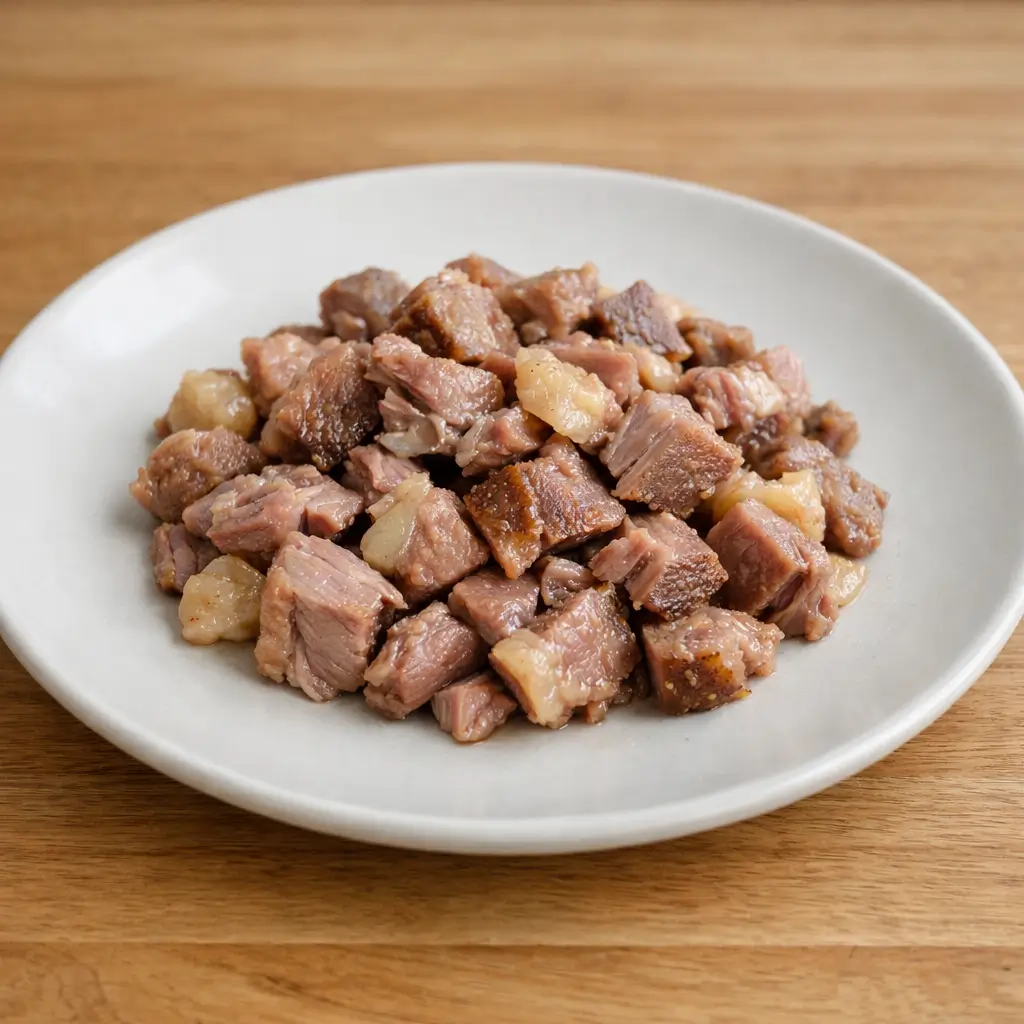
Food #3: Duck — The Hypoallergenic Alternative
Why Duck Deserves Attention for Weight Gain
Duck is often overlooked in discussions of feline nutrition, but it offers compelling advantages for a cat weight gain diet—particularly for cats with food sensitivities.
As a novel protein (one that most cats have never eaten before), duck is less likely to trigger allergic reactions compared to common proteins like chicken, beef, or fish. This makes it an excellent choice for underweight cats whose digestive issues may stem from food allergies or intolerances.
Beyond its hypoallergenic potential, duck is remarkably calorie-dense. Duck meat (with skin) contains approximately 337 calories per 100 grams—significantly higher than chicken or beef. This makes it arguably the most efficient protein for rapid, healthy weight gain.
Nutritional Profile
Duck provides an exceptional fat content that supports caloric goals:
- Protein: Approximately 19 grams per 100g
- Fat: Approximately 28 grams per 100g (with skin)
- Iron: Higher than chicken, supporting blood health
- Zinc: For immune function and coat quality
- B vitamins: Particularly B3 (niacin) and B5 (pantothenic acid)
The fat in duck includes a favorable proportion of monounsaturated fats, similar to olive oil. This fat profile supports healthy skin and a lustrous coat—visible signs that your cat weight gain diet is working.
Sourcing and Safety Considerations
Duck can be found at specialty butchers, Asian grocery stores, and some well-stocked supermarkets. When sourcing duck:
- Fresh or frozen duck is preferable to heavily processed products
- Remove bones completely before feeding; duck bones can splinter
- Cook thoroughly to eliminate bacteria; internal temperature should reach 165°F (74°C)
- Duck fat can be rendered and stored for adding to other meals
For cats with sensitive stomachs, introduce duck gradually over 7-10 days, mixing small amounts with familiar foods before transitioning to larger portions.
⚠️ High-Fat Warning: While duck’s high fat content benefits weight gain, it may be problematic for cats with a history of pancreatitis. Pancreatitis can be triggered or worsened by high-fat meals. If your cat has been diagnosed with or is predisposed to pancreatitis, consult your veterinarian before feeding duck.
Duck Weight Gain Recipe
Rich Duck Dinner for Cats
Yield: Approximately 4-5 servings
Ingredients:
- 200g duck breast or thigh meat (with skin for maximum calories)
- 30g duck liver or chicken liver
- 2 tablespoons (28g) rendered duck fat or butter
- 1 egg yolk (approximately 17g)
- 300mg taurine supplement powder
- 1/4 teaspoon (approximately 1g) bone meal powder (calcium and phosphorus source)
- 1/8 teaspoon fish oil (omega-3 supplementation)
- 1 tablespoon (15ml) low-sodium chicken broth (for moisture)
Preparation Steps:
Step 1: Rinse the duck meat under cold water and pat dry with paper towels. Handle raw poultry with strict hygiene protocols—clean all surfaces and utensils that contact raw meat.
Step 2: Cut the duck into chunks and place in a baking dish. Roasting concentrates flavors and renders some of the fat, making the meat more palatable.
Step 3: Roast at 375°F (190°C) for 25-30 minutes, until internal temperature reaches 165°F (74°C). The meat should be cooked through with no pink remaining.
Step 4: In a separate small pan, sauté the liver in a small amount of the duck fat for 5-7 minutes until cooked through. Liver should be brown throughout with no pink center.
Step 5: Allow all components to cool to room temperature. Remove and discard any bones or cartilage.
Step 6: Finely chop or process the duck meat and liver together. The texture should match your cat’s preferences.
Step 7: Add the rendered duck fat or butter, egg yolk, chicken broth, and all supplements. Mix thoroughly to create a uniform consistency.
Step 8: Divide into portions of approximately 50-60 grams each.
Feeding note: The richness of duck makes this meal highly appealing to most cats. However, start with smaller portions to ensure your cat tolerates the higher fat content without gastrointestinal upset. Store refrigerated for up to 4 days or freeze portions for longer storage.
⚠️ Important Disclaimer: Due to duck’s high fat content, this recipe is most appropriate for cats without pancreatic issues or fat sensitivities. Work with your veterinarian to determine if duck is suitable for your cat’s specific health situation and to establish appropriate feeding amounts.
Critical Health Warnings for High-Calorie Diets
As we focus on foods that support weight gain, I must address important health considerations. Not every cat can safely consume high-protein, high-fat diets.
Chronic Kidney Disease (CKD)
Cats with chronic kidney disease often experience weight loss, making it tempting to implement an aggressive weight gain diet. However, high protein intake can accelerate kidney disease progression in cats with compromised renal function. Cats with CKD require specially formulated diets with controlled (not necessarily low) protein levels and reduced phosphorus content.
If your cat has been diagnosed with kidney disease, work closely with your veterinarian to develop a feeding plan that supports weight gain without placing additional stress on the kidneys.
Pancreatitis
The pancreas plays a crucial role in digesting fats. Cats with a history of pancreatitis—or those prone to this condition—can experience dangerous flare-ups when consuming high-fat foods like duck or fatty fish.
Signs of pancreatitis include lethargy, decreased appetite, vomiting, and abdominal pain. If your cat exhibits these symptoms after eating fatty foods, discontinue the high-fat diet and seek veterinary care immediately.
Food Allergies and Sensitivities
I’ve mentioned that chicken and fish are relatively common allergens in cats. Signs of food allergies may include:
- Skin irritation, excessive scratching, or hair loss
- Vomiting or diarrhea
- Ear infections
- Gastrointestinal discomfort
If you suspect food allergies, an elimination diet under veterinary supervision can help identify problematic ingredients.
Foods to Avoid in Any Cat Diet
While preparing homemade meals for your cat weight gain diet, vigilance about toxic ingredients is essential. The following foods are dangerous to cats and must never be included in recipes:
- Onions and garlic: Cause oxidative damage to red blood cells, leading to anemia
- Grapes and raisins: Cause acute kidney failure
- Chocolate: Contains theobromine, toxic to cats
- Xylitol: This artificial sweetener can cause liver failure
- Raw yeast dough: Expands in the stomach and produces alcohol
- Alcohol: Even small amounts can cause severe liver and brain damage
- Caffeine: Leads to heart palpitations and other serious symptoms
- Macadamia nuts: Cause weakness and tremors
When in doubt about any ingredient’s safety, omit it from your recipe entirely.
Conclusion: Building Your Cat Weight Gain Diet Strategy
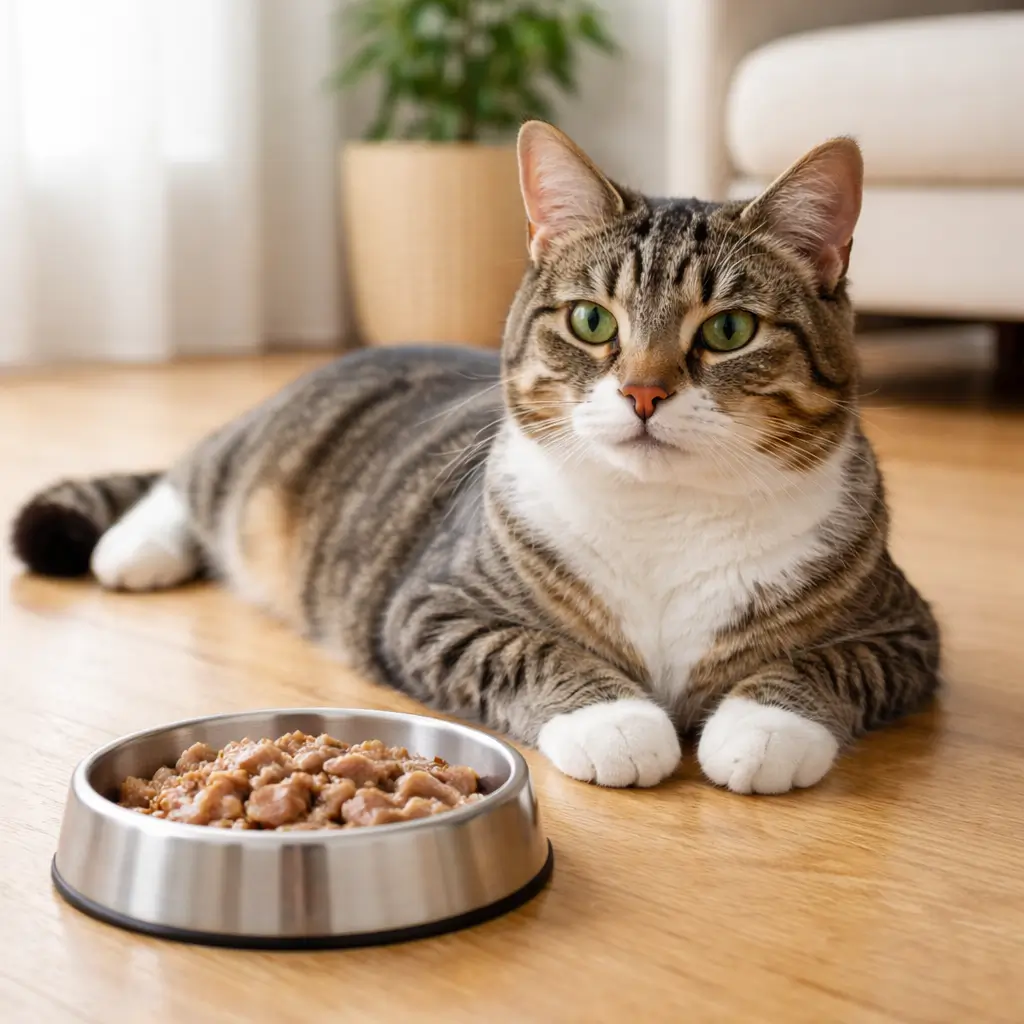
Helping an underweight cat regain healthy body condition requires patience, nutritional knowledge, and a willingness to work closely with your veterinarian. A successful cat weight gain diet isn’t about finding a magic solution—it’s about consistently providing calorie-dense, nutritionally appropriate foods that support your cat’s individual needs.
The three foods I’ve shared today—chicken thighs, sardines, and duck—offer proven pathways to healthy weight gain. Each brings unique nutritional benefits, from chicken’s accessibility and balanced protein-fat ratio to sardines’ omega-3 richness to duck’s exceptional caloric density.
Remember these key principles as you move forward:
- Rule out medical causes for weight loss before adjusting diet
- Calculate caloric needs based on your cat’s RER and target weight
- Supplement appropriately to ensure nutritional completeness
- Introduce new foods gradually to prevent digestive upset
- Monitor progress with regular weigh-ins and body condition assessments
Most importantly, celebrate the small victories. Each gram of healthy weight your cat gains represents your dedication and love as a pet parent.
I’ve watched Milo transform from that skeletal rescue into a sleek, healthy cat with bright eyes and a lustrous coat. With the right foods, the right approach, and time, your cat can make that same journey. The path to health is paved one meal at a time.