
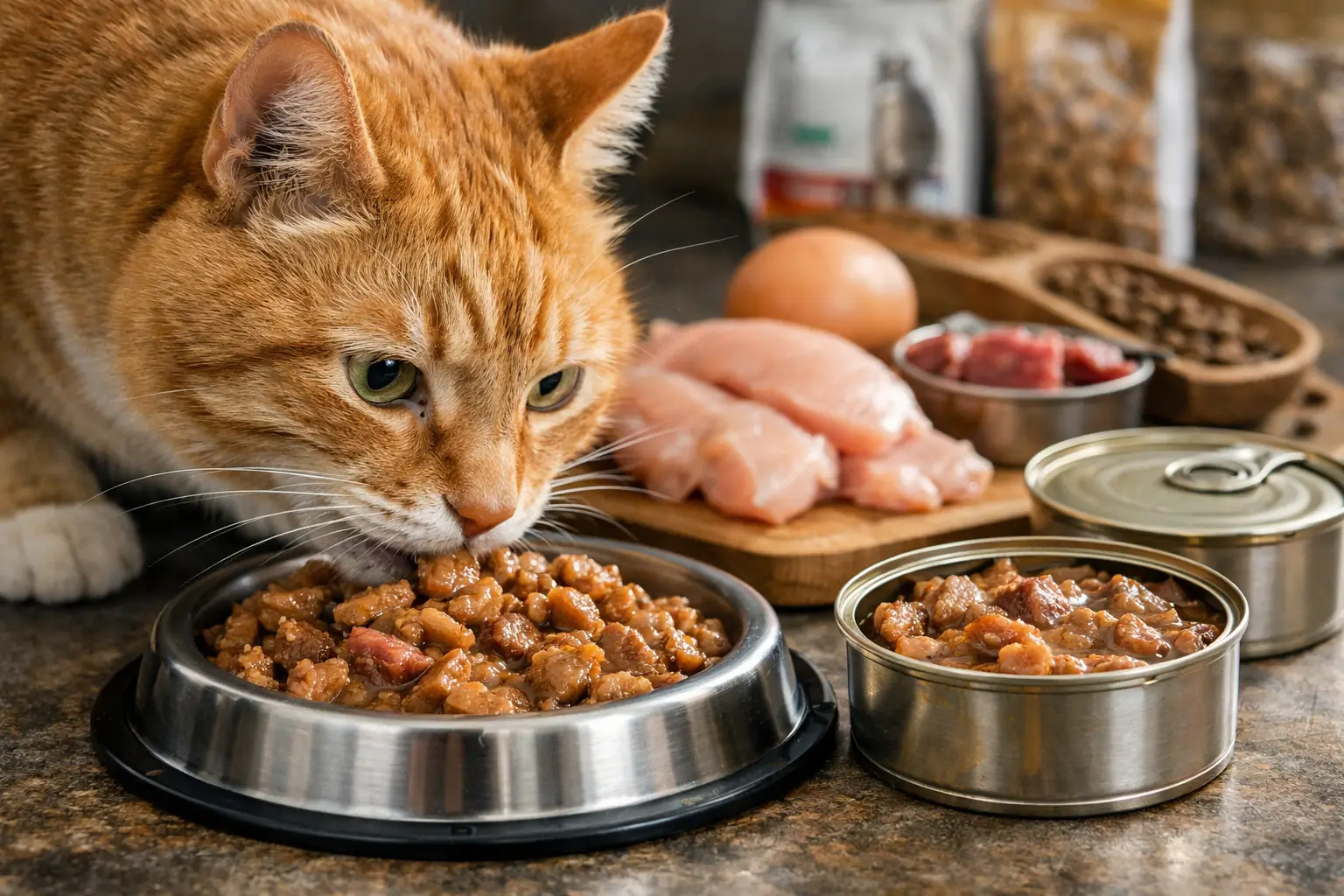
High Protein Wet Cat Food: 5 Benefits and Best Choices

Is high protein actually better for your cat? It’s a question that sparks endless debate among cat owners scrolling through pet food aisles, overwhelmed by marketing claims and confusing labels. The short answer is yes—but with important caveats that every responsible cat owner should understand before making a decision.
Cats are obligate carnivores, a biological classification that fundamentally shapes their nutritional requirements. Unlike dogs or humans, felines lack the metabolic pathways to efficiently convert plant-based proteins into the amino acids they need for survival. This evolutionary reality makes high protein wet cat food not merely a premium choice but often an essential one for optimal feline health.
Table of Contents
In this comprehensive guide, you’ll discover the five science-backed benefits of feeding your cat a protein-rich wet diet, learn how to navigate the often-confusing world of cat food labels, and explore the best choices available—whether you prefer commercial options or want to prepare nutritious meals at home. By the end, you’ll have the knowledge to make an informed decision that aligns with your cat’s unique needs and your personal values as a pet owner.
Why Choose High Protein Wet Cat Food? 5 Proven Benefits
Understanding why protein matters requires looking beyond marketing buzzwords to the actual science of feline nutrition. The Association of American Feed Control Officials (AAFCO) establishes minimum protein requirements for cat food: 30% on a dry matter basis for adult maintenance and 26% for growth and reproduction. However, these represent minimum thresholds for survival, not optimal levels for thriving. Many veterinary nutritionists advocate for protein levels significantly higher than these baselines, particularly for active cats and those with certain health conditions.
Benefit 1: Aligns with Ancestral Dietary Needs
Your domestic cat shares approximately 95% of their genetic makeup with wildcats, and their digestive systems have changed remarkably little despite thousands of years of domestication. In the wild, felines consume prey that consists of roughly 50-60% protein on a dry matter basis, along with moderate fat and minimal carbohydrates—typically less than 2% from the stomach contents of prey animals.
High protein wet cat food mimics this ancestral dietary pattern far more closely than carbohydrate-heavy kibble. When cats consume diets that align with their evolutionary blueprint, their bodies can efficiently metabolize nutrients without the metabolic stress that comes from processing excessive carbohydrates. Research published in veterinary nutrition journals consistently demonstrates that cats preferentially select high-protein foods when given free choice, suggesting an innate understanding of their nutritional needs.
Benefit 2: Supports Lean Muscle Mass and Physical Vitality
Protein serves as the primary building block for muscle tissue, and cats have a remarkably high protein turnover rate compared to omnivorous species. This means they constantly break down and rebuild muscle proteins, requiring a steady supply of dietary amino acids to maintain healthy muscle mass.
Adult cats require approximately 2-3 times more protein per pound of body weight than adult dogs, and this requirement increases further in senior cats who often experience age-related muscle wasting known as sarcopenia. A diet rich in high-quality animal proteins provides the essential amino acids—including taurine, arginine, and methionine—that cats cannot synthesize in adequate quantities on their own. Taurine deficiency alone can lead to serious conditions including dilated cardiomyopathy and retinal degeneration, underscoring why protein quality matters as much as quantity.
Benefit 3: Promotes Healthy Weight Management
Contrary to the outdated assumption that high-fat foods cause obesity, research increasingly points to carbohydrate-heavy diets as a significant contributor to feline weight gain. When cats consume excess carbohydrates, their bodies convert these sugars into fat stores—a metabolic pathway that their systems aren’t designed to handle efficiently.
High protein wet cat food supports weight management through several mechanisms. Protein has a higher thermic effect than carbohydrates, meaning cats burn more calories simply digesting and metabolizing protein-rich foods. Additionally, protein promotes satiety more effectively than carbohydrates, helping cats feel satisfied with smaller portions. The moisture content in wet food also adds volume without adding calories, allowing cats to consume physically satisfying meals while maintaining a healthy caloric intake. Studies have shown that cats fed high-protein, low-carbohydrate diets tend to maintain leaner body compositions even when allowed to eat freely.
Benefit 4: Enhances Hydration and Urinary Tract Health
Cats evolved as desert-dwelling predators with a naturally low thirst drive, obtaining most of their hydration from prey. Wet food typically contains 75-80% moisture, closely approximating the water content of natural prey animals. This built-in hydration offers significant advantages for urinary tract health.
Chronic dehydration is a silent epidemic among cats fed exclusively dry diets. Concentrated urine increases the risk of crystal formation, urinary tract infections, and the development of feline lower urinary tract disease (FLUTD). By ensuring adequate fluid intake through moisture-rich food, high protein wet cat food helps maintain dilute urine, flush the urinary system regularly, and reduce the concentration of minerals that can form painful crystals or stones. For cats prone to urinary issues, this hydration benefit alone may justify transitioning to a wet food diet.
Benefit 5: Supports Coat Health and Overall Vitality
The condition of a cat’s coat serves as a visible indicator of internal health. Protein, particularly the sulfur-containing amino acids found abundantly in animal tissues, directly influences coat quality. Keratin, the primary structural protein in fur, requires adequate dietary protein for proper synthesis.
Cats fed high-quality, protein-rich diets typically display shinier, softer coats with reduced shedding compared to those on lower-protein alternatives. Beyond aesthetics, this reflects improved overall cellular function, immune response, and organ health. The essential fatty acids often found alongside proteins in quality wet foods further enhance skin barrier function and reduce inflammatory skin conditions that cause excessive scratching and hair loss.
Not All High-Protein Foods Are Created Equal
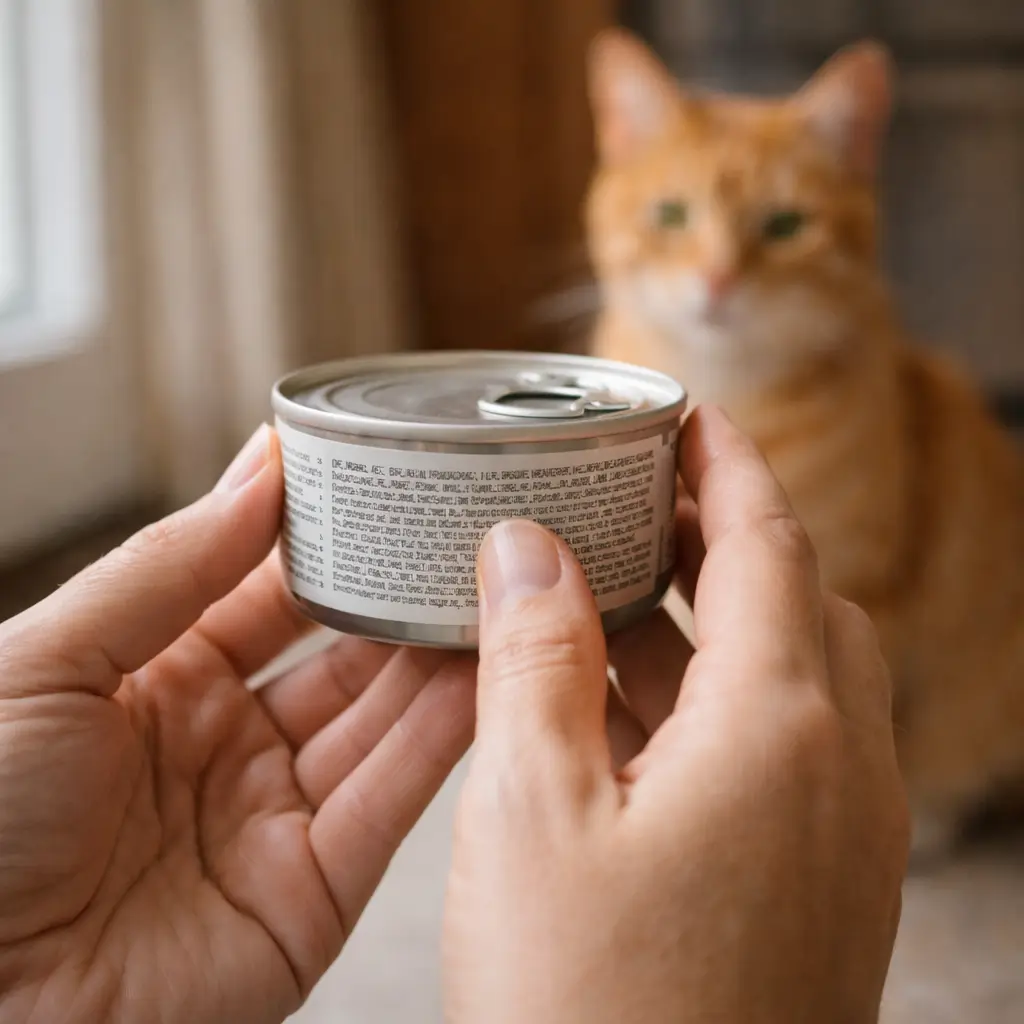
Understanding the benefits of protein-rich nutrition represents only half the equation. The pet food market overflows with products claiming to be “high protein” while delivering vastly different nutritional profiles. Some manufacturers boost protein percentages through plant-based proteins that lack the complete amino acid profile cats require, while others use low-quality animal byproducts with questionable digestibility. Learning to evaluate cat food labels empowers you to distinguish genuinely beneficial products from clever marketing, ensuring your investment in your cat’s health delivers actual results.
How to Identify the Best Choices: A Buyer’s Guide
Navigating cat food labels requires understanding both what to look for and what to avoid. The following criteria will help you filter through countless options to find truly beneficial high protein wet cat food for your feline companion.
Evaluating Protein Sources: Real Meat vs. Meal
The ingredient list on cat food tells a story, and the first few ingredients reveal the most about a product’s quality since they represent the largest components by weight. Look for specific, named animal proteins as the first ingredient—”chicken,” “salmon,” or “turkey” rather than vague terms like “meat” or “poultry.”
Understanding the distinction between whole meats and meat meals matters for accurate label interpretation. Whole meats contain approximately 75% water, so their weight on the ingredient list appears disproportionately high before cooking. Meat meals, conversely, have been rendered and dried, concentrating their protein content. A quality meat meal from a named source (such as “chicken meal”) actually contributes more protein per gram than whole meat. The ideal wet food features named whole meats as primary ingredients, potentially supplemented with named meat meals for additional protein density.
Be cautious of “by-products.” While not inherently harmful—they can include nutritious organ meats—this category varies dramatically in quality. Named by-products like “chicken liver” signal intentional inclusion of specific organs, while generic “meat by-products” could include nearly anything.
Moisture Content and Protein Absorption
The moisture in wet food does more than hydrate; it affects how your cat’s body processes and absorbs nutrients. When comparing protein percentages between products, you must account for moisture content to make accurate assessments.
To calculate protein on a dry matter basis, divide the listed protein percentage by the percentage of dry matter (100 minus the moisture percentage). A food with 12% protein and 78% moisture actually contains approximately 55% protein on a dry matter basis—significantly higher than a dry food listing 35% protein with only 10% moisture, which works out to roughly 39% dry matter protein. This calculation reveals the true protein density of any product, allowing meaningful comparisons across different food formats.
Wet food’s moisture also enhances protein digestibility by maintaining proper hydration of digestive enzymes and ensuring nutrients pass through the gastrointestinal system at an appropriate rate. The result is often superior nutrient absorption compared to dry alternatives.
Red Flags: Ingredients to Avoid
Certain ingredients signal that a product prioritizes cost-cutting over feline health. While no single ingredient necessarily renders a food harmful, patterns of concerning inclusions should prompt you to consider alternatives.
Carbohydrate fillers represent the most common concern in cat food formulation. Corn, wheat, soy, and excessive potato or pea content add bulk and protein (often plant-based) at minimal cost while providing little benefit to obligate carnivores. Some cats also develop sensitivities to grains, experiencing digestive upset or skin reactions.
Artificial preservatives like BHA, BHT, and ethoxyquin have raised health concerns in various studies, though they remain approved for use. Many quality manufacturers now use natural alternatives like mixed tocopherols (vitamin E) and rosemary extract. Artificial colors serve no nutritional purpose and exist purely for human appeal—your cat doesn’t care if their food looks appetizing to you.
Sugar and its variants (caramel, corn syrup) have no place in cat food. Their inclusion typically aims to enhance palatability in otherwise low-quality formulations. Similarly, excessive sodium raises concerns, particularly for cats with cardiac or kidney issues.
Top Options for High Protein Wet Cat Food
Understanding what makes a quality product empowers you to evaluate options regardless of brand. The following categories represent different approaches to providing excellent feline nutrition, each suited to different circumstances, budgets, and philosophies.
Option A: Premium Commercial Formulas
Premium cat foods distinguish themselves through ingredient sourcing, formulation philosophy, and quality control measures that justify their higher price points. When evaluating these products, look beyond brand reputation to examine actual formulations.
The hallmarks of truly premium high protein wet cat food include named animal proteins comprising the first several ingredients, minimal or no plant-based protein boosters, limited carbohydrate content (ideally under 10% on a dry matter basis), and supplementation with essential nutrients like taurine at levels exceeding AAFCO minimums. Many premium brands also eliminate common allergens, artificial additives, and controversial preservatives.
Examples of formulations that typically meet these criteria include recipes built around single or limited protein sources with clearly identified organs (liver, heart) providing natural vitamin content. Products that specify wild-caught fish or cage-free poultry demonstrate transparency about sourcing that budget brands rarely match. Look for foods that complete their amino acid profiles through animal-based ingredients rather than synthetic supplementation where possible, though synthetic taurine addition remains standard and necessary across the industry.
Brands that invest in digestibility studies, feeding trials, and manufacturing facilities dedicated to pet food (rather than shared with livestock feed production) offer additional assurance of quality and safety. Some manufacturers publish complete nutritional analyses, including guaranteed analysis for omega fatty acids and specific amino acids, demonstrating confidence in their formulations.
Option B: Specialized Formulas for Life Stages and Health Conditions
Kittens, senior cats, and those with specific health challenges benefit from formulations tailored to their unique requirements. Understanding these specialized needs helps you select appropriately.
Kitten formulas require higher protein and fat percentages to support rapid growth, along with increased calcium and phosphorus in proper ratios for skeletal development. According to AAFCO standards, kitten foods must meet higher minimums for most nutrients compared to adult maintenance formulas. The protein should come from highly digestible sources, and DHA (docosahexaenoic acid) supports crucial brain and vision development during early life.
Senior cats often need increased protein to combat age-related muscle loss, but those with kidney disease require careful protein management—a balance that challenges many pet owners. Current veterinary thinking has shifted away from automatic protein restriction in senior cats, recognizing that inadequate protein accelerates muscle wasting. However, cats with diagnosed kidney disease may benefit from moderate protein reduction alongside phosphorus restriction. Consult your veterinarian to determine appropriate protein levels for senior cats with health conditions.
Cats with food sensitivities or allergies often improve on limited-ingredient diets featuring novel proteins (venison, rabbit, duck) they haven’t previously consumed. These elimination diet formulas help identify specific triggers while still providing complete nutrition.
Option C: The Homemade Alternative
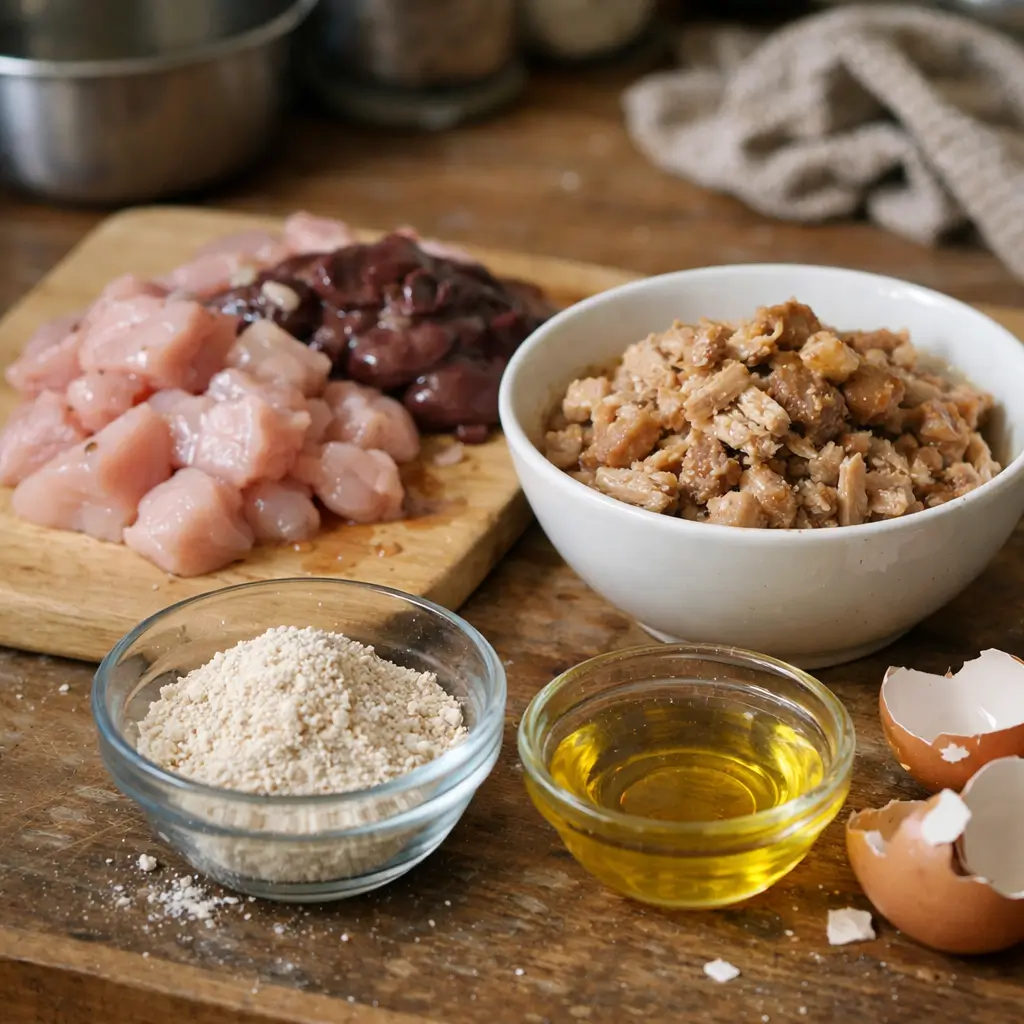
Some cat owners prefer preparing food themselves, seeking complete control over ingredients and sourcing. This approach can yield excellent nutrition but requires careful attention to balance and supplementation to avoid dangerous deficiencies.
Homemade cat food must be nutritionally complete, meeting all AAFCO or FEDIAF requirements for essential nutrients. Unlike dogs or humans, cats cannot synthesize certain amino acids, vitamins, and fatty acids from other nutrients, making supplementation absolutely essential rather than optional. A diet of plain cooked meat, however high-quality, will cause serious deficiencies over time.
The most critical supplements for homemade cat food include taurine (cats cannot synthesize adequate amounts and deficiency causes blindness and heart failure), calcium (meat alone provides insufficient calcium, causing skeletal problems), vitamin A in its preformed retinol state (cats cannot convert beta-carotene), vitamin D, and B vitamins. Commercial premixes designed for homemade cat food simplify supplementation, ensuring proper nutrient ratios.
Raw feeding has gained popularity among some pet owners, but this approach carries documented risks including bacterial contamination (Salmonella, E. coli, Listeria) that can affect both cats and their human families. Parasitic transmission is also possible with raw meat. If you choose raw feeding, understand these risks, source meats carefully, handle them with strict food safety protocols, and discuss the approach with your veterinarian.
The Protein-Packed Chicken Bowl (Vet-Approved Style)
This recipe provides a template for homemade high protein wet cat food, emphasizing essential supplementation and safe preparation. It should serve as a rotation option rather than an exclusive diet unless you work with a veterinary nutritionist to ensure complete balance.
Important Notice: This recipe must include supplements to be nutritionally complete. Never feed plain cooked meat as a primary diet.
Ingredients
The following quantities yield approximately four adult cat servings:
For the protein base, use 200 grams of boneless, skinless chicken thighs. Thigh meat provides higher fat content than breast, better approximating natural prey nutrient ratios. Include 30 grams of chicken liver, which supplies preformed vitamin A and numerous B vitamins. Add 30 grams of chicken heart, an excellent natural taurine source that also provides coenzyme Q10.
For essential supplements, you will need 1/8 teaspoon taurine powder (approximately 250mg—this is non-negotiable for feline cardiac and ocular health), 1/2 teaspoon calcium carbonate or finely ground eggshell powder (providing approximately 500mg calcium to correct meat’s severely inverted calcium-phosphorus ratio), and 1/4 teaspoon fish oil or salmon oil (providing omega-3 fatty acids for skin, coat, and inflammatory response).
For moisture addition, prepare 60 milliliters of low-sodium chicken broth (ensure it contains no onion or garlic, which are toxic to cats) or plain water.
Preparation Instructions
Begin by handling all raw poultry with appropriate food safety precautions. Clean all surfaces, utensils, and hands thoroughly before and after preparation.
Cut the chicken thighs, liver, and heart into small, uniform pieces approximately one centimeter in size to ensure even cooking. Place all meat in a saucepan and cover with water. Bring to a gentle simmer, avoiding a rolling boil that can toughen the meat. Cook for 12-15 minutes until all pieces are thoroughly cooked with no pink remaining. Chicken must reach an internal temperature of 74°C (165°F) to ensure pathogen elimination.
Drain the cooking water and allow the meat to cool to room temperature before proceeding. Hot food can degrade certain supplements and risks burning your cat’s mouth.
Transfer the cooled meat to a cutting board and mince finely or pulse briefly in a food processor to achieve a textured paté consistency. Avoid completely liquefying the mixture, as most cats prefer some texture.
Place the minced meat mixture in a clean bowl. Add the chicken broth or water and stir to incorporate, achieving a consistency similar to commercial wet food. Add the taurine powder, calcium powder, and fish oil, stirring thoroughly to distribute supplements evenly throughout the mixture.
Divide into individual portions based on your cat’s caloric needs (approximately 50 grams per 2.3 kilograms of body weight for maintenance, though this varies by individual). Store unused portions in the refrigerator for up to three days or freeze for up to three months.
Serving Guidelines
Bring refrigerated portions to room temperature before serving, as cats often reject cold food and warming enhances aroma. Never microwave, which creates hot spots and can degrade nutrients. Instead, place the sealed portion in warm water for 5-10 minutes.
Introduce this food gradually if your cat is transitioning from a different diet, mixing increasing proportions over 7-10 days to prevent digestive upset.
Critical Reminder: This recipe provides a protein-rich meal but requires rotation with other protein sources and ideally a commercial complete diet or comprehensive supplementation to ensure long-term nutritional adequacy. Consult a veterinary nutritionist before making homemade food your cat’s primary diet.
Conclusion
The evidence supporting high protein wet cat food for feline health rests on solid biological and nutritional foundations. From aligning with your cat’s ancestral dietary needs to supporting lean muscle mass, promoting healthy weight management, enhancing hydration, and nourishing coat health, protein-rich wet diets offer compelling benefits that low-protein or dry alternatives often cannot match.
Yet understanding these benefits represents only the beginning. The quality of protein sources, the accuracy of label interpretation, and the appropriateness of specific formulations for your individual cat’s age, health status, and needs all influence whether a particular food delivers on its promises. Armed with the knowledge to evaluate protein sources, calculate dry matter protein percentages, and identify concerning ingredients, you can now navigate the cat food marketplace as an informed consumer.
Whether you choose premium commercial formulations, specialized veterinary diets, or carefully supplemented homemade preparations, the fundamental principle remains consistent: prioritize quality animal protein as the foundation of your cat’s nutrition. Your obligate carnivore depends on you to honor their biological heritage, and the reward for doing so is a healthier, more vital companion for years to come.