
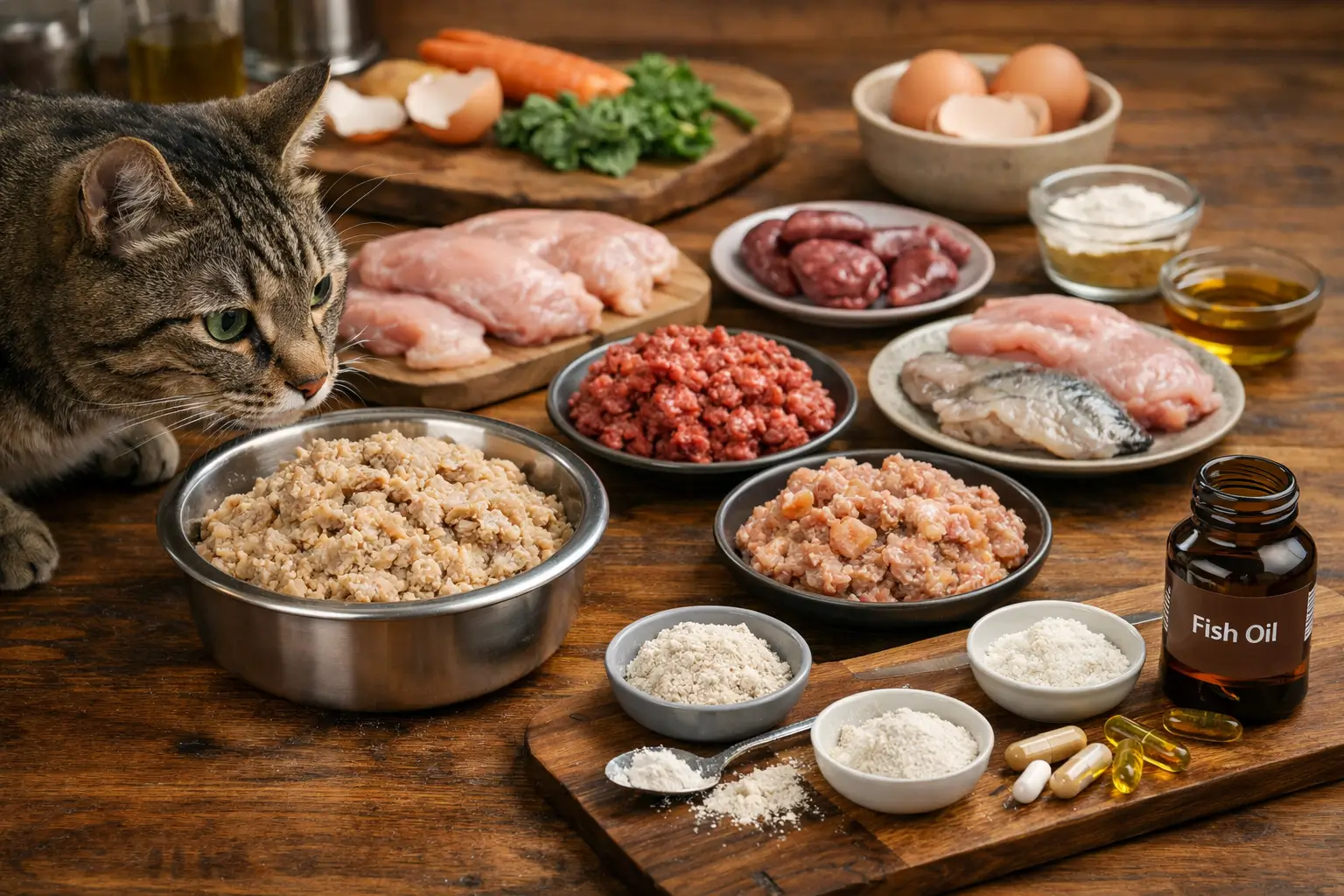
Top 5 Homemade Wet Cat Food Recipes for Daily Feeding

As someone who has spent more than a decade raising and feeding cats and working alongside veterinary nutritionists, I understand the deep love you have for your cat.. You want to provide the very best—and that desire often leads cat owners to explore homemade wet cat food recipes as an alternative to commercial options. Perhaps you’re concerned about mysterious ingredients on labels, or maybe your cat has specific dietary needs that standard foods don’t address.
Table of Contents
I’ve written this guide to help you navigate the world of DIY cat food with confidence and scientific accuracy. By the end of this article, you’ll have five distinct, nutritionally balanced recipes you can prepare at home, along with the essential knowledge to ensure your feline companion thrives on a homemade diet.
However, I must be upfront with you from the start: preparing complete and balanced meals for cats at home is significantly more complex than cooking for yourself or even for dogs. Cats are obligate carnivores with very specific nutritional requirements. Getting this wrong can lead to serious health consequences. That’s why every recipe and recommendation in this article has been carefully aligned with established veterinary nutritional standards.
What Are Balanced Homemade Wet Cat Food Recipes?
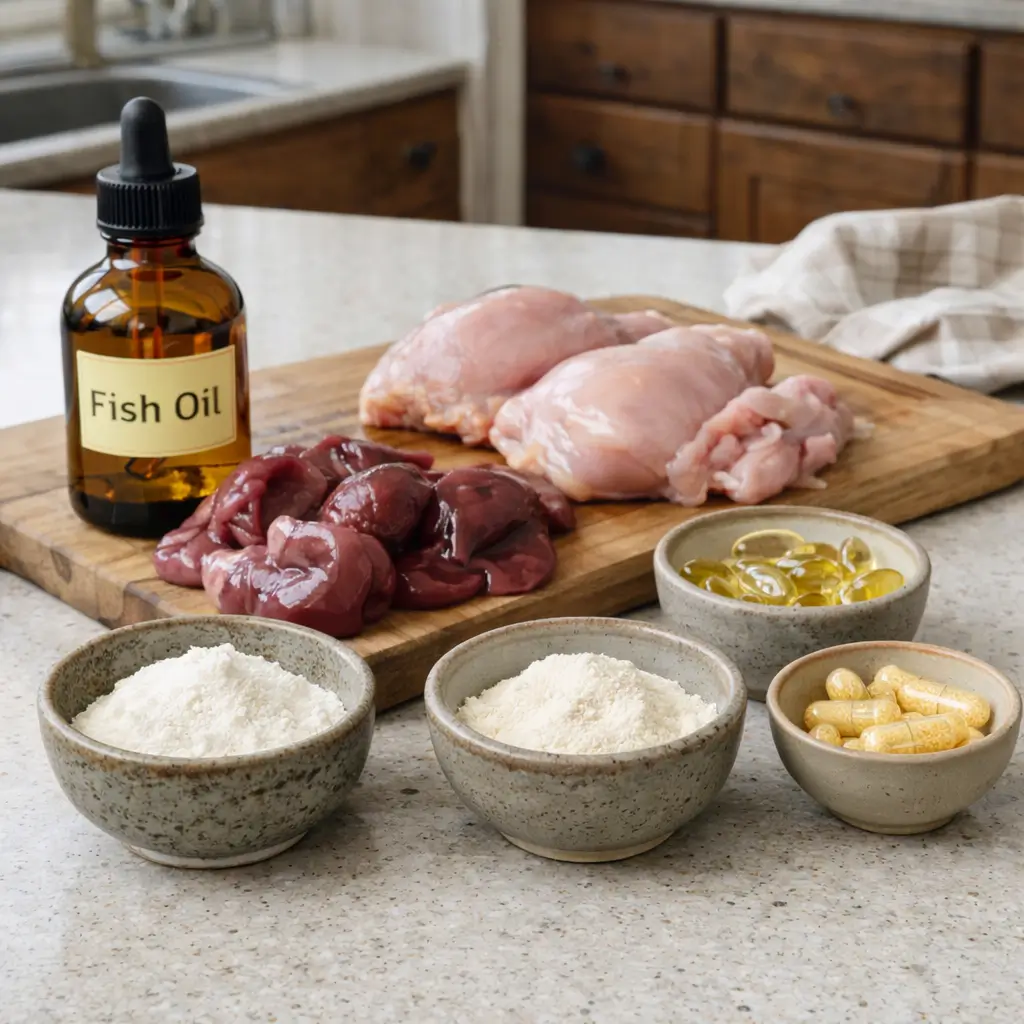
Balanced homemade wet cat food recipes are home-prepared meals that provide all essential nutrients cats require for daily sustenance. Unlike treats or food toppers, these recipes must contain adequate protein, fat, taurine, vitamins, minerals, and fatty acids in proper ratios to serve as a cat’s sole nutrition source. Creating truly balanced vet-approved cat meals requires careful supplementation beyond simply cooking meat.
Why Consider Nutritious Cat Dinners Made at Home?
The decision to prepare homemade food for your cat often stems from genuine care. I’ve spoken with countless cat owners who feel empowered by knowing exactly what goes into their pet’s bowl. There are legitimate reasons why a balanced feline diet prepared in your own kitchen might be worth considering.
Control Over Ingredients
When you prepare food yourself, you select every single component. This transparency can be particularly valuable if your cat has food sensitivities or if you prefer to source ingredients locally and sustainably.
Freshness and Palatability
Many cats who turn their noses up at commercial food suddenly become enthusiastic eaters when presented with freshly prepared meals. The aroma and texture of home-cooked food can be irresistible to finicky felines.
Managing Specific Health Conditions
Under veterinary guidance, homemade diets can be tailored to address certain health issues. However—and I cannot stress this enough—this should only be done with direct supervision from a veterinary nutritionist.
The Critical Importance of Complete Nutrition
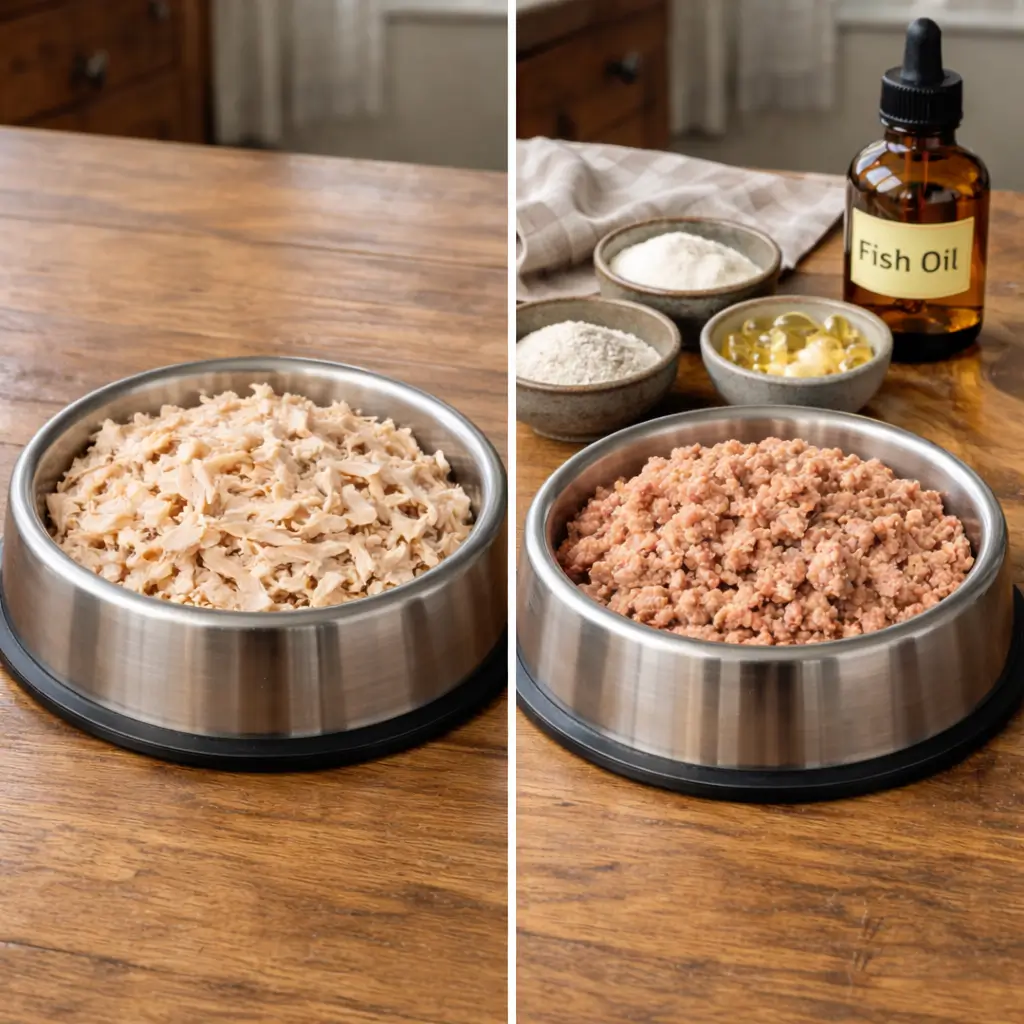
Before we dive into recipes, I need to explain why supplementation isn’t optional—it’s absolutely essential. This distinction separates safe, nutritious cat dinners from potentially harmful incomplete meals.
Understanding Obligate Carnivore Requirements
Cats cannot synthesize certain nutrients that other animals produce naturally. The most critical of these is taurine, an amino acid essential for heart function, vision, and reproduction. Unlike dogs, cats cannot convert other amino acids into taurine efficiently. A taurine deficiency can cause dilated cardiomyopathy (a life-threatening heart condition) and retinal degeneration leading to blindness.
Additionally, cats require:
- Preformed Vitamin A (they cannot convert beta-carotene from plants, but too much is toxic)
- Arachidonic acid (an essential fatty acid found only in animal tissues)
- Niacin in higher amounts than most mammals
- Adequate calcium-to-phosphorus ratio (approximately 1.1:1 to 1.5:1)
Meat alone, without organs and bones, does not provide these nutrients in proper proportions. This is why DIY cat food with supplements is the only safe approach for daily feeding.
The Danger of Nutritional Deficiencies
I’ve seen the heartbreaking consequences of well-intentioned but nutritionally incomplete homemade diets. Cats fed unsupplemented meat-only diets can develop severe health problems within months. These issues often develop silently before becoming apparent, making them particularly insidious.
Essential Supplements for Homemade Wet Cat Food Recipes
Every recipe in this guide includes specific supplements because muscle meat alone is nutritionally incomplete. Here’s what you need and why.
Taurine
This is non-negotiable. I recommend 250-500 mg of taurine per day for adult cats, though cooking can degrade some taurine, so supplementation ensures adequacy.
Calcium
If you’re not using raw meaty bones (which many home cooks avoid for safety reasons), you must add calcium. Calcium carbonate or bone meal provides the calcium cats need for skeletal health and proper muscle function. The typical requirement is approximately 900-1,000 mg of elemental calcium per pound of boneless meat.
Fish Oil or Salmon Oil
This provides omega-3 fatty acids (EPA and DHA) that support skin health, coat condition, and have anti-inflammatory properties.
Vitamin E
Acts as an antioxidant and is particularly important when feeding fish-based diets. However, dosage must be precise, as balance is key.
Vitamin B Complex
Cooking destroys many B vitamins, so supplementation helps ensure your cat receives adequate amounts.
Iodine
Often provided through Kelp powder (the most reliable natural source) or iodized salt in carefully measured amounts.
Foods That Are Toxic to Cats: An Essential Warning
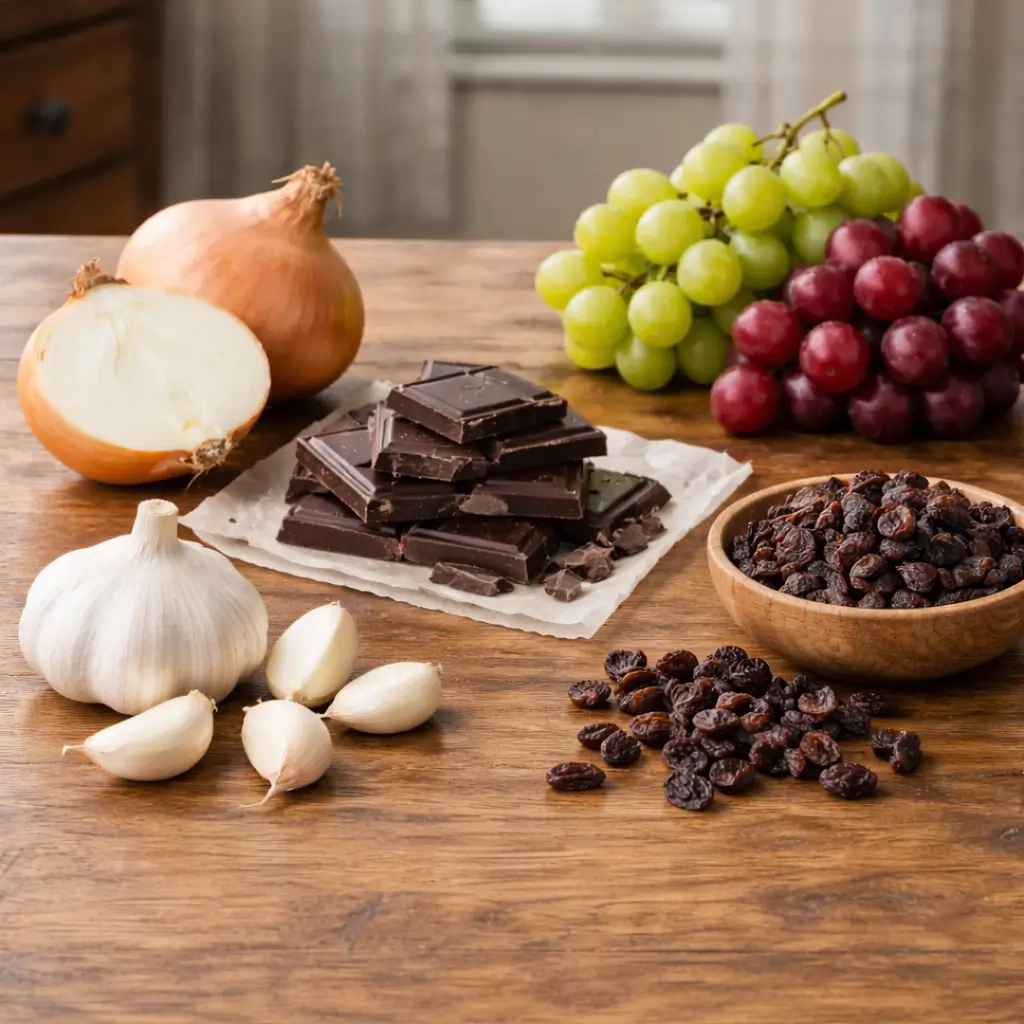
Before sharing my recipes, I must address foods you should never include in your cat’s diet. This isn’t comprehensive, but these are the most commonly encountered dangers.
| Toxic Food | Why It’s Dangerous |
|---|---|
| Onions and Garlic | Contain compounds that damage red blood cells, causing anemia |
| Grapes and Raisins | Can cause acute kidney failure |
| Chocolate | Contains theobromine, toxic to cats |
| Xylitol | Artificial sweetener causing liver failure |
| Raw Egg Whites | Contain avidin, which interferes with biotin absorption |
| Alcohol | Extremely toxic, even in small amounts |
Never use onion powder, garlic powder, or any seasoning blends in your cat’s food. Many spice mixes contain these ingredients.
Important Health Warnings Before You Begin
I want to address specific health conditions that require dietary modifications.
Cats with Chronic Kidney Disease (CKD): High-protein diets can accelerate kidney decline in cats already diagnosed with kidney disease. If your cat has CKD, do not use these recipes without veterinary modification. Your vet may recommend reduced protein levels and phosphorus restriction.
Cats with Pancreatitis: High-fat diets are dangerous for cats with pancreatitis history. These cats require lower-fat formulations that should be designed by a veterinary nutritionist.
Cats with Food Allergies: Chicken and fish are among the most common feline allergens. If your cat has suspected food allergies, work with your vet to identify safe protein sources before preparing homemade food. The novel proteins in this guide (rabbit, for example) may be suitable for elimination diet trials.
Top 5 Sample Balanced Homemade Wet Cat Food Recipes
Now we arrive at the heart of this article: five distinct, nutritionally complete recipes using different protein sources. Each recipe is designed to meet the nutritional standards for adult cat maintenance when properly supplemented.
Critical Disclaimer: These are sample balanced recipes designed to illustrate proper formulation principles. Before making any of these your cat’s regular diet, please consult with your veterinarian to adjust portions based on your specific cat’s weight, age, activity level, and health status. Most adult cats require approximately 200-300 calories daily, but this varies significantly.
Recipe 1: Classic Chicken Feast
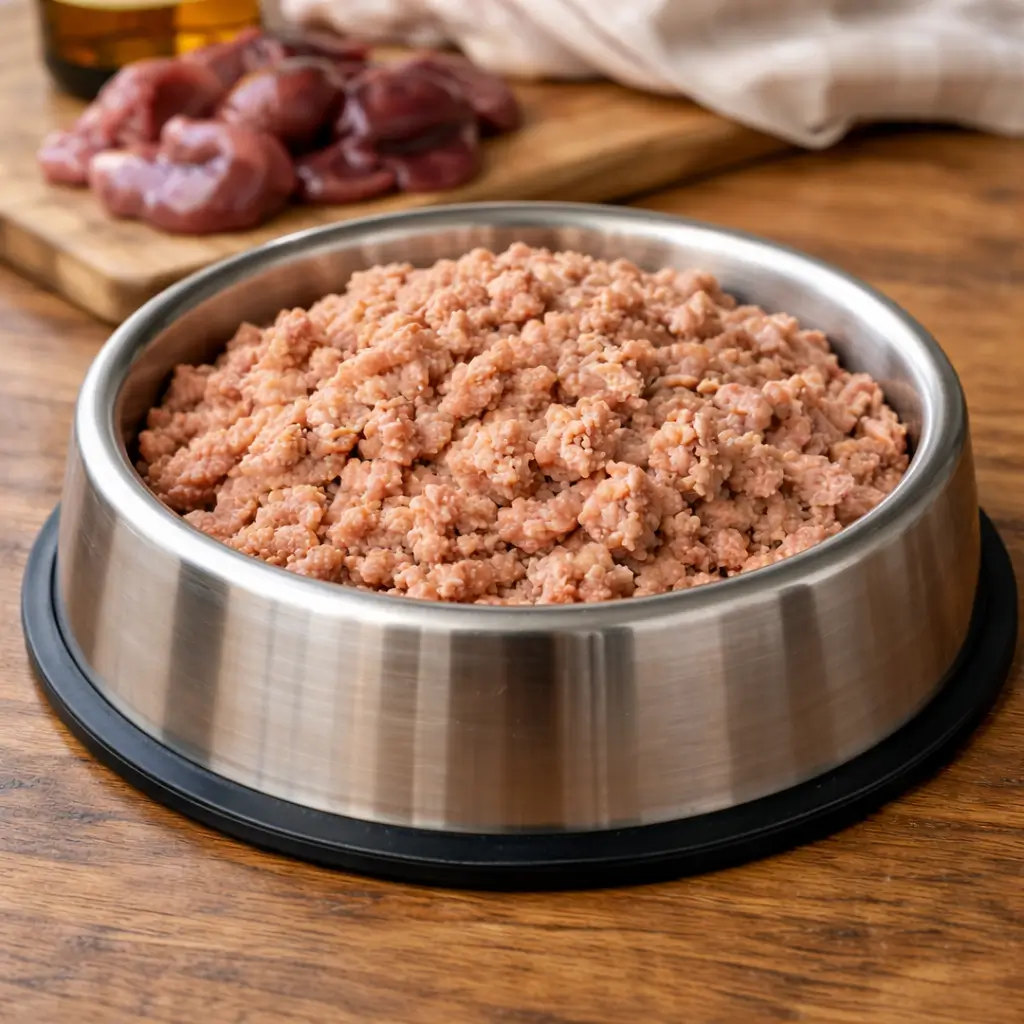
Nutritional Focus: High-quality protein with excellent amino acid profile; ideal for active adult cats requiring sustained energy and muscle maintenance.
Ingredients
- 450 g (1 pound) boneless, skinless chicken thighs
- 30 g (1 ounce) chicken liver (reduced to prevent Vitamin A toxicity)
- 60 g (2 ounces) chicken hearts
- 240 ml (1 cup) water (for cooking and moisture)
- 2,000 mg calcium carbonate (or equivalent bone meal)
- 500 mg taurine powder
- 100 IU Vitamin E (standard dose for this batch size)
- 50 mg Vitamin B complex
- 1 teaspoon fish oil (salmon oil preferred)
- 1/8 teaspoon iodized salt (or preferably 1/4 teaspoon Kelp powder for iodine)
Preparation Steps
Step 1: Ensure all meat handling follows food safety protocols. Wash your hands thoroughly and sanitize all surfaces and utensils that will contact raw meat.
Step 2: Cut the chicken thighs into small, uniform pieces approximately 2 cm (1 inch) in size. This ensures even cooking.
Step 3: Place chicken thighs in a pot with water and bring to a gentle simmer. Cook for approximately 15-20 minutes until the internal temperature reaches 74°C (165°F). Avoid boiling vigorously, which can toughen the meat.
Step 4: Add chicken liver and hearts during the last 5-10 minutes of cooking. Organ meats cook faster than muscle meat.
Step 5: Remove from heat and allow to cool to room temperature.
Step 6: Once cooled, transfer meat and cooking liquid to a food processor. Process to your cat’s preferred consistency—some cats prefer chunky texture while others favor smooth pâté.
Step 7: Add all supplements to the processed meat and mix thoroughly to ensure even distribution.
Step 8: Portion into daily serving sizes. This recipe yields approximately 600 g (21 ounces) of finished food, enough for 3-4 days for an average adult cat.
Step 9: Store portions in airtight containers. Refrigerate what you’ll use within 3 days; freeze the remainder for up to 3 months.
Recipe 2: Hearty Beef and Organ Blend
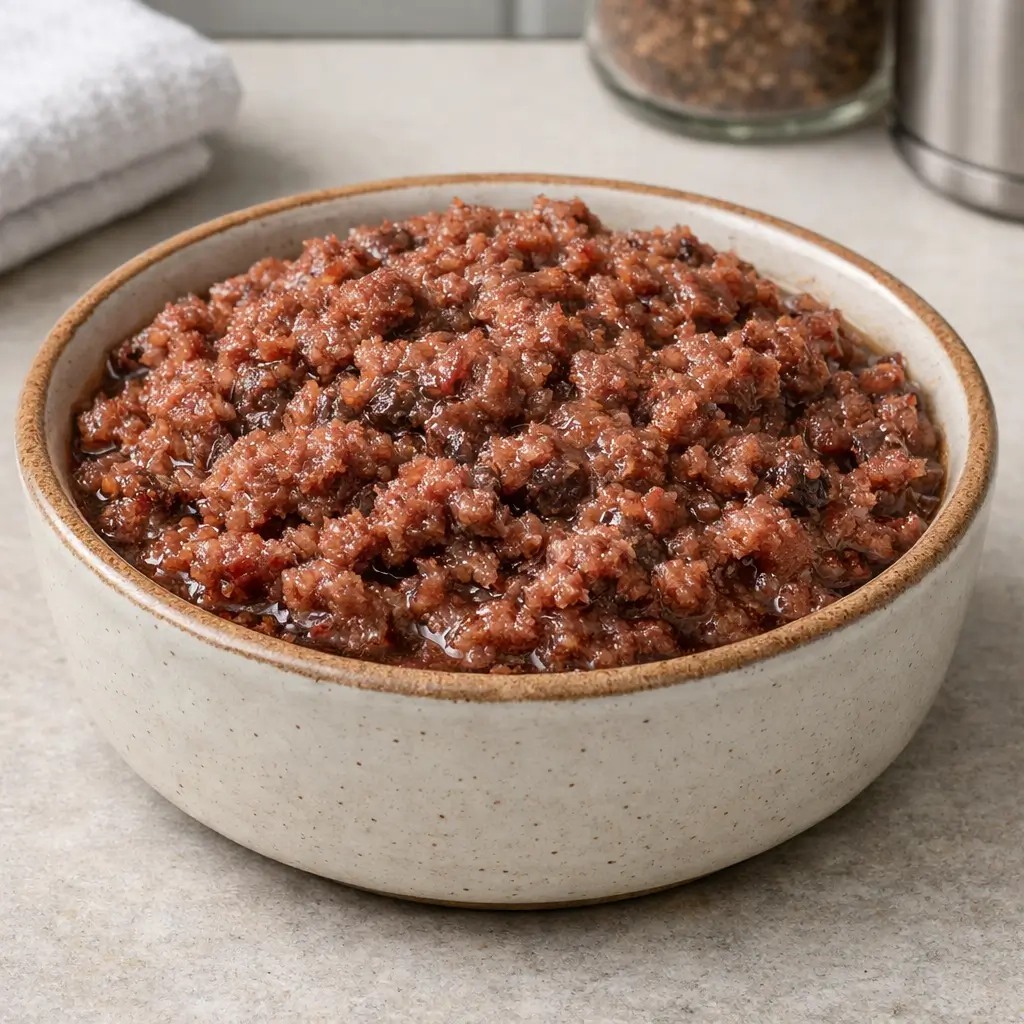
Nutritional Focus: Iron-rich formulation supporting healthy blood cell production; excellent for cats needing nutrient-dense meals with robust flavor.
Ingredients
- 400 g (14 ounces) lean ground beef (85-90% lean)
- 30 g (1 ounce) beef liver
- 15 g (0.5 ounce) beef kidney
- 180 ml (3/4 cup) low-sodium beef broth (ensure no onion or garlic)
- 2,000 mg calcium carbonate
- 500 mg taurine powder
- 100 IU Vitamin E
- 50 mg Vitamin B complex
- 1 teaspoon fish oil
- 1/8 teaspoon iodized salt (or Kelp powder)
- 1 raw egg yolk (not the white)
Preparation Steps
Step 1: Verify your beef broth contains no onion, garlic, or excessive sodium. Many commercial broths include these ingredients. When in doubt, use plain water instead.
Step 2: Maintain strict meat handling hygiene. Keep raw beef refrigerated until ready to cook and prevent cross-contamination with other foods.
Step 3: Brown the ground beef in a skillet over medium heat, breaking it into small pieces. Cook until no pink remains and internal temperature reaches 71°C (160°F).
Step 4: In a separate small pan, gently poach the beef liver and kidney in the broth until cooked through, approximately 5-8 minutes.
Step 5: Combine all cooked meats and broth in a food processor. Process until you achieve desired consistency.
Step 6: Allow mixture to cool to lukewarm temperature before adding supplements. Heat can degrade certain vitamins.
Step 7: Add calcium, taurine, vitamins, fish oil, salt (or Kelp), and the raw egg yolk. The egg yolk adds additional nutrients and improves palatability. Mix thoroughly.
Step 8: Portion and store as described in Recipe 1. This yields approximately 650 g (23 ounces) of finished food.
Recipe 3: Turkey and Heart Medley
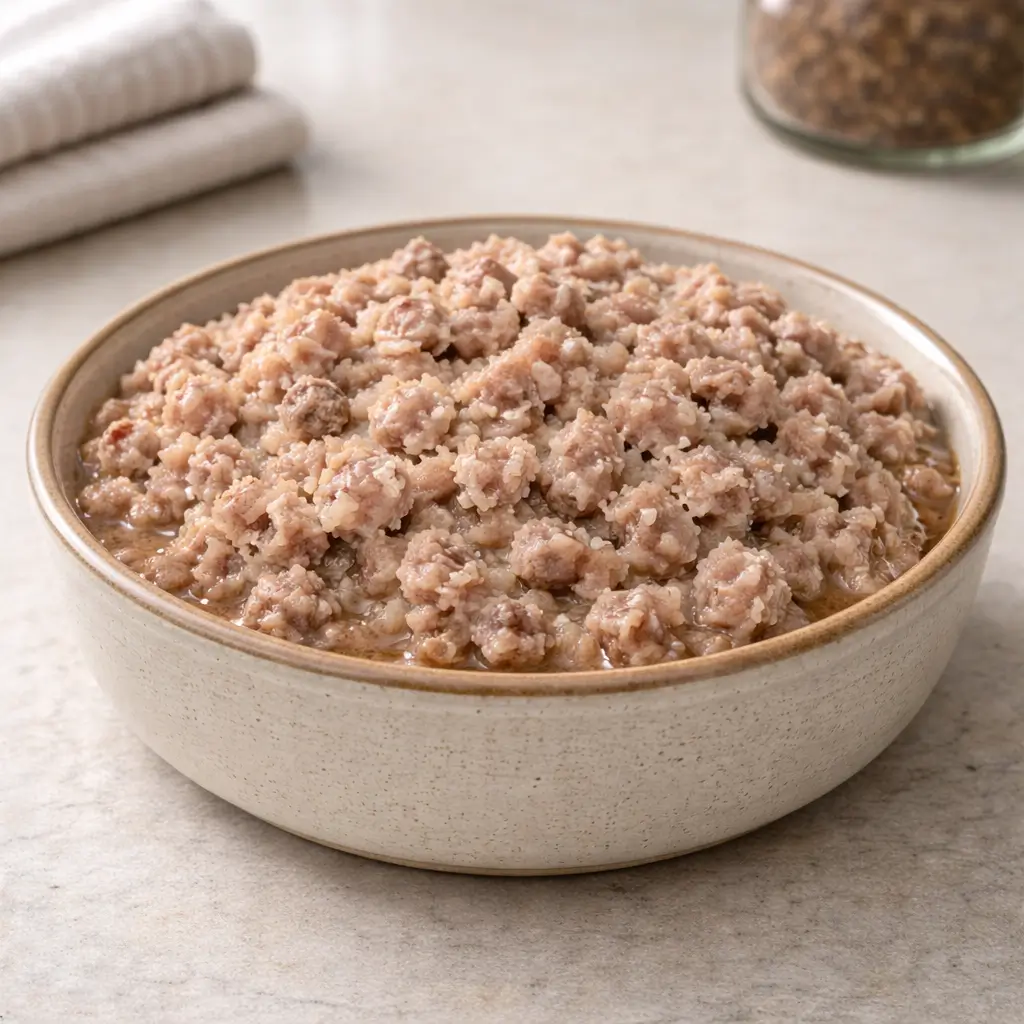
Nutritional Focus: Lean protein option with naturally occurring taurine from hearts; suitable for cats requiring moderate fat intake while maintaining high protein levels.
Ingredients
- 400 g (14 ounces) ground turkey (dark meat preferred for higher fat content)
- 115 g (4 ounces) turkey hearts (or chicken hearts if unavailable)
- 30 g (1 ounce) turkey liver
- 240 ml (1 cup) water
- 2,000 mg calcium carbonate
- 400 mg taurine powder (slightly reduced due to heart content)
- 100 IU Vitamin E
- 50 mg Vitamin B complex
- 1.5 teaspoons fish oil (increased for leaner meat)
- 1/8 teaspoon iodized salt (or Kelp powder)
Preparation Steps
Step 1: Follow standard food safety practices for poultry, which carries higher contamination risk than other meats. Keep raw turkey below 4°C (40°F) until cooking.
Step 2: In a large skillet, cook ground turkey over medium heat until completely cooked through, reaching an internal temperature of 74°C (165°F).
Step 3: Simultaneously simmer turkey hearts and liver in water in a separate pot for 10-12 minutes until fully cooked.
Step 4: Combine all cooked components including cooking liquid in a food processor.
Step 5: Process to desired consistency. Turkey tends to be drier than chicken or beef, so ensure adequate liquid is included.
Step 6: Cool to room temperature, then add all supplements and mix thoroughly.
Step 7: Taste-test temperature before serving (touch the back of your hand to a small amount). Cats prefer food at approximately body temperature—around 38°C (100°F).
Step 8: Store appropriately, yielding approximately 700 g (24.5 ounces) of complete food.
Recipe 4: Novel Protein Rabbit Recipe
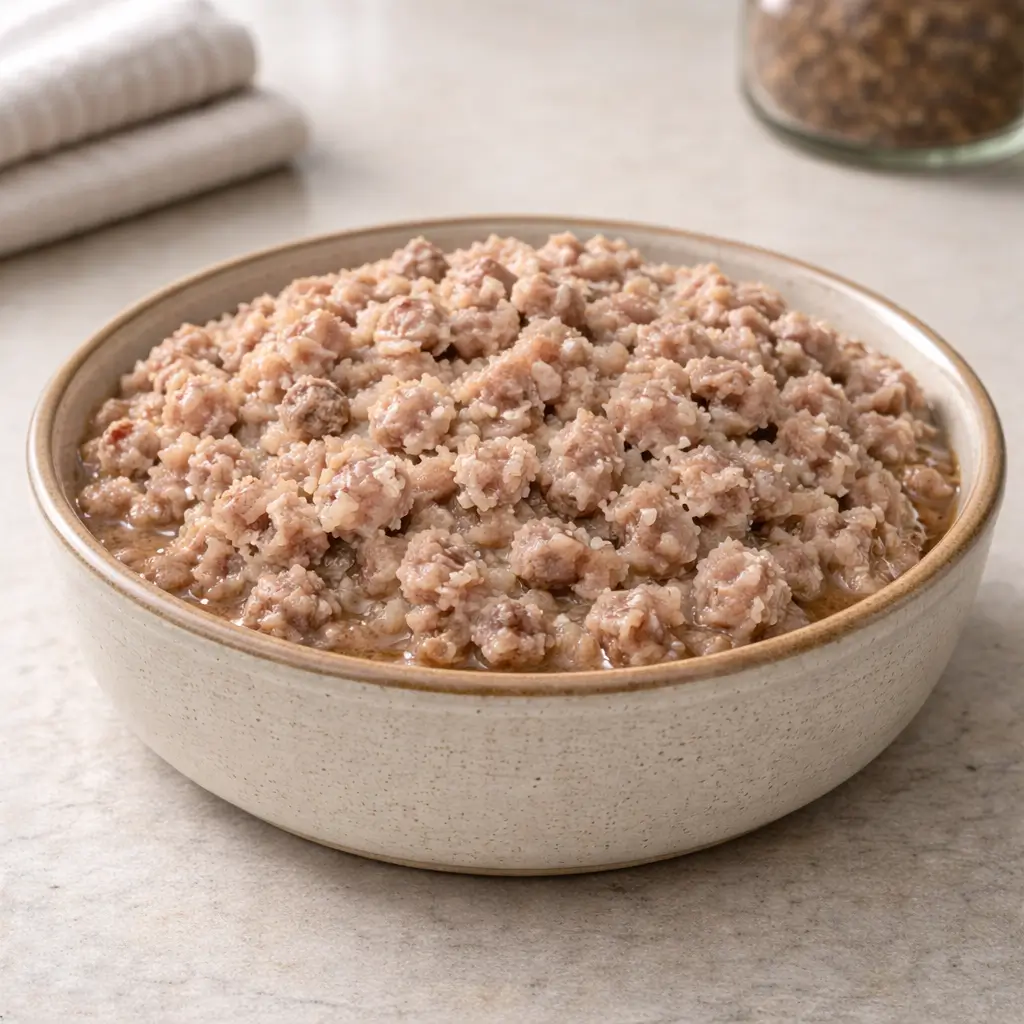
Nutritional Focus: Hypoallergenic novel protein ideal for cats with suspected food sensitivities to common proteins; highly digestible with excellent amino acid profile.
Ingredients
- 450 g (1 pound) boneless rabbit meat
- 30 g (1 ounce) rabbit liver (or chicken liver if rabbit liver unavailable)
- 15 g (0.5 ounce) rabbit kidney (optional; substitute chicken heart if unavailable)
- 240 ml (1 cup) water
- 2,200 mg calcium carbonate (rabbit is lower in natural calcium)
- 500 mg taurine powder
- 100 IU Vitamin E
- 50 mg Vitamin B complex
- 1.5 teaspoons fish oil
- 1/8 teaspoon iodized salt (or Kelp powder)
Preparation Steps
Step 1: Source rabbit from reputable suppliers. Rabbit can sometimes be found at specialty butchers, farmers markets, or ordered online from farms specializing in rabbit meat.
Step 2: Rabbit meat is lean, so don’t trim any remaining fat. Your cat needs the fat content for energy and nutrient absorption.
Step 3: Cut rabbit meat into small pieces and simmer in water for 20-25 minutes until thoroughly cooked and tender.
Step 4: Add liver and kidney during the final 5-8 minutes of cooking.
Step 5: Transfer all components and cooking liquid to food processor. Rabbit has a delicate texture that processes smoothly.
Step 6: Cool completely before adding supplements. Mix all supplements thoroughly into the processed food.
Step 7: This recipe is particularly valuable for elimination diet trials. If using for allergy testing, ensure no cross-contamination with other proteins occurs during preparation.
Step 8: Portion and store, yielding approximately 650 g (23 ounces) of finished food.
Recipe 5: Ocean Whitefish Dinner
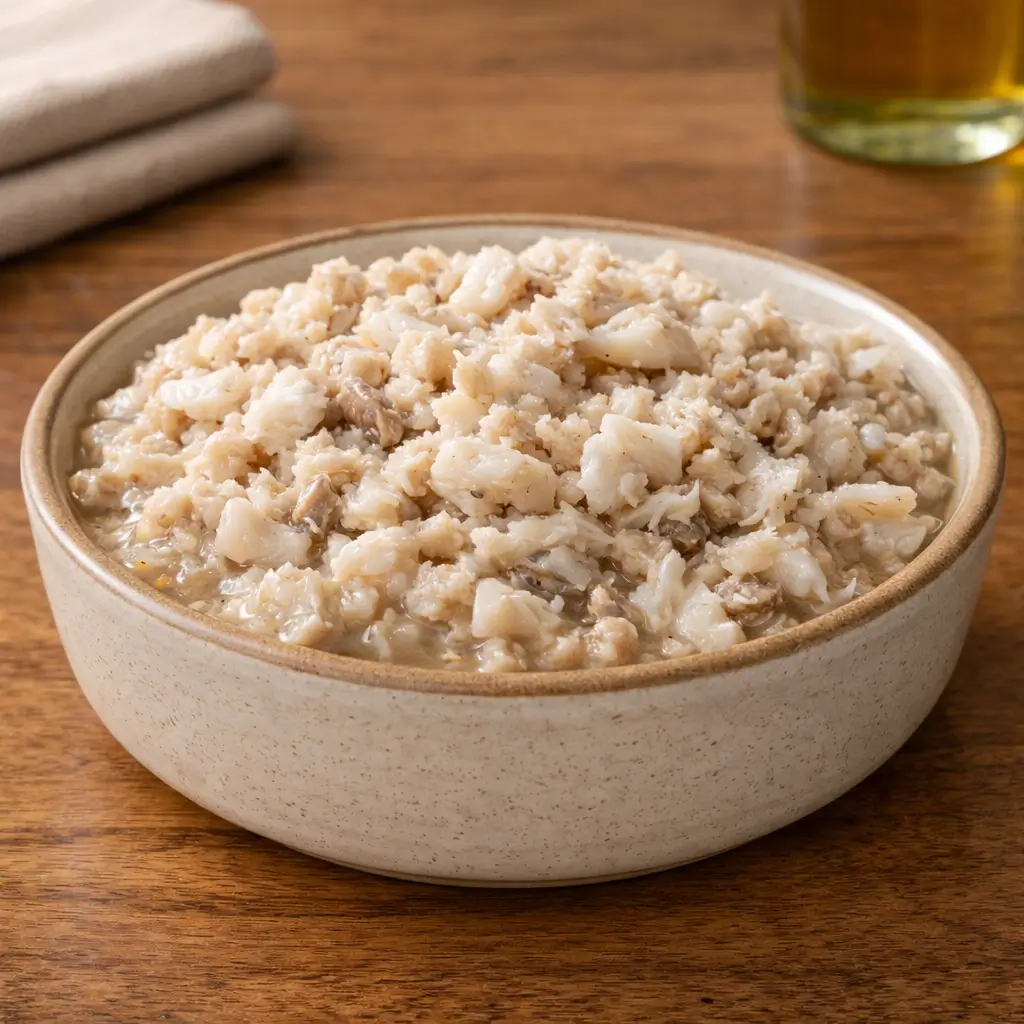
Nutritional Focus: Omega-3 rich formulation supporting skin and coat health; lower in saturated fat with anti-inflammatory benefits from marine-sourced fatty acids.
Ingredients
- 400 g (14 ounces) boneless whitefish fillets (cod, pollock, or tilapia)
- 30 g (1 ounce) chicken liver (provides Vitamin A that fish lacks)
- 55 g (2 ounces) chicken hearts (additional taurine source)
- 180 ml (3/4 cup) water
- 2,000 mg calcium carbonate
- 500 mg taurine powder
- 200 IU Vitamin E (increased for fish-based diet to prevent steatitis, but kept within safe limits)
- 50 mg Vitamin B complex
- 1/2 teaspoon fish oil (reduced since fish provides natural omega-3s)
- 1/8 teaspoon iodized salt (or Kelp powder)
Preparation Steps
Step 1: Select high-quality, fresh whitefish. Avoid fish with strong odors, which indicates degradation. Frozen fish is acceptable if properly thawed in the refrigerator.
Step 2: Check fillets carefully for any remaining bones. Run your fingers along the flesh and use tweezers to remove any pin bones you detect.
Step 3: Poach fish fillets gently in water over low heat. Fish cooks quickly—approximately 8-10 minutes depending on thickness. Flesh should be opaque and flake easily.
Step 4: Cook chicken liver and hearts separately in a small amount of water until done.
Step 5: Combine all components in food processor. Fish creates a naturally smooth texture.
Step 6: The increased Vitamin E in this recipe is essential. Fish-based diets can cause a condition called steatitis (yellow fat disease) if Vitamin E is insufficient. Never skip this supplement when feeding fish regularly.
Step 7: Cool, add supplements, and mix thoroughly.
Step 8: Fish-based food is highly perishable. Use refrigerated portions within 2 days and freeze the remainder immediately. This yields approximately 600 g (21 ounces) of finished food.
Storage and Serving Guidelines for DIY Cat Food
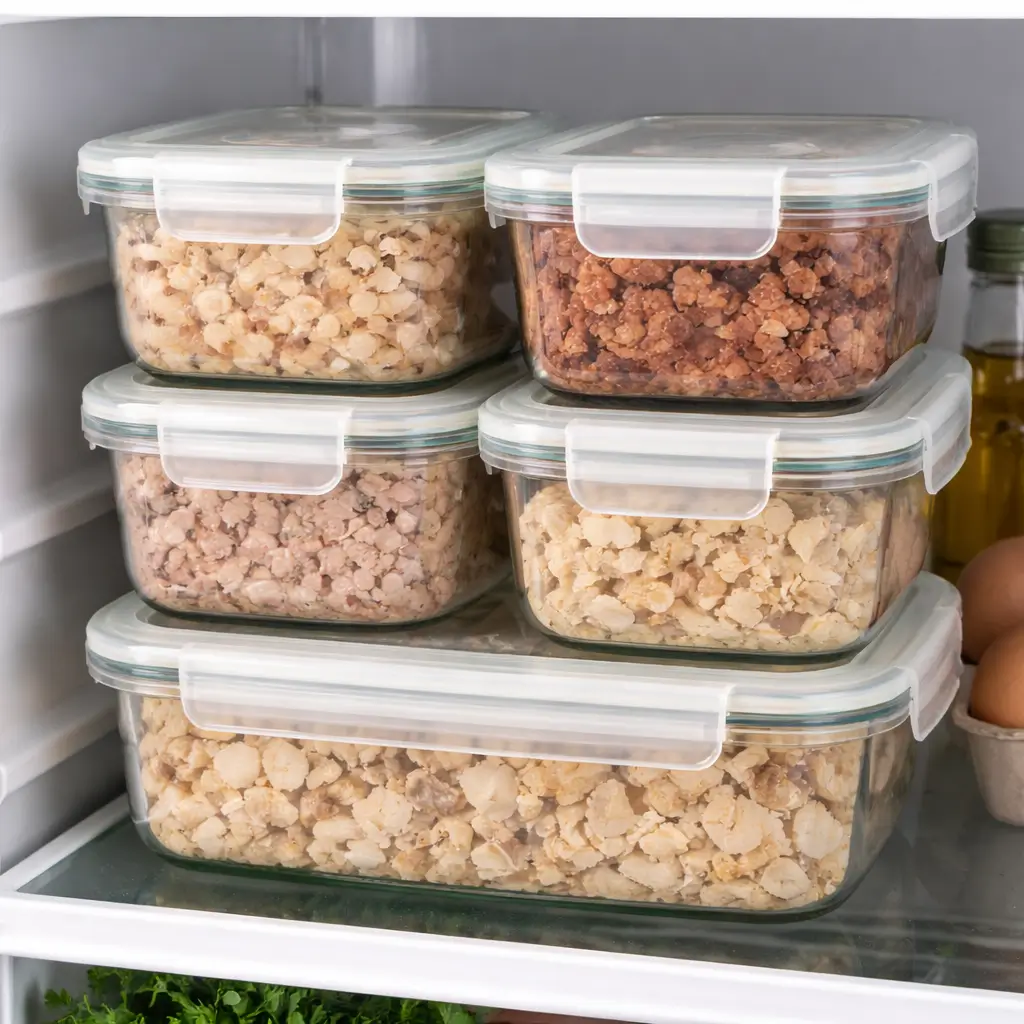
Proper storage ensures both safety and nutritional integrity of your homemade creations.
Refrigeration
Store portions you’ll use within 2-3 days in airtight containers in the refrigerator at 4°C (40°F) or below.
Freezing
Freeze remaining portions immediately after preparation. Use freezer-safe containers or silicone molds for easy portioning. Properly frozen homemade cat food maintains quality for up to 3 months.
Thawing
Always thaw frozen portions in the refrigerator, never at room temperature. Microwave thawing can create hot spots and degrade nutrients.
Serving Temperature
Cats prefer food at body temperature. Warm refrigerated food by placing the container in warm water for a few minutes before serving.
Transitioning Your Cat to Homemade Wet Cat Food Recipes
Abrupt dietary changes can cause digestive upset. I recommend a gradual transition over 7-10 days.
During days one through three, mix approximately 25% homemade food with 75% current food. From days four through six, increase to 50% homemade food. During days seven through nine, shift to 75% homemade food. By day ten, you can offer 100% homemade food if your cat has tolerated the transition well.
Watch for signs of digestive upset including vomiting, diarrhea, or decreased appetite. If these occur, slow the transition or consult your veterinarian.
When Homemade Diets May Not Be Appropriate
I believe in honesty, even when it complicates the narrative. Homemade diets aren’t suitable for every cat or every owner.
Kittens and pregnant or nursing cats have significantly different nutritional requirements than adult cats at maintenance. I strongly advise against homemade diets for these life stages unless formulated by a board-certified veterinary nutritionist.
Cats with chronic diseases often require precise nutritional management. Kidney disease, diabetes, hyperthyroidism, and other conditions demand carefully calculated diets that are difficult to achieve at home without professional guidance.
Owners who cannot commit to consistency should reconsider. Homemade feeding requires reliable sourcing, careful preparation, and exact supplementation every time. Inconsistency can lead to nutritional imbalances over time.
Working With Your Veterinarian
Throughout this article, I’ve emphasized veterinary consultation, and I want to reinforce this point. Your veterinarian knows your cat’s specific health status, weight, and any underlying conditions that might affect dietary needs.
Before starting a homemade diet, schedule a wellness examination. Discuss your intentions and ask for guidance on portion sizes appropriate for your cat’s caloric needs. Consider requesting a referral to a board-certified veterinary nutritionist for complex cases.
After transitioning to homemade food, schedule follow-up appointments to monitor your cat’s weight, body condition, and overall health. Blood work can detect nutritional deficiencies before clinical signs appear.
Conclusion: Nourishing Your Cat With Love and Science
Preparing fresh wet cat food at home on a daily basis requires considerable dedication—yet for countless cat enthusiasts, this effort serves as an expression of affection that deepens the connection with their beloved cats. The five balanced recipes I’ve shared provide variety through different protein sources while maintaining complete nutrition through careful supplementation.
Remember that meat alone is never enough. Taurine, calcium, vitamins, and other supplements transform simple cooked meat into nutritious cat dinners that can sustain your cat’s health long-term. Without these additions, even the highest-quality ingredients become an incomplete and potentially dangerous diet.
I encourage you to approach homemade feeding as a partnership between your dedication and professional veterinary guidance. When done correctly, DIY cat food with supplements offers transparency, freshness, and customization that many cat owners find deeply satisfying.
Your cat depends on you for every meal. By educating yourself about feline nutritional requirements and following carefully formulated recipes, you’re providing something truly special—nourishment prepared with knowledge, care, and love.
This article is intended for educational purposes. Always consult with a qualified veterinarian before making significant changes to your cat’s diet, especially if your cat has existing health conditions or special nutritional needs.