
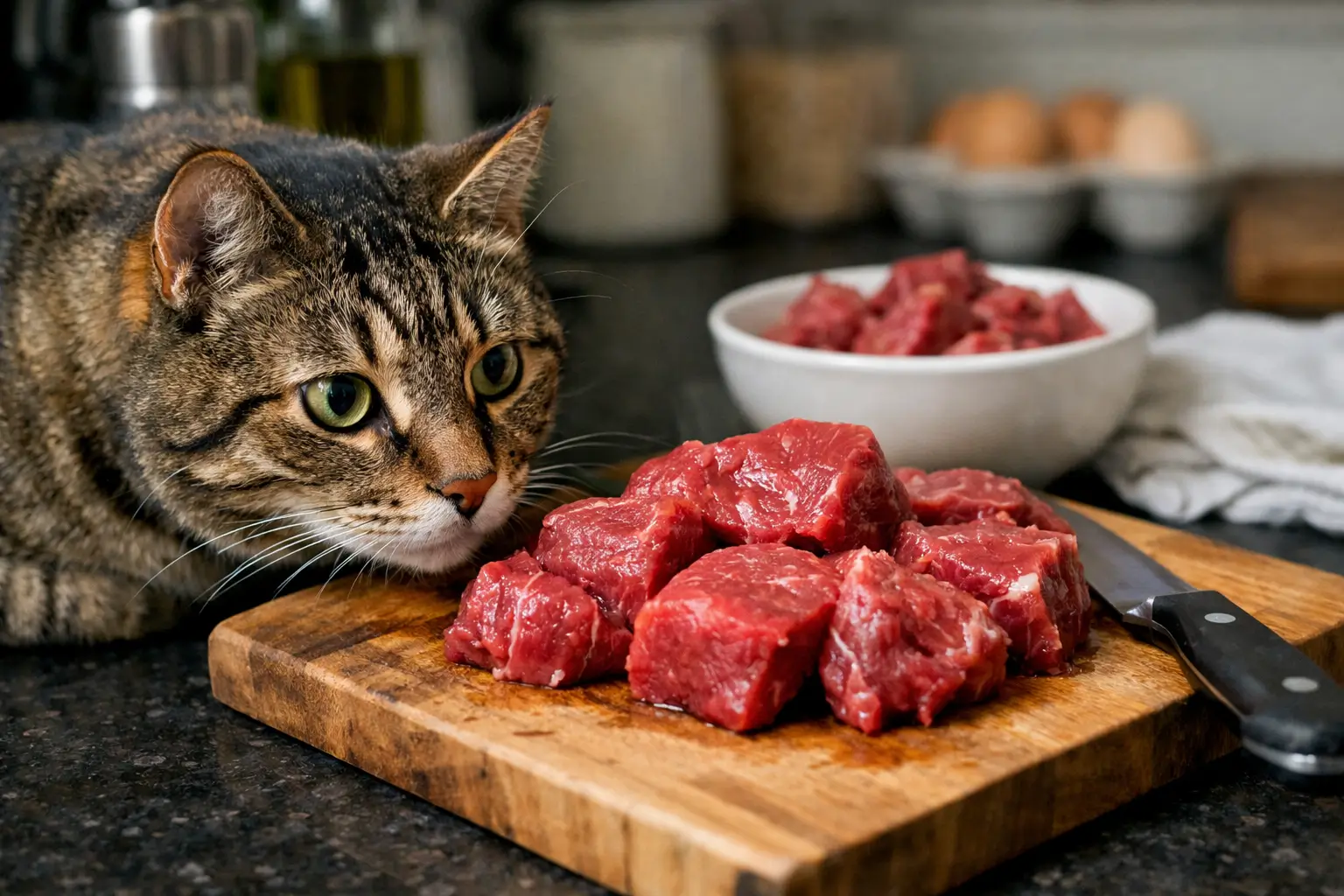
Can Cats Eat Raw Beef? A Comprehensive Safety Guide

Every cat owner has witnessed that primal moment: your feline companion’s eyes lock onto a piece of raw beef on your kitchen counter, their pupils dilating with unmistakable hunger. It’s a scene that raises an important question for those of us who want the best for our cats. Can cats eat raw beef safely, or does this ancestral instinct lead us down a dangerous path?
Table of Contents
I’ve spent years researching feline nutrition and consulting with veterinary professionals, and I understand the appeal of raw feeding. The logic seems sound—wild cats consume raw prey, so surely our domestic companions should thrive on uncooked meat. However, the reality is far more nuanced than this simple reasoning suggests. While cats are indeed obligate carnivores with digestive systems designed for meat consumption, modern food production and our home environments create risks that wild cats never encountered.
In this comprehensive guide, I’ll walk you through everything you need to know about feeding raw beef to your cat. We’ll examine the genuine nutritional benefits, confront the very real risks head-on, and provide practical guidance for those who choose to incorporate beef into their cat’s diet—whether raw or gently cooked. My goal isn’t to make this decision for you, but to ensure you’re fully informed before placing that first piece of raw beef in your cat’s bowl.
Can Cats Eat Raw Beef Safely?
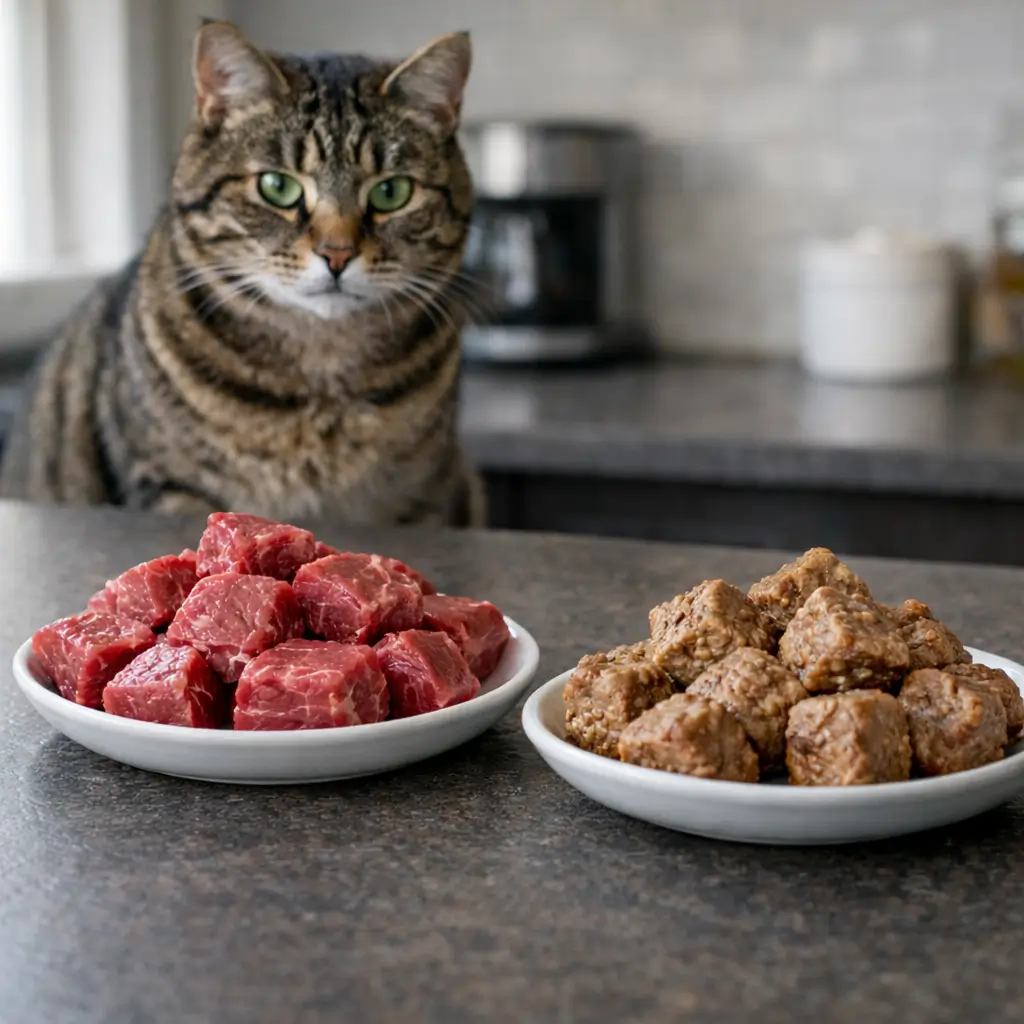
Yes, cats can eat raw beef, but it carries significant risks of bacterial contamination from pathogens like Salmonella and E. coli. While raw beef provides excellent protein and taurine, major veterinary organizations including the AVMA advise against raw feeding due to health hazards for both cats and their human families. If you choose to feed raw beef, strict safety protocols are essential.
The question of whether cats can eat raw beef doesn’t have a simple yes or no answer. It requires us to balance biological reality against practical safety concerns. Let me break this down for you.
Cats are obligate carnivores, meaning their bodies are evolutionarily designed to derive nutrition primarily from animal tissue. Unlike omnivores such as dogs or humans, cats have specific metabolic requirements that can only be met through animal-based proteins. Their digestive tracts are shorter and more acidic than ours, theoretically providing some protection against foodborne pathogens. Their teeth are designed for tearing meat, not grinding plant matter. From a purely biological standpoint, raw meat aligns with what nature intended for felines.
However, and this is crucial, the American Veterinary Medical Association, the American Animal Hospital Association, and regulatory bodies like AAFCO and FEDIAF have all expressed concerns about raw meat diets for pets. Their position isn’t based on nutritional inadequacy but on documented risks of bacterial contamination that can harm both pets and the humans who handle their food.
Understanding the Nutritional Benefits of Beef for Cats
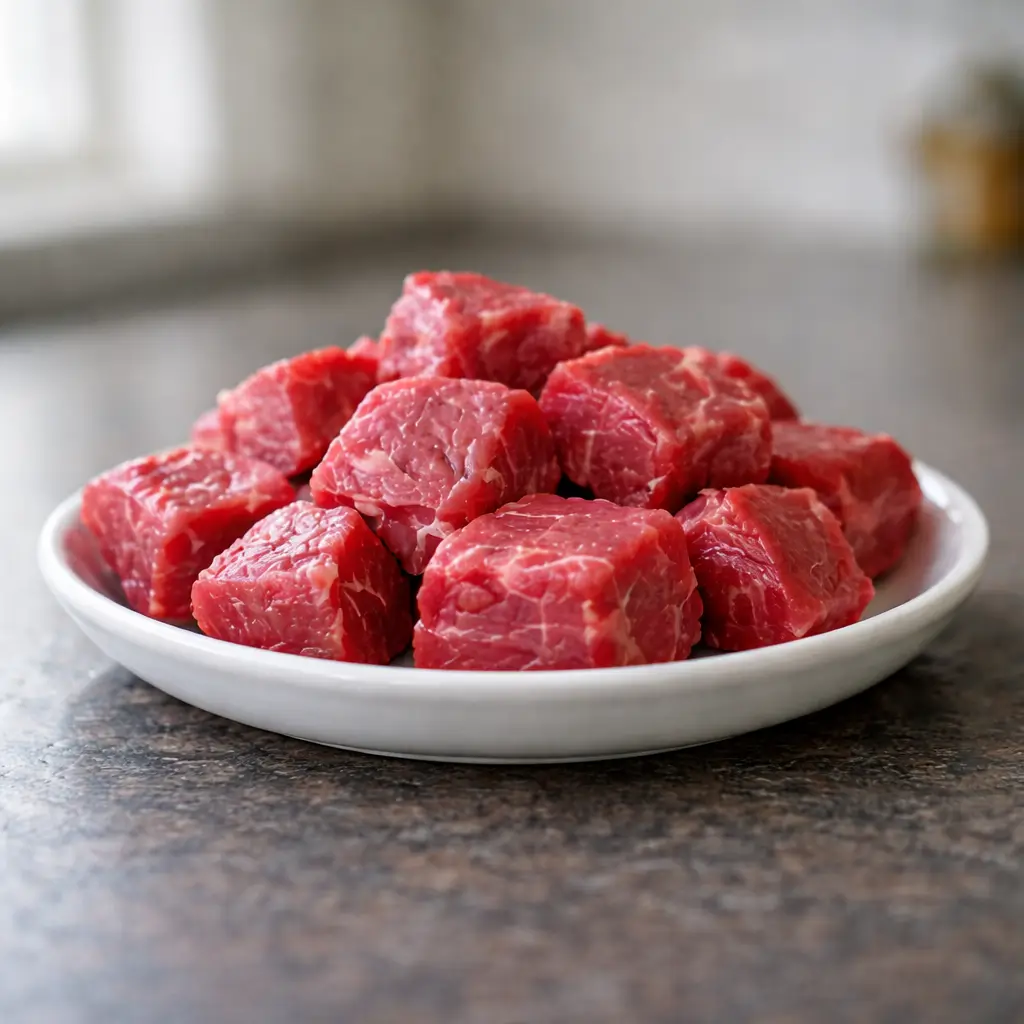
Before we delve into the risks, it’s important to acknowledge why beef appeals to cat owners concerned about optimal nutrition. Understanding these benefits helps us make informed decisions about incorporating beef into our cats’ diets, whether raw or cooked.
High-Quality Protein and Amino Acids
Beef provides exceptional protein quality for cats. The protein in beef contains all the essential amino acids cats require, including the ones they cannot synthesize themselves. This bioavailable protein supports muscle maintenance, immune function, tissue repair, and virtually every metabolic process in your cat’s body.
Taurine: The Critical Nutrient in Raw Beef
Perhaps the most significant nutritional benefit of raw beef for cats is its taurine content. Taurine is an amino acid that cats cannot produce in sufficient quantities themselves, making it an essential dietary component. Taurine deficiency can lead to devastating health consequences, including dilated cardiomyopathy, reproductive failure, and retinal degeneration that can cause blindness.
Raw beef, particularly organ meats like beef heart, contains substantial amounts of naturally occurring taurine. Cooking reduces taurine content to some degree, which is one reason raw feeding advocates prefer uncooked options. However, I want to be clear: high-quality commercial cat foods are supplemented with adequate taurine, so deficiency is primarily a concern when feeding homemade diets without proper formulation.
Additional Nutrients in Beef
Beyond protein and taurine, beef provides your cat with B vitamins (particularly B12), iron, zinc, and selenium. These micronutrients support everything from red blood cell production to coat health. Beef also contains arachidonic acid, a fatty acid that cats require but cannot synthesize from plant-based precursors.
Raw Diet Risks for Cats: What Every Owner Must Know
Now we arrive at the section that demands your closest attention. While the nutritional profile of raw beef is genuinely impressive, the risks associated with raw feeding are equally significant and cannot be dismissed or minimized.
Bacterial Contamination: Salmonella and E. coli
The most immediate and well-documented risk of feeding raw beef involves bacterial pathogens. Salmonella and pathogenic strains of E. coli are commonly found on raw meat products, even those labeled as high-quality or human-grade. These bacteria can cause serious illness in cats, with symptoms including vomiting, diarrhea, fever, lethargy, and in severe cases, sepsis.
What concerns veterinary professionals even more is the public health aspect. Cats who consume contaminated raw meat often become asymptomatic carriers, shedding bacteria in their feces for weeks. This creates exposure risks for everyone in your household, particularly children, elderly individuals, pregnant women, and immunocompromised persons. The Centers for Disease Control and Prevention has documented numerous outbreaks of human illness linked to pet raw diets.
I want to emphasize that cats can appear perfectly healthy while harboring and spreading these dangerous bacteria. The absence of visible illness in your cat does not indicate the absence of risk.
Parasitic Infections: Toxoplasmosis and Beyond
Raw beef can harbor parasites, with Toxoplasma gondii being of particular concern. Toxoplasmosis can cause significant illness in cats and poses severe risks to pregnant women and immunocompromised individuals. While freezing can reduce some parasitic risks, it doesn’t eliminate them entirely, and it does nothing to address bacterial contamination.
Other parasites that may be present in raw beef include various species of tapeworms and roundworms. While less common in commercially processed beef than in wild game, the risk is not zero.
Pancreatitis from Fatty Cuts
Not all beef cuts are created equal when it comes to feline health. Fatty cuts of beef, including marbled steaks and ground beef with high fat percentages, can trigger pancreatitis in cats. This painful and potentially life-threatening inflammation of the pancreas causes severe vomiting, abdominal pain, and lethargy. Cats with a history of pancreatitis or those prone to digestive issues are at elevated risk.
When selecting beef for your cat, lean cuts are essential. I recommend choosing beef that is at least ninety percent lean if you’re using ground beef, or selecting cuts like eye of round that have minimal visible fat.
The Hidden Danger of Cooked Bones
While we’re discussing beef safety, I must address a related issue: bones. Some raw feeding proponents advocate for raw meaty bones as part of a complete diet. While raw bones are softer and less likely to splinter than their cooked counterparts, beef bones specifically pose risks due to their hardness and density. Beef bones can fracture teeth and cause intestinal blockages.
Cooked bones of any kind should never be fed to cats. The cooking process changes the bone structure, making them brittle and prone to splintering into sharp fragments that can perforate the digestive tract. This warning extends to smoked, dehydrated, and otherwise heat-processed bones.
Special Considerations: Kidney Disease and High Protein
For cats with chronic kidney disease, the high protein content in beef requires careful consideration. While the old recommendation to severely restrict protein in CKD cats has been revised, cats with advanced kidney disease may still need modified protein intake. If your cat has been diagnosed with kidney issues, please consult your veterinarian before adding beef—raw or cooked—to their diet. The phosphorus content in beef is another concern for CKD cats that requires professional guidance.
The Raw Feeding Debate: Biology Versus Veterinary Consensus
I believe you deserve a fair presentation of both perspectives in this ongoing debate, so you can form your own informed opinion.
Raw feeding advocates argue that cats evolved eating raw prey, complete with uncooked muscle, organs, bones, and stomach contents. They point to the cat’s digestive system—short and highly acidic—as evidence of adaptation to raw meat consumption. Proponents often report anecdotal improvements in coat quality, energy levels, dental health, and stool consistency when switching to raw diets. They emphasize that commercial pet foods contain processed ingredients, byproducts, and additives that weren’t part of the ancestral feline diet.
The veterinary establishment, represented by organizations like the AVMA, acknowledges the appeal of biologically appropriate feeding but emphasizes that our domestic cats’ environment differs dramatically from that of wild felines. Commercial meat production introduces contamination risks that wild prey doesn’t carry. Our homes, where immunocompromised humans may live, aren’t suited for the same feeding practices as wilderness environments. Additionally, veterinary professionals have documented cases of nutritional deficiencies and foodborne illness resulting from improperly formulated raw diets.
My perspective is that both sides make valid points. Raw feeding isn’t inherently wrong, but it requires meticulous attention to safety and nutritional completeness that many cat owners underestimate. If you choose this path, do so with full awareness of the responsibilities involved.
Safe Raw Feeding Guidelines: Minimizing Risk
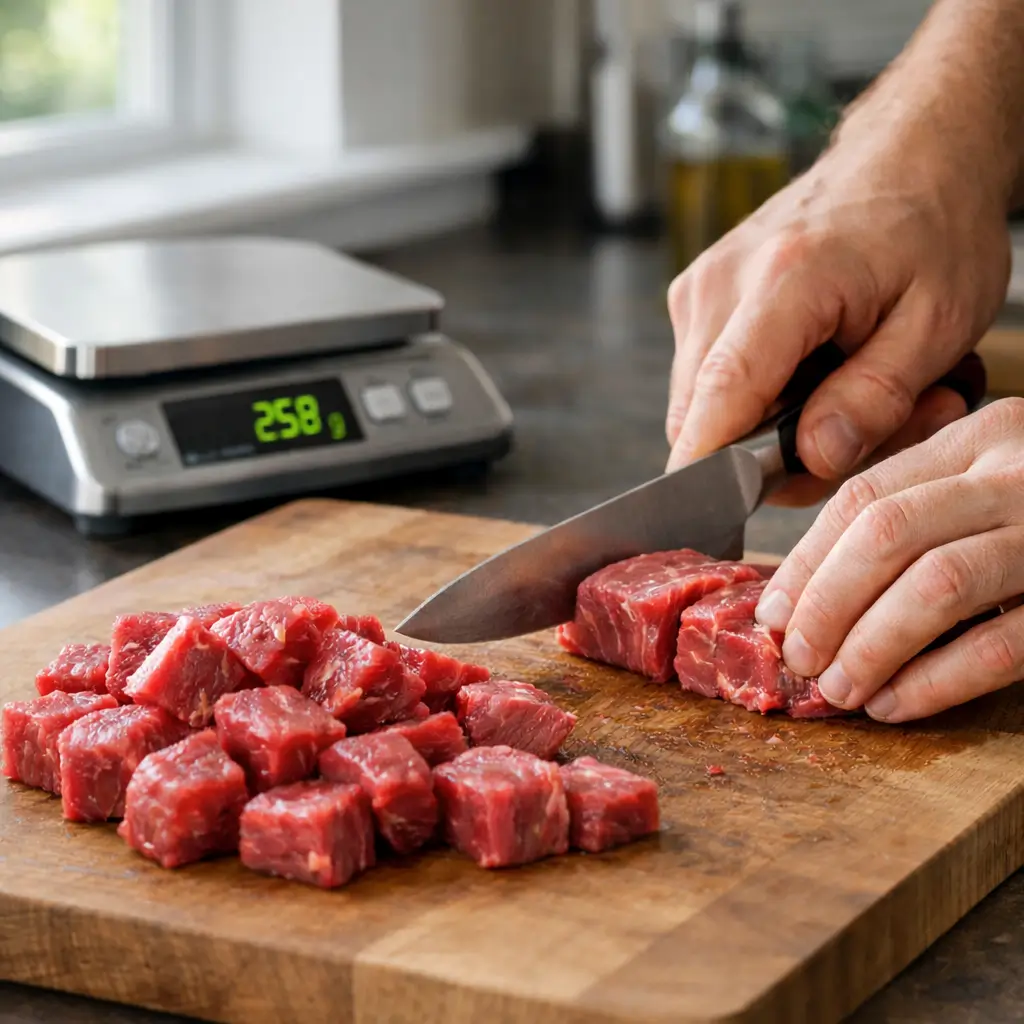
For those who, after weighing all the information, decide to feed raw beef to their cats, following strict protocols can reduce—though not eliminate—the associated risks. I want to provide practical guidance rather than simply saying “don’t do it,” because I know some of you will proceed regardless.
The “Safer” Raw Method: Beef as a Treat or Topper
This approach treats raw beef as an occasional supplement to a complete commercial diet, not as a dietary foundation. By limiting raw beef to small amounts, you reduce cumulative exposure risk while still offering your cat the sensory and nutritional benefits they crave.
When selecting beef, choose human-grade, high-quality lean cuts from a reputable source. Eye of round, sirloin tip, or lean ground beef with ninety percent or higher lean content are appropriate choices. Avoid meat labeled for pet consumption only, as it may have been handled with less stringent safety standards.
Freezing is an essential step that helps reduce parasitic risk. Place the beef in your freezer at minus four degrees Fahrenheit or colder for a minimum of three days before serving. This won’t eliminate bacteria, but it can kill many parasites. Once you’re ready to serve, thaw the meat in your refrigerator—never at room temperature—and use it within twenty-four hours.
Portion size matters significantly. For an average adult cat, a tablespoon-sized portion of raw beef two to three times per week is sufficient as a treat. Cut the beef into small, manageable pieces appropriate for your cat’s size, and always supervise feeding to ensure proper chewing and swallowing.
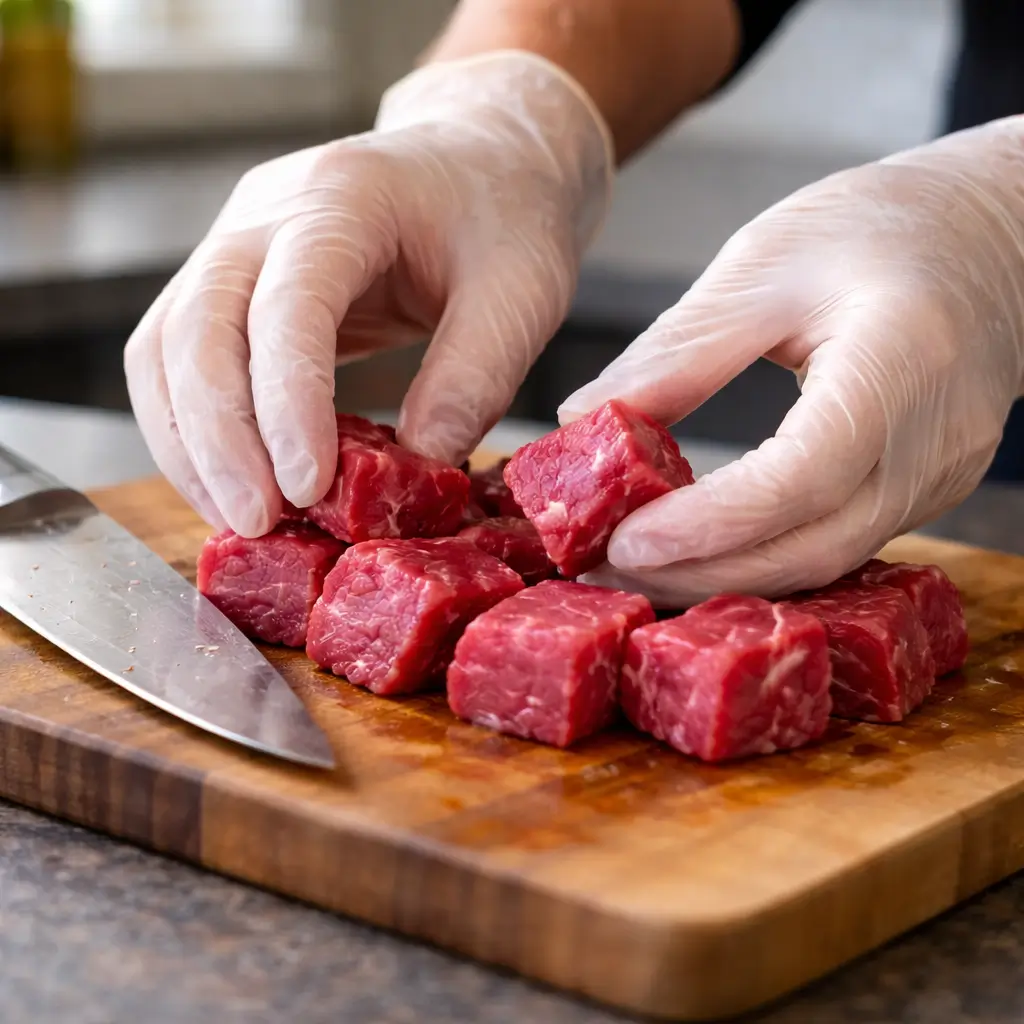
Hygiene protocols are non-negotiable when handling raw meat. Wash your hands thoroughly with soap and hot water for at least twenty seconds before and after handling. Use dedicated cutting boards and utensils that are cleaned with hot soapy water immediately after use. Clean and disinfect any surfaces the raw meat touched. Wash your cat’s food bowl with hot soapy water after each raw feeding, and never allow raw meat to sit at room temperature for more than thirty minutes.
The Gentle Cooked Alternative: For Cautious Cat Owners
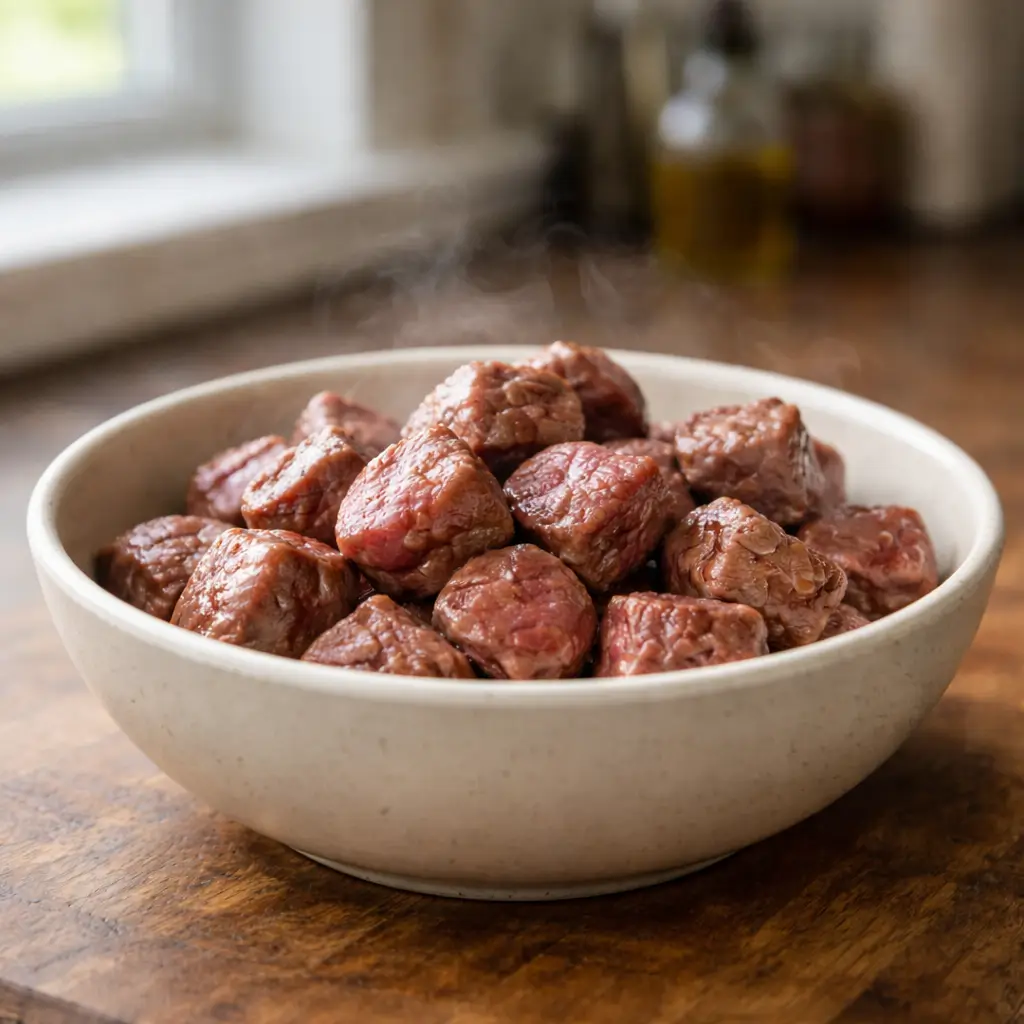
If the bacterial risks of raw feeding concern you—and they should be taken seriously—lightly cooking beef provides a middle ground that preserves much of the nutritional value while significantly reducing pathogen loads.
For a simple lightly seared beef preparation, begin with the same high-quality lean beef you would use for raw feeding. Cut the meat into small cubes roughly half an inch in size. Heat a non-stick pan over medium-high heat with no added oil or butter, as cats don’t need added fats and these can cause digestive upset. Sear the beef cubes for approximately thirty seconds per side. You want the exterior to reach temperatures high enough to kill surface bacteria while keeping the interior relatively rare to preserve heat-sensitive nutrients like taurine.
Alternatively, you can poach beef by bringing water to a gentle simmer—not a rolling boil—and cooking small beef pieces for two to three minutes. This method is gentler on nutrients than high-heat searing while still achieving pathogen reduction.
Allow the cooked beef to cool completely to room temperature before serving. Never add salt, garlic, onion, or any seasonings, as many common seasonings are toxic to cats or cause digestive upset. Cooked beef portions can be refrigerated for up to three days or frozen for longer storage.
The gentle cooking approach retains the high-quality protein and most vitamins and minerals while providing meaningful protection against Salmonella, E. coli, and other surface contaminants. Some taurine loss occurs with cooking, but if you’re feeding beef as a supplement to a complete commercial diet, this reduction is inconsequential.
Critical Disclaimer: Treats Versus Complete Diets
I must emphasize that both methods described above are intended for supplemental feeding only—treats, meal toppers, or occasional variety. A piece of muscle meat, whether raw or cooked, is not a nutritionally complete meal for your cat.
If you’re interested in feeding a complete raw diet where beef forms the foundation of your cat’s nutrition, you take on significant additional responsibilities. A complete raw diet must include muscle meat, organ meats in specific proportions (particularly liver for vitamin A and heart for taurine), a calcium source (typically ground bone or calcium supplements), and often additional supplementation with vitamin E, fish oil, and other nutrients.
Formulating a complete raw diet should never be done by guesswork. Nutritional imbalances can develop over months and cause serious health consequences by the time they become apparent. If you’re committed to complete raw feeding, work with a board-certified veterinary nutritionist who can formulate a balanced recipe specific to your cat’s needs, and commit to regular veterinary monitoring.
Beef Heart for Cats: A Special Consideration
Beef heart deserves particular mention because it occupies a unique position in feline nutrition. Technically classified as muscle meat rather than organ meat, beef heart is one of the richest natural sources of taurine available. For cats, this makes it an exceptionally valuable food.
If you’re going to feed beef to your cat and want to maximize nutritional benefit, incorporating small amounts of beef heart makes excellent sense. The same preparation guidelines apply—freeze for parasite reduction if feeding raw, or lightly cook for cautious owners. Because heart is a working muscle, it tends to be leaner than many beef cuts, reducing the risk of digestive upset from excess fat.
Beef heart can be fed once or twice weekly as a rotation with regular muscle meat. Some owners find that cats particularly enjoy the firmer texture of heart meat compared to softer cuts. As with all supplemental feeding, moderation is key—heart should complement, not replace, a complete commercial diet.
When to Avoid Raw Beef Entirely
Certain situations call for avoiding raw beef altogether, regardless of how carefully you follow safety protocols.
Kittens under one year of age have developing immune systems that are more vulnerable to foodborne pathogens. Their nutritional needs are also different from adults, requiring carefully formulated kitten food to support growth. Wait until your cat reaches adulthood before introducing raw foods.
Senior cats, particularly those over twelve years of age, often have declining immune function that makes them more susceptible to infection. Many senior cats also have developing kidney issues that require protein management. Consult your veterinarian before feeding raw beef to an older cat.
Cats with compromised immune systems from conditions like feline leukemia virus, feline immunodeficiency virus, or those receiving immunosuppressive medications should not eat raw meat. Their bodies cannot mount the same defense against bacteria that healthy cats might.
Pregnant or nursing cats have different nutritional requirements and increased susceptibility to certain pathogens. The risks outweigh potential benefits during these life stages.
Households with vulnerable humans should also exercise extreme caution. If you live with infants, elderly individuals, pregnant women, or anyone with a compromised immune system, the risks of raw pet food extend beyond your cat to your family members.
Making Your Decision: A Balanced Approach
After reviewing all this information, you may still be wondering what approach is right for your cat. Let me offer some closing thoughts to help guide your decision.
If your cat is healthy and thriving on a high-quality commercial diet, there’s no nutritional imperative to add raw beef. The risks, however small, exist without corresponding necessity. Some owners choose to offer occasionally cooked beef as a treat or topper for variety, and this approach carries minimal risk when proper food safety is observed.
If you’re drawn to raw feeding philosophy but concerned about safety, the occasional raw beef treat—following strict freezing and hygiene protocols—represents a compromise that provides some benefits while limiting exposure. This approach, using raw beef as a supplement rather than a dietary foundation, is how many veterinarians would suggest navigating the middle ground.
If you’re committed to complete raw feeding, please work with a veterinary nutritionist, invest in proper food safety education, and maintain regular veterinary monitoring. Accept that you’re taking on additional risks and responsibilities that require ongoing attention.
Whatever you decide, remember that your cat depends on you to make informed choices on their behalf. The fact that you’ve read this far suggests you take that responsibility seriously, and that’s exactly the kind of pet owner who makes good decisions.
Conclusion
Can cats eat raw beef? The answer is nuanced. Biologically, cats are equipped to consume raw meat. Nutritionally, beef offers excellent protein, essential amino acids, and valuable taurine. However, the practical realities of modern meat production mean that raw beef carries genuine risks of bacterial contamination that can harm both your cat and your family.
I’ve aimed to provide you with complete information rather than a simple directive. The decision to feed raw beef—or to avoid it—ultimately rests with you. What matters most is that your choice is informed, that you understand both the benefits and the risks, and that you implement appropriate safety measures whatever path you choose.
If you decide to incorporate beef into your cat’s diet, whether raw or gently cooked, do so thoughtfully. Choose high-quality lean cuts, follow proper preparation and hygiene protocols, and remember that muscle meat alone doesn’t constitute a complete diet. When in doubt, consult your veterinarian—they know your individual cat’s health status and can provide personalized guidance.
Your cat’s health and safety, along with that of your human family, should always come first. With careful attention and proper precautions, beef can be a valuable addition to your cat’s nutritional variety—but it’s a responsibility that demands respect for the very real risks involved.