
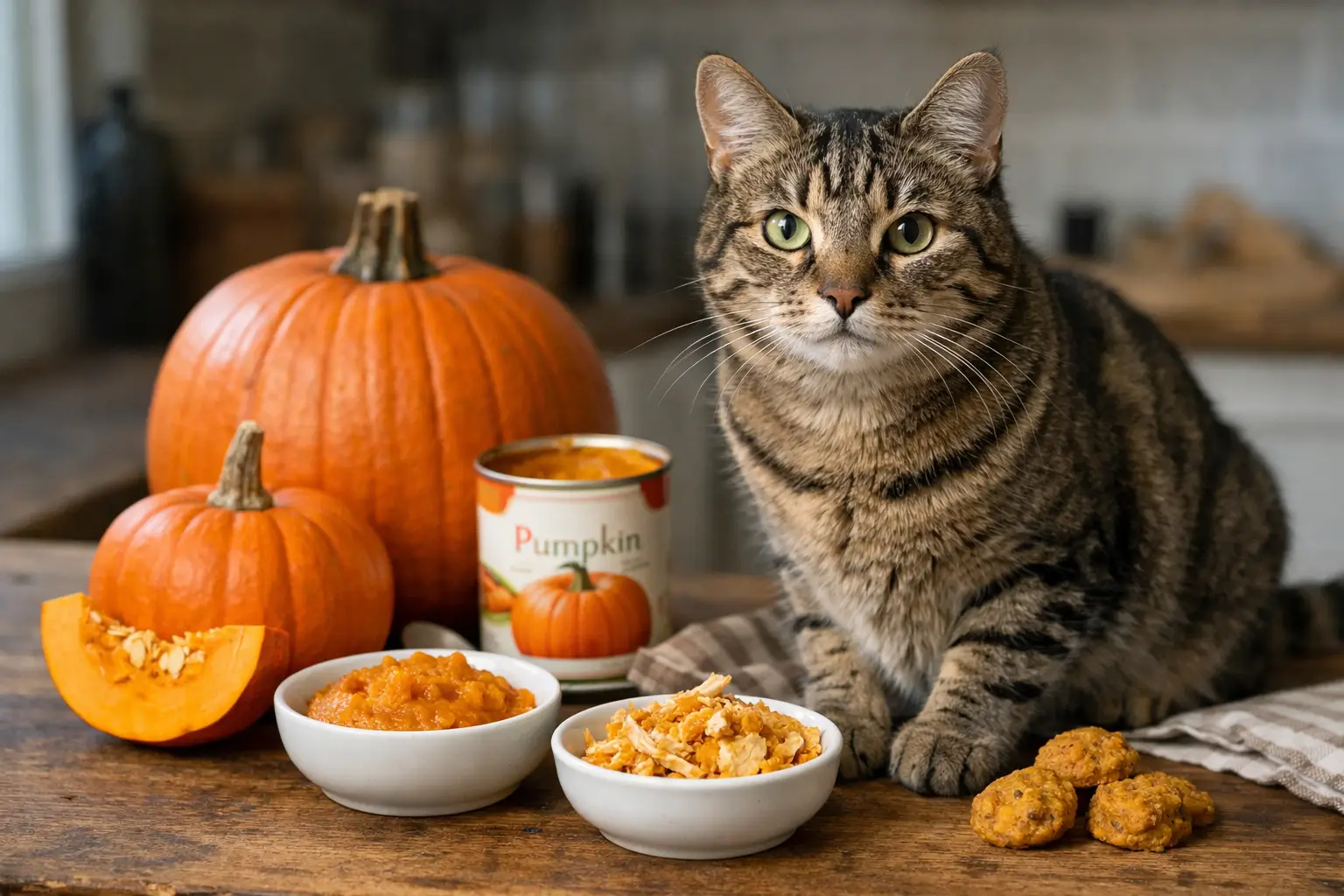
Can Cats Have Pumpkin? Benefits, Risks, and Tips

As a cat parent, I know how important it is to ensure everything our feline friends eat is safe and beneficial. When autumn rolls around and pumpkins fill our kitchens, it’s natural to wonder: can cats have pumpkin? The short answer is yes—plain, cooked pumpkin can be a wonderful addition to your cat’s diet when served correctly. In fact, many veterinarians recommend pumpkin as a natural remedy for digestive issues, making it a surprisingly valuable ingredient for our beloved companions.
Table of Contents
In this comprehensive guide, I’ll walk you through everything you need to know about feeding pumpkin to your cat. We’ll explore the nutritional benefits, discuss potential risks, and I’ll share some easy, vet-approved recipes you can make at home. Whether your cat is dealing with constipation, diarrhea, or you simply want to offer a healthy snack, this article will give you the knowledge and confidence to incorporate pumpkin safely into their routine.
What Is the Verdict on Can Cats Have Pumpkin?
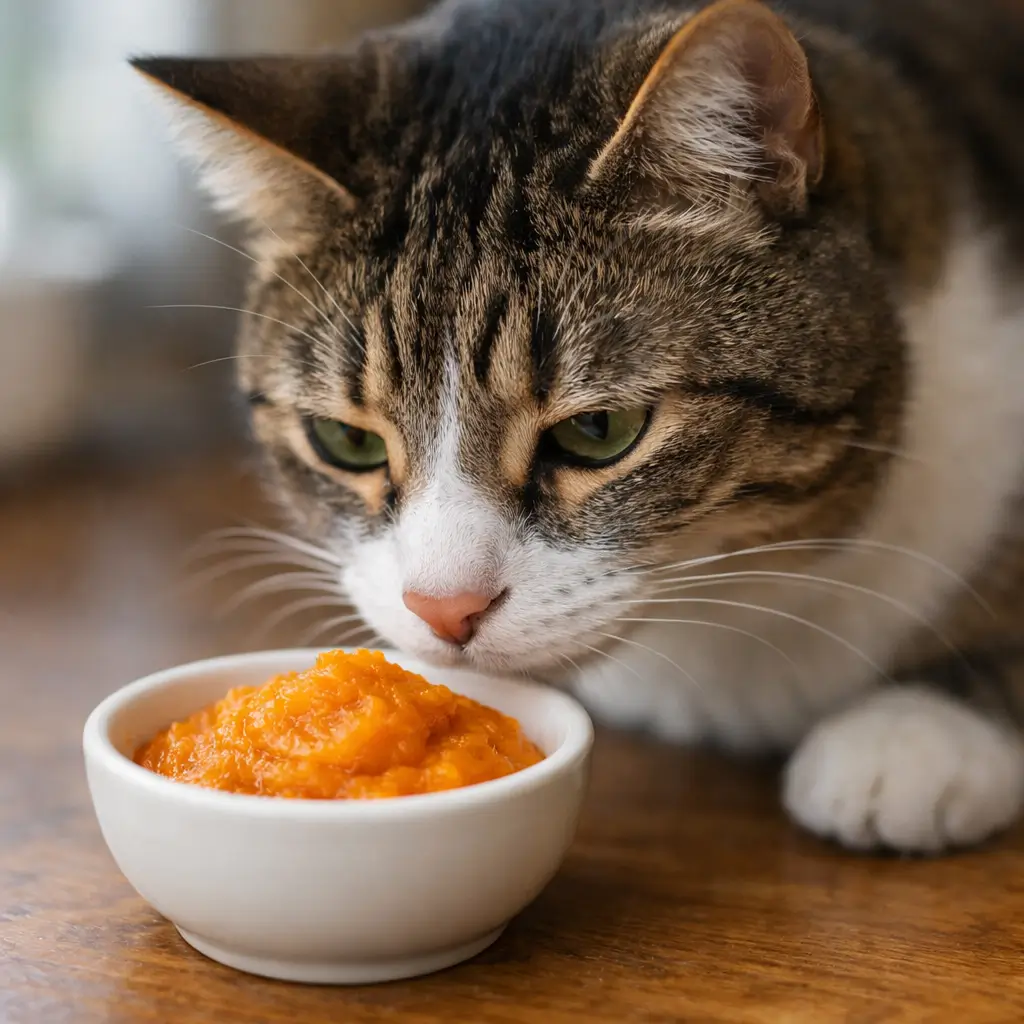
Yes, cats can safely eat plain, cooked pumpkin in moderation. Pumpkin offers valuable dietary fiber that supports digestive health, helping with both constipation and diarrhea in cats. However, you must only use plain canned pumpkin or freshly cooked pumpkin—never pumpkin pie filling, which contains harmful spices and sugars. Start with small amounts (about half a teaspoon) and consult your veterinarian before adding any new food to your cat’s diet.
Understanding Pumpkin’s Nutritional Profile for Cats
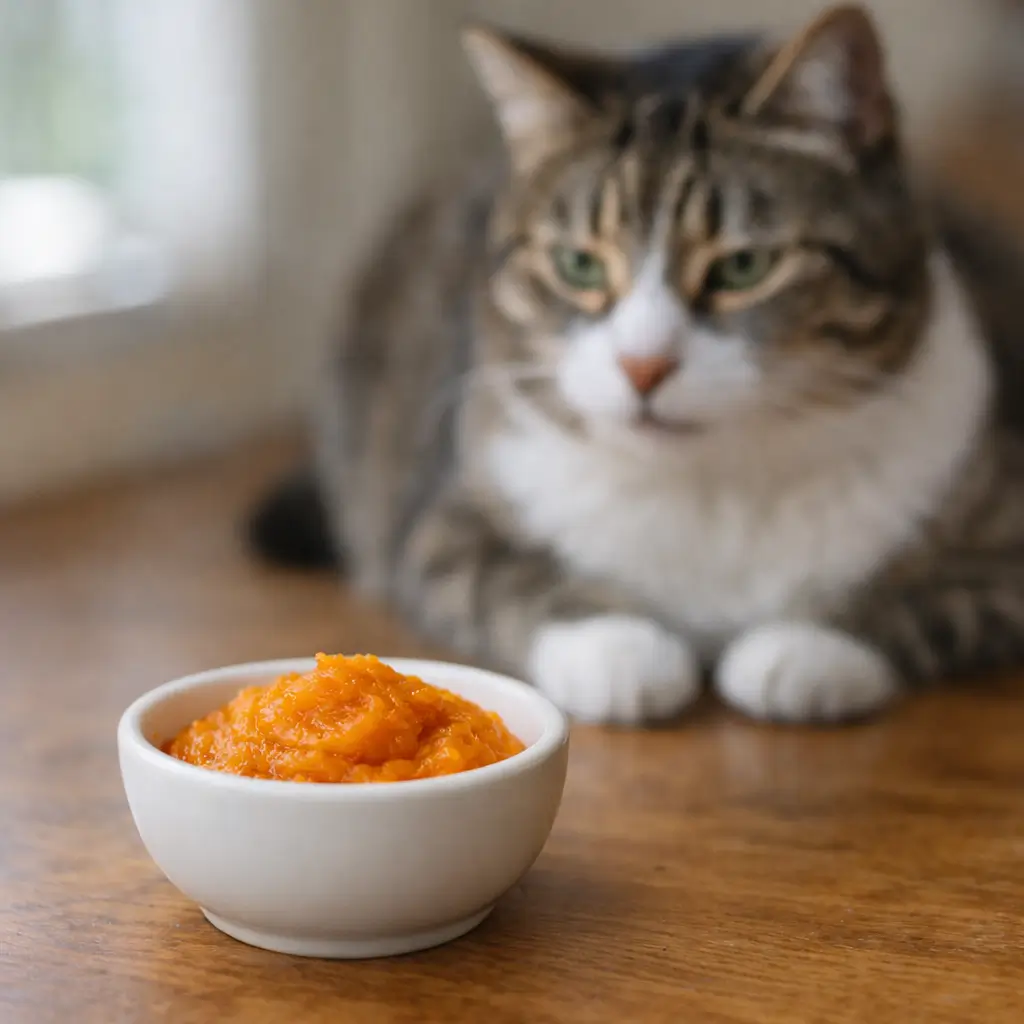
Before we dive into the benefits, let’s take a closer look at what pumpkin actually offers from a nutritional standpoint. Understanding these components will help you appreciate why this humble squash has earned such a positive reputation in feline nutrition.
Fiber Content and Digestive Support
Pumpkin is primarily valued for its fiber content. According to nutritional data, pumpkin contains both soluble and insoluble fiber, which work together to support healthy digestion. Soluble fiber absorbs water in the digestive tract, forming a gel-like substance that can help firm up loose stools. Meanwhile, insoluble fiber adds bulk to the stool, which helps move things along when your cat is constipated.
This dual-action fiber makes pumpkin an excellent natural remedy for cats experiencing digestive irregularity. The fiber content is gentle enough for most cats while being effective enough to make a noticeable difference.
Vitamins and Minerals in Pumpkin
Beyond fiber, pumpkin provides several vitamins and minerals that can contribute to your cat’s overall health. These include Vitamin A in the form of beta-carotene, which supports eye health, immune function, and skin condition. Pumpkin also contains potassium, an essential mineral that helps maintain proper muscle function and heart health. Additionally, you’ll find smaller amounts of Vitamin C and Vitamin E, both of which serve as antioxidants.
It’s worth noting that cats are obligate carnivores, meaning they derive most of their essential nutrients from animal-based proteins. Pumpkin should never replace a complete and balanced cat food but can serve as a beneficial supplement when used appropriately.
Moisture Content Benefits
Fresh and canned pumpkin contain significant water content, which can help keep your cat hydrated. This is particularly valuable for cats who don’t drink enough water or those prone to urinary issues. The added moisture can support kidney function and help prevent dehydration, especially in cats who primarily eat dry kibble.
The Health Benefits of Pumpkin for Cats
Now that we understand what’s in pumpkin, let’s explore the specific ways it can benefit your cat’s health. I’ve seen many cat owners report positive experiences after incorporating this ingredient into their pet’s routine.
Pumpkin for Cat Constipation
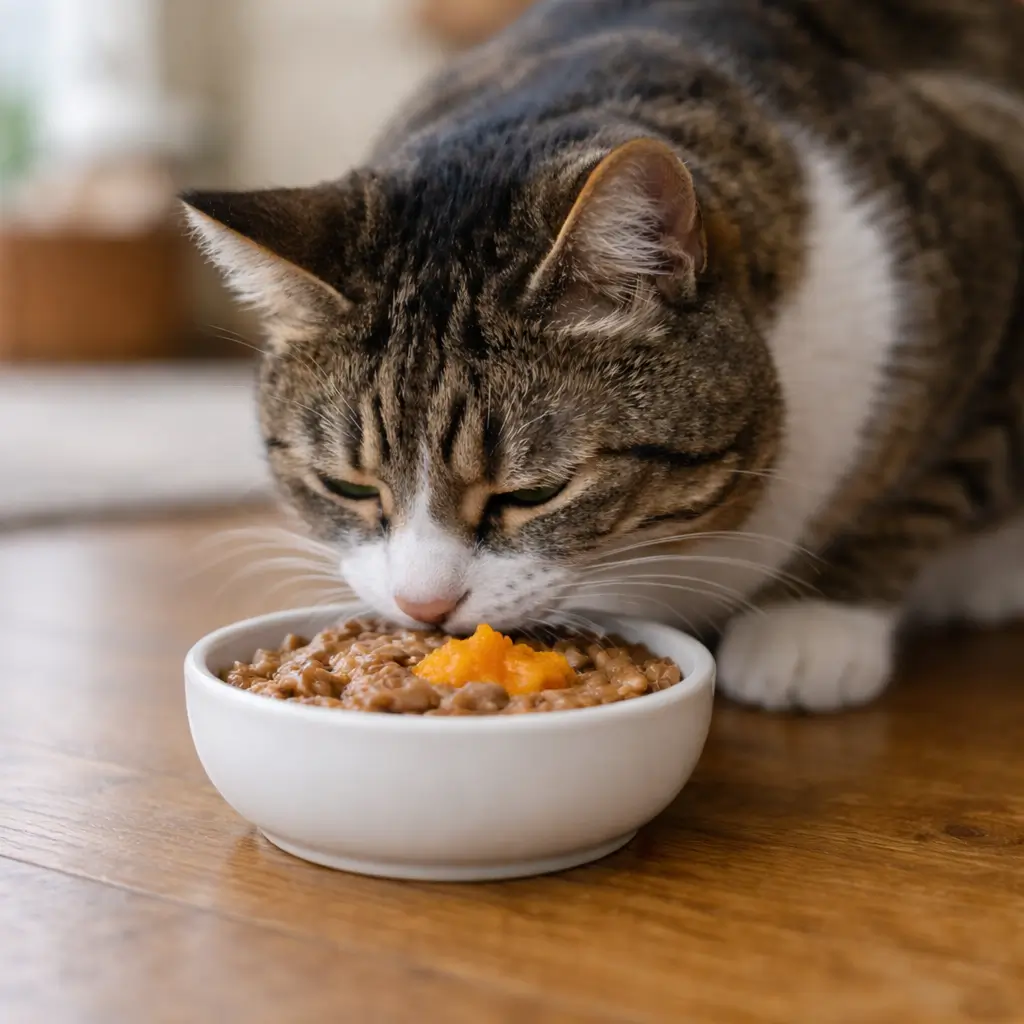
If your cat is struggling with constipation, pumpkin may offer gentle relief. The insoluble fiber in pumpkin adds bulk to the stool and stimulates intestinal movement, helping your cat pass waste more easily. Unlike harsh laxatives, pumpkin works naturally with your cat’s digestive system.
Signs that your cat may be constipated include straining in the litter box, producing small or hard stools, decreased appetite, and lethargy. If you notice these symptoms, a small amount of plain pumpkin added to their regular food might help get things moving. Start with half a teaspoon and observe your cat’s response over the next 24 to 48 hours.
Important Note: While pumpkin can help with mild, occasional constipation, chronic or severe constipation requires veterinary attention. Constipation can sometimes indicate underlying health issues such as dehydration, kidney disease, or intestinal blockages. If your cat’s constipation persists beyond a few days or if they seem to be in pain, please contact your veterinarian immediately.
Pumpkin for Cat Diarrhea
It might seem counterintuitive that the same ingredient can help with both constipation and diarrhea, but pumpkin’s soluble fiber content makes it effective for both conditions. When your cat has diarrhea, the soluble fiber absorbs excess water in the digestive tract, helping to firm up loose stools and restore normal bowel movements.
Diarrhea in cats can be caused by dietary indiscretions, stress, sudden food changes, or underlying health conditions. For mild, acute cases, adding a small amount of pumpkin to your cat’s food can provide relief within one to two days.
Medical Warning: Diarrhea that lasts more than 48 hours, contains blood, or is accompanied by vomiting, lethargy, or loss of appetite warrants immediate veterinary care. High-fiber interventions like pumpkin can sometimes mask underlying issues, so don’t rely on home remedies if your cat isn’t improving quickly.
Supporting Weight Management
For cats who need to lose a few pounds, pumpkin can be a helpful tool. Because pumpkin is low in calories but high in fiber, adding a small amount to your cat’s food can help them feel fuller without significantly increasing their caloric intake. This approach, combined with portion control of their regular food and appropriate exercise, can support healthy weight loss.
Many overweight cats constantly beg for more food because they feel hungry. The fiber in pumpkin expands in the stomach, creating a sense of satiety that may reduce their begging behavior. Of course, any weight management plan should be developed in consultation with your veterinarian to ensure your cat’s nutritional needs are still being met.
Hairball Prevention and Relief
Cats groom themselves frequently, and this inevitably leads to ingesting loose fur. Most of the time, this hair passes through the digestive system without issue. However, some cats are prone to developing hairballs, which can cause vomiting and discomfort.
The fiber in pumpkin can help move ingested hair through the digestive tract more efficiently, potentially reducing the frequency of hairballs. If your cat struggles with regular hairball issues, adding a bit of pumpkin to their diet might provide some relief alongside regular grooming and other hairball prevention strategies.
Critical Safety Information: What You Must Know
While pumpkin offers numerous benefits, there are essential safety considerations every cat owner must understand. Getting this wrong could harm your cat, so please pay close attention to this section.
Plain Pumpkin vs. Pumpkin Pie Filling: A Crucial Distinction
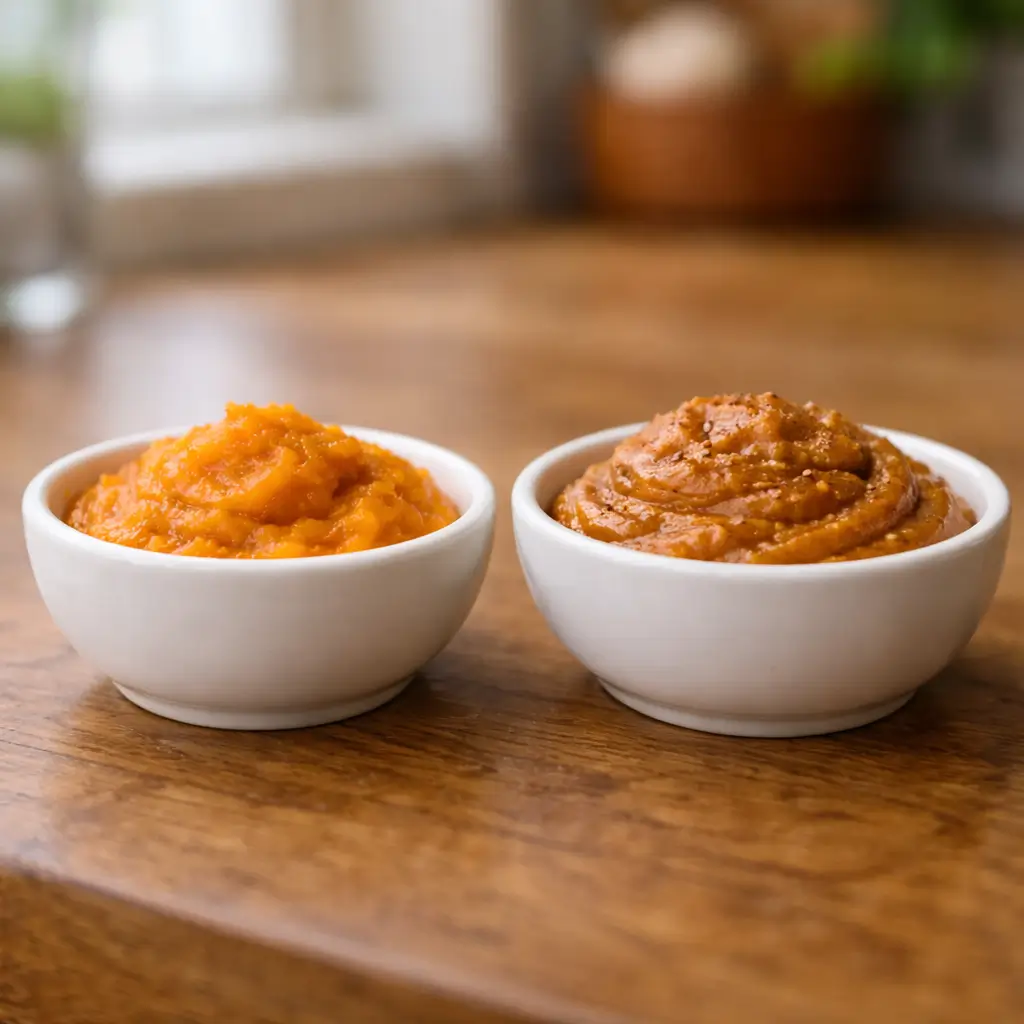
This is perhaps the most important point in this entire article: you must only feed your cat plain, cooked pumpkin—never pumpkin pie filling. These two products are entirely different, and confusing them could endanger your cat’s health.
Plain canned pumpkin contains just one ingredient: pumpkin. It’s simply cooked, pureed pumpkin with no additives. This is the product you want for your cat.
Pumpkin pie filling, on the other hand, contains added sugars, and more critically, spices like nutmeg, cinnamon, cloves, and ginger. Nutmeg is toxic to cats and can cause hallucinations, increased heart rate, disorientation, high blood pressure, abdominal pain, and seizures. Even in smaller amounts, the sugars and spices in pie filling can cause gastrointestinal upset and are simply inappropriate for feline consumption.
When shopping, always read the label carefully. The ingredient list should say only “pumpkin” or “100% pumpkin.” If you see any other ingredients—especially sugar, spices, or additives—put it back on the shelf.
Appropriate Serving Sizes
When it comes to pumpkin for cats, moderation is essential. Too much fiber can actually cause digestive upset, including the very diarrhea you might be trying to prevent. Here are general serving guidelines based on your cat’s size.
For small cats under 8 pounds, start with one-quarter to one-half teaspoon per meal. For medium cats between 8 and 12 pounds, one-half to one teaspoon per meal is typically appropriate. For larger cats over 12 pounds, you may offer one to one-and-a-half teaspoons per meal.
Always start with the smallest amount and observe your cat’s response. If they tolerate pumpkin well and you’re seeing the desired digestive benefits, you can maintain that dose. If their stools become too soft, reduce the amount.
As a general rule, treats and supplements (including pumpkin) should make up no more than 10% of your cat’s daily caloric intake. The remaining 90% should come from a complete and balanced cat food that meets AAFCO (Association of American Feed Control Officials) nutritional standards.
When to Avoid Pumpkin
While pumpkin is safe for most healthy cats, there are situations where you should avoid giving it or consult your veterinarian first. Cats with diabetes should have their diet carefully managed, and any additions should be discussed with a vet since pumpkin does contain natural sugars. Cats with known digestive disorders such as inflammatory bowel disease or pancreatitis may have special dietary requirements that make pumpkin inappropriate. If your cat has allergies or food sensitivities, introduce pumpkin slowly and watch for any adverse reactions. Additionally, kittens under 12 weeks should stick to their mother’s milk or kitten formula, as their digestive systems are still developing.
Always introduce any new food gradually and watch for signs of intolerance, including vomiting, diarrhea, loss of appetite, or unusual behavior.
How to Prepare Pumpkin for Your Cat
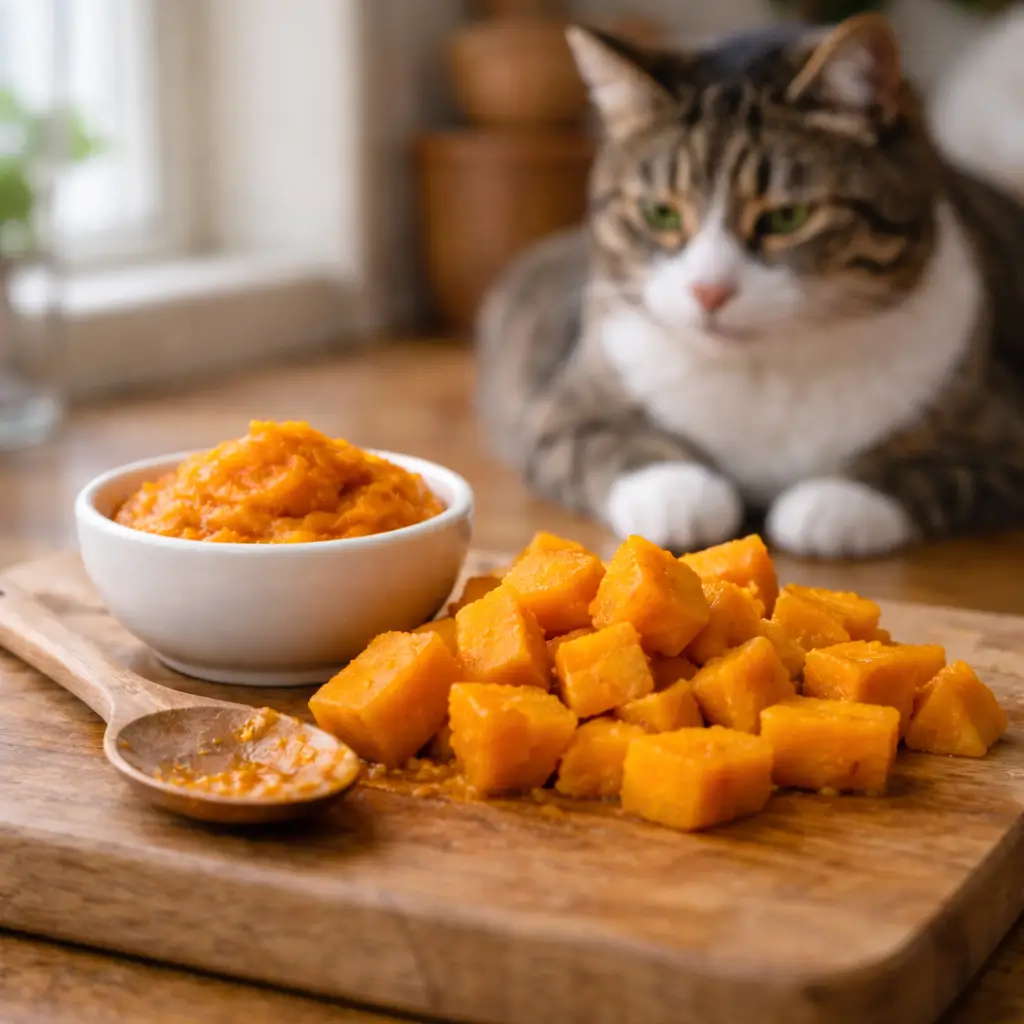
You have several options when it comes to sourcing pumpkin for your cat. Each method has its advantages, and the right choice depends on your lifestyle and preferences.
Using Canned Pumpkin
Plain canned pumpkin is the most convenient option for most cat owners. It’s readily available year-round, requires no preparation, and has a long shelf life before opening. Look for brands that list only “pumpkin” as the ingredient.
Once opened, canned pumpkin should be stored in an airtight container in the refrigerator and used within five to seven days. If you won’t use it that quickly, consider portioning it into ice cube trays and freezing it for longer storage. Each frozen cube can be thawed as needed.
Preparing Fresh Pumpkin
If you prefer using fresh pumpkin, the process is straightforward but requires some effort. Start by selecting a small sugar pumpkin or pie pumpkin, as these have more flavor and better texture than large carving pumpkins. Cut the pumpkin in half and remove all seeds and stringy pulp. Place the halves cut-side down on a baking sheet and roast at 350°F (175°C) for 45 to 60 minutes, or until the flesh is completely soft. Once cooled, scoop out the flesh and puree it in a food processor or blender until smooth. Store the puree in the refrigerator for up to one week or freeze it in portions for later use.
Never feed your cat raw pumpkin, as it’s difficult to digest and may cause gastrointestinal upset. Always ensure the pumpkin is fully cooked before serving.
Pumpkin Seeds: A Word of Caution
You may wonder about pumpkin seeds, as they’re often touted as a natural remedy for intestinal parasites in pets. While some pet owners grind pumpkin seeds into a powder and add them to food, I recommend exercising caution. The evidence supporting pumpkin seeds as an effective dewormer is largely anecdotal, and they should never replace proper veterinary-prescribed parasite prevention.
If you want to try pumpkin seeds, they should be cleaned, roasted without any salt or seasonings, and ground into a fine powder before adding to your cat’s food. Use only a very small amount—no more than one-eighth teaspoon. However, for parasite control, I strongly recommend consulting your veterinarian for proven, safe treatment options.
Veterinarian-Approved Pumpkin Recipes for Cats
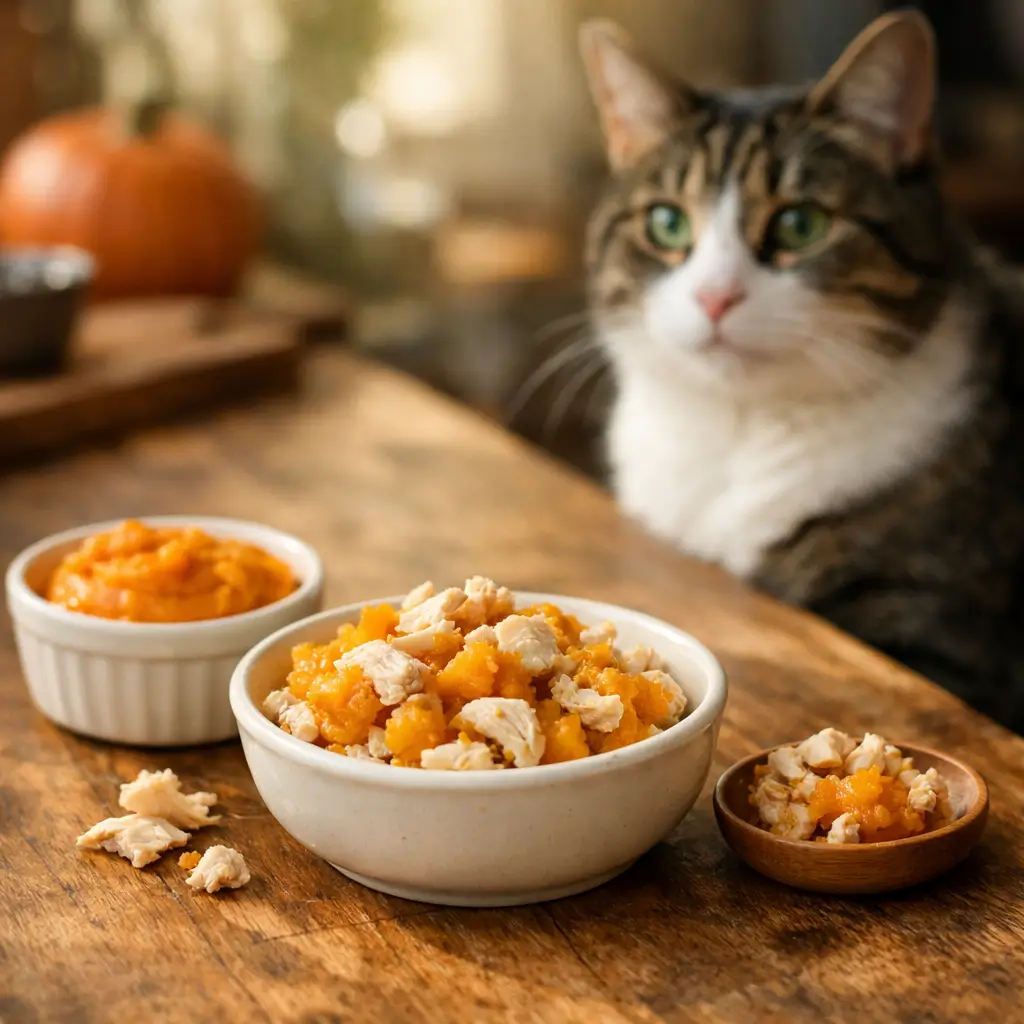
Now for the fun part—putting our knowledge into practice! I’ve developed these recipes with safety and simplicity in mind. They use cat-safe ingredients and include specific serving guidelines to prevent overfeeding.
Recipe 1: The “Tummy Soother” Topper
This simple mixture is perfect for cats experiencing digestive upset or those who simply enjoy a tasty meal topper. It combines the fiber benefits of pumpkin with lean protein for a satisfying, gut-friendly addition to regular meals.
Ingredients:
- 2 tablespoons (30 grams) plain canned pumpkin
- 2 ounces (57 grams) boneless, skinless chicken breast
- 1 tablespoon (15 ml) water or low-sodium chicken broth (no onion or garlic)
Preparation Steps:
First, prepare the chicken by placing the chicken breast in a small pot and covering it with water. Bring to a boil, then reduce heat and simmer for 12 to 15 minutes until the chicken is completely cooked through (internal temperature of 165°F/74°C). Remove from water and let cool completely.
Next, shred the chicken using two forks to shred the cooled chicken into very small, cat-bite-sized pieces. Ensure there are no bones or tough pieces.
Then combine the ingredients by placing the shredded chicken in a bowl and adding the plain pumpkin puree. Add the water or broth to achieve a consistency your cat will enjoy—some cats prefer it thicker, while others like it slightly more liquid.
Finally, mix thoroughly until the pumpkin is evenly distributed throughout the chicken.
Serving Size and Storage:
Serve one to two teaspoons of this mixture as a topper on your cat’s regular food, once or twice daily. The remainder should be stored in an airtight container in the refrigerator and used within three days. Do not leave the topper at room temperature for more than 30 minutes.
Allergen Note: Chicken is a common allergen for some cats. If your cat has known chicken sensitivities, substitute with another protein your cat tolerates, such as cooked turkey or a small amount of cooked fish (boneless and unseasoned).
Recipe 2: Baked Pumpkin and Meat Treats
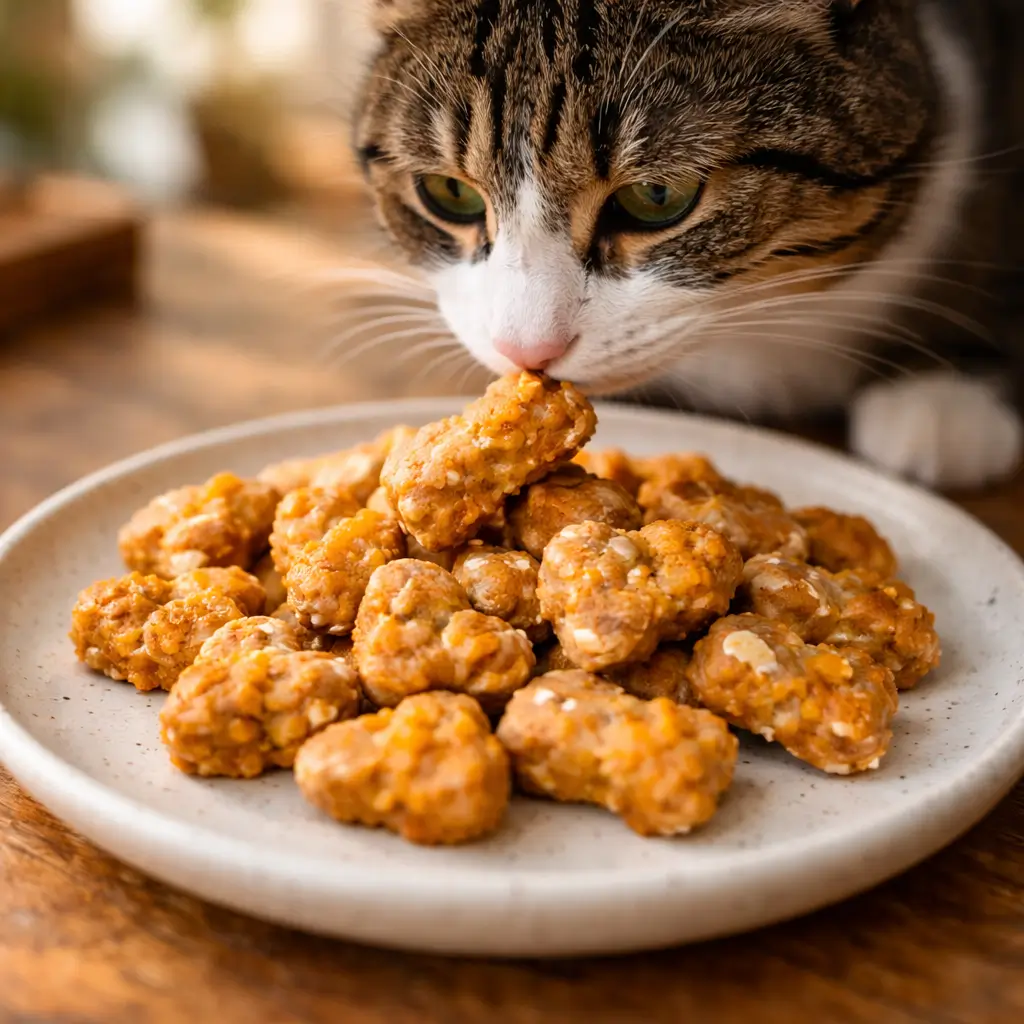
These soft, chewy treats are perfect for cats who love a special snack. They’re simple to make and can be stored for convenient use throughout the week.
Ingredients:
- 1/4 cup (60 grams) plain canned pumpkin
- 1/4 cup (30 grams) oat flour (finely ground oats)
- 3 ounces (85 grams) canned tuna in water, drained
- 1 egg
Preparation Steps:
Begin by preheating your oven to 350°F (175°C) and lining a baking sheet with parchment paper.
Prepare the oat flour by pulsing plain rolled oats in a food processor or blender until they form a fine flour. Measure out 1/4 cup for this recipe. Oats are generally safe for cats in small amounts and provide additional fiber and nutrients.
Next, combine the wet ingredients by placing the drained tuna, pumpkin, and egg in a mixing bowl. Mash and stir until well combined. The mixture should be relatively smooth, though some small tuna pieces are fine.
Then add the dry ingredient by gradually mixing in the oat flour until a thick, slightly sticky dough forms. If the mixture is too wet, add a bit more oat flour, one tablespoon at a time.
Now shape the treats by using a small spoon or your hands to form the dough into small balls, about 1/2 inch (1.25 cm) in diameter. Place them on the prepared baking sheet and flatten slightly with your finger or the back of a spoon.
Bake the treats for 12 to 15 minutes, until they’re set and slightly golden around the edges. They should feel firm to the touch but still have a slightly soft interior.
Finally, cool completely before serving. Treats must be at room temperature before offering to your cat.
Serving Size and Storage:
Offer one to two treats per day as a snack, not as a meal replacement. Store treats in an airtight container in the refrigerator for up to one week, or freeze for up to two months. Thaw frozen treats in the refrigerator before serving.
Allergen Note: Fish is a common allergen for some cats. If your cat has sensitivities to fish, substitute the tuna with cooked, shredded chicken breast.
Signs Your Cat May Need Dietary Adjustments
While pumpkin can be a helpful tool for managing mild digestive issues, it’s important to recognize when professional veterinary care is needed. Certain symptoms indicate that something more serious may be occurring, and home remedies won’t be sufficient.
When to Contact Your Veterinarian
Contact your veterinarian if you observe any of the following: diarrhea or constipation lasting more than 48 hours, blood in the stool or vomit, significant changes in appetite or water consumption, lethargy or unusual behavior, abdominal pain or bloating, weight loss without explanation, or repeated vomiting.
These symptoms can indicate conditions ranging from infections and parasites to more serious issues like intestinal blockages, organ disease, or cancer. Early intervention often leads to better outcomes, so don’t hesitate to seek professional advice.
The Importance of Regular Veterinary Check-ups
I can’t stress enough the value of routine veterinary care. Even if pumpkin seems to be helping your cat’s digestive issues, regular check-ups ensure that nothing underlying is being missed. Your veterinarian can also provide personalized dietary recommendations based on your cat’s age, weight, health status, and specific needs.
Many veterinarians recommend annual wellness exams for adult cats and more frequent visits for kittens and senior cats. These appointments are opportunities to discuss nutrition, behavior, preventive care, and any concerns you may have.
Frequently Asked Questions About Cats and Pumpkin
Can kittens eat pumpkin?
Kittens over 12 weeks old can typically have very small amounts of pumpkin (about 1/8 teaspoon), but it’s best to consult your veterinarian first. Young kittens have sensitive digestive systems, and their nutritional needs are best met through high-quality kitten food.
How often can I give my cat pumpkin?
For healthy cats, a small amount of pumpkin can be offered daily as part of their regular diet. However, if you’re using pumpkin to address a specific digestive issue, monitor your cat’s response and discontinue once the issue resolves. Long-term use should be discussed with your veterinarian.
Can pumpkin replace hairball remedies?
While pumpkin may help reduce hairballs in some cats, it’s not a guaranteed replacement for commercial hairball remedies. If your cat has chronic hairball issues, discuss the best approach with your veterinarian, who may recommend a combination of strategies including regular grooming, specialized diets, and appropriate supplements.
Will my cat like pumpkin?
Cats have individual taste preferences, and not all cats will enjoy pumpkin. Some love it immediately, while others need time to adjust to the new flavor and texture. Try mixing a tiny amount into their regular food to help them acclimate. If your cat consistently refuses pumpkin, don’t force it—there are other fiber sources available that your veterinarian can recommend.
Conclusion: Can Cats Have Pumpkin Safely?
To answer our central question definitively: yes, can cats have pumpkin is a question with a positive answer when proper precautions are followed. Plain, cooked pumpkin offers valuable fiber for cats, making it an excellent natural remedy for both constipation and diarrhea. The key is ensuring you use only plain pumpkin—never pie filling—and that you serve appropriate portions based on your cat’s size.
I hope this guide has given you the confidence to incorporate pumpkin into your cat’s diet safely. Whether you’re trying the simple Tummy Soother Topper or baking a batch of homemade treats, you’re taking a thoughtful step toward supporting your cat’s digestive health. Remember, every cat is unique, and what works wonderfully for one may not suit another.
As with any dietary change, start slowly, observe your cat’s response, and don’t hesitate to consult your veterinarian if you have questions or concerns. Your dedication to understanding what’s safe and beneficial for your feline companion is what makes you an exceptional cat parent.
Here’s to happy, healthy cats and the simple pleasures—like pumpkin—that can make their lives a little better.