
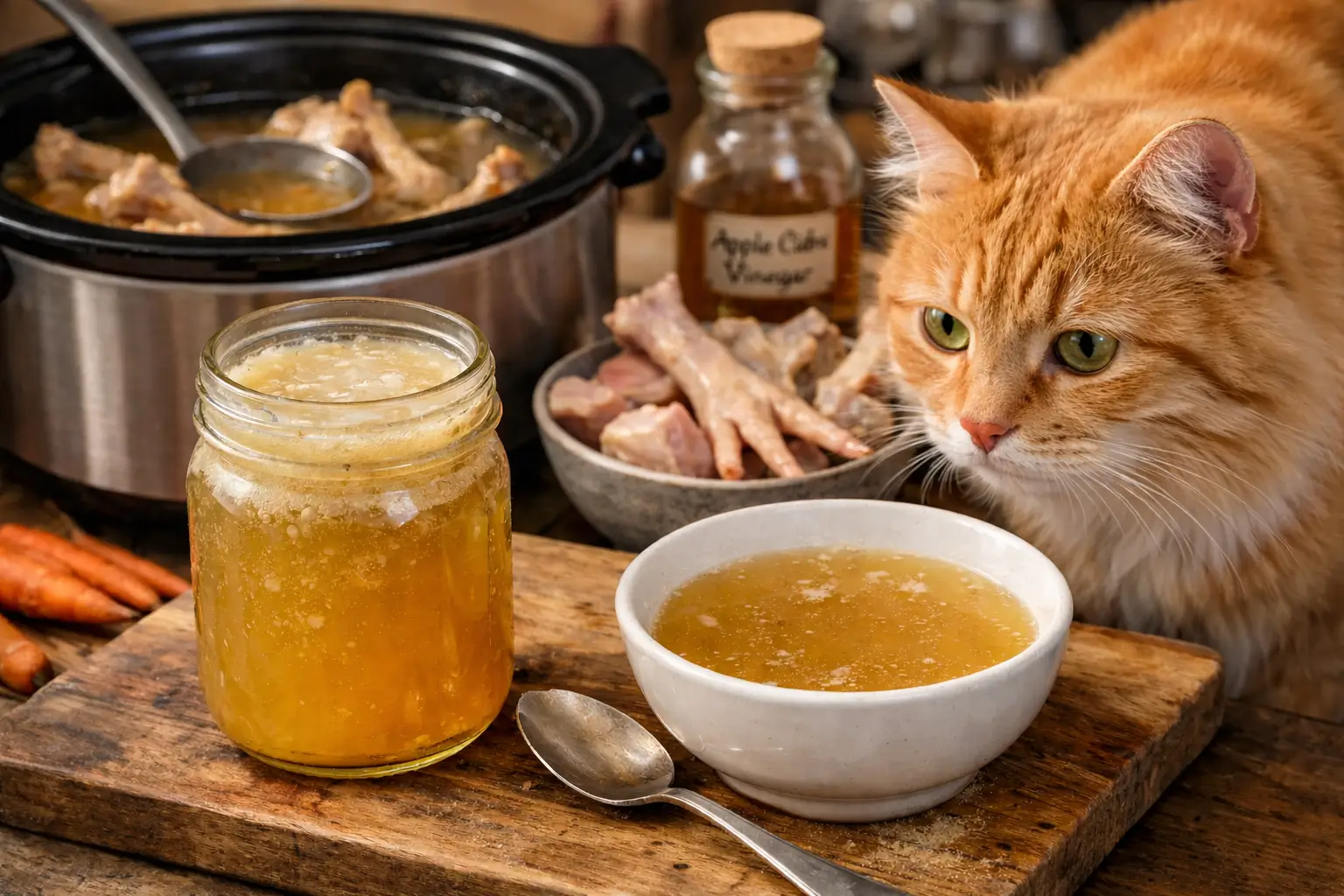
Bone Broth for Cats: Benefits, Preparation & Safety Tips

A comprehensive guide to safely nourishing your feline companion with this nutrient-rich liquid gold
Why I Started Making Bone Broth for My Cats
When my senior cat, Oliver, started turning his nose up at his water bowl and showing signs of stiff joints, I knew I needed to find a solution that would address both issues naturally. That’s when I discovered bone broth for cats—a simple, nourishing liquid that has transformed the health of countless felines in my care and in the homes of pet parents I’ve worked with over the years.
Table of Contents
As someone who has spent over fifteen years studying feline nutrition and helping cat owners navigate the often confusing world of pet food, I can tell you that few supplements offer the combination of benefits that bone broth provides. From improved hydration for cats who notoriously under-drink to natural collagen for cats struggling with aging joints, this ancient remedy has earned its place in modern pet care.
But here’s the thing: not all bone broth is safe for cats. The broth sitting in your refrigerator right now—the one you made for soup last week—could actually harm your cat. The seasonings we humans love, particularly onions and garlic, are toxic to our feline friends. That’s why I’ve written this comprehensive guide: to show you exactly how to prepare safe, beneficial bone broth that your cat will love and that will genuinely support their health.
In this article, we’ll explore the science behind why bone broth works, walk through a fool-proof recipe, and discuss the critical safety considerations every cat owner must know. Whether you have a healthy kitten who could use an immunity boost or a senior cat needing joint support, this guide will give you everything you need to incorporate this wonderful supplement into your cat’s diet safely.
What is Bone Broth for Cats?
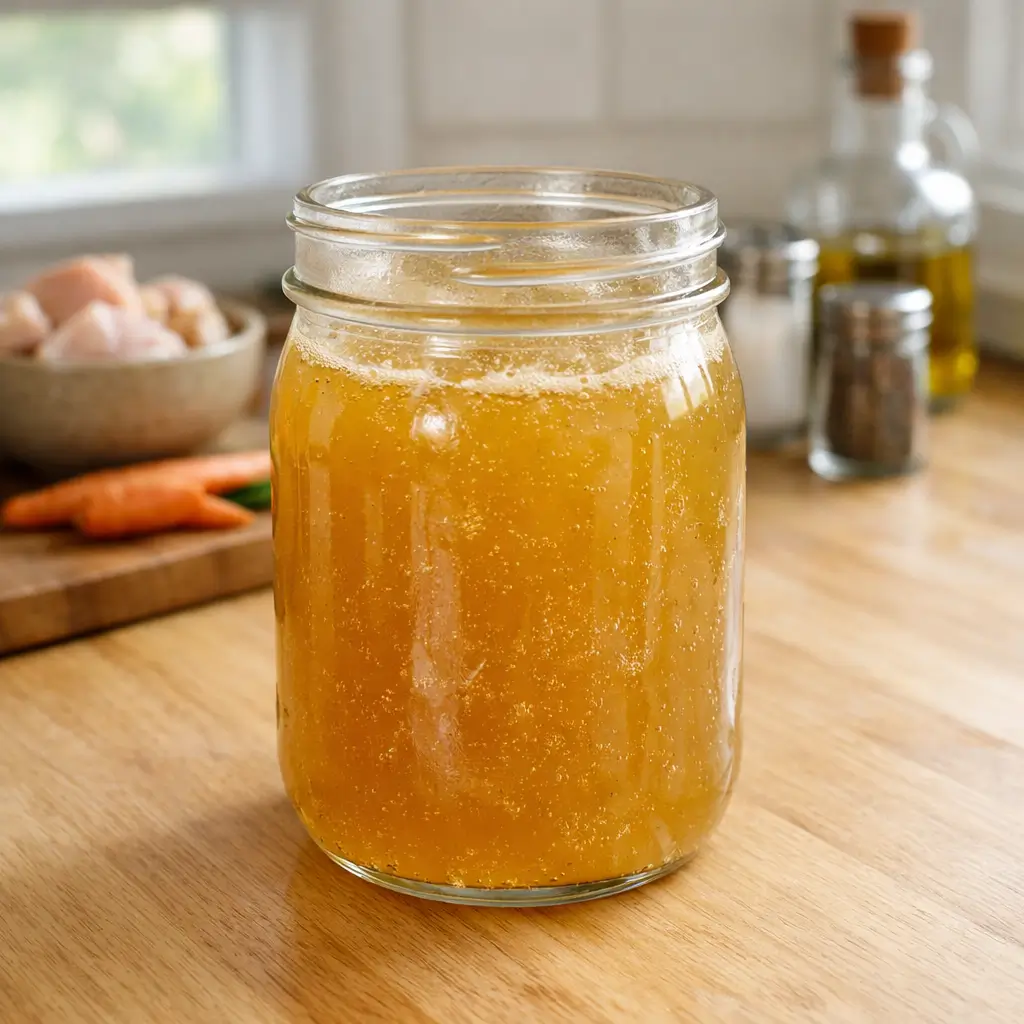
Bone broth for cats is a nutrient-dense liquid made by slowly simmering animal bones in water for an extended period, typically 24 hours or more. This process extracts valuable compounds including collagen, glucosamine, chondroitin, amino acids, and minerals directly from the bones. Unlike commercial broths made for humans, cat-safe bone broth contains absolutely no salt, seasonings, onions, or garlic, making it a pure, wholesome supplement that supports hydration, joint health, and digestive function in felines.
The Science-Backed Benefits of Bone Broth for Cats
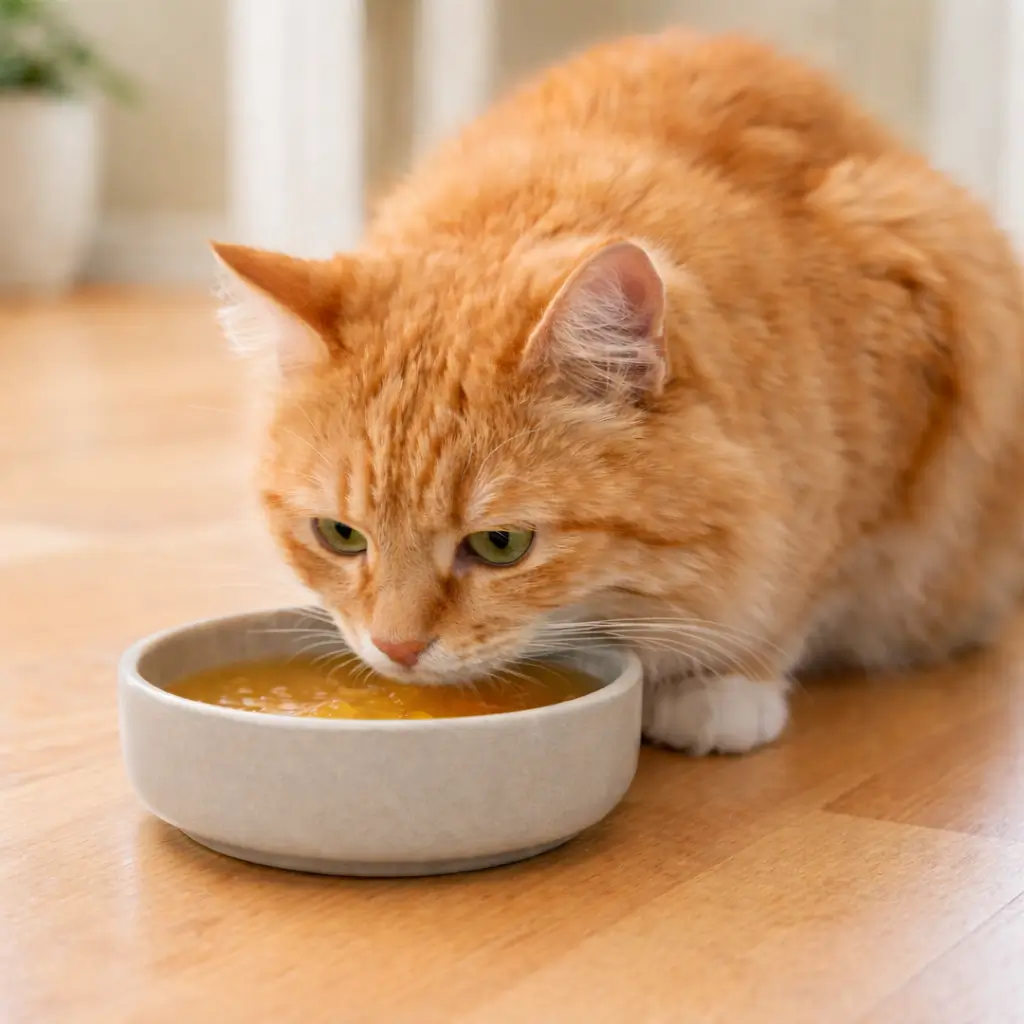
Understanding why bone broth works requires looking at what happens during that long, slow simmer. The heat breaks down connective tissues, cartilage, and bone matter, releasing a wealth of nutrients into the liquid. Let me walk you through the specific benefits your cat can enjoy.
Superior Hydration Support
Cats evolved as desert animals, obtaining most of their moisture from prey. This evolutionary heritage means domestic cats often don’t drink enough water, even when fresh water is readily available. Chronic mild dehydration contributes to urinary tract issues, kidney stress, and constipation—problems I see pet owners struggling with constantly.
Bone broth offers a solution that works with feline instincts rather than against them. The rich, meaty aroma attracts cats in a way plain water never could. I’ve watched countless cats who ignore their water bowls lap up bone broth enthusiastically, finally getting the hydration their bodies desperately need. This makes bone broth particularly valuable for cats eating primarily dry food, senior cats with decreased thirst drive, and cats recovering from illness.
Natural Joint Support and Mobility
The collagen extracted during the cooking process breaks down into gelatin, which provides the building blocks cats need for healthy joints, cartilage, and connective tissue. This natural collagen for cats offers a bioavailable form of the nutrients found in expensive joint supplements.
Glucosamine and chondroitin, compounds you’ve probably seen in pet store supplements at premium prices, occur naturally in bone broth. These substances support cartilage health and may help reduce inflammation in joints. For senior cats showing signs of arthritis or stiffness, regular bone broth supplementation can make a noticeable difference in mobility and comfort.
Digestive Health and Gut Healing
The gelatin in bone broth has remarkable properties for digestive health. It helps bind water in the digestive tract, supporting healthy bowel movements. The amino acid glycine, abundant in properly made bone broth, supports the production of bile acids necessary for fat digestion.
For cats with sensitive stomachs, recovering from gastrointestinal illness, or transitioning between foods, bone broth can soothe the digestive tract and encourage appetite. I’ve used it countless times to coax sick cats back to eating, and veterinarians frequently recommend it during recovery periods.
Immune System Support
The amino acids released during bone extraction, particularly arginine and glutamine, play important roles in immune function. The minerals extracted from bones, including calcium, magnesium, and phosphorus in bioavailable forms, support overall cellular health.
During illness recovery or times of stress, bone broth provides easily digestible nutrition that doesn’t tax an already challenged system. The warmth and appealing scent can comfort cats who feel unwell, encouraging them to take in nourishment when they might otherwise refuse food.
Liver Detoxification Support
Glycine, one of the primary amino acids in bone broth, supports the liver’s detoxification processes. Given that cats encounter various environmental toxins and must process everything they consume through their liver, supporting this vital organ makes good sense for long-term health.
Understanding Why Store-Bought Broth Isn’t Safe
Before we dive into making your own broth, I want to address a question I receive constantly: “Can’t I just give my cat the broth from the grocery store?”
The answer is a firm no, and understanding why helps illustrate what makes homemade cat broth special and safe.
Commercial broths designed for human consumption contain ingredients that are dangerous for cats. Sodium levels in store-bought broth are far too high for feline kidneys to process safely. Even “low sodium” varieties contain more salt than cats should consume. Beyond sodium, most commercial broths contain onion powder, garlic, and various seasonings that are toxic to cats.
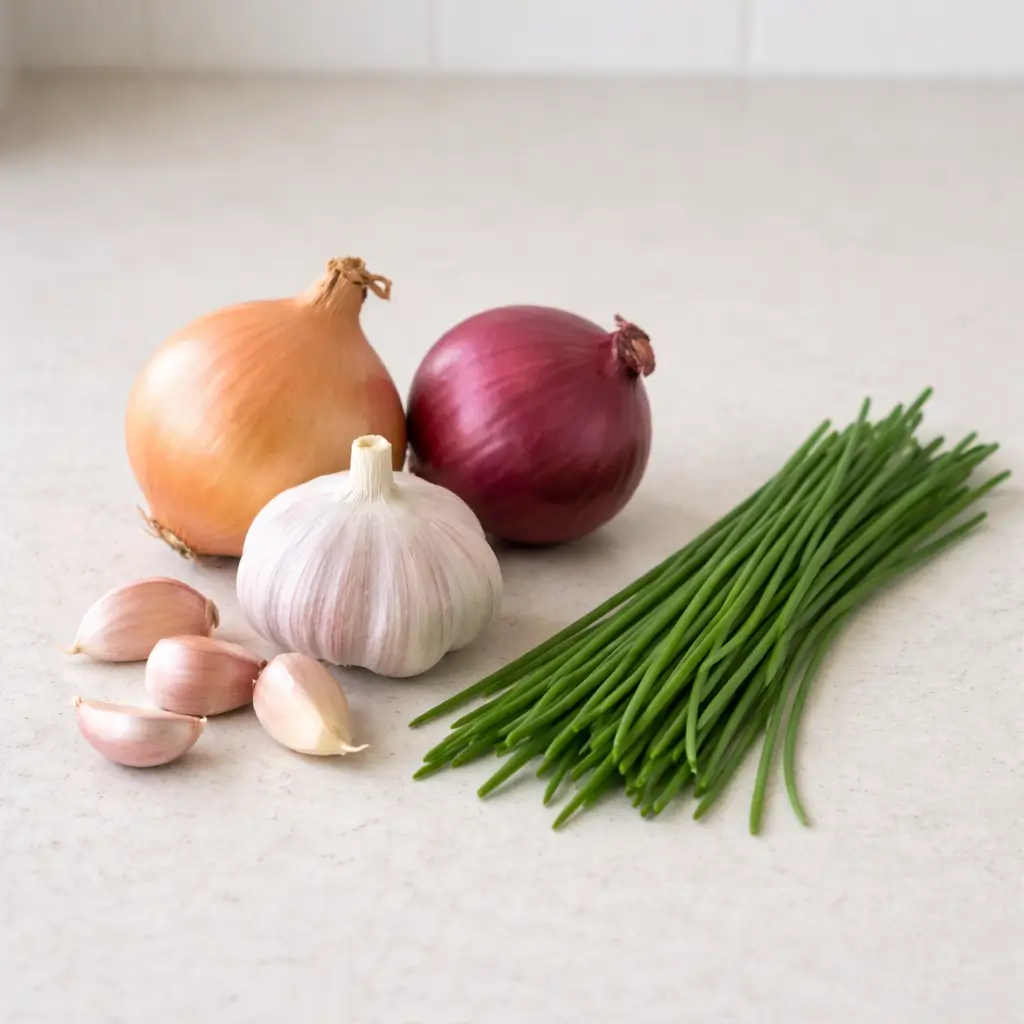
⚠️ CRITICAL TOXICITY WARNING ⚠️
NEVER use onions, garlic, chives, leeks, or shallots in any food or broth intended for cats.
All members of the Allium family are highly toxic to cats and can cause:
- Oxidative damage to red blood cells
- Heinz body anemia
- Gastrointestinal distress
- Organ damage
- Death in severe cases
This includes all forms: fresh, cooked, powdered, or dehydrated. Even small amounts consumed over time can cause cumulative damage. Always read ingredient labels carefully on any commercial product, and never share human food prepared with these ingredients with your cat.
How to Make Safe Bone Broth for Cats (Step-by-Step)
Now for the practical heart of this guide: creating safe liquid treats for pets that you can feel confident serving. This recipe has been refined through years of preparation and feedback from both cats and their veterinarians.
Choosing Your Ingredients
Bones and Joints
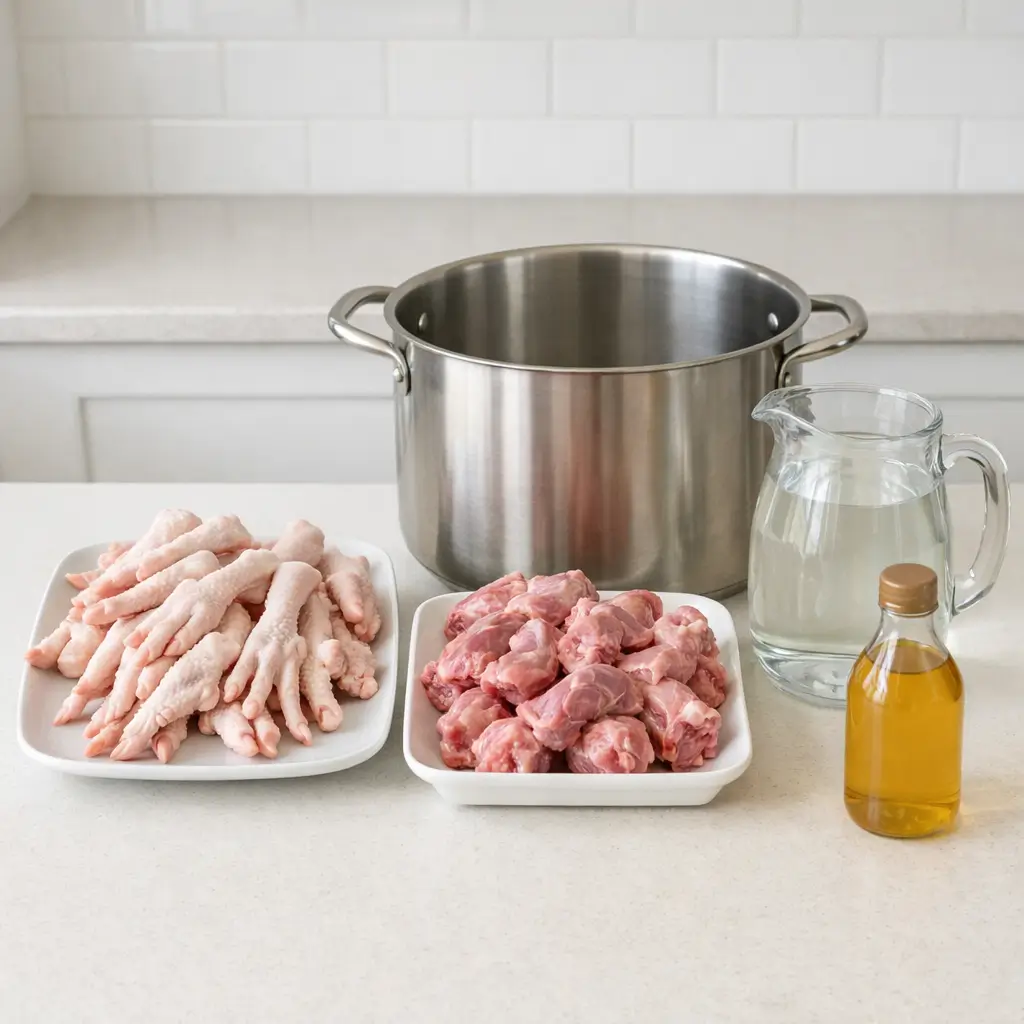
The best bones for cat broth are those rich in cartilage and connective tissue, as these provide the most collagen and beneficial compounds. Excellent choices include chicken feet (exceptional collagen content), chicken necks and backs, beef marrow bones, turkey necks, and pork neck bones.
You can use raw bones from your butcher or saved bones from your own meals, provided those meals were prepared without toxic seasonings. Many butchers sell bags of bones inexpensively, and some will even give away chicken feet since there’s limited human demand for them.
Water
Use filtered water if possible, as this avoids any chlorine or additives that might be present in tap water. You’ll need enough to cover the bones by about two inches.
Apple Cider Vinegar (Optional but Recommended)
A small amount of apple cider vinegar, about one to two tablespoons per quart of water, helps extract minerals from the bones more efficiently. The acid breaks down bone matter slightly, releasing more calcium, magnesium, and phosphorus into the broth. Apple cider vinegar is safe for cats in these small quantities and adds no flavor to the finished broth.
The Essential “Do Not Include” List
I cannot emphasize this enough: your cat’s broth must contain NO salt, NO onions, NO garlic, NO spices, and NO vegetables from the onion family. This means no seasoning of any kind. Yes, it will taste bland to you. That’s perfect for your cat.
The Cooking Process
Slow Cooker Method (Recommended)
This is my preferred method because it’s safe to leave unattended and maintains a consistent temperature.
Place your bones in the slow cooker and add filtered water until the bones are covered by approximately two inches. Add one to two tablespoons of apple cider vinegar if using. Set your slow cooker to low and cook for 24 to 48 hours. The longer cooking time extracts more nutrients, but 24 hours is sufficient for a nutritious broth.
Stovetop Method
If you don’t have a slow cooker, you can use the stovetop, though this requires more attention. Place bones in a large stock pot and cover with water. Add apple cider vinegar if using. Bring to a boil, then immediately reduce heat to the lowest setting that maintains a bare simmer. Cook for 12 to 24 hours, checking periodically to ensure water level stays above the bones and adding more filtered water as needed.
The Crucial Straining Step
This step is absolutely critical for your cat’s safety.
Cooked bones become brittle and can splinter into sharp fragments. These splinters can cause severe internal injuries, perforating the digestive tract, causing choking, or creating dangerous blockages. You must remove every single piece of bone from the finished broth.
Allow the broth to cool slightly so you can handle it safely, then strain through a fine-mesh strainer lined with cheesecloth into a large bowl or pot. Do not rush this step. Check the strained broth carefully for any bone fragments that may have slipped through. If you find any, strain again through fresh cheesecloth.
Discard all the cooked bones—never feed cooked bones to cats or dogs.
The Fat Removal Step
Once strained, refrigerate the broth until it’s completely cold, preferably overnight. A layer of fat will solidify on the surface. This fat must be removed before serving.
While some fat is natural and even beneficial in small amounts, excessive fat can trigger pancreatitis in cats, a painful and potentially life-threatening condition. Using a spoon, lift off the solidified fat layer and discard it. Some small amount of fat may remain in the broth, which is fine, but the bulk of the visible fat should be removed.
The Jelly Test: Signs of Success
When you open your refrigerated container after fat removal, the broth should have a jiggly, gelatinous consistency similar to Jell-O. This gelatin is actually the collagen that has been extracted from the bones—it’s a sign that you’ve successfully created a nutrient-rich broth.
When heated, this gel will liquefy again into a pourable broth. If your broth doesn’t gel, it’s still nutritious, but you may want to use more cartilage-rich bones like chicken feet next time, or extend your cooking time.
Serving Bone Broth to Your Cat: Practical Ideas
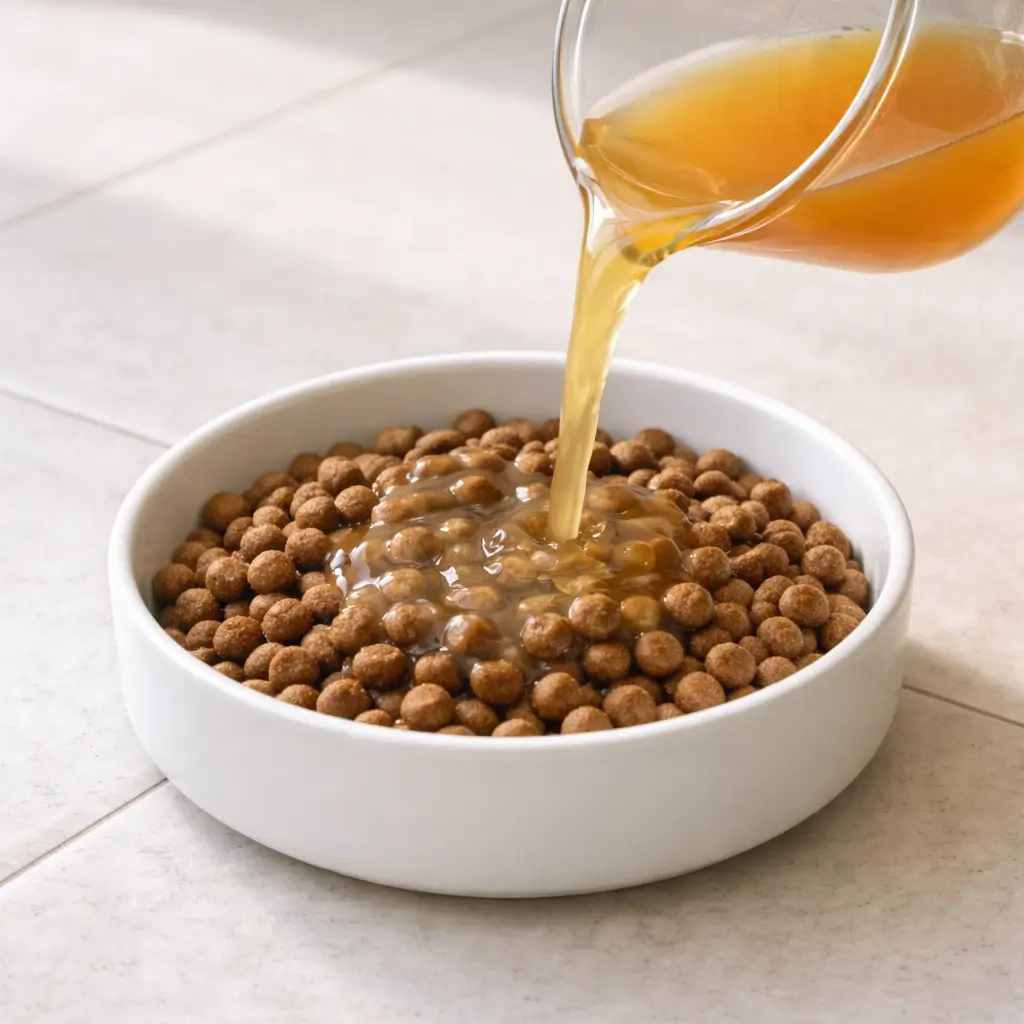
Now that you have beautiful, nutritious bone broth, here are some ways to incorporate it into your cat’s routine.
As a Food Topper
Pour a few tablespoons of warmed broth over your cat’s regular food, whether dry kibble or wet food. This adds moisture, enhances flavor, and provides nutritional benefits. Many cats who are picky eaters become more enthusiastic about meals when broth is added.
Warm the broth gently until it’s lukewarm, never hot. You should be able to comfortably touch it with your finger. Cats can burn their mouths on hot liquids, and they generally prefer food at body temperature or slightly below anyway.
Frozen Broth Treats
Pour broth into ice cube trays and freeze for convenient portion control and summer treats. On hot days, cats often enjoy licking frozen broth cubes. You can also add a broth cube to your cat’s water bowl to encourage drinking.
For Sick or Recovering Cats
When cats are ill, they often refuse food. Warming bone broth releases its meaty aroma, which can entice even reluctant cats to take in nourishment. Offer small amounts frequently rather than a large portion at once. The easily digestible nutrients provide energy without taxing the digestive system.
Always consult your veterinarian about appropriate nutrition during illness—bone broth is a supplement, not a treatment.
Important Reminder: Bone Broth Is Not a Meal
I want to be absolutely clear on this point: bone broth is a supplement and a treat, not a complete meal replacement. While nutritious, it lacks many nutrients cats need for balanced nutrition, including adequate protein, taurine, and various vitamins and minerals.
Use bone broth as an addition to a complete, balanced diet, not as a substitute for proper cat food. Serving sizes should be modest, generally a few tablespoons per day, not a bowl full.
When to Avoid Bone Broth: Important Safety Considerations
While bone broth offers wonderful benefits for most cats, certain health conditions require caution or avoidance. Please consult your veterinarian if your cat has any of the following conditions.
Chronic Kidney Disease (CKD)
Cats with kidney disease require careful phosphorus management, and bone broth contains phosphorus extracted from the bones. For cats with CKD, the phosphorus content may be problematic depending on the stage of disease and overall dietary phosphorus intake. Some veterinarians recommend avoiding bone broth entirely for kidney cats, while others may approve small amounts for specific situations. Always ask your vet before offering bone broth to a cat with kidney issues.
Pancreatitis or History of Pancreatitis
Cats who have experienced pancreatitis or are prone to the condition require strict fat management. Even with careful fat removal, some fat remains in bone broth. For these cats, bone broth may not be appropriate, or may only be suitable if prepared with extra attention to fat removal and served in very small quantities with veterinary approval.
Food Allergies and Sensitivities
Just as with any food, cats can be allergic or sensitive to the protein source used in bone broth. Chicken and beef are among the more common allergens for cats. If your cat has known food allergies, avoid using bones from their allergen protein. If your cat develops any signs of allergic reaction after consuming bone broth, including vomiting, diarrhea, itching, or facial swelling, discontinue use immediately and consult your veterinarian.
Cats on Prescription Diets
If your cat eats a prescription diet for any medical condition, check with your veterinarian before adding bone broth. Some prescription diets are carefully formulated to manage specific nutrient levels, and adding supplements without veterinary guidance may undermine the diet’s effectiveness.
Storage and Shelf Life
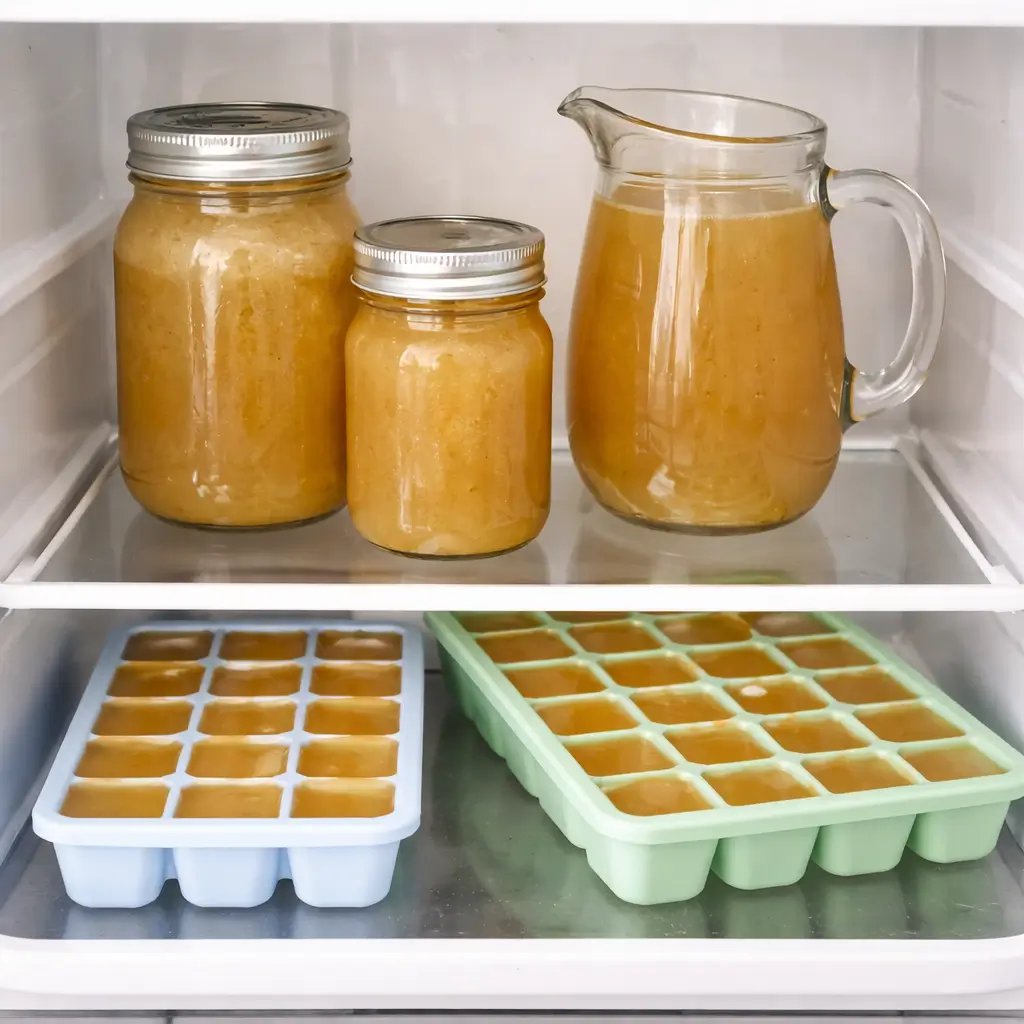
Proper storage ensures your bone broth remains safe and nutritious.
Refrigerator Storage
Store broth in airtight containers in the refrigerator for up to five days. Glass containers are ideal as they don’t absorb odors or stain. Always use a clean utensil when removing broth to avoid introducing bacteria.
Freezer Storage
For longer storage, freeze broth in ice cube trays, silicone molds, or small containers. Frozen broth keeps for three to four months. Label containers with the date made. Thaw in the refrigerator or gently warm frozen portions—never leave broth at room temperature to thaw, as this encourages bacterial growth.
Frequently Asked Questions About Bone Broth for Cats
How much bone broth should I give my cat?
Start with one to two tablespoons daily and observe how your cat responds. Most cats can enjoy up to a quarter cup daily, but individual tolerance varies. Introduce any new food gradually.
Can kittens have bone broth?
Weaned kittens can enjoy small amounts of bone broth as a supplement to their regular kitten food. The nutrients support growth and development. Keep portions small, as kittens need the bulk of their nutrition from complete kitten food.
My cat has diabetes. Is bone broth safe?
Plain bone broth contains minimal carbohydrates and is generally safe for diabetic cats. However, always consult your veterinarian regarding dietary additions for diabetic cats.
Can I use fish bones?
While possible, fish bone broth is trickier to prepare safely because fish bones are small and more difficult to strain completely. If you want to try fish broth, use heads and spines from larger fish, strain exceptionally carefully through multiple layers of cheesecloth, and inspect the finished broth thoroughly for any bone fragments.
Does bone broth replace water?
No. Bone broth supplements hydration but should not replace fresh water. Always ensure your cat has access to clean drinking water regardless of broth consumption.
Purchasing Commercial Bone Broth for Cats
If making your own broth isn’t practical, several companies now produce bone broth specifically formulated for pets. When purchasing commercial products, verify that the ingredient list contains no onions, garlic, or excessive sodium. Look for products specifically labeled for cats or pets, not for human consumption. Choose products with simple, recognizable ingredients, and select reputable brands with transparent sourcing.
Read reviews from other cat owners and consult your veterinarian if you’re unsure about a particular product.
Conclusion: Nourishing Your Cat with Love and Safety
Throughout this guide, we’ve explored why bone broth for cats has become such a valued addition to holistic feline care. From enhanced hydration that supports urinary and kidney health to natural collagen for cats that maintains joint flexibility and comfort, the benefits are numerous and well-documented.
We’ve walked through the complete process of creating safe homemade cat broth, emphasizing the critical safety steps that protect your cat from harm: never using toxic ingredients like onions or garlic, always removing all bone fragments through careful straining, and skimming away excess fat to prevent pancreatitis.
We’ve also discussed when caution is warranted—for cats with kidney disease, pancreatitis history, or food allergies—and emphasized that bone broth, wonderful as it is, serves as a supplement to rather than a replacement for balanced nutrition.
Making bone broth for your cat represents something beautiful: the intersection of traditional wisdom and modern nutritional understanding, prepared with love in your own kitchen. When you serve that warm, gelatinous broth to your cat and watch them lap it up eagerly, you’re providing nourishment that supports their body from the inside out.
I encourage you to try making bone broth for your feline companion. Start with a simple batch using chicken feet or necks, follow the safety guidelines carefully, and observe how your cat responds. Many pet parents tell me their cats seem more comfortable, more energetic, and more hydrated after incorporating bone broth into their routine.
As with any dietary change, introduce bone broth gradually and watch for any adverse reactions. When in doubt, consult your veterinarian—they know your cat’s individual health needs and can provide personalized guidance.
Here’s to happy, healthy cats and the humans who love them enough to cook for them safely.
This article provides general information about feline nutrition and is not a substitute for professional veterinary advice. Always consult your veterinarian before making significant changes to your cat’s diet, especially if your cat has existing health conditions.