
Can Cats Eat Pepperoni? Safety, Risks & Hidden Dangers

We’ve all been there. You’re settling in for a cozy evening with a fresh pizza, and within seconds, your cat appears as if summoned by some ancient feline instinct. Those wide, pleading eyes lock onto that glistening slice of pepperoni-topped goodness, and suddenly you’re faced with a dilemma every cat owner knows too well. Can cats eat pepperoni? Should you give in to those adorable begging tactics and share a piece with your furry companion?
Table of Contents
As someone who has spent years studying feline nutrition and helping cat owners navigate the complex world of what’s safe for their pets, I need to give you a straightforward answer: pepperoni is not safe for cats. While a tiny accidental nibble is unlikely to cause an emergency, this popular pizza topping contains multiple ingredients that pose genuine health risks to our feline friends. In this comprehensive guide, I’ll walk you through exactly why pepperoni is dangerous, what symptoms to watch for, and most importantly, how you can satisfy your cat’s meat cravings safely with homemade alternatives that won’t compromise their health.
The Short Answer: Can Cats Eat Pepperoni?
No, cats should not eat pepperoni. This processed meat contains dangerously high levels of sodium, excessive saturated fat, and toxic spices including garlic powder and onion powder. These ingredients can cause sodium ion poisoning, trigger pancreatitis, and lead to hemolytic anemia in cats. While cats are obligate carnivores who need meat to thrive, pepperoni is the wrong kind of meat entirely. The risks far outweigh any nutritional benefit, making this a food that belongs firmly on the “do not feed” list for responsible cat owners.
Understanding Why Cats Beg for Pepperoni
Before we dive into the specific dangers, it’s worth understanding why your cat seems so irresistibly drawn to pepperoni in the first place. Cats are obligate carnivores, meaning their bodies are designed to derive nutrition primarily from animal protein. Unlike dogs or humans, cats cannot thrive on plant-based diets and require specific amino acids found only in meat, such as taurine.
When your cat smells pepperoni, their predatory instincts kick in. They detect the rich, meaty aroma and their brain signals that this could be a valuable protein source. Unfortunately, your cat’s ancient instincts haven’t evolved to recognize the dangers of heavily processed, spiced, and preserved meats. In the wild, a cat’s prey doesn’t come pre-seasoned with garlic, loaded with preservatives, or cured in excessive amounts of salt.
This is why we, as pet owners, must be the gatekeepers. Our cats don’t know that the tempting smell of pepperoni masks ingredients that could seriously harm them. They’re simply following millions of years of evolutionary programming that tells them “meat equals survival.” It’s our job to redirect this instinct toward foods that are genuinely beneficial for their health.
A Complete Ingredient Analysis: What Makes Pepperoni Dangerous
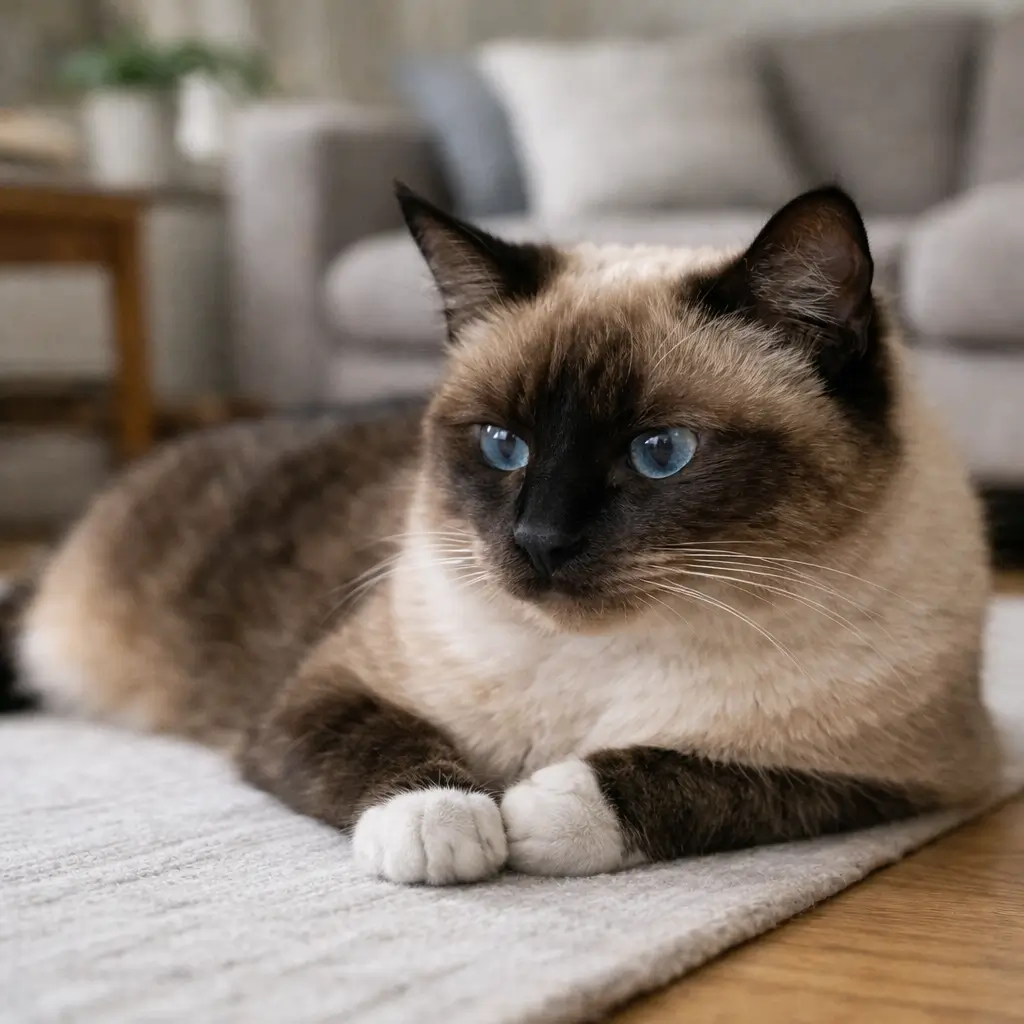
To truly understand why pepperoni poses such a threat to your cat’s wellbeing, we need to examine its composition. Commercial pepperoni is a cured sausage made from a mixture of beef and pork, heavily seasoned and processed to achieve its distinctive flavor and shelf stability. Let’s break down the problematic components.
Sodium: The Silent Threat in Every Slice
The sodium content in pepperoni is staggeringly high when considered from a feline perspective. A single ounce of pepperoni can contain over 400 milligrams of sodium. To put this in context, an average ten-pound cat requires only about 21 milligrams of sodium per day as a minimum, with most commercial cat foods providing around 40-80 milligrams per serving.
Feeding your cat even a small piece of pepperoni delivers a sodium dose that far exceeds their daily requirements. Cats’ bodies are not designed to process large amounts of salt efficiently, and excessive sodium intake can lead to a condition called sodium ion poisoning. This is a serious medical emergency that can develop when a cat consumes too much salt without adequate access to water.
Symptoms of sodium poisoning in cats include excessive thirst and urination, vomiting, diarrhea, tremors, elevated body temperature, and in severe cases, seizures. Chronic exposure to high-sodium foods can also contribute to hypertension and place unnecessary strain on your cat’s kidneys and cardiovascular system. Given that kidney disease is already one of the most common health issues affecting older cats, adding extra sodium stress through treats like pepperoni is simply not worth the risk.
Garlic and Onion Powder: Hidden Toxins in Every Bite
Perhaps the most alarming ingredients in pepperoni are the seasonings that give it its characteristic flavor. Garlic powder and onion powder are standard components in virtually all commercial pepperoni recipes, and both belong to the Allium family of plants that are toxic to cats.
When a cat ingests garlic or onion in any form, the compounds within these ingredients, particularly organosulfur compounds, attack the red blood cells. These compounds cause oxidative damage to the hemoglobin, leading to a condition called Heinz body anemia or hemolytic anemia. Essentially, the cat’s red blood cells become damaged and rupture, reducing the blood’s ability to carry oxygen throughout the body.
Garlic toxicity symptoms in cats may not appear immediately. It can take several days for the effects to become apparent, which makes this danger particularly insidious. Early signs include lethargy, weakness, pale gums, rapid breathing, and decreased appetite. The cat may also produce dark-colored urine due to the breakdown of red blood cells. If left untreated, severe cases can be fatal.
What makes this especially concerning is that garlic is considered more potent than onion in terms of toxicity. Studies indicate that garlic can be up to five times more toxic to cats than onions. Since pepperoni manufacturers use concentrated powder forms of these seasonings, even a small piece of pepperoni contains a concerning amount of these harmful compounds.
Excessive Fat Content: A Recipe for Pancreatitis
Pepperoni is a high-fat food by design. The fat content contributes to its flavor, texture, and the satisfying way it crisps up when cooked. However, this same quality makes it potentially dangerous for cats.
A cat’s digestive system is adapted to process moderate amounts of animal fat as part of a balanced prey-based diet. When cats in the wild consume their prey, they’re eating a natural ratio of protein, fat, and moisture that their bodies can handle efficiently. Pepperoni, on the other hand, delivers a concentrated dose of saturated fat without the accompanying nutrients and moisture that would normally come with fresh meat.
Consuming high-fat foods can trigger pancreatitis in cats, a painful and potentially life-threatening inflammation of the pancreas. The pancreas is responsible for producing digestive enzymes and insulin. When overwhelmed by excessive fat, it can become inflamed, causing the enzymes to begin digesting the organ itself.
Pancreatitis symptoms include severe abdominal pain, vomiting, diarrhea, loss of appetite, lethargy, and fever. Cats with pancreatitis often adopt a hunched posture due to abdominal discomfort. This condition requires immediate veterinary care and can result in hospitalization, fluid therapy, and extensive treatment. Some cats develop chronic pancreatitis that affects them for the rest of their lives.
Processed Meat Risks for Felines: Beyond the Obvious
Beyond the specific ingredients we’ve discussed, pepperoni carries additional risks simply by virtue of being a heavily processed meat product. The curing process involves multiple additives designed to preserve the meat, enhance color, and prevent bacterial growth.
Processed meats are also calorie-dense, meaning even small amounts can contribute significantly to weight gain. Feline obesity is a growing epidemic that predisposes cats to diabetes, joint problems, and reduced quality of life. Offering high-calorie processed treats like pepperoni, even occasionally, can push your cat’s daily caloric intake above healthy levels.
Recognizing the Warning Signs: When to Seek Veterinary Care
If your cat has managed to steal a piece of pepperoni or you’ve unknowingly shared some with them in the past, don’t panic. A single small exposure is unlikely to cause an immediate emergency in most healthy adult cats. However, you should monitor your cat closely for the next 24-72 hours and contact your veterinarian if you notice any concerning symptoms.
Watch for signs of gastrointestinal distress including vomiting, diarrhea, or loss of appetite. Excessive thirst combined with frequent urination could indicate that your cat’s body is trying to flush out excess sodium. Lethargy, weakness, or changes in your cat’s normal behavior warrant attention.
If your cat has consumed a significant amount of pepperoni, or if you notice pale or yellowish gums, labored breathing, collapse, or seizures, treat this as an emergency and seek veterinary care immediately. These symptoms could indicate sodium ion poisoning or the onset of anemia from garlic toxicity.
Kittens, senior cats, and cats with pre-existing health conditions such as kidney disease, heart conditions, or diabetes are at higher risk of experiencing severe reactions and should be monitored more carefully.
Better Than Pepperoni: Safe Homemade Treat Recipe
I understand the desire to share food with your cat. There’s something deeply satisfying about watching your furry companion enjoy a special treat, and I believe every cat deserves those moments of joy. The good news is that you can absolutely give your cat a meat-based snack that’s just as appealing as pepperoni without any of the dangers.
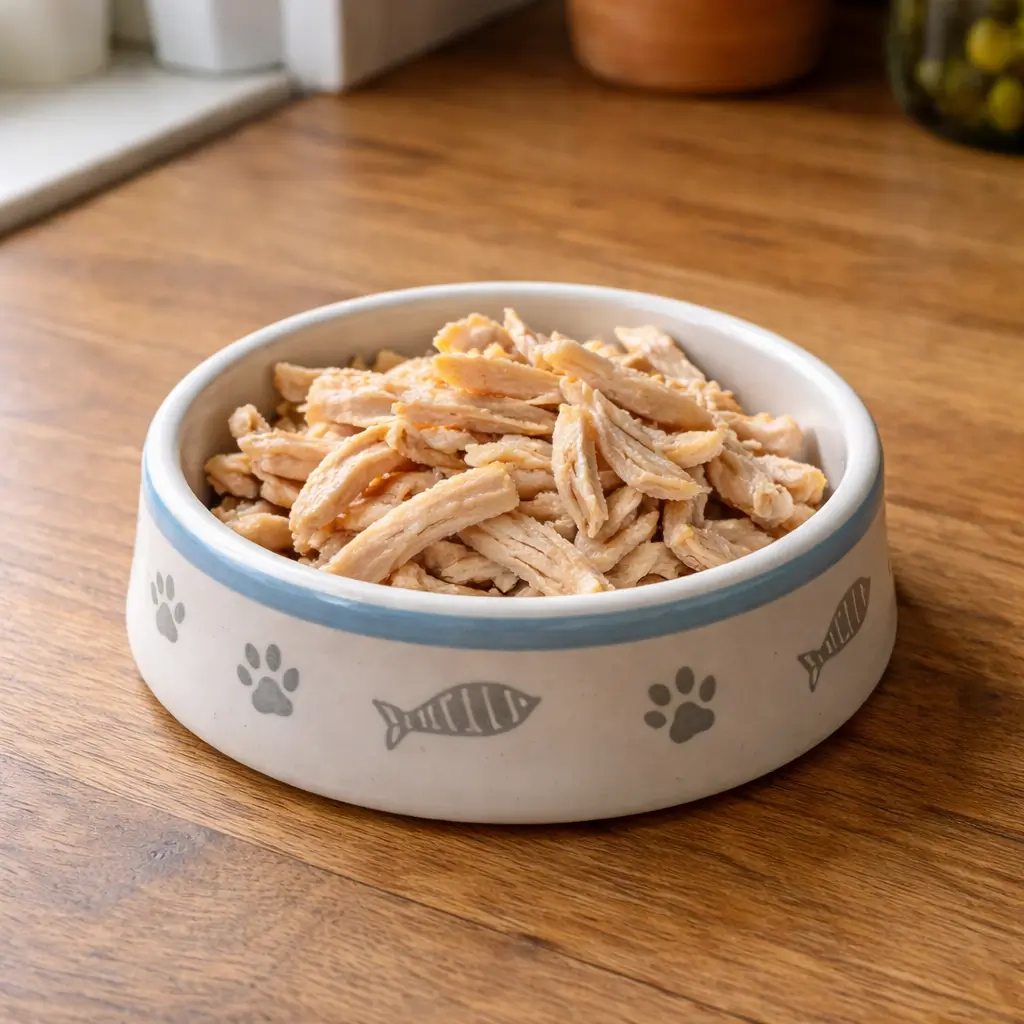
The following recipe for plain dehydrated meat treats creates a chewy, jerky-like snack that satisfies your cat’s carnivorous cravings. Unlike pepperoni, this homemade cat jerky contains no salt, no garlic, no onion, and no questionable preservatives. It’s simply pure, concentrated meat flavor that your cat will love.
Cat-Safe Jerky: Homemade Dehydrated Meat Treats
Ingredients: You will need approximately one pound of lean, boneless meat. Chicken breast works wonderfully due to its mild flavor and lean composition, but you can also use lean beef such as eye of round or sirloin with visible fat trimmed away. Whatever protein you choose, ensure it’s fresh and free from any marinades, seasonings, or added sodium solutions, which are sometimes injected into packaged poultry.
Preparation Instructions: Begin by placing your meat in the freezer for about one to two hours until it’s firm but not frozen solid. This partial freezing makes the meat much easier to slice thinly and uniformly. While the meat is chilling, preheat your oven to its lowest setting, ideally around 150-170°F (65-75°C). If your oven doesn’t go this low, set it to the minimum temperature available and prop the door open slightly with a wooden spoon to allow moisture to escape.
Once the meat is properly chilled, use a sharp knife to slice it into thin strips approximately one-quarter inch thick. Aim for uniformity so all pieces dry at the same rate. Remove any remaining visible fat, as fat can cause the treats to spoil more quickly during storage.
Line a baking sheet with parchment paper and arrange the meat strips in a single layer, ensuring they don’t overlap. Place the baking sheet in the oven and allow the meat to dry for approximately three to four hours for chicken or four to six hours for beef. The exact timing depends on the thickness of your slices and your oven’s actual temperature.
The treats are ready when they’re fully dried and have a leathery, slightly flexible texture. They should bend without snapping but should not feel moist or spongy. Allow them to cool completely before storing in an airtight container in the refrigerator, where they’ll keep for up to two weeks.
Why This Treat Is Superior: This simple homemade alternative delivers everything your cat actually needs from a meat treat without any of the dangerous additions found in pepperoni. You’re providing high-quality animal protein in a form that’s easy to digest, with no sodium overload threatening their kidneys, no toxic seasonings attacking their red blood cells, and no excessive fat risking pancreatitis. Your cat gets the chewy, meaty satisfaction they’re craving, and you get the peace of mind knowing you’re supporting their health rather than compromising it.
Important Disclaimer: Remember that even healthy treats should be given in moderation. Treats of any kind, including homemade dehydrated meat, should comprise no more than ten percent of your cat’s daily caloric intake. The remaining ninety percent should come from nutritionally complete and balanced cat food. An average indoor cat needs approximately 200-250 calories per day, meaning treats should account for no more than 20-25 calories. These dehydrated meat treats contain roughly 30-40 calories per ounce, so adjust portion sizes accordingly.
Safe Cat Treats: Other Alternatives Worth Considering
Beyond homemade jerky, there are several other safe cat treats you can offer when you want to indulge your feline friend. Small pieces of plain, cooked chicken, turkey, or fish make excellent occasional treats. Always ensure the meat is fully cooked, unseasoned, and boneless.
Some cats enjoy small amounts of plain, cooked egg, which provides protein and essential amino acids. Others appreciate tiny portions of plain cooked pumpkin, which can also support digestive health.
If you prefer commercial treats, look for products specifically formulated for cats with limited, recognizable ingredients. Avoid anything containing garlic, onion, excessive sodium, or artificial additives. Freeze-dried single-ingredient treats have become increasingly popular and offer convenience without the risks associated with heavily processed options.
Protecting Your Cat: Prevention Strategies
The best approach to keeping your cat safe from pepperoni is prevention. When enjoying pizza or other pepperoni-containing foods, do so in a space where your cat cannot easily access your plate. If your cat is particularly persistent, consider confining them to another room during meals or providing them with their own special cat-safe treat at the same time to redirect their attention.
Educate all family members and household guests about the dangers of feeding pepperoni and other harmful human foods to your cat. Well-meaning visitors may not realize the risks and could slip your cat a “treat” thinking they’re being kind.
Store pepperoni and other potentially harmful foods securely. Cats are remarkably clever and determined when food is involved, and an unattended pizza box or an open refrigerator can quickly become an opportunity for a dangerous snack.
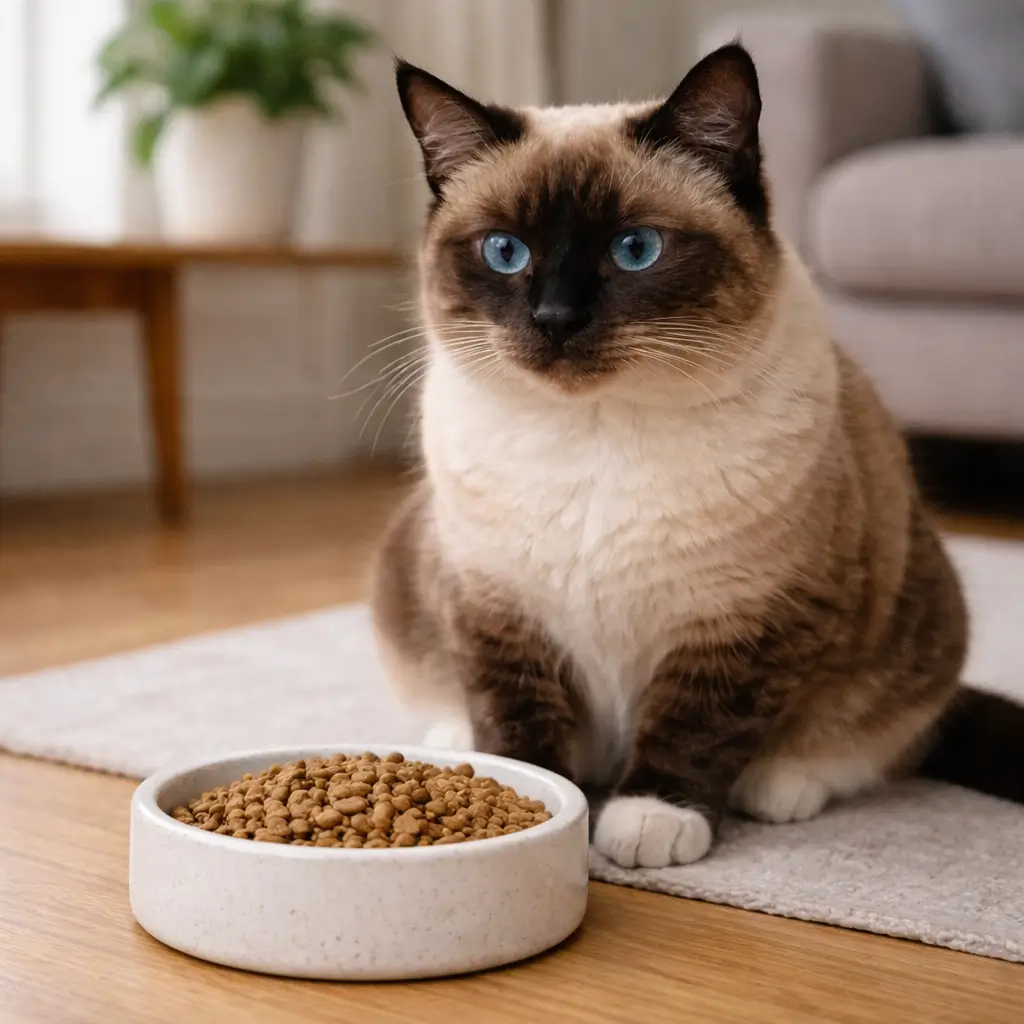
Conclusion: Love Your Cat, Skip the Pepperoni
Can cats eat pepperoni? The answer remains a definitive no. While I understand the impulse to share our favorite foods with our beloved pets, pepperoni’s combination of excessive sodium, toxic seasonings like garlic and onion powder, and dangerously high fat content makes it entirely unsuitable for feline consumption. The risks, including sodium ion poisoning, garlic toxicity symptoms leading to anemia, and pancreatitis, are simply too serious to ignore.
The good news is that satisfying your cat’s meat cravings doesn’t require putting their health at risk. By preparing simple homemade cat jerky using lean, unseasoned meat, you can offer a treat that delivers the flavor and texture cats love without any of the dangerous additives. Your cat won’t know the difference between pepperoni and plain dehydrated chicken, but their body certainly will.
As responsible pet owners, we serve as the guardians of our cats’ health. They trust us to make good decisions on their behalf, even when their pleading eyes suggest otherwise. By choosing safe cat treats and keeping processed meat risks for felines in mind, we honor that trust and help ensure our furry companions live long, healthy, and happy lives. The next time your cat begs for a slice of your pepperoni pizza, remember that saying no today means more years of companionship tomorrow.