
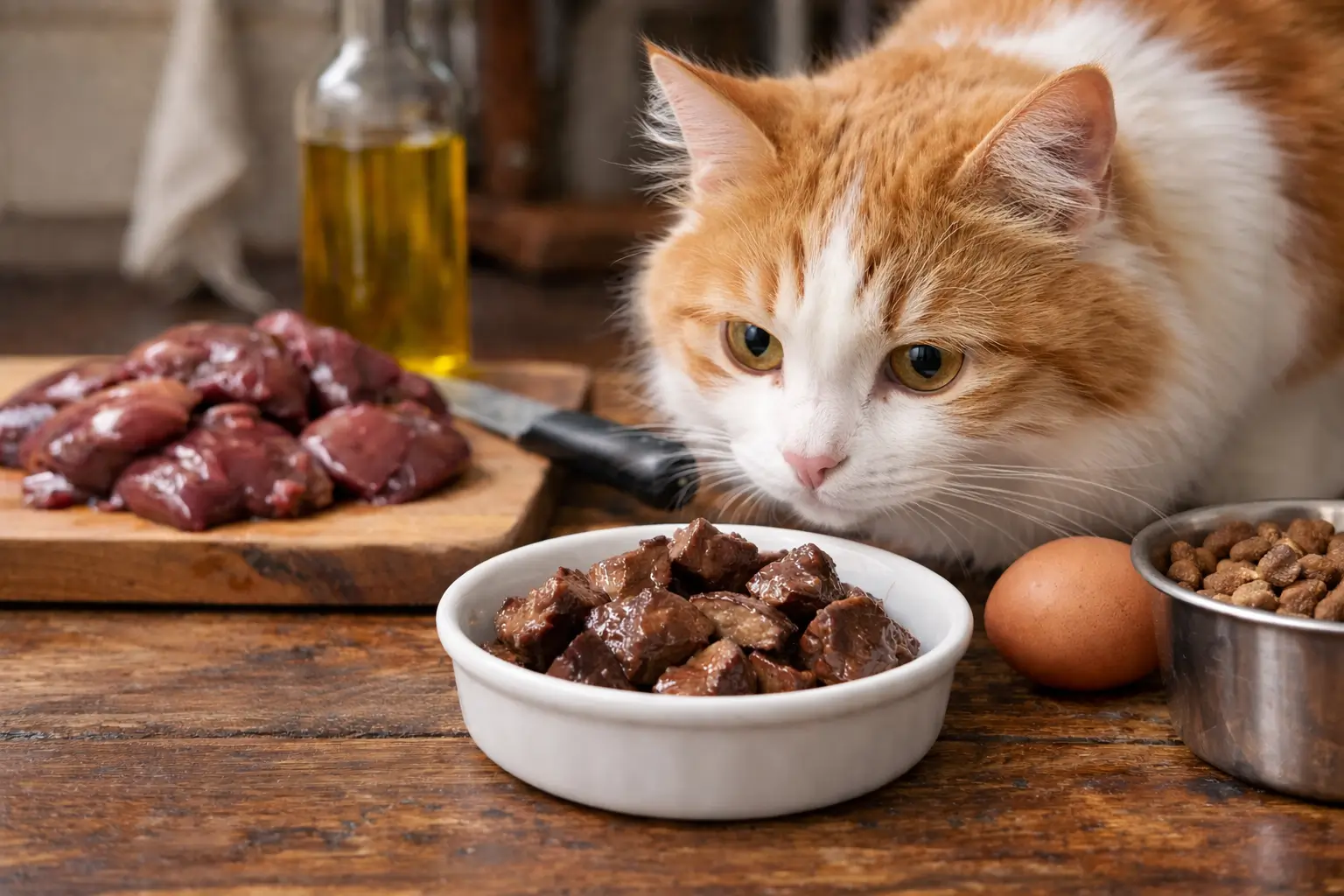
Can Cats Eat Chicken Liver? Benefits & Risks Explained

One of the most common questions among health-conscious cat owners concerns organ meats. The humble chicken liver sits in a peculiar nutritional gray zone—celebrated as a nutrient powerhouse by some, feared as a potential toxin by others. So, can cats eat chicken liver? The answer requires nuance, and getting it wrong could genuinely harm your beloved companion.
Table of Contents
I compiled this guide because strictly following veterinary recommendations is crucial. There are documented cases of cats suffering from serious skeletal issues due to well-meaning owners feeding liver daily. On the other hand, avoiding liver entirely means missing out on one of nature’s most bioavailable sources of essential nutrients. My goal here is to give you the complete picture based on expert guidelines—the genuine benefits, the real risks, and most importantly, the safe feeding practices.
Let’s settle this debate once and for all.
Can Cats Eat Chicken Liver?
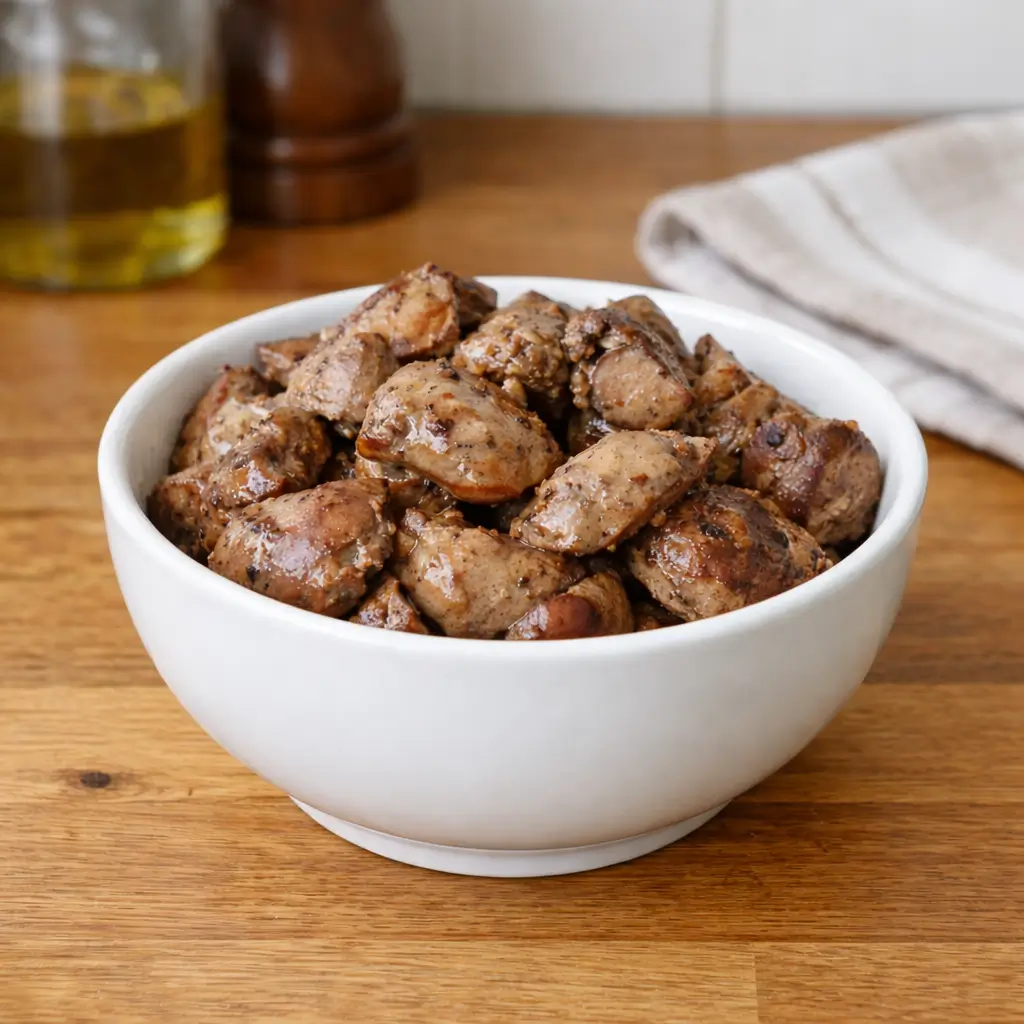
Yes, cats can eat chicken liver, but only in strict moderation. Chicken liver is safe and nutritious for most healthy cats when it comprises no more than 5% of their total diet—roughly equivalent to feeding a small portion once or twice per week. While liver provides exceptional levels of Vitamin A, iron, and B vitamins that support feline health, overfeeding can lead to Vitamin A toxicity (hypervitaminosis A), a serious condition causing bone deformities and joint pain. Always introduce liver gradually, cook it lightly to reduce bacterial risks, and consult your veterinarian before adding it to your cat’s regular diet.
Why Chicken Liver Appeals to Cat Owners
Before we dive into the warnings, I want to acknowledge why this food captures so much interest. There’s a reason your cat goes absolutely wild when they smell liver cooking in your kitchen.
The Ancestral Connection
Cats are obligate carnivores, meaning their bodies evolved to derive nutrition exclusively from animal tissue. In the wild, a cat consuming prey would eat the entire animal—muscle meat, organs, and bones. The liver, in particular, represented a concentrated source of nutrients that wild cats instinctively sought out. This evolutionary history explains why most domestic cats find liver irresistible.
The Nutrient Density Argument
Chicken liver is, gram for gram, one of the most nutrient-dense foods available. It contains nutrients in highly bioavailable forms, meaning your cat’s body can absorb and utilize them efficiently. For cats eating primarily processed commercial food, a small amount of liver can provide nutritional variety that mimics the diversity of a natural diet.
Nutritional Benefits of Liver for Cats
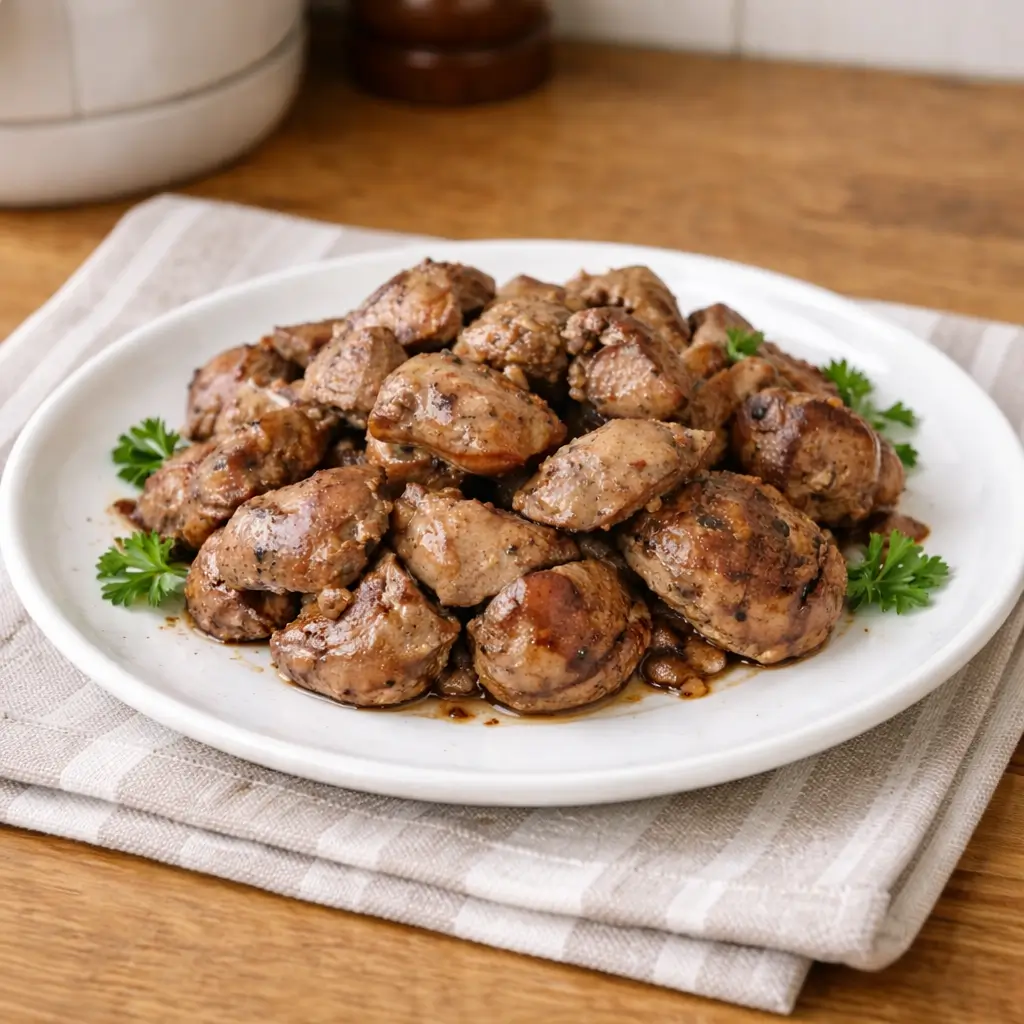
When fed appropriately, chicken liver offers genuine health benefits. Understanding these advantages helps explain why liver has a place in feline nutrition—and why the key phrase is “appropriately.”
Vitamin A in Its Preformed State
Cats cannot convert beta-carotene (the precursor found in plants) into Vitamin A. They require preformed Vitamin A, which is found abundantly in animal liver. This nutrient supports vision health, immune function, reproductive health, and skin integrity. A single ounce of chicken liver contains approximately 4,900 IU of Vitamin A—which is precisely why moderation matters so critically.
Exceptional B Vitamin Profile
Chicken liver provides outstanding levels of B vitamins, particularly B12, riboflavin, folate, and niacin. These vitamins support energy metabolism, red blood cell formation, and neurological function. For cats recovering from illness or those with diminished appetite, the B vitamin content in liver can provide a meaningful nutritional boost.
Highly Absorbable Iron
The heme iron found in liver is significantly more bioavailable than iron from plant sources or supplements. This makes liver valuable for supporting healthy red blood cell production. Cats recovering from blood loss or those with certain anemic conditions may benefit from the iron content—though this should always be managed under veterinary supervision.
Quality Protein and Amino Acids
Liver provides complete protein containing all essential amino acids cats require, including taurine. While muscle meats also provide these amino acids, liver offers them in a different matrix alongside the organ-specific nutrients mentioned above.
Additional Trace Nutrients
Chicken liver contains copper, zinc, phosphorus, and selenium in meaningful amounts. These trace minerals support enzyme function, immune response, and cellular health throughout your cat’s body.
The Critical Danger: Vitamin A Toxicity in Cats
Here’s where I need your full attention. This section could save your cat from serious harm.
Understanding Hypervitaminosis A
Vitamin A toxicity, or hypervitaminosis A, is a genuine medical condition that develops when cats consume excessive Vitamin A over time. Unlike water-soluble vitamins that the body excretes when consumed in excess, Vitamin A is fat-soluble and accumulates in the liver and fatty tissues. When storage capacity is exceeded, toxic effects begin.
The National Research Council’s guidelines suggest that adult cats require approximately 63 micrograms of retinol activity equivalents (RAE) per kilogram of body weight daily. The safe upper limit before toxicity risk increases is roughly 100,000 IU per kilogram of diet on a dry matter basis, according to AAFCO guidelines. However, chronic moderate excess over months or years can still cause problems well before these acute toxicity thresholds.
How Quickly Can Toxicity Develop?
Hypervitaminosis A typically develops from chronic oversupplementation rather than a single large dose. In cats fed liver as a dietary staple, clinical signs may appear within months of regular overconsumption. I’ve seen cases develop in as little as three to four months when owners fed liver daily, and I’ve seen cases take over a year when the excess was more moderate.
Recognizing the Symptoms
The clinical signs of Vitamin A toxicity in cats are distinctive and often irreversible once advanced. Watch for these warning signs:
Early symptoms include lethargy, decreased appetite, weight loss, and a rough or unkempt coat. Your cat may seem stiff or reluctant to move normally.
Progressive symptoms involve visible changes in posture and movement. Cats develop a characteristic hunched stance and may resist having their neck or spine touched. They often become reluctant to groom, jump, or play.
Advanced symptoms include the development of bony growths (exostoses) along the spine and joints, particularly affecting the cervical vertebrae (neck). These bone spurs can fuse vertebrae together, causing permanent loss of mobility. Joint pain becomes chronic and debilitating.
Critical point: The skeletal changes from hypervitaminosis A are largely irreversible. Once bone deformities and fusions occur, they cannot be undone. Prevention through proper feeding is infinitely better than attempting treatment after damage has occurred.
Cats at Higher Risk
Some cats face elevated risk from excessive Vitamin A. Kittens and growing cats are more susceptible because their rapidly developing skeletons are more vulnerable to disruption. Older cats may also be at higher risk due to decreased metabolic efficiency. Cats already receiving Vitamin A supplementation through fortified commercial foods should have liver intake carefully monitored to avoid additive effects.
Chicken Liver for Cats: Raw vs. Cooked
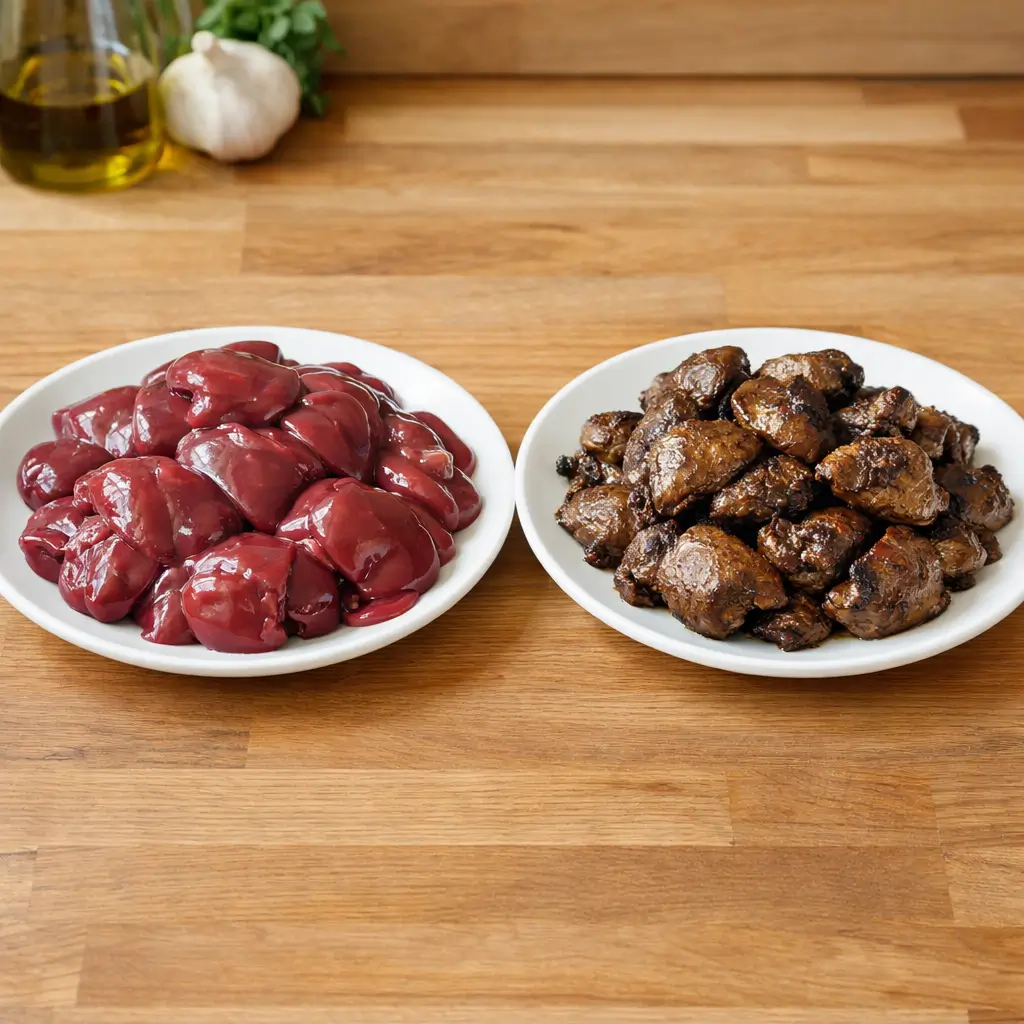
This debate generates significant discussion among cat owners, and I want to provide you with a balanced, evidence-based perspective.
The Case for Raw Feeding
Proponents of raw feeding argue that cooking destroys heat-sensitive nutrients, particularly certain B vitamins and enzymes. They point to the evolutionary diet of wild cats, which consisted entirely of raw prey. Some nutrients are indeed more bioavailable in their raw state, and the texture and taste of raw liver often proves extremely appealing to cats.
The Bacterial Reality
However, raw chicken liver carries genuine bacterial risks that cannot be dismissed. Studies consistently identify Salmonella and Campylobacter on raw poultry products, including organ meats. According to food safety research, Salmonella contamination rates in raw poultry liver can range from 15% to over 60% depending on sourcing and handling.
While cats possess shorter digestive tracts and more acidic stomach environments than humans, they are not immune to bacterial infections. Salmonellosis in cats can cause fever, vomiting, diarrhea, and in severe cases, septicemia. Beyond your cat’s health, raw feeding creates zoonotic risk—bacterial pathogens shed in your cat’s feces can infect human family members, particularly children, elderly individuals, or immunocompromised persons.
My Professional Recommendation
Lightly cooking chicken liver offers the best balance of safety and nutrition. Brief cooking to an internal temperature of 165°F (74°C) eliminates the most dangerous pathogens while preserving the majority of nutritional value. Yes, some heat-sensitive vitamins diminish slightly, but the minerals, Vitamin A, and protein remain largely intact.
For most households, the reduction in bacterial risk far outweighs the modest nutrient loss from cooking. If you choose to feed raw despite these risks, source liver from reputable suppliers, handle it with strict hygiene protocols, and understand that you’re accepting increased health risk for both your cat and your family.
How Much Chicken Liver for Cats: Safe Portions
Getting the quantity right is essential. Too little provides minimal benefit; too much creates genuine danger.
The 5% Guideline
Veterinary nutritionists generally recommend that organ meats, including liver, comprise no more than 5% of a cat’s total diet. For a cat eating approximately 200 calories daily (typical for an average 10-pound adult cat), this translates to roughly 10 calories from liver—approximately 7 to 10 grams, or about one-third of an ounce.
In practical terms, this means feeding a small piece of liver about the size of a single grape, one to two times per week at most.
Calculating for Your Cat
Individual cats vary in size and caloric needs. A large Maine Coon may consume 300+ calories daily, while a small senior cat might eat only 150. The 5% guideline scales proportionally, but the principle remains constant: liver is a supplement to a balanced diet, never a foundation.
Why Weekly Limits Matter
Even following the 5% guideline, I recommend distributing liver feedings across the week rather than offering larger portions less frequently. This approach prevents digestive upset from rich foods and ensures Vitamin A intake stays well within safe cumulative ranges.
Digestive Considerations When Feeding Liver
Beyond the Vitamin A concern, liver’s richness poses digestive challenges that warrant attention.
The Richness Factor
Liver is significantly fattier and more nutrient-dense than muscle meat. Cats unaccustomed to rich foods may experience loose stools, vomiting, or decreased appetite after eating liver. These symptoms usually resolve quickly but indicate that introduction was too rapid or portions too large.
Gradual Introduction Protocol
When adding chicken liver to your cat’s diet for the first time, follow this gradual approach:
Week one: Offer a piece no larger than a pea, once during the week. Observe your cat’s stool quality and overall demeanor for any changes.
Week two: If no digestive upset occurred, increase slightly to a piece the size of a small grape, once during the week.
Week three and beyond: Assuming continued tolerance, you may establish a regular schedule of appropriate portions once or twice weekly.
This patience pays dividends in avoiding unpleasant (and messy) digestive reactions.
Safe Homemade Cat Treats: Two Liver Preparation Methods
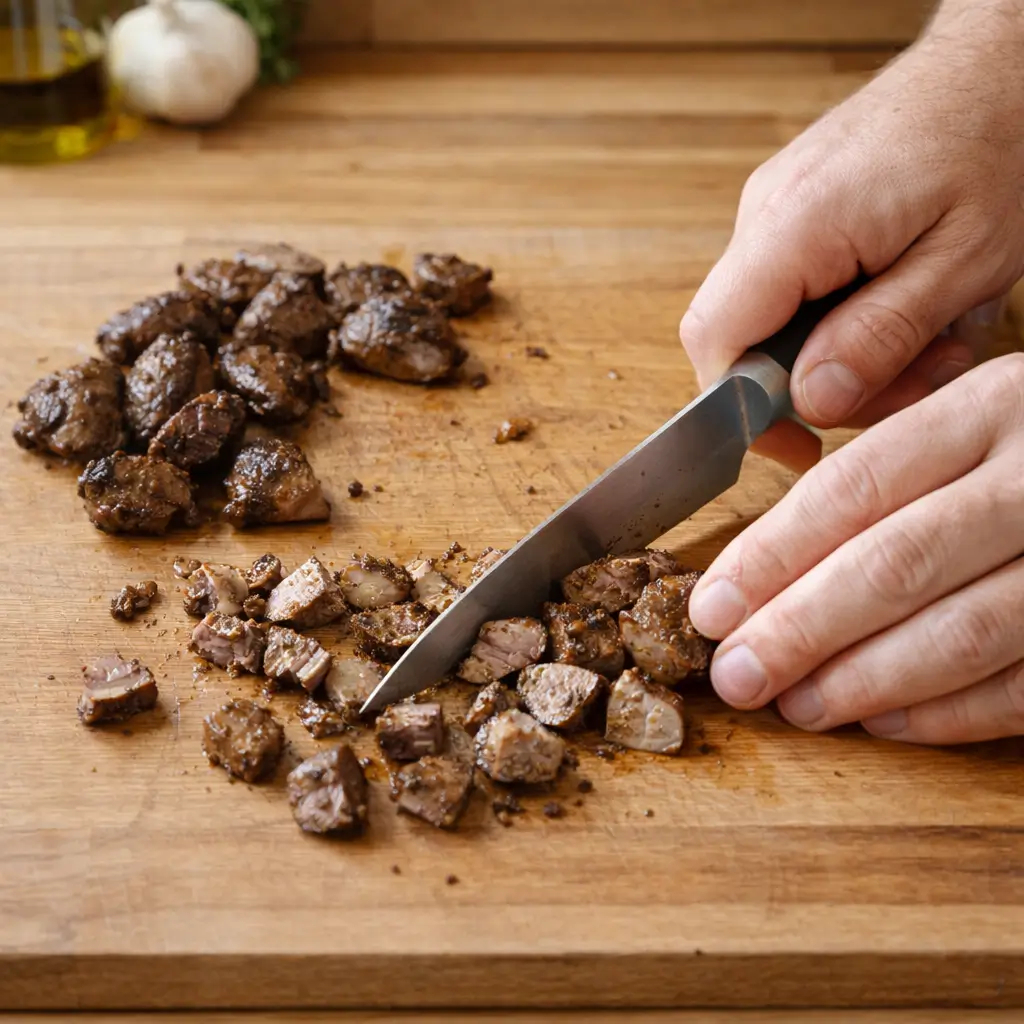
I’ve developed these preparation methods over years of advising cat owners who want to incorporate liver safely. Both methods prioritize safety while maintaining the nutritional benefits that make liver worthwhile.
Recipe 1: The “Nutrient Booster” Weekly Liver Topper
This straightforward approach creates portioned liver treats you can add to your cat’s regular food once or twice weekly. It’s designed for simplicity and safety.
Ingredients:
- 100 grams (approximately 3.5 ounces) fresh chicken liver
- Water for boiling
Preparation Steps:
- Rinse the chicken liver thoroughly under cool running water. Pat dry with paper towels and inspect for any discolored areas, which should be trimmed away.
- Bring a small pot of water to a gentle boil. Do not add salt, seasonings, garlic, onion, or any other flavorings—these can be harmful to cats.
- Place the liver in the boiling water and reduce heat to a simmer. Cook for 8 to 10 minutes until the liver is cooked through with no pink remaining in the center.
- Remove the liver and allow it to cool completely on a clean plate. Never feed hot liver to your cat.
- Once cooled, cut the liver into small pieces approximately grape-sized (7 to 10 grams each). Each piece represents one serving.
- Portion the pieces into an ice cube tray or small container. You should get approximately 10 to 14 portions from 100 grams of raw liver (which reduces slightly during cooking).
Storage: Refrigerate portions you’ll use within 3 to 4 days. Freeze remaining portions in a freezer-safe container for up to three months. Thaw frozen portions in the refrigerator overnight before serving.
Feeding Frequency: Serve one portion no more than twice per week, crumbled over your cat’s regular food or offered as a standalone treat.
Recipe 2: The Balanced Liver and Meat Mix
This preparation creates a more complete food mixture that can occasionally replace a portion of your cat’s regular meal. The ratio keeps liver as a nutrient enhancer rather than a primary ingredient.
Ingredients:
- 200 grams (approximately 7 ounces) boneless, skinless chicken breast
- 15 grams (approximately 0.5 ounces) chicken liver
- Water for cooking
This creates approximately a 93% muscle meat to 7% liver ratio—within safe parameters.
Preparation Steps:
- Rinse both the chicken breast and liver under cool running water. Pat dry and inspect for quality.
- Cut the chicken breast into small cubes, approximately 1-inch pieces.
- Place the chicken breast cubes in a pot and cover with water. Bring to a boil, then reduce to a simmer. Cook for 12 to 15 minutes until the chicken is fully cooked through.
- Add the chicken liver to the same pot during the final 8 to 10 minutes of cooking.
- Remove all meat from the water and allow to cool completely. You may reserve a small amount of the cooking liquid (unseasoned broth) to add moisture when serving.
- Once cooled, finely chop or pulse briefly in a food processor to create a texture appropriate for your cat. Do not puree into a paste—some texture is beneficial.
- Portion into servings appropriate for your cat’s size (typically 30 to 50 grams per serving for an average adult cat).
Storage: Refrigerate portions for use within 3 days. Freeze remaining portions for up to one month.
Feeding Frequency: This mixture can be offered as a meal replacement or supplement two to three times per week at most. It should not become the sole diet—commercial cat food formulated to AAFCO standards should remain the dietary foundation to ensure complete and balanced nutrition.
Important Disclaimer on Homemade Cat Food
I strongly recommend consulting your veterinarian before making any significant changes to your cat’s diet. Homemade food additions like these liver preparations are intended as supplements to a complete commercial diet, not replacements.
Cats with existing health conditions—including kidney disease, liver disease, hyperthyroidism, or any condition affecting nutrient metabolism—may require modified guidelines or should avoid liver entirely. Pregnant and nursing cats have different nutritional requirements that warrant veterinary guidance. Kittens under one year of age should have any dietary additions specifically approved by their veterinarian.
When to Avoid Feeding Chicken Liver Entirely
Certain situations call for eliminating liver from your cat’s diet altogether. If any of the following apply, skip the liver and discuss alternatives with your veterinarian:
Cats receiving Vitamin A supplements: Adding liver to an already supplemented diet dramatically increases toxicity risk.
Cats eating prescription diets: These foods are precisely formulated for specific health conditions, and additions may compromise their therapeutic benefit.
Cats with known liver disease: The irony isn’t lost here—cats with liver dysfunction should not consume additional liver. Their compromised organs may not process the concentrated nutrients appropriately.
Cats with copper storage disease: Liver contains significant copper, which can be harmful for cats with this condition.
Cats with unexplained lethargy or stiffness: These symptoms could indicate early hypervitaminosis A, and liver feeding should cease pending veterinary evaluation.
Recognizing Quality Chicken Liver
Not all chicken liver is created equal. Sourcing matters for both safety and nutritional quality.
What to Look For
Fresh chicken liver should appear deep reddish-brown with a glossy, moist surface. It should smell fresh and faintly metallic—like blood, essentially—without any sour, ammonia-like, or “off” odors. The texture should be firm yet yielding, not mushy or slimy.
Sourcing Recommendations
Purchase chicken liver from reputable grocery stores or butchers with high turnover. If possible, choose organic or pasture-raised options, as these often come from birds raised without routine antibiotics and may have superior fatty acid profiles. Frozen liver from quality sources is perfectly acceptable and may actually be safer than fresh liver that has spent multiple days in refrigerated transit.
What to Avoid
Reject liver that appears grayish, greenish, or has dark spots. Avoid liver with a strong or unpleasant odor. Do not use liver that has been at room temperature for more than two hours or that has exceeded its “use by” date.
Frequently Asked Questions About Cats and Chicken Liver
Can kittens eat chicken liver?
Kittens can eat small amounts of cooked chicken liver, but their developing systems are more vulnerable to nutrient imbalances. I recommend waiting until kittens are at least four months old and keeping portions extremely small—about half the amount you’d give an adult cat. Always consult your veterinarian, as kittens’ primary nutrition should come from specially formulated kitten food.
My cat won’t eat anything else after trying liver. What should I do?
This is actually common. Liver’s intense flavor can make cats finicky about returning to regular food. Prevention is easier than correction—never offer liver as a standalone meal, always serve it as a small topper on regular food. If your cat is already holding out for liver, you’ll need to wait them out. Healthy cats will not starve themselves. Continue offering regular food, and your cat will eventually eat it.
Is beef liver or pork liver better than chicken liver for cats?
All liver carries similar Vitamin A toxicity concerns. Beef liver is actually higher in Vitamin A per gram than chicken liver, so portions should be even smaller. Pork liver falls between the two. Chicken liver is often the most affordable and accessible option, and cats typically find its flavor appealing. The safety guidelines apply regardless of the animal source.
Can I feed my cat chicken liver every day if I keep the portions very small?
No. Even very small daily portions cause cumulative Vitamin A intake to climb toward dangerous levels. The weekly approach allows your cat’s body to utilize stored Vitamin A between feedings, preventing accumulation. Daily feeding, even in tiny amounts, undermines this natural regulation.
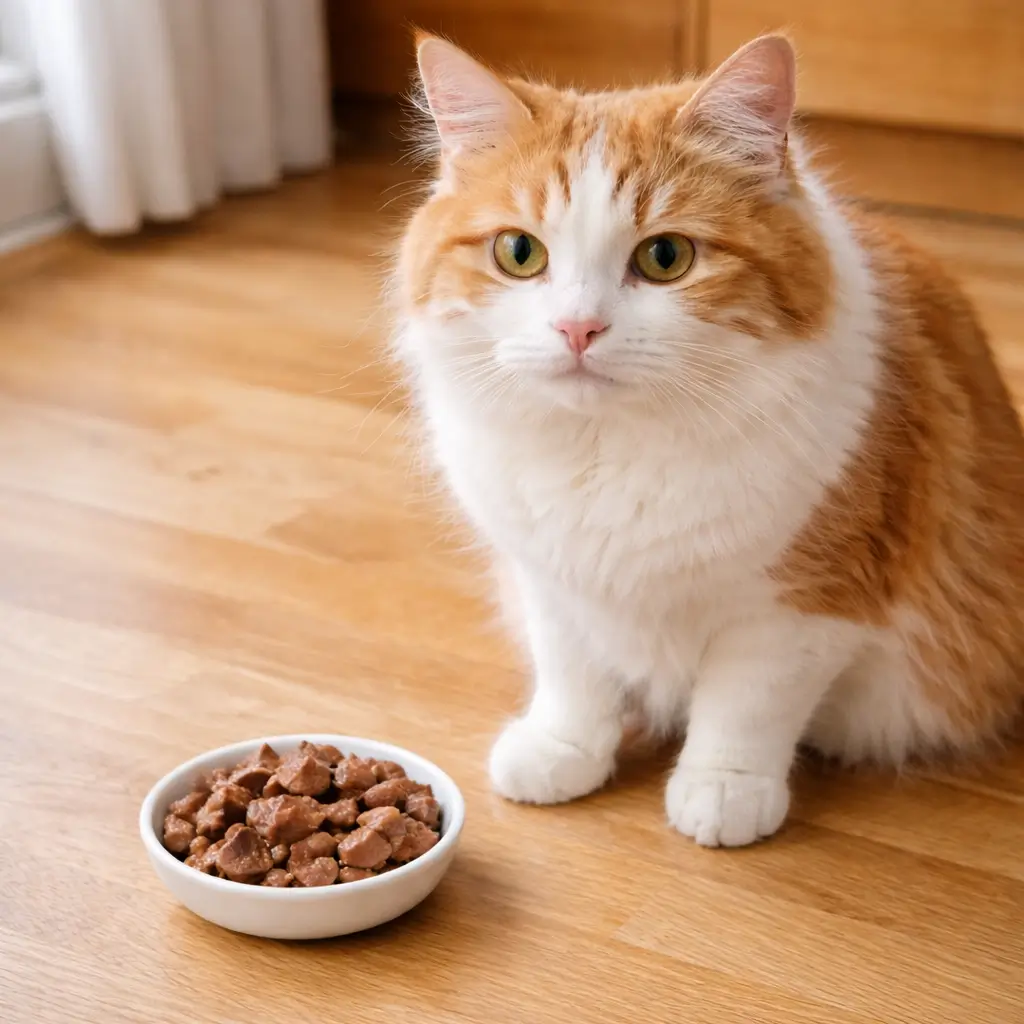
Conclusion: The Balanced Approach to Chicken Liver for Cats
So, can cats eat chicken liver? Absolutely—when offered with knowledge, moderation, and appropriate preparation. Chicken liver provides genuine nutritional benefits that can enhance your cat’s diet, supporting everything from vision health to immune function. The dense concentration of bioavailable vitamins and minerals makes it a legitimate “superfood” in the truest sense.
However, those same concentrated nutrients, particularly Vitamin A, demand respect and restraint. The 5% rule isn’t arbitrary; it’s grounded in preventing the very real, very painful, and largely irreversible consequences of hypervitaminosis A. One to two grape-sized portions per week, lightly cooked, offered as a treat or topper rather than a dietary foundation—this is the sweet spot where benefit outweighs risk.
I’ve seen chicken liver bring immense joy to cats and their owners when used appropriately. The excitement most cats display when they smell liver cooking genuinely brings a smile to my face. That excitement becomes concerning only when owners mistake their cat’s enthusiasm for permission to overfeed.
Trust the guidelines. Start slowly. Watch your cat’s response. And if you’re ever uncertain about how liver fits into your particular cat’s nutritional needs, consult your veterinarian. They can assess your cat’s overall diet, health status, and individual requirements to provide tailored guidance.
Your cat depends on you to make wise decisions about their nutrition. By reading this far, you’ve demonstrated your commitment to doing exactly that. Now you have the knowledge to add chicken liver to your cat’s life safely—as the occasional treat it should be, not the daily indulgence that could cause harm.