
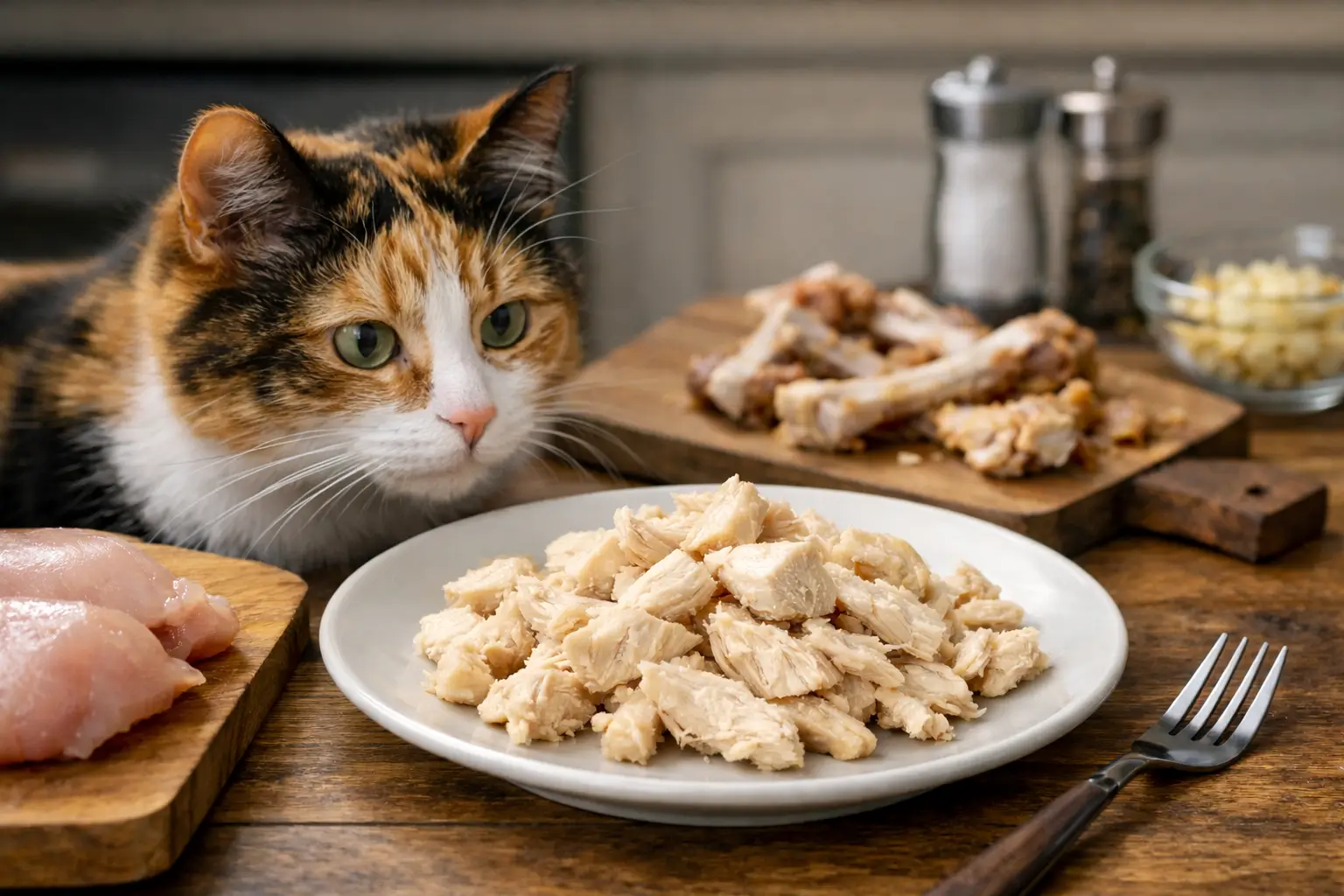
Can Cats Eat Chicken? Health Risks and Safety Tips

If you’ve ever sat down to enjoy a chicken dinner while your cat stares at you with those pleading eyes, you’ve probably wondered: can cats eat chicken safely? The short answer is yes—chicken can be a healthy and delicious treat for most cats when prepared correctly. However, there’s a significant difference between tossing your cat a piece of your seasoned rotisserie chicken and offering them properly prepared, plain chicken.
As a cat nutrition specialist, I’ve seen both the benefits and the dangers that chicken can pose to our feline friends. In this comprehensive guide, I’ll walk you through everything you need to know about feeding chicken to your cat, including the health risks to watch for and the safety tips that will keep your beloved companion healthy and happy.
Table of Contents
Is Chicken Safe for Cats?
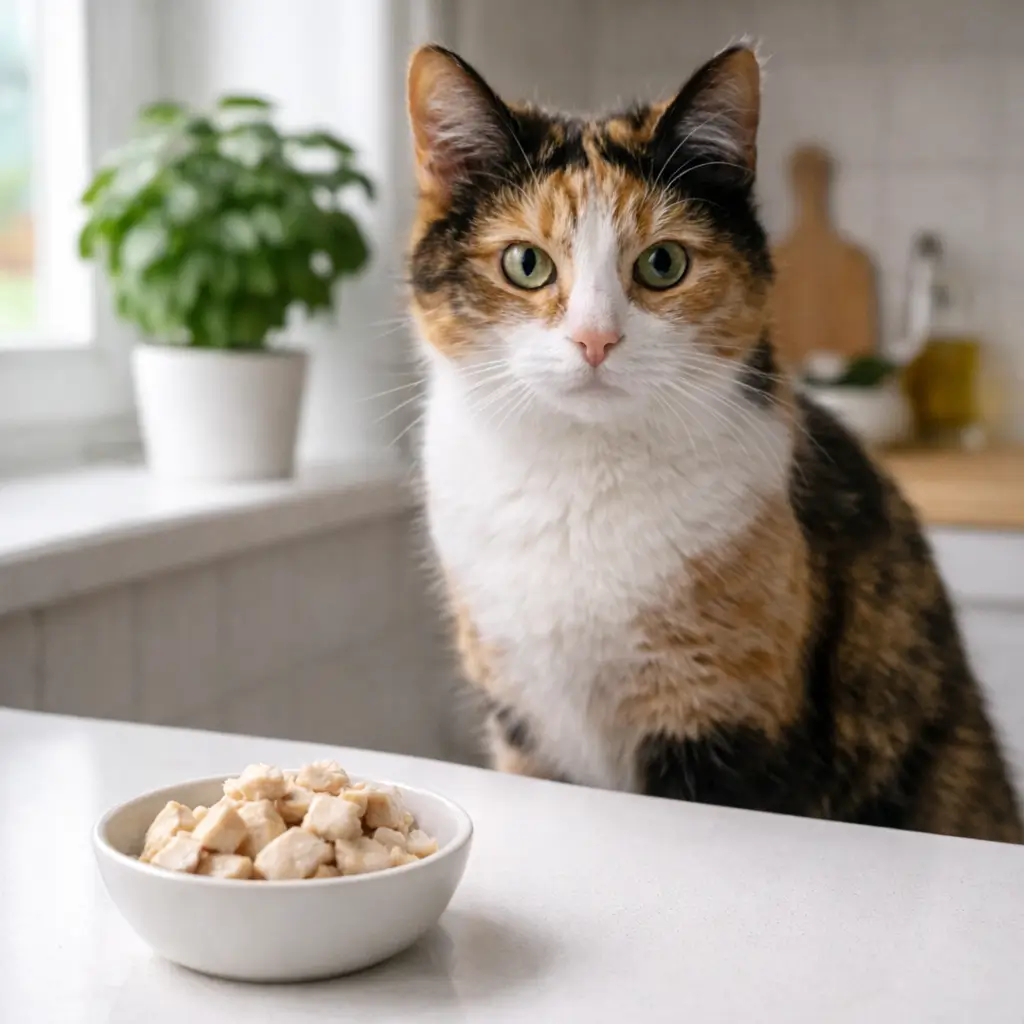
Yes, plain, cooked chicken is generally safe for cats and can be a nutritious addition to their diet when served properly. Chicken provides high-quality protein that supports muscle maintenance, essential amino acids like taurine, and is easily digestible for most felines. However, chicken should be served plain without seasonings, bones, or skin, and it should complement—not replace—a complete and balanced cat food.
Understanding why chicken works well for cats requires a quick look at feline biology. Cats are obligate carnivores, which means their bodies are designed to thrive on animal-based proteins. Unlike dogs or humans, cats have specific nutritional requirements that can only be met through meat consumption. Their digestive systems have evolved to efficiently process and absorb nutrients from animal tissue, making chicken an excellent protein source that aligns with their natural dietary needs.
That said, I want to be crystal clear about something important: while chicken is safe and beneficial as a treat or supplement, it does not constitute a complete meal on its own. Commercial cat foods formulated to meet AAFCO (Association of American Feed Control Officials) or FEDIAF (European Pet Food Industry Federation) standards contain a carefully balanced blend of vitamins, minerals, fatty acids, and other nutrients that plain chicken alone cannot provide. Feeding your cat only chicken—even high-quality, properly prepared chicken—would eventually lead to serious nutritional deficiencies.
Nutritional Benefits of Chicken for Cats
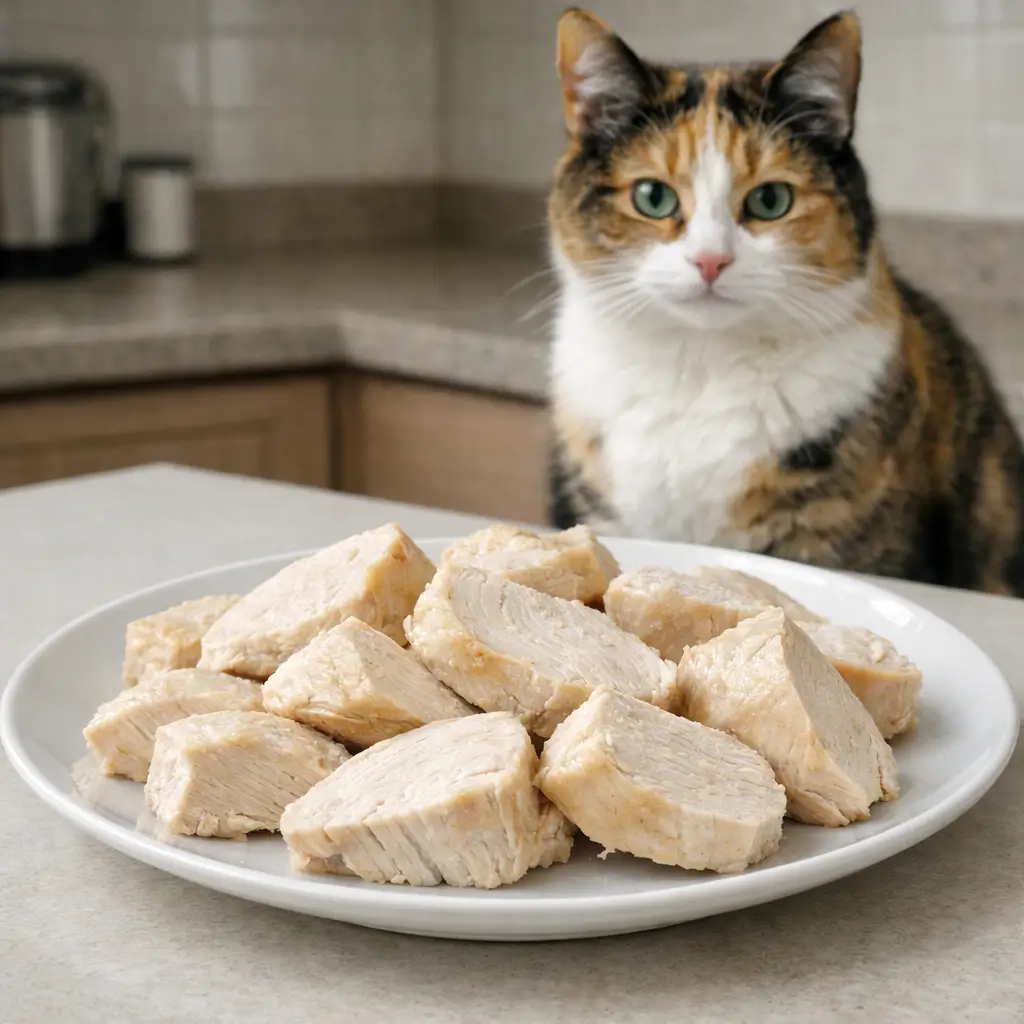
When we talk about feeding chicken to cats, it’s worth understanding exactly what makes this protein source so valuable for our feline companions.
High-Quality Protein Content
Chicken is packed with lean protein, which is the cornerstone of feline nutrition. Protein supports virtually every system in your cat’s body, from maintaining strong muscles and healthy skin to supporting immune function and hormone production. A typical serving of cooked chicken breast contains approximately 31 grams of protein per 100 grams, making it one of the most protein-dense foods you can offer your cat.
Essential Amino Acids
One of the most critical amino acids for cats is taurine, and chicken naturally contains this vital nutrient. Cats cannot synthesize taurine on their own, so they must obtain it from their diet. A taurine deficiency can lead to serious health problems, including heart disease (dilated cardiomyopathy), vision problems, and reproductive issues. While your cat’s regular food should provide adequate taurine, the additional amount found in chicken treats certainly doesn’t hurt.
Low in Carbohydrates
Since cats have limited ability to digest carbohydrates efficiently, chicken’s naturally low carb content makes it an ideal treat. Unlike many commercial cat treats that contain fillers and grains, plain chicken offers pure, digestible protein without the unnecessary carbohydrate load that can contribute to weight gain and digestive issues.
Palatability and Digestibility
Let’s face it—most cats absolutely love chicken. The smell, texture, and taste appeal strongly to feline taste preferences. This high palatability makes chicken an excellent tool for encouraging picky eaters, hiding medications, or simply strengthening the bond between you and your cat through positive food associations.
Health Risks of Feeding Chicken to Cats
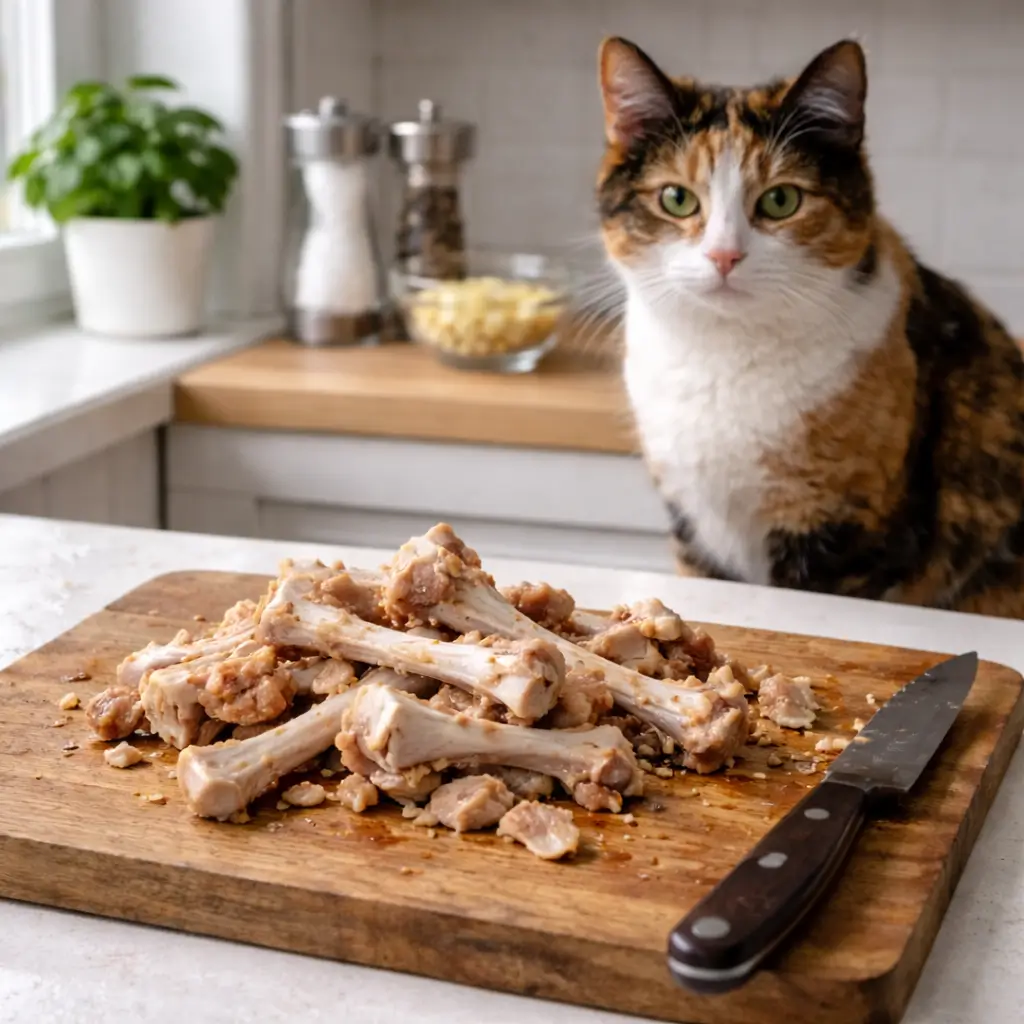
While chicken can be a wonderful addition to your cat’s diet, there are several serious health risks that every cat owner must understand. I’ve organized these risks from most dangerous to least, so you can prioritize your safety measures accordingly.
The Danger of Cooked Chicken Bones
This is perhaps the most critical warning I can give you: never feed your cat cooked chicken bones. When chicken bones are cooked, they undergo a structural change that makes them brittle and prone to splintering. These sharp bone fragments can cause devastating injuries to your cat, including:
- Choking and airway obstruction
- Lacerations to the mouth, throat, and esophagus
- Perforation of the stomach or intestinal walls
- Intestinal blockages requiring emergency surgery
- Internal bleeding
I’ve heard from veterinarians who have performed emergency surgeries on cats with bone splinters lodged in their digestive tracts. These situations are often life-threatening and always preventable. Even small bones, like those from chicken wings or drumsticks, pose serious risks. The safest approach is to remove all bones before offering any chicken to your cat.
Raw Chicken: Bacterial Contamination Risks
The question of raw versus cooked chicken for cats is one I encounter frequently. While some proponents of raw feeding argue that cats in the wild consume raw meat, the reality of modern poultry production introduces significant risks.
Raw chicken commonly harbors dangerous bacteria, including Salmonella and E. coli. These pathogens can cause serious illness in cats, with symptoms including:
- Severe vomiting and diarrhea
- Lethargy and loss of appetite
- Fever and dehydration
- In severe cases, septicemia (blood infection)
What many cat owners don’t realize is that raw chicken also poses health risks to humans in the household. Even if your cat doesn’t become ill, they can shed these bacteria in their feces for weeks, potentially infecting family members—particularly concerning for households with young children, elderly individuals, or immunocompromised people.
For these reasons, I strongly recommend cooking all chicken before feeding it to your cat. The cooking process eliminates these harmful bacteria while preserving the nutritional benefits of the meat.
Toxic Seasonings in Human Chicken Dishes
Here’s where many well-meaning cat owners accidentally put their pets at risk. That delicious chicken you prepared for dinner? It likely contains ingredients that are toxic to cats.
Onions, garlic, and chives belong to the Allium family and are poisonous to cats. These ingredients are commonly used in chicken marinades, rubs, and prepared dishes. Even small amounts can cause oxidative damage to your cat’s red blood cells, leading to a condition called Heinz body anemia. Symptoms may not appear immediately, making it easy to miss the connection between the seasoned chicken and your cat’s declining health.
Other dangerous seasonings and ingredients commonly found in chicken dishes include:
- Salt in excessive amounts (can cause sodium ion toxicity)
- Certain herbs like chives and leeks
- Butter and oils in large quantities (can cause digestive upset and pancreatitis)
- Sauces containing harmful ingredients
The bottom line? Never assume that chicken prepared for human consumption is safe for your cat. When in doubt, prepare a separate, plain portion specifically for your feline friend.
Chicken Allergies in Cats
It may surprise you to learn that chicken is actually one of the more common food allergens in cats. While most cats tolerate chicken beautifully, some develop allergic reactions that can manifest as:
- Persistent itching and scratching
- Skin rashes and hot spots
- Gastrointestinal upset (vomiting, diarrhea)
- Hair loss, particularly around the face and ears
- Chronic ear infections
If you notice any of these symptoms after introducing chicken to your cat’s diet, discontinue feeding it immediately and consult your veterinarian. They may recommend an elimination diet to confirm the allergy and suggest alternative protein sources.
How to Safely Prepare Chicken for Your Cat
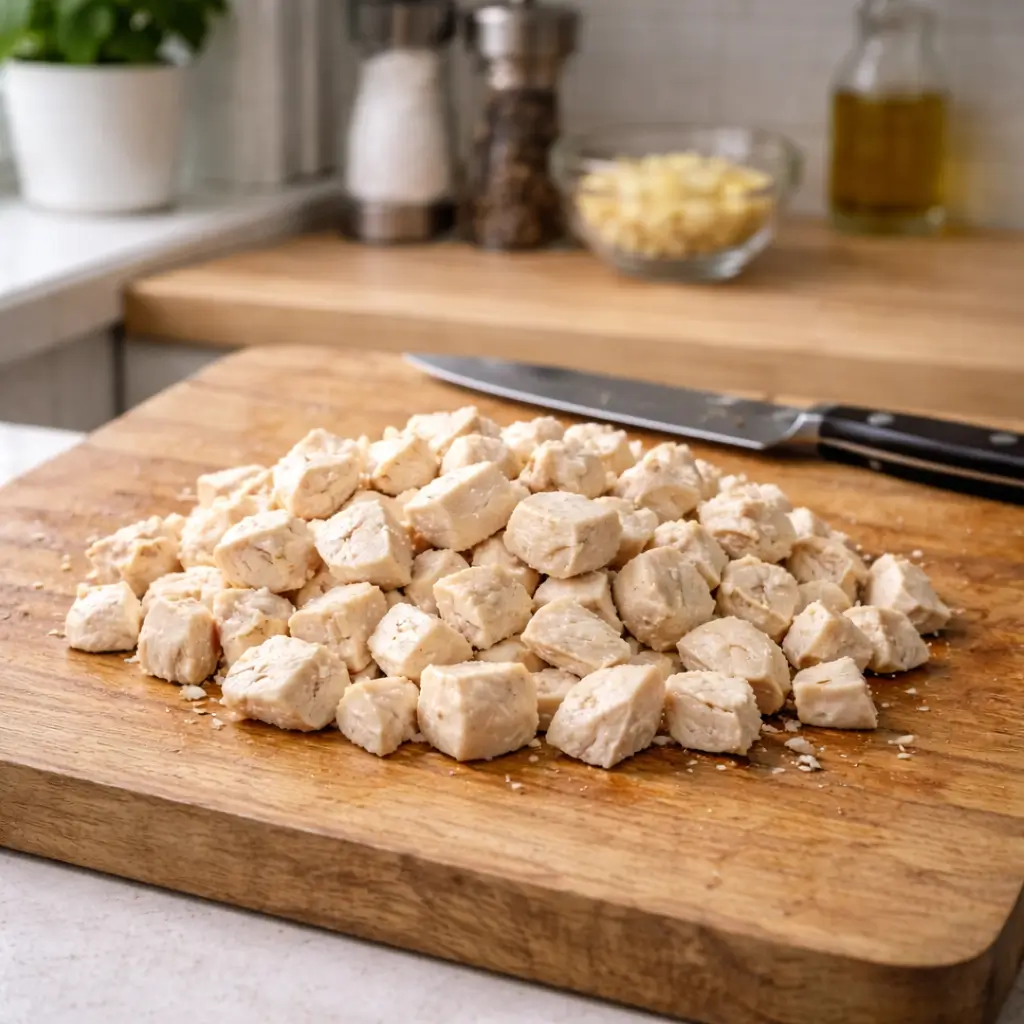
Now that we’ve covered the risks, let’s focus on what you came here for: how to prepare chicken safely so your cat can enjoy this tasty treat without any health concerns.
Step-by-Step Safe Preparation Guide
Method 1: Boiled Chicken
Boiling is my preferred method for preparing chicken for cats because it requires no added fats and produces tender, easily digestible meat.
- Start with fresh, boneless, skinless chicken breast or thigh meat
- Place the chicken in a pot and cover with plain water (no salt or seasonings)
- Bring the water to a boil, then reduce heat to a simmer
- Cook for 15-20 minutes until the chicken is completely cooked through (internal temperature of 165°F/74°C)
- Remove the chicken and allow it to cool completely
- Shred or dice the chicken into small, manageable pieces for your cat
- Store unused portions in the refrigerator for up to three days or freeze for longer storage
Method 2: Baked Chicken
Baking is another excellent option that produces slightly firmer meat with a texture some cats prefer.
- Preheat your oven to 350°F (175°C)
- Place boneless, skinless chicken on a baking sheet lined with parchment paper
- Do not add any oil, butter, salt, or seasonings
- Bake for 25-30 minutes until fully cooked through
- Let cool completely before cutting into cat-appropriate portions
Serving Suggestions for Your Cat
The “Topper” Method
If your cat has become a picky eater or seems uninterested in their regular food, a small amount of shredded chicken can work wonders. Simply sprinkle a tablespoon of plain, shredded chicken over their regular food to encourage eating. The enticing aroma often reignites their interest in mealtime. I’ve used this technique countless times with cats who were recovering from illness or simply going through a finicky phase.
The “Bland Diet” Option
When cats experience mild digestive upset—think occasional vomiting or soft stools—veterinarians often recommend a temporary bland diet. The classic “chicken and rice” combination can help settle an upset stomach while providing easily digestible nutrition.
To prepare this, mix plain boiled chicken (shredded) with plain cooked white rice in a ratio of about 1:2 (one part chicken to two parts rice). Offer small portions every few hours rather than full meals.
Important note: This bland diet is intended for short-term use only, typically one to three days. It is not nutritionally complete and should not replace your cat’s regular balanced diet. If digestive issues persist beyond a couple of days, please consult your veterinarian.
Understanding the 10% Rule
This is one of the most important guidelines for feeding any treat to your cat, including chicken. Treats of any kind—whether commercial products or safe human foods like chicken—should not exceed 10% of your cat’s daily caloric intake.
To put this in perspective, an average 10-pound cat requires approximately 200-250 calories per day. This means chicken treats should account for no more than 20-25 calories daily. Since cooked chicken breast contains roughly 165 calories per 100 grams, your cat’s daily chicken treat portion should be quite small—about one to two tablespoons of shredded chicken.
Exceeding this limit, even with healthy foods like plain chicken, can unbalance your cat’s diet and contribute to obesity.
What to Avoid: A Quick Checklist
Before offering chicken to your cat, run through this checklist:
- Bones: Remove all bones, no matter how small
- Skin: Skip the chicken skin, which is high in fat and can cause digestive upset
- Fat trimmings: Trim away visible fat before cooking
- Seasonings: Ensure no salt, pepper, garlic, onion, or other seasonings have been added
- Marinades and sauces: Avoid any chicken that has been marinated or sauced
- Fried or breaded chicken: The breading and frying oils are not suitable for cats
- Processed chicken products: Chicken nuggets, deli meats, and similar products contain additives and sodium levels that are inappropriate for cats
Special Considerations for Different Cats
Not all cats have the same nutritional needs, and certain health conditions may affect whether or how you should feed chicken to your feline companion.
Kittens
Kittens can enjoy small amounts of plain, cooked chicken, but remember that their primary nutrition should come from kitten-specific food formulated for their rapid growth and development. Think of chicken as an occasional taste experience rather than a dietary staple during this crucial life stage.
Senior Cats
Older cats often benefit from the high-quality, easily digestible protein that chicken provides. However, senior cats are more prone to kidney disease and other health conditions that may require dietary modifications. Always consult your veterinarian before making changes to a senior cat’s diet.
Cats with Health Conditions
If your cat has been diagnosed with any health condition—including kidney disease, diabetes, pancreatitis, or allergies—speak with your veterinarian before adding chicken to their diet. What’s healthy for most cats may not be appropriate for cats with specific medical needs.
Frequently Asked Questions About Cats and Chicken
Can cats eat chicken liver?
Yes, in small amounts. Chicken liver is nutrient-dense and most cats love it. However, it’s very high in vitamin A, and excessive consumption can lead to vitamin A toxicity. Offer liver only as an occasional treat, not a regular dietary component.
Can cats eat chicken every day?
While small amounts of chicken can be offered daily, it should always remain a supplement to balanced cat food, not a replacement. Following the 10% rule ensures your cat receives complete nutrition from their primary diet.
Is rotisserie chicken safe for cats?
Store-bought rotisserie chicken typically contains salt, seasonings, and often garlic or onion in the seasoning blend. I don’t recommend feeding rotisserie chicken to cats due to these additives. If you want to share chicken with your cat, prepare a plain portion specifically for them.
Conclusion: Can Cats Eat Chicken Safely?
So, can cats eat chicken? Absolutely—when prepared and served correctly, chicken can be a safe, nutritious, and thoroughly enjoyed treat for your feline friend. The key lies in understanding the difference between safe preparation methods and the hidden dangers lurking in seasoned, bone-in, or raw chicken.
By following the safety tips outlined in this guide—cooking chicken thoroughly, removing all bones and skin, avoiding toxic seasonings, and adhering to the 10% treat rule—you can confidently share this protein-rich food with your cat. Remember that while chicken offers wonderful nutritional benefits, it should complement rather than replace a complete and balanced commercial cat food.
When in doubt about your individual cat’s dietary needs, especially if they have underlying health conditions or known allergies, your veterinarian remains your best resource. They can provide personalized guidance based on your cat’s specific health profile.
Here’s to happy, healthy cats and the joy of safely sharing a delicious chicken treat with our beloved feline companions.