
Can Cats Eat Chicken Bones Safely? Dangers & Safety Facts

Medical Disclaimer: This article is for informational and educational purposes only. It does not replace professional veterinary advice, diagnosis, or treatment. If your cat has consumed bones and shows any signs of distress, contact your veterinarian or emergency animal hospital immediately.
Table of Contents
The Heart-Stopping Moment Every Cat Owner Knows
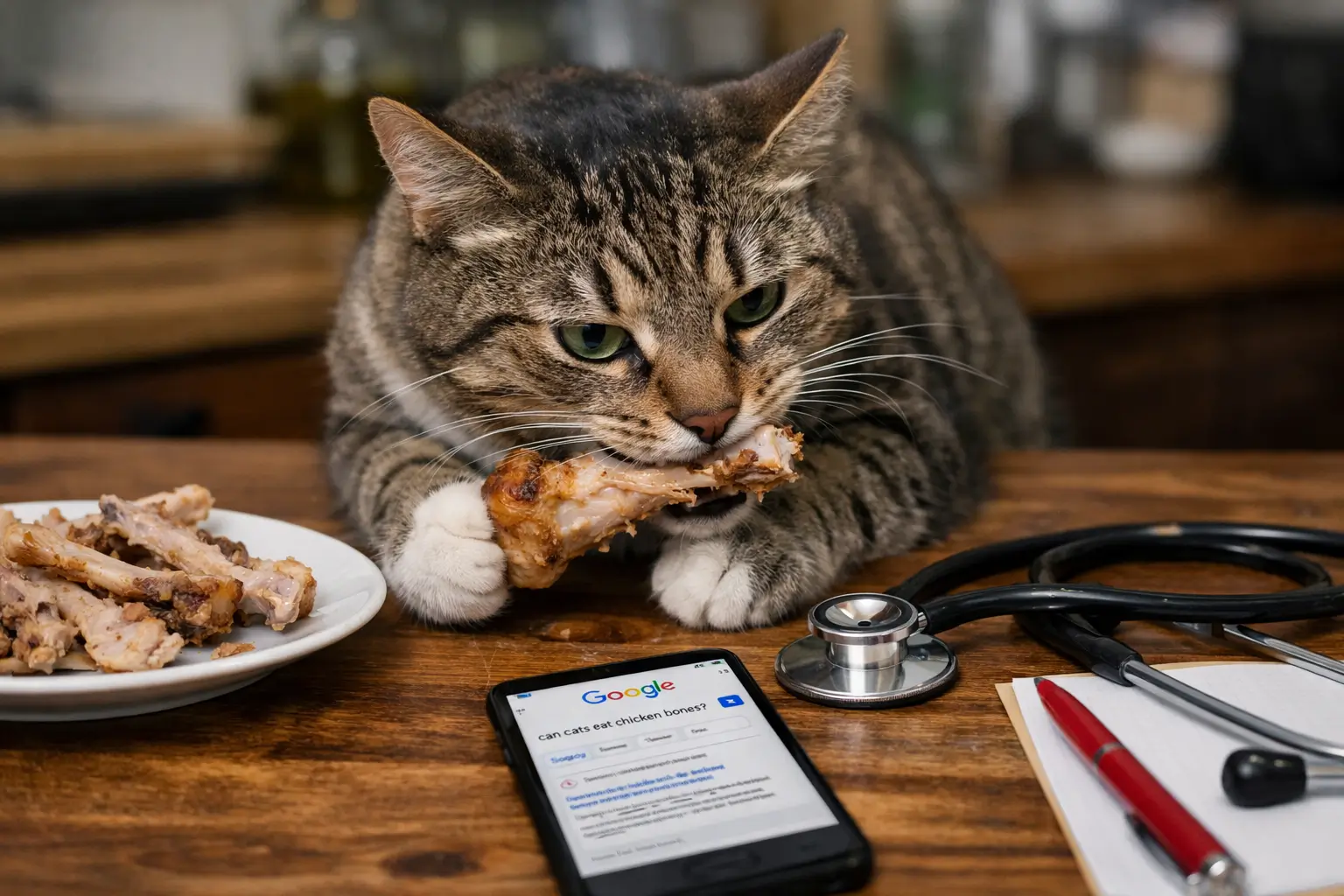
I’ve been there. You turn your back for thirty seconds—just long enough to answer a text or grab a napkin—and suddenly your cat is on the counter, triumphantly gnawing on a chicken wing from your dinner plate. Your heart drops. Panic sets in. You’re frantically googling “can cats eat chicken bones” while trying to pry a slippery, half-chewed drumstick from your cat’s determined grip.
If this scenario sounds painfully familiar, take a breath. You’re not alone, and you’ve landed in the right place. As someone who has spent years working alongside veterinary professionals and researching feline nutrition, I understand both the terror of that moment and the confusion that follows. The internet is flooded with conflicting information—some sources say bones are natural and fine, while others paint apocalyptic pictures of emergency surgery.
The truth, as with most things in veterinary medicine, is nuanced. But here’s what I can tell you right now: the type of bone matters enormously. A cooked chicken bone and a raw chicken bone present vastly different risk profiles, and understanding this distinction could save your cat’s life.
In this comprehensive guide, we’ll cut through the noise. I’ll explain exactly why cooked bones are so dangerous, clarify the veterinary stance on raw bones, walk you through what to do if your cat has already eaten a bone, and provide safe alternatives that let you share the nutritional benefits of chicken without the terrifying risks.
Can Cats Eat Chicken Bones?
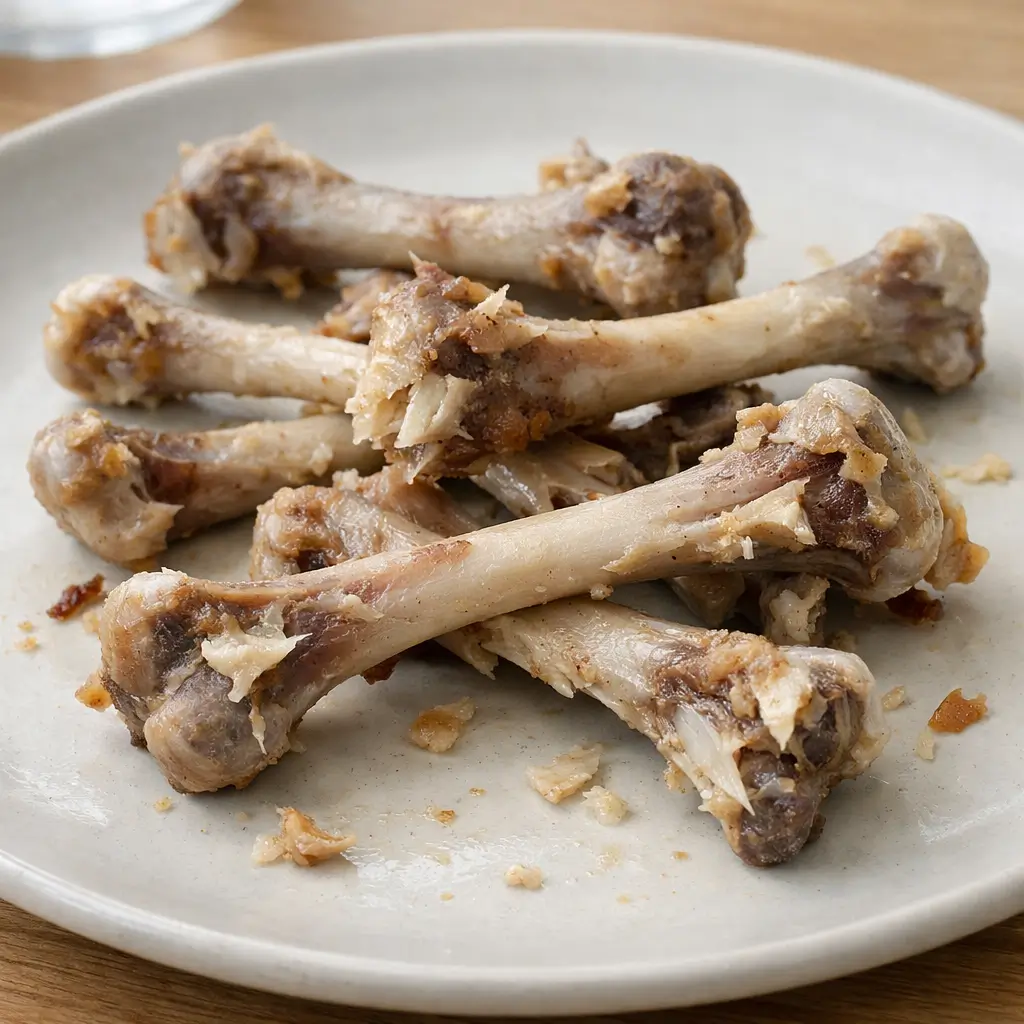
Generally, no—cooked chicken bones are extremely dangerous for cats and should never be fed intentionally. When cooked, chicken bones become brittle and prone to splintering into sharp fragments that can perforate your cat’s esophagus, stomach, or intestines. Raw bones present a different but still significant set of risks, including bacterial contamination from Salmonella or E. coli and potential choking hazards. If you want your cat to benefit from the nutrients in bones, the safest approach is homemade bone broth, strained thoroughly to remove all fragments.
Understanding Why Cats Are Drawn to Bones
Before we dive into the dangers, it helps to understand why your cat might be so determined to get their paws on that chicken bone in the first place.
The Ancestral Pull
Cats are obligate carnivores with a digestive system designed over millions of years to process whole prey. In the wild, their ancestors—and feral cats today—consume small animals entirely: meat, organs, and yes, bones. A mouse skeleton, a bird’s delicate rib cage, these provide essential nutrients including calcium, phosphorus, and trace minerals that support strong teeth and bones.
When your domestic cat lunges for that chicken drumstick, they’re responding to deeply ingrained instincts. The smell of cooked meat is irresistible, and their bodies recognize bones as a natural food source. Unfortunately, what their instincts don’t account for is the fundamental change that cooking creates in bone structure.
The Nutritional Appeal
Chicken bones—particularly the marrow inside—are rich in nutrients that cats genuinely need. The marrow contains healthy fats, collagen, and minerals. The bone itself provides calcium and phosphorus in forms that are highly bioavailable to cats. In a perfect world, this would make chicken bones an excellent addition to your cat’s diet.
But we don’t live in a perfect world. We live in one where cooking transforms these nutritious structures into potential weapons, and where even raw bones carry risks that require careful consideration.
The Critical Danger: Why Cooked Chicken Bones Can Kill
Let me be absolutely clear about this: cooked chicken bones pose a serious, potentially fatal threat to cats. This isn’t alarmism; it’s established veterinary fact.
How Cooking Changes Bone Structure
When chicken bones are exposed to heat—whether through boiling, baking, frying, grilling, or any other cooking method—their molecular structure fundamentally changes. The collagen that gives raw bones their flexibility breaks down. The moisture within the bone evaporates. What remains is a brittle, dry structure that shatters unpredictably under pressure.
Think of raw bone like a green tree branch: it bends before it breaks, and when it does break, it tends to fracture in a relatively clean way. Cooked bone is like a dead, dried branch: it snaps suddenly and creates jagged, sharp splinters that can point in multiple directions.
The Splintering Risk Explained
When your cat chews on a cooked chicken bone, it doesn’t crush neatly. Instead, it fractures into sharp shards with edges that can slice through delicate tissue. These splinters can cause damage at multiple points along your cat’s digestive tract.
In the mouth and throat: Sharp fragments can lacerate the gums, tongue, or the soft tissue of the throat, causing pain, bleeding, and potential infection.
In the esophagus: Bone fragments can become lodged or scrape the esophageal lining as they travel down. The esophagus is a relatively thin-walled tube, and perforations here can lead to serious infections in the chest cavity.
In the stomach: While stomach acid is powerful, it takes time to break down bone. In the meantime, sharp pieces can irritate or puncture the stomach lining, leading to internal bleeding or peritonitis.
In the intestines: This is where many of the most serious complications occur. The intestines are narrow, winding, and thin-walled. A bone fragment can become stuck, creating an obstruction that prevents food from passing. Sharp edges can puncture the intestinal wall, releasing bacteria into the abdominal cavity—a life-threatening emergency requiring immediate surgery.
Gastrointestinal Obstruction in Cats: A Silent Emergency
One of the most insidious aspects of bone-related injuries is that they’re not always immediately obvious. A cat who swallowed a cooked bone might seem perfectly fine for hours or even a day or two before symptoms appear. By the time they’re showing clear signs of distress, the situation may have become critical.
Gastrointestinal obstruction in cats can manifest through vomiting (especially repeated or projectile vomiting), loss of appetite, lethargy, abdominal pain or bloating, constipation or straining to defecate, and bloody stool. Any of these symptoms following bone ingestion warrant immediate veterinary attention.
Raw Chicken Bones: A Different Risk Profile
Now we enter more nuanced territory. You may have heard from raw feeding advocates that raw bones are perfectly natural and safe for cats. The reality is more complicated, and I want to present you with accurate information so you can make informed decisions.
Why Raw Bones Are Different
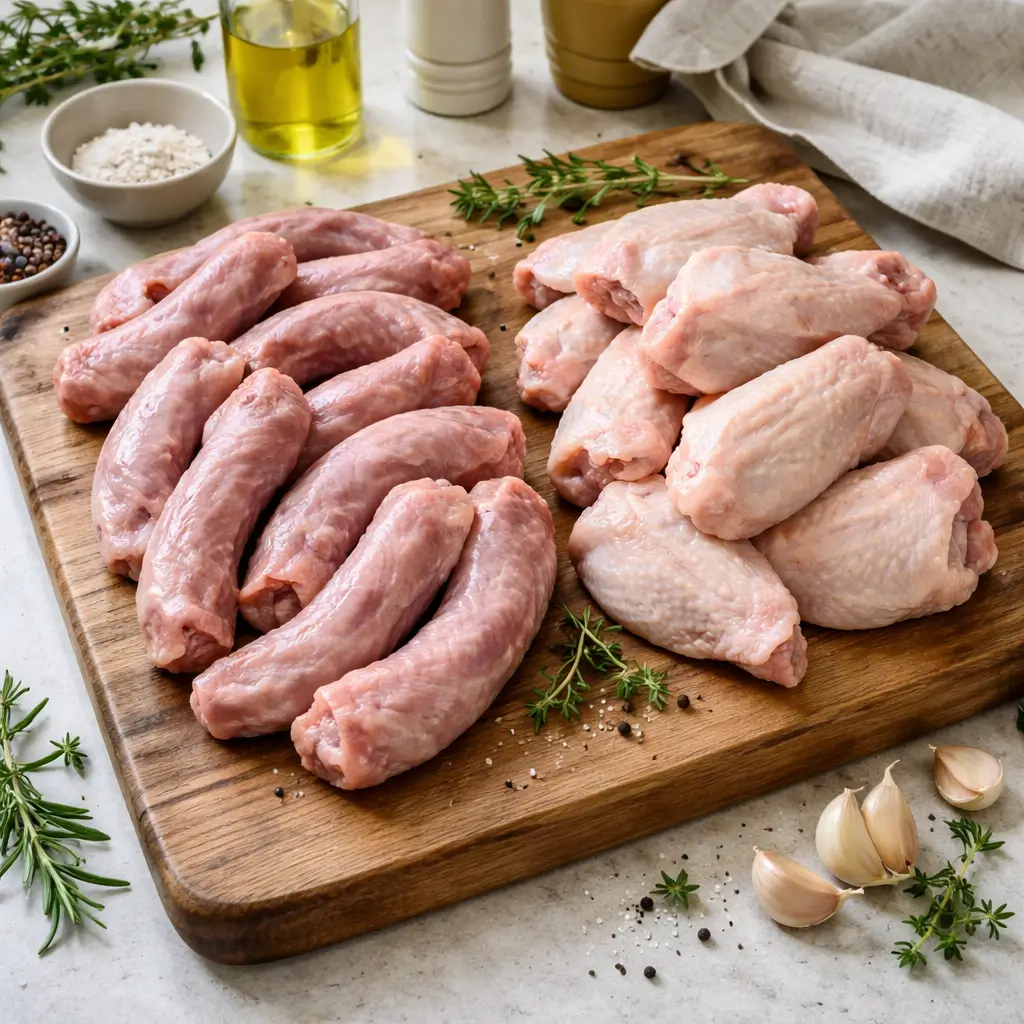
Raw chicken bones retain their moisture and collagen. They’re flexible and tend to crush rather than splinter. Many cats can and do consume raw bones without incident, particularly small, soft bones like those found in chicken necks, wings, or small whole prey items.
In the wild, cats obviously don’t cook their prey. Raw bone consumption is indeed part of their natural diet. The mechanical action of chewing raw bones can also help clean teeth and exercise jaw muscles.
The Real Risks of Raw Bones
However, “natural” doesn’t automatically mean “safe in a domestic setting.” There are legitimate concerns with feeding raw chicken bones.
Bacterial contamination is the most significant concern. Raw chicken—including the bones—can harbor Salmonella, Campylobacter, and E. coli. While cats have shorter, more acidic digestive tracts than humans (which provides some protection), they’re not immune to foodborne illness. Kittens, elderly cats, and cats with compromised immune systems are particularly vulnerable. There’s also the very real risk of cross-contamination in your home, potentially making human family members sick.
Choking hazards exist even with raw bones. If a cat tries to swallow a piece that’s too large, or if they gulp rather than chew properly, they can choke or experience an esophageal obstruction.
Fat content concerns apply to any bone with marrow. Marrow is extremely high in fat, and excessive consumption can trigger pancreatitis in cats—a painful and potentially serious inflammatory condition affecting the pancreas.
The Veterinary Consensus
Most mainstream veterinary organizations, including the American Veterinary Medical Association, advise against feeding raw meat and bones due to the bacterial risks. However, some holistic and integrative veterinarians do support raw feeding when done carefully. If you’re interested in incorporating raw bones into your cat’s diet, this is a conversation to have with your own veterinarian, who knows your cat’s individual health status.
Help! My Cat Ate a Chicken Bone – What Do I Do?
If you’ve found yourself here because your cat has already eaten a chicken bone, here’s your step-by-step action plan. Stay calm—panic won’t help your cat, and many cats do pass bones without incident. But vigilance is essential.
Immediate Steps
Step 1: Don’t induce vomiting. This is critically important. Unlike some toxins where inducing vomiting can help, bringing a bone back up can cause additional damage if the bone has sharp edges. Only attempt to induce vomiting if explicitly instructed by a veterinarian who understands your specific situation.
Step 2: Check their mouth. If your cat is calm enough to allow it, gently open their mouth and look for any bone fragments that might be stuck in their gums, teeth, or the roof of their mouth. Remove anything you can safely reach, but don’t force it if your cat is resisting or if the fragment is deep in the throat.
Step 3: Assess the situation. Was the bone cooked or raw? How big was the piece? Did you see them actually swallow it, or might they have dropped it? This information will be valuable when you contact your vet.
Step 4: Call your veterinarian. Even if your cat seems fine, it’s wise to call your vet’s office or an emergency animal hospital for guidance. They may advise monitoring at home, or they may want to see your cat for X-rays depending on the circumstances.
Symptoms to Monitor Over the Next 24-72 Hours
Watch carefully for these warning signs of choking hazards or internal damage.
Signs requiring immediate emergency care: difficulty breathing or choking, pawing at the mouth, drooling excessively with inability to swallow, collapse or loss of consciousness, visible blood in vomit or stool, severe abdominal pain (crying out, won’t let you touch belly), or inability to stand.
Signs requiring urgent veterinary attention: repeated vomiting, especially if it contains blood, refusal to eat for more than 12 hours, lethargy or unusual quietness, straining to defecate or inability to pass stool, pale gums, fever, or abdominal swelling.
What to Expect at the Vet
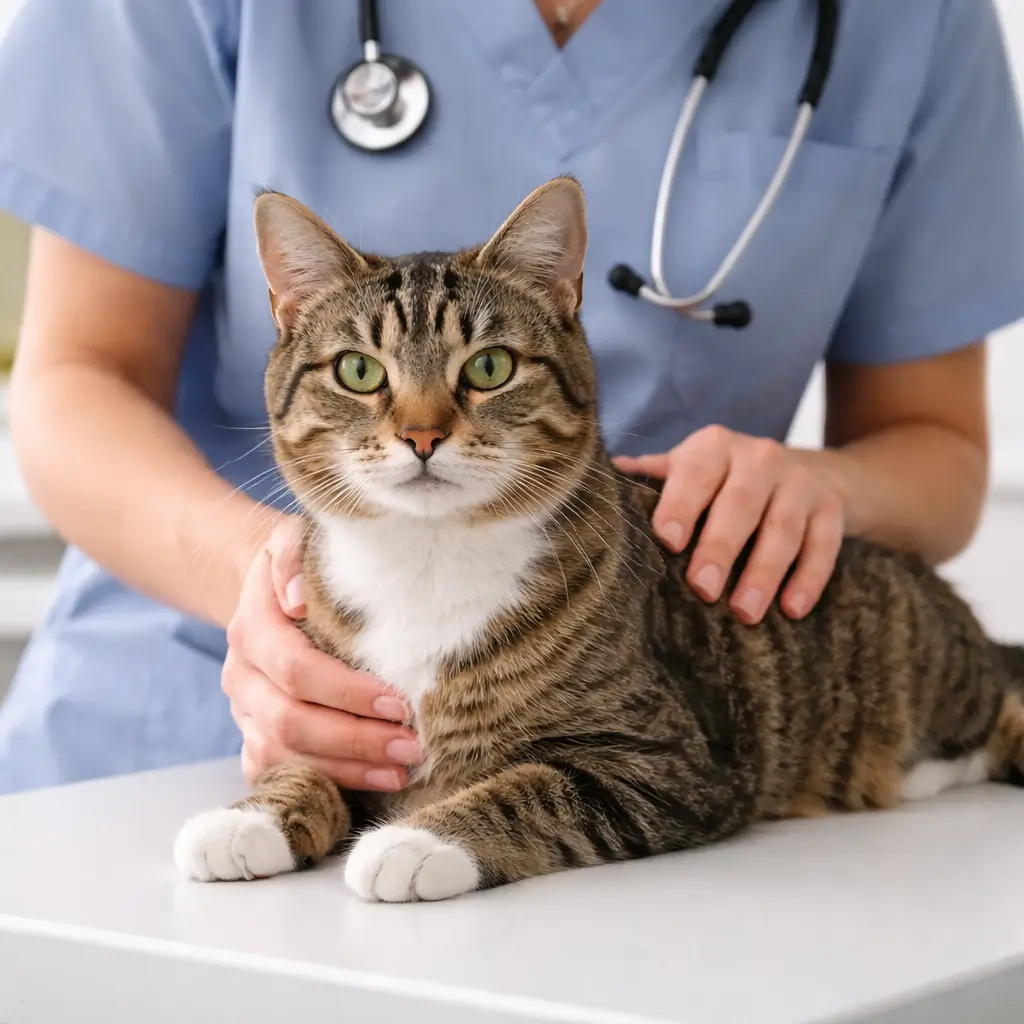
If you do bring your cat in, the veterinarian will likely perform a physical examination, palpating the abdomen for signs of obstruction or pain. They may recommend X-rays to locate the bone and assess whether it’s passing through the digestive system normally. In many cases, if the bone hasn’t caused immediate trauma, they may recommend careful monitoring with follow-up imaging to ensure the bone passes.
If obstruction or perforation is suspected, more aggressive intervention—potentially including surgery—may be necessary. The good news is that cats who receive prompt treatment typically have excellent outcomes.
The Safe Solution: Homemade Bone Broth for Cats
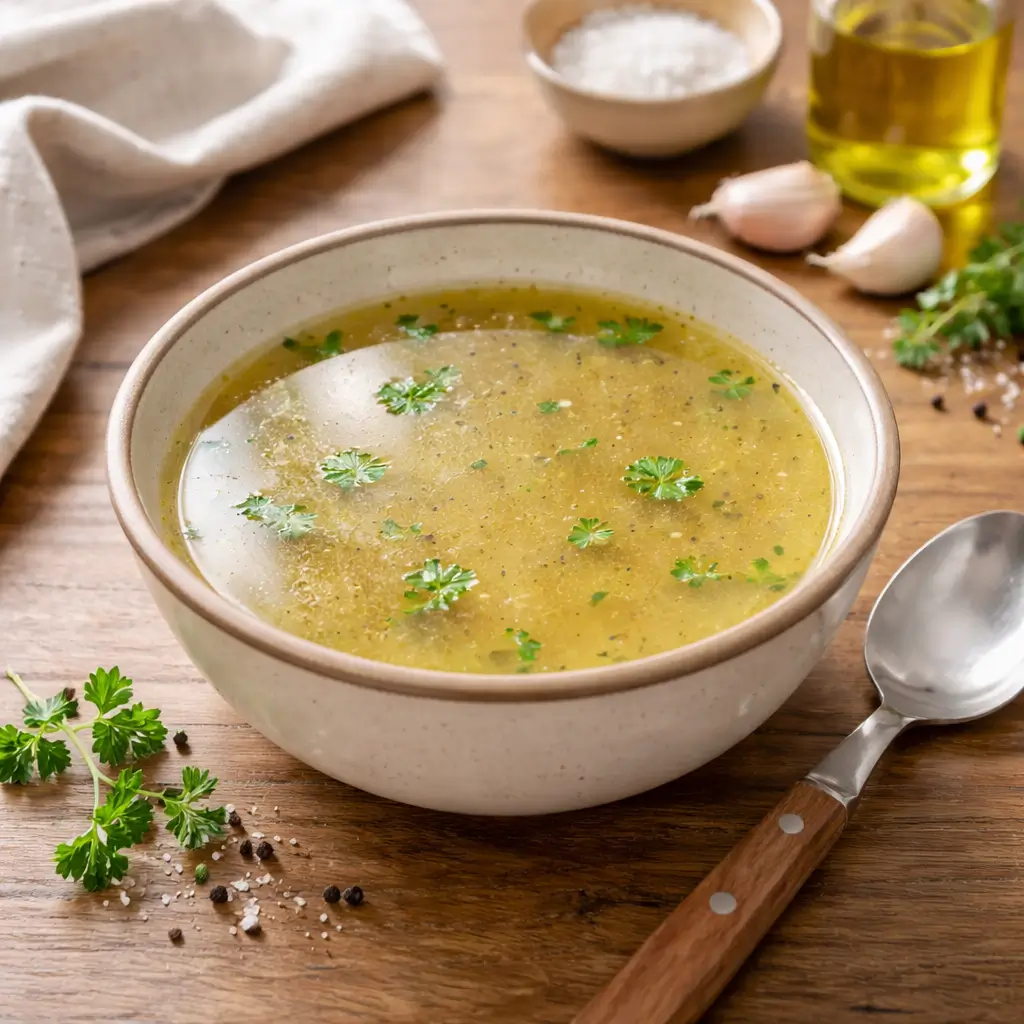
Here’s the wonderful news: if you want your cat to benefit from the nutrition locked inside chicken bones without any of the terrifying risks, there’s a simple, safe solution. Bone broth extracts the minerals, collagen, and amino acids from bones into a liquid form that’s completely free of choking hazards or splintering dangers.
Bone broth for cats offers numerous benefits. It’s hydrating (especially valuable for cats who don’t drink enough water), rich in joint-supporting compounds like glucosamine and chondroitin, gentle on the digestive system, and appealing even to picky eaters.
Homemade Bone Broth for Cats Recipe
Ingredients:
- 2-3 pounds of raw chicken bones (backs, necks, feet, and carcasses work well; you can save these from your own cooking or purchase from a butcher)
- Enough filtered water to cover the bones by about 2 inches
- 2 tablespoons of apple cider vinegar (this helps draw minerals out of the bones)
Absolutely do not add: onions, garlic, chives, leeks, or any member of the allium family—these are toxic to cats. Also avoid salt, pepper, and other seasonings.
Instructions:
Place the bones in a large stockpot or slow cooker. Add the apple cider vinegar and water. If using a stovetop, bring to a boil, then reduce heat to the lowest simmer possible. If using a slow cooker, set to low.
Allow the broth to simmer for 12 to 24 hours. The longer it simmers, the more nutrients are extracted. The bones should become soft and crumbly by the end.
Remove from heat and allow to cool slightly. This next step is crucial: Strain the broth through a fine-mesh strainer to remove all bone fragments. Then strain again through cheesecloth or a coffee filter to catch any tiny pieces. You want absolutely zero solid material in the final broth.
Allow the broth to cool completely. A layer of fat will solidify on top; skim this off to reduce the fat content and lower the risk of digestive upset or pancreatitis.
Store in the refrigerator for up to 5 days, or freeze in ice cube trays for easy portioning. You can serve the broth slightly warmed as a meal topper, mix it into dry food, or offer it as a hydrating treat.
Safe Alternatives for Dental Health and Chewing Satisfaction
If your cat seems to crave the act of chewing, there are much safer ways to satisfy this instinct while supporting their dental health.
Veterinary-approved dental treats are specifically designed to be chewed safely and can help reduce tartar buildup. Look for products with the Veterinary Oral Health Council (VOHC) seal of approval.
Raw chicken necks (under strict supervision only) are one exception some veterinarians consider relatively safe. The bones in chicken necks are small, soft, and less likely to cause problems. However, the bacterial concerns still apply, and you should only consider this if you’ve discussed it with your veterinarian and are prepared to handle raw meat safely.
Matatabi sticks, also known as silvervine sticks, are a natural cat chew that many cats love. They provide chewing satisfaction without any of the bone-related risks. They’re also a safe cat chew option for cats who don’t respond to catnip.
Freeze-dried meat treats offer a satisfying crunch without any bone content. Many brands offer single-ingredient options that cats find irresistible.
Prevention: Keeping Your Cat Safe Going Forward
The best treatment for bone-related emergencies is prevention. Here are practical strategies to keep your chicken-obsessed cat safe.
Never leave cooked bones unattended on counters, tables, or in accessible garbage cans. Cats are remarkably determined and athletic—if there’s a way to reach that chicken carcass, they’ll find it.
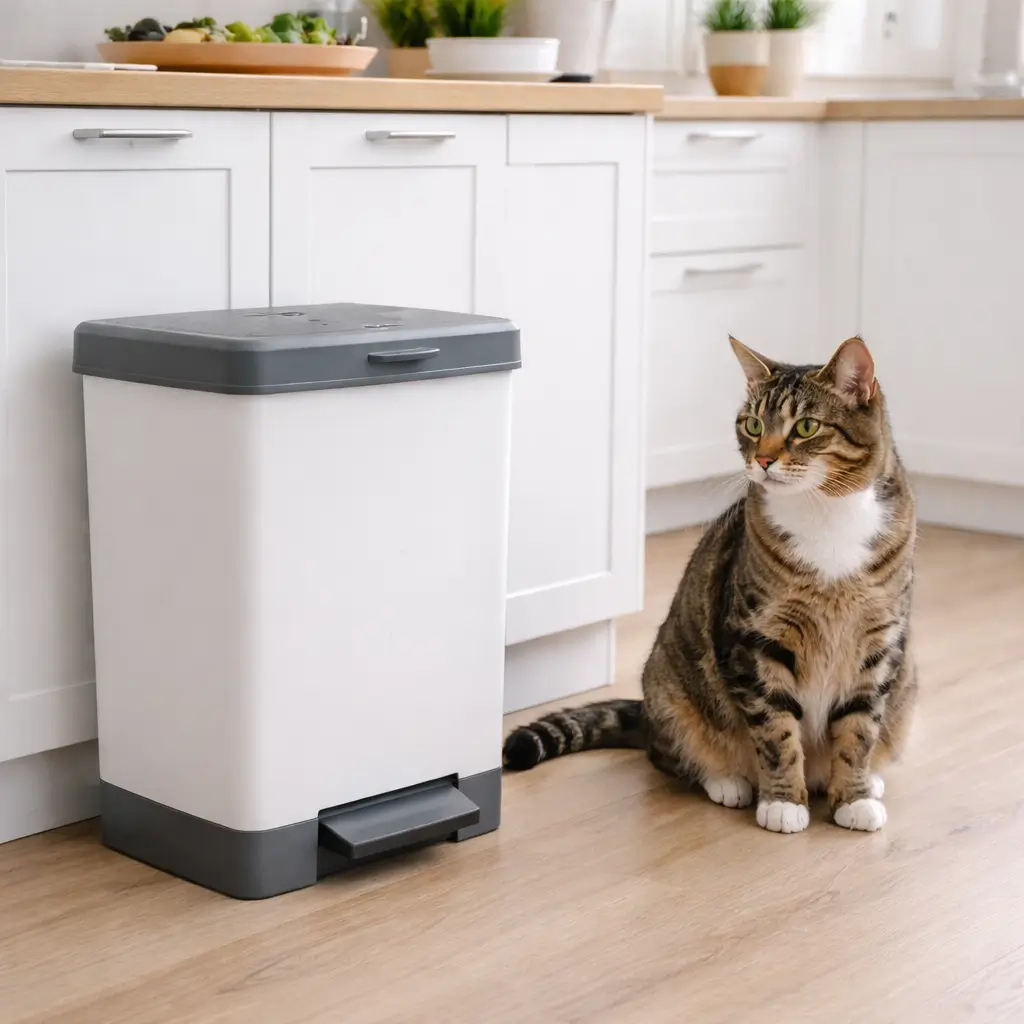
Dispose of bones immediately in a secure, lidded garbage container. Better yet, bag them separately and take them to an outdoor bin.
Be mindful of guests and family members who might not know the risks and could accidentally share table scraps.
If you want to include bones in your cat’s diet, talk to your veterinarian about the safest approaches for your individual cat’s age, health status, and needs.
Conclusion: Can Cats Eat Chicken Bones? The Final Verdict
So, can cats eat chicken bones safely? The answer is a resounding no when it comes to cooked bones. The risk of bone splintering in cats, gastrointestinal obstruction, and internal perforation is simply too high to justify. These aren’t theoretical dangers; they’re real emergencies that veterinarians treat regularly.
Raw bones occupy a grayer area. While they don’t carry the same splintering risk, concerns about bacterial contamination, choking, and high fat content mean they should only be offered under veterinary guidance and close supervision—if at all.
The safest path is clear: if you want to share the nutritional benefits of chicken bones with your beloved cat, make bone broth. Strain it carefully, skim the fat, and you’ll have a nourishing, delicious treat that carries none of the risks.
If your cat has already eaten a chicken bone, don’t panic, but do act. Monitor them closely, know the warning signs, and don’t hesitate to call your veterinarian. Prompt attention can make all the difference.
Our cats trust us to keep them safe, even when their own instincts lead them toward danger. By understanding the risks and knowing how to respond, you’re already being the advocate they need.
If your cat is currently showing signs of distress after eating a bone, please stop reading and contact your veterinarian or emergency animal hospital immediately.