
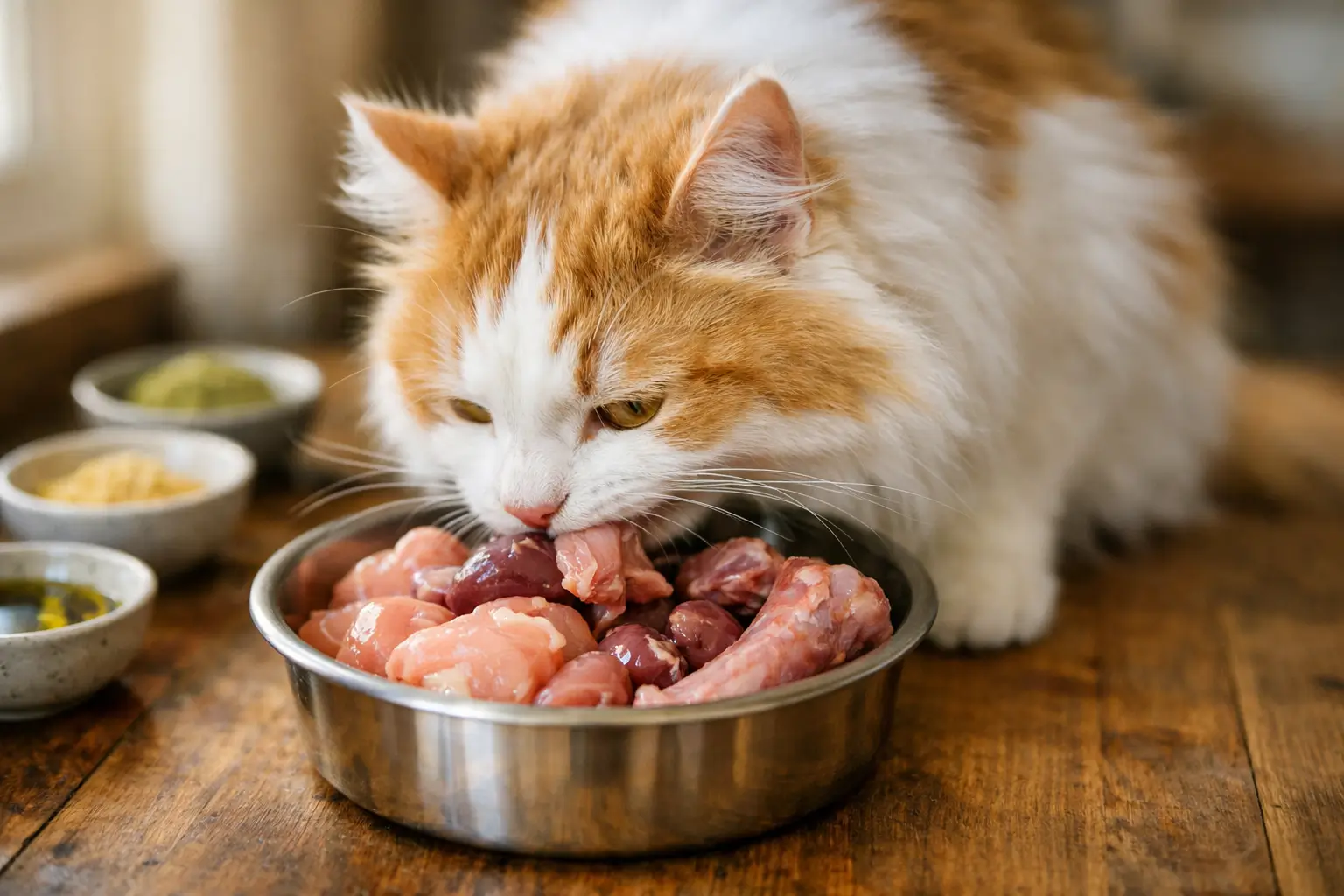
Can Cats Eat Raw Chicken Safely? Risks & Nutrition

A Comprehensive Guide for Cat Owners Considering Raw Feeding
The Raw Chicken Debate
Few topics in feline nutrition spark as much debate as raw feeding. As a cat owner, you’ve likely wondered: can cats eat raw chicken without risking their health? The answer isn’t a simple yes or no—it’s nuanced, requiring a careful balance of understanding evolutionary biology, modern food safety challenges, and your individual cat’s health needs.
Table of Contents
I’ve spent years researching and writing about feline nutrition, consulting with veterinary nutritionists, and analyzing the latest scientific literature on raw diets for cats. What I’ve learned is that while cats are indeed obligate carnivores evolved to consume raw prey, the chicken you purchase from your local grocery store is fundamentally different from a freshly caught mouse or bird.
In this comprehensive guide, we’ll explore whether raw chicken belongs in your cat’s bowl, examining the genuine nutritional benefits alongside the very real bacterial risks. We’ll discuss safe handling protocols, compare raw versus cooked options, and I’ll provide you with a verified recipe that demonstrates what a properly balanced raw meal actually requires. My goal is to empower you with evidence-based information so you can make the best decision for your feline companion.
What Is the Verdict on Can Cats Eat Raw Chicken?
Cats can technically eat raw chicken, as their digestive systems are designed to process raw meat. However, commercially raised raw chicken carries significant risks of bacterial contamination including Salmonella, Campylobacter, and E. coli. Raw chicken should only be fed following strict safety protocols, proper supplementation to ensure nutritional completeness, and ideally under veterinary guidance—making it a “yes, but with significant caveats” answer.
Understanding Your Cat’s Carnivorous Nature
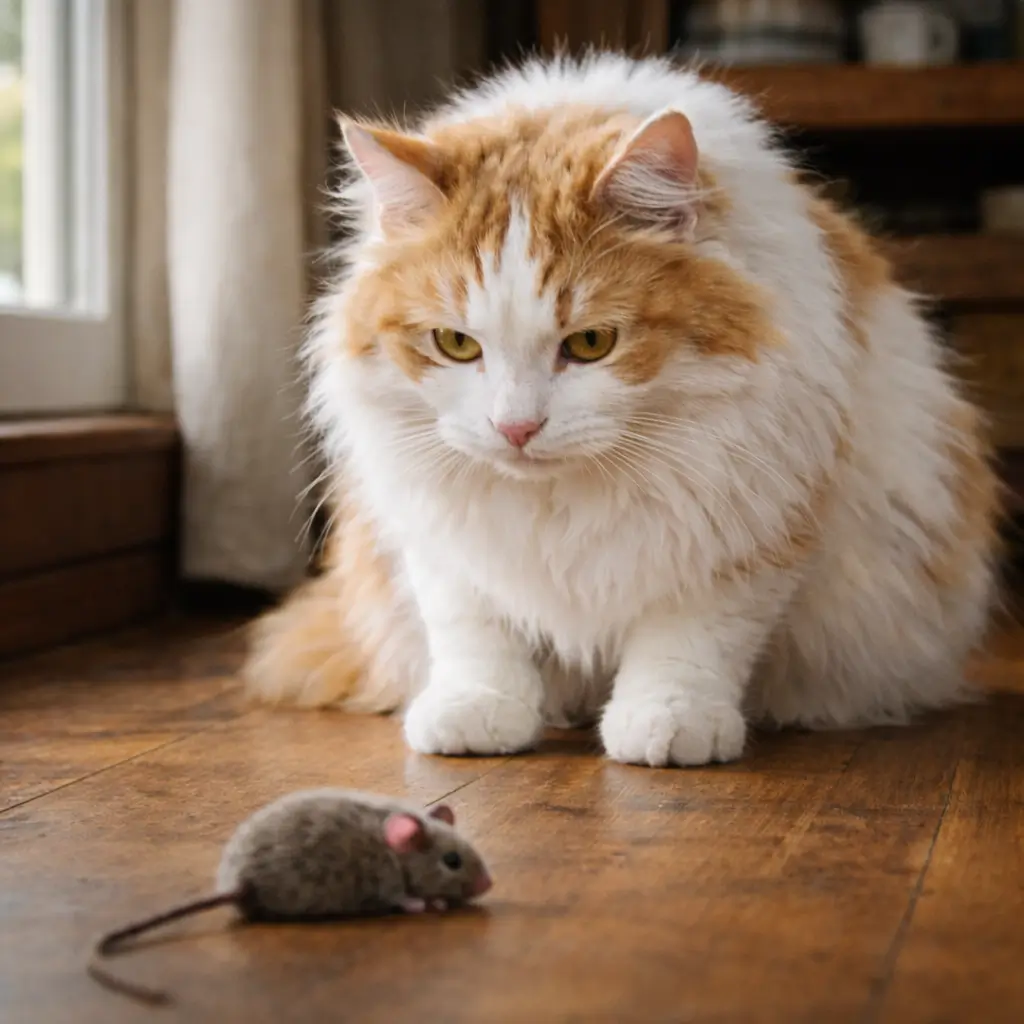
Obligate Carnivores: What This Really Means
Cats are obligate carnivores, meaning they require nutrients found primarily in animal tissue to survive and thrive. Unlike omnivores such as dogs or humans, cats have specific metabolic limitations:
- They cannot synthesize taurine adequately and must obtain it from animal sources
- They have limited ability to convert plant-based precursors into essential nutrients like arachidonic acid and vitamin A
- Their digestive tracts are shorter and more acidic, optimized for processing meat quickly
- They lack certain enzymes (like amylase in saliva) that help break down carbohydrates
This evolutionary design means that, in theory, raw meat aligns with what cats evolved to eat. Wild cats and feral domestic cats consume prey animals whole—including muscle meat, organs, bones, and stomach contents—obtaining complete nutrition from these sources.
The Ancestral Diet vs. Modern Realities
Here’s where we need to separate romantic notions of “natural feeding” from practical reality. While your cat’s wild ancestors ate raw meat, there are critical differences between a freshly killed prey animal and commercial raw chicken:
Freshly caught prey:
- Contains minimal bacterial load (internal tissues are typically sterile)
- Provides a complete nutritional package (organs, bones, blood, gut contents)
- Is consumed immediately, limiting bacterial multiplication
Commercial raw chicken:
- Often contaminated during processing (studies show 25-40% of retail chicken carries Salmonella)
- Represents only muscle tissue, lacking complete nutrition
- May sit at various temperatures during transport and storage, allowing bacterial growth
Understanding this distinction is crucial. When proponents of raw feeding point to cats’ natural diet, they’re not wrong about evolutionary biology—but they may underestimate modern food safety challenges.
The Nutritional Benefits of Raw Chicken for Cats
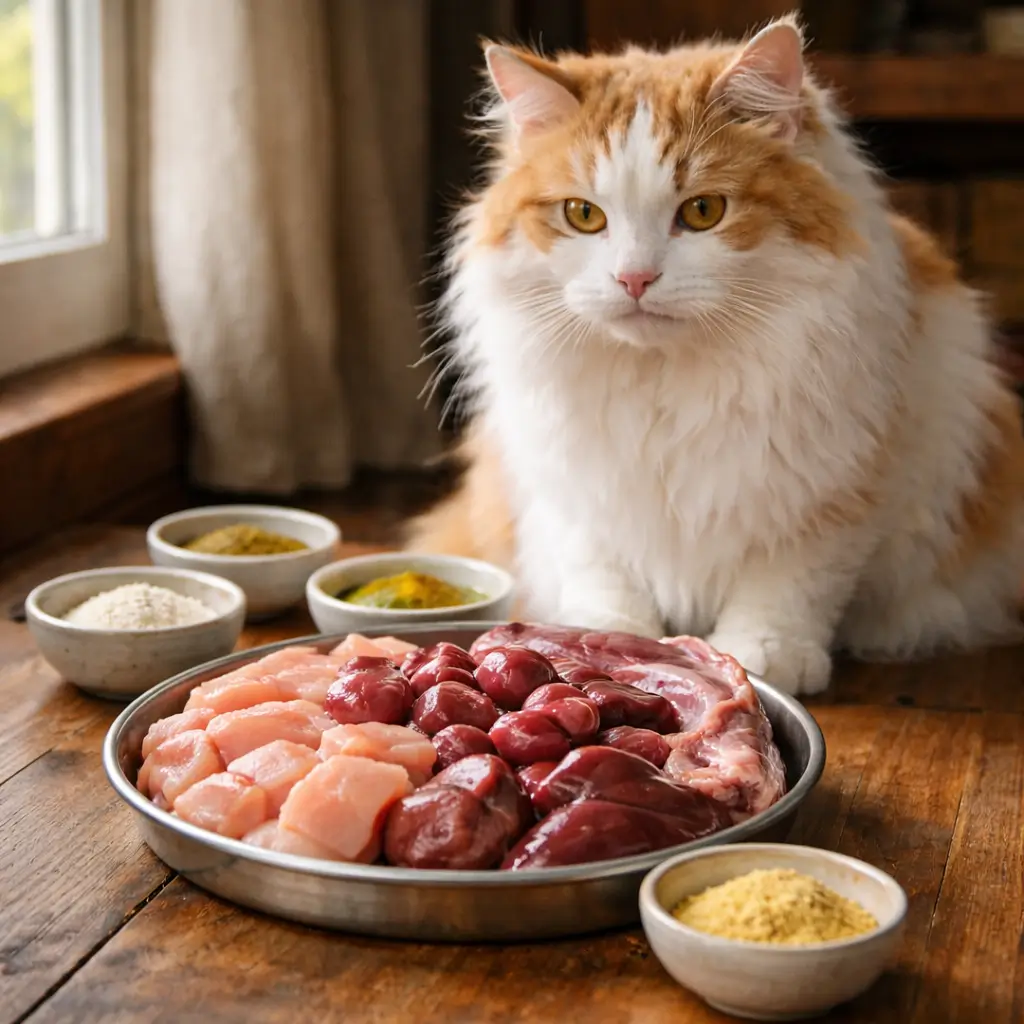
Protein Profile and Amino Acids
Raw chicken offers an excellent protein source for cats, with a nutritional profile well-suited to feline requirements. A typical 100-gram serving of raw chicken thigh provides approximately 18-20 grams of high-quality protein, containing all essential amino acids cats need, including the critical amino acid taurine.
Key nutritional components include:
Taurine is perhaps the most important nutrient to discuss. Cats cannot synthesize adequate taurine and must obtain it from their diet. Deficiency leads to serious conditions including dilated cardiomyopathy (heart disease), retinal degeneration (blindness), and reproductive problems. Raw chicken heart is particularly rich in taurine, containing approximately 60mg per ounce—one of the highest concentrations among common meat sources.
Arginine is another essential amino acid abundant in raw chicken. Cats require arginine for the urea cycle, which removes ammonia from the body. Even a single arginine-deficient meal can cause hyperammonemia in cats, leading to neurological symptoms.
Moisture content in raw chicken (approximately 65-75%) supports feline hydration. Since cats evolved in arid environments and have a low thirst drive, obtaining water through food is natural for them. This contrasts sharply with dry kibble, which contains only 6-10% moisture.
Raw Enzymes and Digestibility
Proponents of the raw diet for cats often emphasize the presence of natural enzymes in uncooked meat. These enzymes, they argue, aid digestion and are destroyed by cooking. While there’s some truth to this claim, it’s important to understand the nuances.
Raw meat does contain enzymes like proteases and lipases. However, scientific evidence that these significantly improve digestion in healthy cats with normal pancreatic function is limited. The cat’s own digestive enzymes are typically sufficient for processing both raw and cooked meat.
That said, some cats with digestive sensitivities do appear to thrive on raw diets, though whether this is due to enzyme preservation, the absence of processed ingredients, or other factors remains unclear.
Comparing Raw Chicken, Cooked Chicken, and Kibble
| Nutritional Factor | Raw Chicken | Cooked Chicken | Commercial Kibble |
|---|---|---|---|
| Protein quality | Excellent, undenatured | Excellent, slightly denatured | Variable, often plant-based proteins included |
| Moisture content | 65-75% | 60-70% | 6-10% |
| Taurine | High (especially organ meats) | Reduced by 50-75% through cooking | Added synthetically |
| Digestibility | High | High | Variable (70-90%) |
| Bacterial risk | Significant | Minimal | Minimal (though recalls occur) |
| Convenience | Low | Moderate | High |
| Nutritional completeness | Only if properly formulated | Only if properly formulated | Complete (commercial formulas) |
The Risks: Bacterial Contamination and Beyond
Salmonella, E. coli, and Campylobacter
This is the section that requires the most careful attention, as the risks of feeding raw chicken are genuine and well-documented. Let me be direct: salmonella in cats and other bacterial infections represent the most significant danger associated with raw chicken feeding.
Salmonella is present in a substantial percentage of retail chicken. The USDA estimates that roughly 25% of raw chicken parts carry Salmonella bacteria. While cats are more resistant to Salmonella infection than humans (thanks to their shorter digestive tract and more acidic stomach), they are not immune. Cats can develop salmonellosis, showing symptoms including:
- Fever
- Vomiting and diarrhea (potentially bloody)
- Abdominal pain
- Lethargy
- Loss of appetite
Even more concerning, cats can become asymptomatic carriers, shedding Salmonella in their feces for weeks without showing symptoms themselves. This poses a serious risk to household members, particularly children under five, elderly individuals, pregnant women, and immunocompromised persons.
Campylobacter is another common contaminant in raw poultry, found in up to 47% of retail chicken in some studies. It can cause gastroenteritis in cats and is a leading cause of bacterial food poisoning in humans.
E. coli, particularly pathogenic strains, can also contaminate raw chicken and cause severe illness in both cats and humans.
The Human Health Dimension
I want to emphasize something that’s often overlooked in discussions about raw feeding: the risk extends beyond your cat. Research published in veterinary journals has documented Salmonella transmission from raw-fed pets to their owners.
When your cat eats raw chicken, bacteria can be present in their saliva, on their fur (from grooming), in their feces, and on surfaces they contact. If you have young children, elderly family members, or anyone with a compromised immune system in your home, the risks multiply significantly.
⚠️ Critical Warning for Vulnerable Populations
Raw diets are contraindicated for cats in households with immunocompromised individuals, including those undergoing chemotherapy, organ transplant recipients, people with HIV/AIDS, pregnant women, infants, or elderly family members. Additionally, immunocompromised cats—those with FIV, FeLV, on immunosuppressive medications, very young kittens, or geriatric cats—should not be fed raw diets due to their reduced ability to fight bacterial infections.
The Bone Question: Raw vs. Cooked
One area where raw feeding does offer a genuine advantage is regarding bones. This distinction is critical:
Cooked chicken bones are dangerous. Cooking makes bones brittle, causing them to splinter into sharp fragments that can perforate the esophagus, stomach, or intestines. Cooked chicken bones should never be fed to cats under any circumstances.
Raw chicken necks for cats and raw wings are sometimes recommended by raw feeding advocates. Raw bones are more pliable and less likely to splinter. They can provide:
- Dental benefits (mechanical cleaning action)
- Calcium and phosphorus in natural ratios
- Mental enrichment
However, raw meaty bones still carry risks. They can cause tooth fractures (especially in older cats or those with dental disease), present choking hazards, and may cause constipation or obstipation if too much bone is consumed. If you choose to feed raw meaty bones, supervision is essential, and you should introduce them gradually while monitoring your cat’s stool consistency.
Nutritional Imbalance: The Hidden Danger
Here’s a risk that doesn’t get enough attention: feeding plain raw chicken meat without proper supplementation will cause nutritional deficiencies. Chicken muscle meat alone lacks adequate:
- Calcium (the calcium:phosphorus ratio is severely inverted)
- Vitamin E
- Iodine
- B vitamins in sufficient quantities
- Fat-soluble vitamins (A, D, E, K) in proper proportions
Long-term feeding of muscle meat alone leads to conditions like nutritite secondary hyperparathyroidism (where the body leaches calcium from bones to compensate for dietary deficiency), resulting in painful fractures and skeletal abnormalities. This is more common than bacterial infection as a cause of harm in improperly formulated homemade raw diets.
How to Safely Handle Raw Chicken for Cats
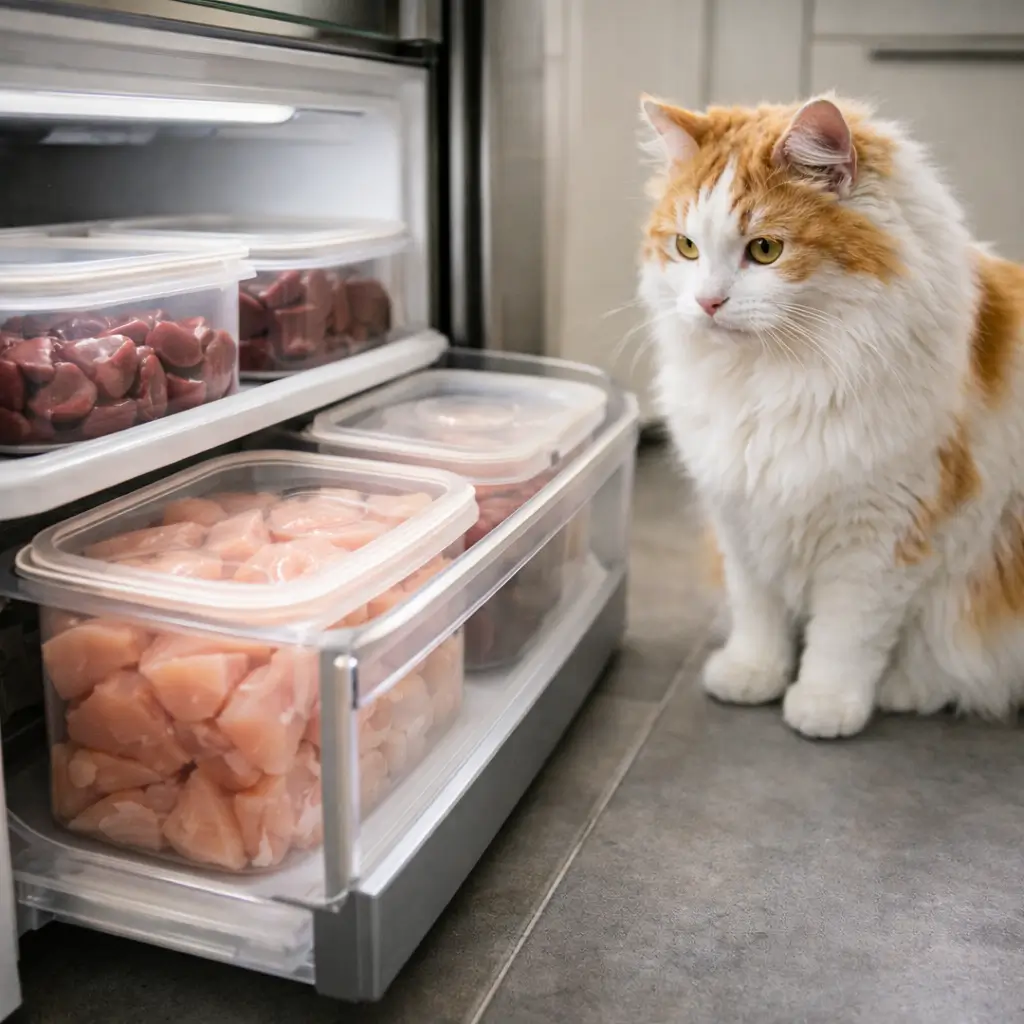
If after weighing the risks and benefits you decide to explore raw feeding, following strict safety protocols is non-negotiable. Here’s your safe raw feeding guide:
Sourcing Your Chicken
Choose human-grade meat from reputable sources. While this doesn’t eliminate bacterial risk, it typically means the meat was processed under stricter hygiene standards. Some raw feeders seek out:
- Organic, free-range chicken (fewer antibiotic-resistant bacteria)
- Meat from local farms with transparent practices
- Pre-made commercial raw cat foods that undergo High-Pressure Processing (HPP) or other pathogen reduction steps
Avoid “pet-grade” meat sold at some pet stores, which may have been processed under less stringent standards and isn’t legally required to be fit for human consumption.
Freezing Protocols
Freezing can reduce (but not eliminate) some parasites and may reduce bacterial loads, though it doesn’t reliably kill Salmonella, E. coli, or Campylobacter. For parasite reduction:
- Freeze meat at -4°F (-20°C) for at least 72 hours
- For certain parasites like Toxoplasma, freezing for 3 or more days is recommended
Important: Never rely on freezing alone as a safety measure against bacteria. It helps, but it’s not sufficient.
Safe Handling Practices
Preparation hygiene:
- Thaw safely in the refrigerator, never at room temperature. Bacterial multiplication accelerates dramatically between 40°F and 140°F (4°C and 60°C).
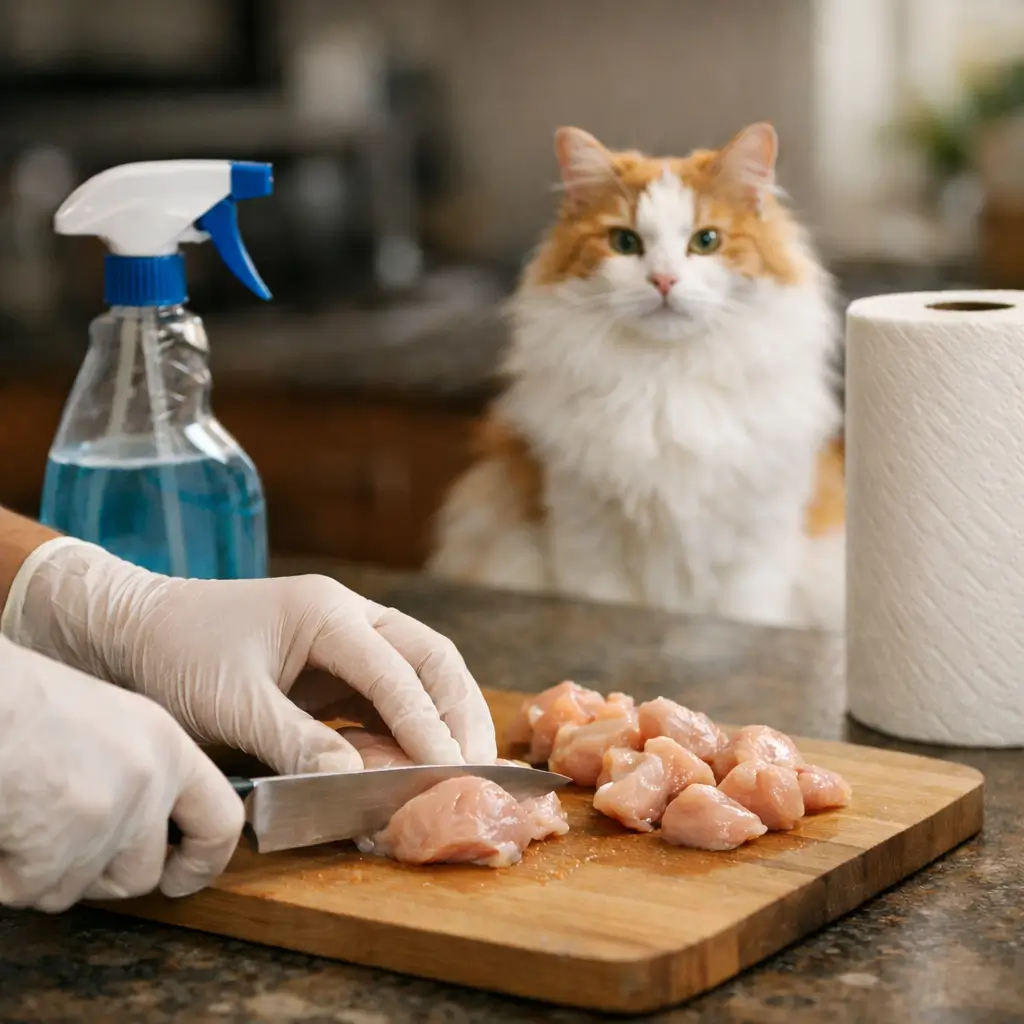
- Use dedicated equipment. Designate specific cutting boards, knives, and bowls for raw meat preparation. Stainless steel or glass is preferable as it’s easier to sanitize than plastic or wood.
- Sanitize thoroughly. After preparation, wash all surfaces and equipment with hot, soapy water, then sanitize with a diluted bleach solution (1 tablespoon bleach per gallon of water) or a food-safe sanitizer.
- Wash your hands with soap and water for at least 20 seconds before and after handling raw meat.
Feeding hygiene:
- Serve appropriate portions. Only offer what your cat will consume within 20-30 minutes. Never leave raw food sitting out.
- Refrigerate unused portions immediately. Use within 2-3 days or freeze for later.
- Clean food dishes after every meal using hot, soapy water. Sanitize daily.
- Monitor litter boxes closely. If your cat is shedding pathogens, the litter box becomes a contamination source. Clean it daily and wash your hands thoroughly afterward.
- Limit face contact with your raw-fed cat, especially for children. Cats groom their faces and bodies, potentially transferring bacteria.
Verified Sample Balanced Raw Chicken Recipe
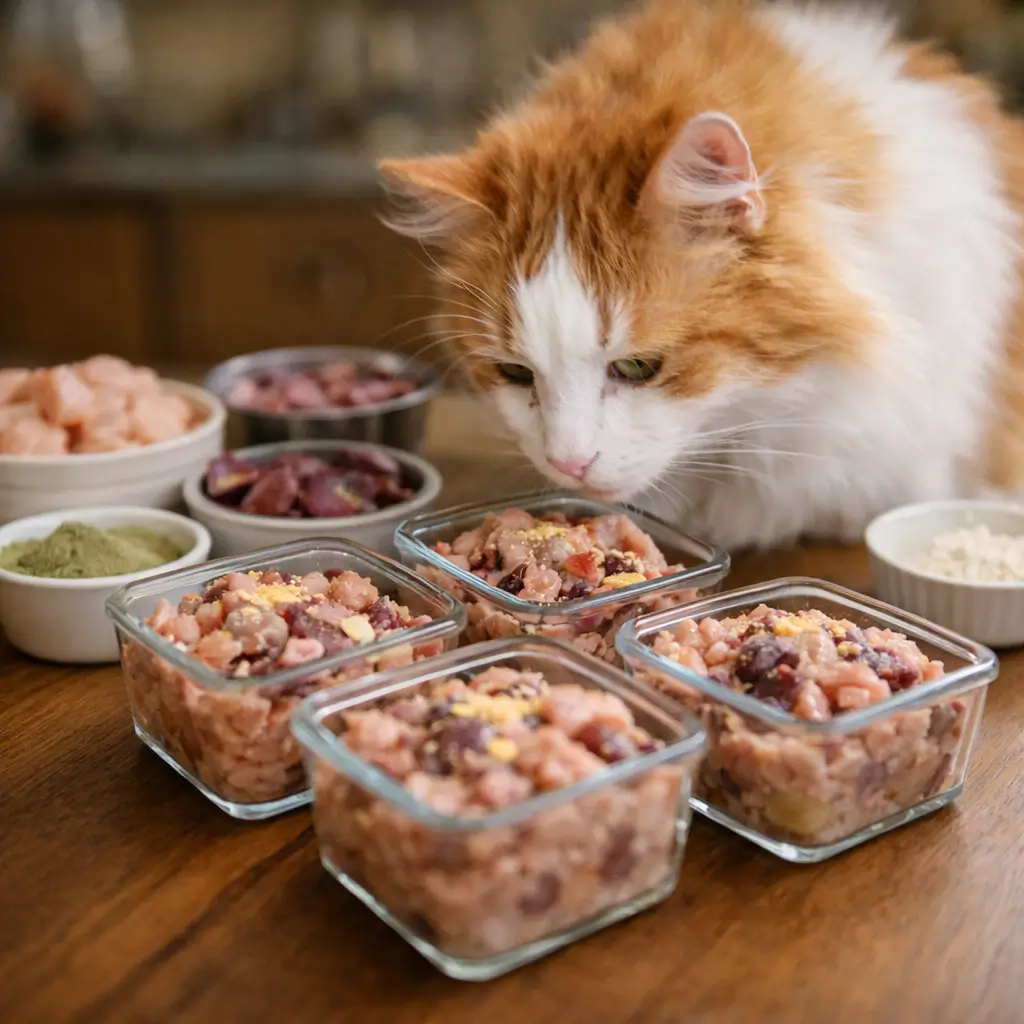
Disclaimer: This recipe is provided as an educational example demonstrating the complexity of formulating a balanced raw diet. It is not intended to replace professional veterinary nutritional guidance. Before implementing any raw diet, please consult with a board-certified veterinary nutritionist who can formulate a diet specific to your cat’s age, weight, health status, and individual needs. Unbalanced homemade diets can cause serious, sometimes fatal nutritional deficiencies.
Understanding BARF and Prey Model Raw (PMR)
Two primary philosophies guide raw feeding:
BARF (Biologically Appropriate Raw Food) typically includes approximately 70% muscle meat, 10% raw edible bone, 10% organ meats (half of which should be liver), and may include 10% vegetables and fruits.
Prey Model Raw (PMR) aims to replicate whole prey, typically using 75-80% muscle meat, 10% raw edible bone, 5% liver, and 5% other secreting organs. PMR excludes plant matter entirely.
The following recipe follows a modified prey model approach with essential supplementation:
Ingredients (Makes Approximately 2-3 Days of Food for an Average 10-lb Adult Cat)
| Ingredient | Amount | Purpose |
|---|---|---|
| Chicken thigh meat (boneless, skin-on) | 400g (14 oz) | Primary muscle meat protein source |
| Chicken heart | 100g (3.5 oz) | Taurine-rich muscle meat |
| Chicken liver | 50g (1.75 oz) | Vitamin A, copper, folate, B vitamins |
| Chicken kidney or gizzard | 50g (1.75 oz) | Additional organ meat variety |
| Raw chicken neck (with bone) | 2 small necks (~60g total) | Calcium, phosphorus, dental health |
| Water | 100ml (3.5 oz) | Added moisture |
Essential Supplements (Critical for Nutritional Completeness)
| Supplement | Amount | Why It’s Necessary |
|---|---|---|
| Taurine powder | 2000mg for this batch | Cats cannot synthesize adequate taurine; deficiency causes heart disease and blindness |
| Vitamin E (d-alpha tocopherol) | 400 IU for this batch | Antioxidant, prevents fat oxidation, not present in adequate amounts in chicken |
| Vitamin B Complex | As directed on feline supplement label | While some B vitamins are in meat, supplementation ensures adequacy |
| Iodine source (kelp powder or iodized salt) | Small pinch (~50-100mcg iodine) | Essential for thyroid function; not present in muscle meat |
| Fish oil (or wild-caught small fish like sardine) | 1000mg fish oil or 1 small sardine | Omega-3 fatty acids (EPA/DHA) for anti-inflammatory benefits |
| Egg yolk (raw or lightly cooked) | 1 yolk, optional | Additional fat-soluble vitamins, lecithin |
Note on calcium: The raw chicken necks provide the calcium in this recipe. If you’re uncomfortable feeding bone, you must substitute with calcium supplementite (calcium carbonate or eggshell powder, approximately 1000-1200mg calcium per pound of boneless meat). Never skip calcium—the consequences are severe.
Preparation Instructions
Step 1: Sanitize Your Workspace
Clean all surfaces with hot, soapy water. Lay out dedicated cutting boards and equipment. Have sanitizing solution ready for cleanup.
Step 2: Prepare the Meat
Cut the chicken thigh into bite-sized chunks appropriate for your cat—typically ½ to 1-inch pieces. Leave the skin attached for fat content. Remove any sharp bone fragments from the thigh meat.
Step 3: Prepare Organ Meats
Cut chicken hearts in half or quarters. Dice liver and kidney into small pieces. Organ meats, especially liver, should comprise no more than 10% of the total diet. Excessive liver causes vitamin A toxicity.
Step 4: Handle Bone-In Components
If using chicken necks, ensure they’re appropriately sized. For smaller cats, you may need to cut necks into sections. Raw bones should be an appropriate size to encourage chewing rather than gulping.
Step 5: Combine Ingredients
In a clean glass or stainless steel bowl, combine all meat components. Add water to increase moisture content.
Step 6: Add Supplements
This step is non-negotiable. Add the taurine powder, vitamin E, B complex, and iodine source. Mix thoroughly to ensure even distribution. If using fish oil, add it now. Mix again.
Step 7: Portion and Store
Divide into meal-sized portions (typically 4-5% of your cat’s body weight daily, split into 2-3 meals). For a 10-pound cat, this means approximately 180-225g (6-8 oz) of food daily.
Place individual portions in airtight containers or freezer-safe bags. Refrigerate what will be used within 2-3 days; freeze the remainder. Label with dates.
Step 8: Clean Up
Immediately sanitize all surfaces, equipment, and your hands. Dispose of packaging properly.
Serving Guidelines
- Thaw frozen portions in the refrigerator overnight, never at room temperature.
- Serve at room temperature or slightly warmed (not hot—never microwave raw food).
- Remove uneaten food after 20-30 minutes.
- Clean food bowls thoroughly after each meal.
- When introducing raw food, transition gradually over 7-14 days, mixing increasing amounts with your cat’s current food to prevent digestive upset.
Making Your Decision: Is Raw Chicken Right for Your Cat?
After reviewing all the evidence, where does this leave you as a cat owner exploring whether can cats eat raw chicken in your specific situation?
Consider Raw Feeding If:
- You’re committed to strict food safety and handling protocols
- No immunocompromised individuals (human or feline) live in your household
- You’re willing to work with a veterinary nutritionist to ensure balanced formulation
- You can source high-quality, human-grade ingredients
- You have time for proper preparation and cleaning
- Your cat is a healthy adult with no underlying health conditions
Consider Alternatives If:
- Young children, elderly, pregnant, or immunocompromised individuals share your home
- Your cat has FIV, FeLV, is very young, or geriatric
- You’re unable to commit to rigorous safety protocols
- Formulating a balanced diet feels overwhelming
- Your veterinarian has specific concerns about your cat’s health
Middle-Ground Options
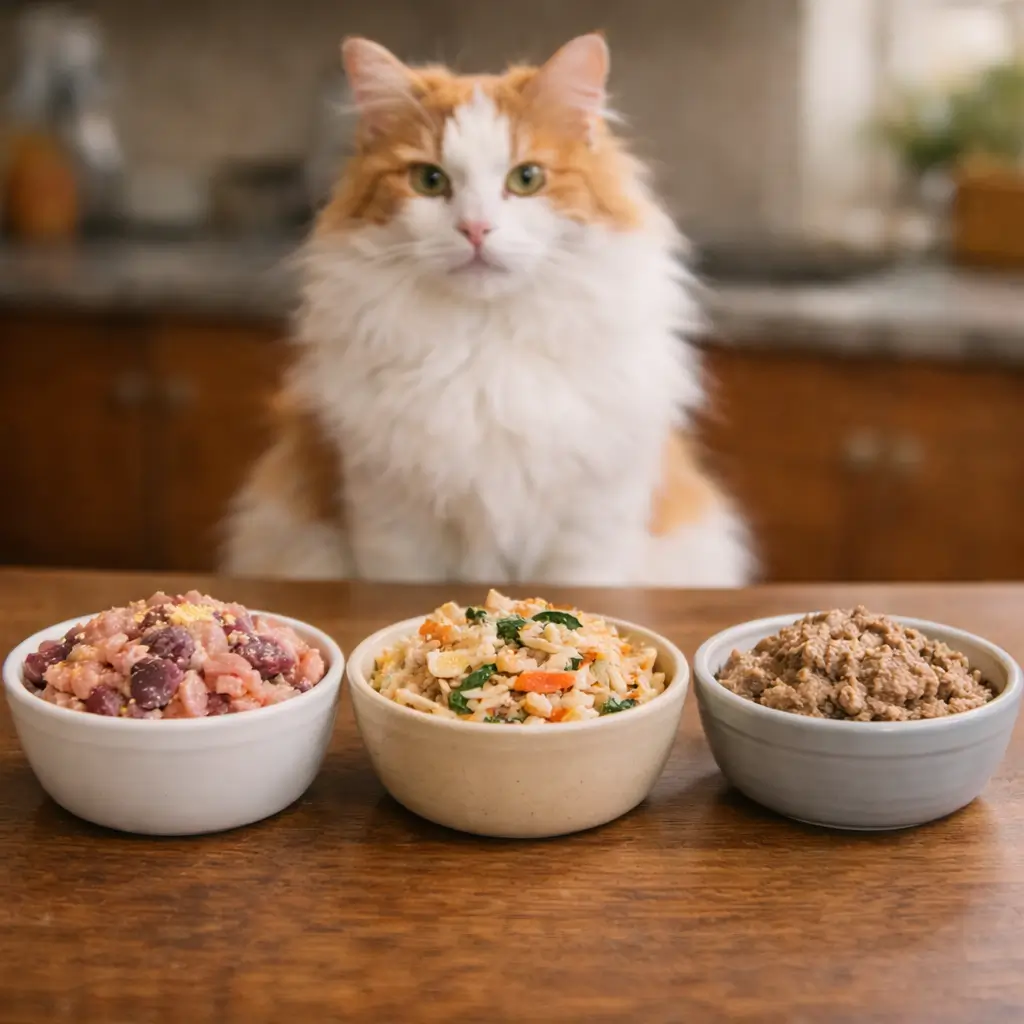
If you’re drawn to the principles of raw feeding but concerned about the risks, consider these alternatives:
Commercial raw diets with pathogen reduction use High-Pressure Processing or other technologies to reduce (though not eliminate) bacterial loads while preserving raw nutrition.
Lightly cooked homemade diets (sous vide or gentle cooking to 165°F internal temperature) eliminate bacterial risk while preserving more nutrition than commercial processing.
High-quality canned foods with named meat sources provide high moisture, good protein quality, and complete nutrition with minimal preparation.
Conclusion: Balancing Nature and Safety
So, can cats eat raw chicken safely? The answer is that cats can eat raw chicken—their bodies are designed for it—but whether they should depends on your ability to manage significant risks. The nutritional benefits of raw chicken for cats are real: high-quality protein, natural taurine, appropriate moisture content, and species-appropriate nutrition. However, these benefits come with genuine risks of bacterial contamination that can affect both your cat and your family.
If you choose to explore raw feeding, do so with open eyes. Work with veterinary professionals, follow rigorous safety protocols, and never assume that “natural” automatically means “safe” in our modern food system. Your cat’s evolutionary heritage as an obligate carnivore is undeniable, but so are the realities of commercially processed poultry.
Whatever you decide, your commitment to researching your cat’s nutritional needs demonstrates the care you have for your feline companion. That dedication—whether it leads you to raw feeding, high-quality commercial diets, or something in between—is what truly matters for your cat’s health and happiness.
This article is for informational purposes only and does not constitute veterinary advice. Always consult with your veterinarian or a board-certified veterinary nutritionist before making significant changes to your cat’s diet.