
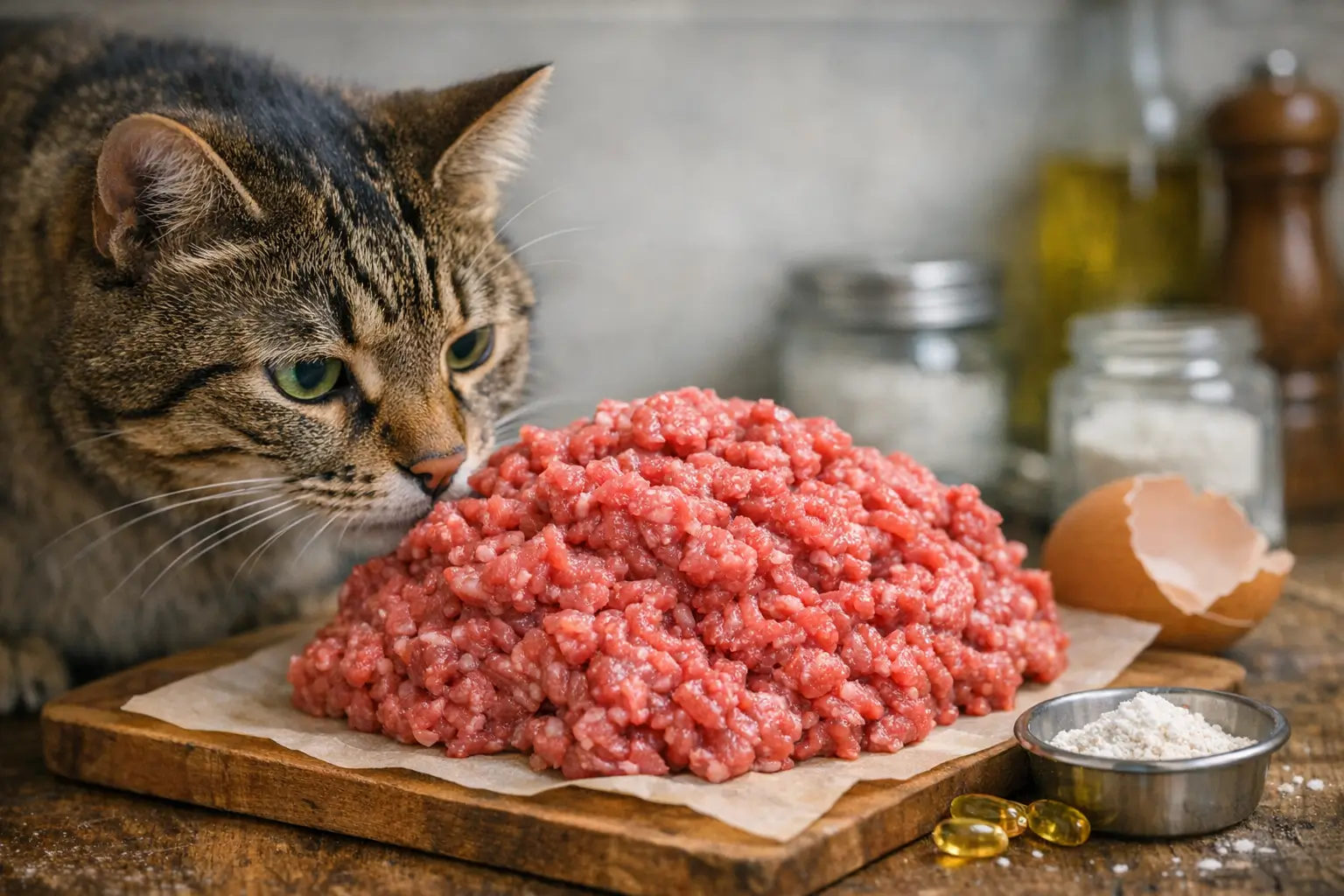
Can Cats Eat Raw Ground Beef? Safety & Risks Guide

As someone who has spent over fifteen years working alongside veterinary nutritionists and counseling countless cat owners on feline dietary choices, I understand the appeal of raw feeding. The idea of giving your cat something closer to what their wild ancestors ate feels instinctively right. But when it comes to raw ground beef specifically, the answer isn’t straightforward—and getting it wrong can have serious consequences for your beloved companion.
So, can cats eat raw ground beef? The short answer is: technically yes, but I strongly advise against it in most circumstances, and never as a regular meal without significant modifications and safety protocols. Throughout this comprehensive guide, I’ll walk you through the science behind raw feeding, explain why ground beef presents unique risks compared to other raw meat options, and provide you with actionable recipes that prioritize both nutrition and safety.
Table of Contents
Is Raw Ground Beef Safe for Cats?
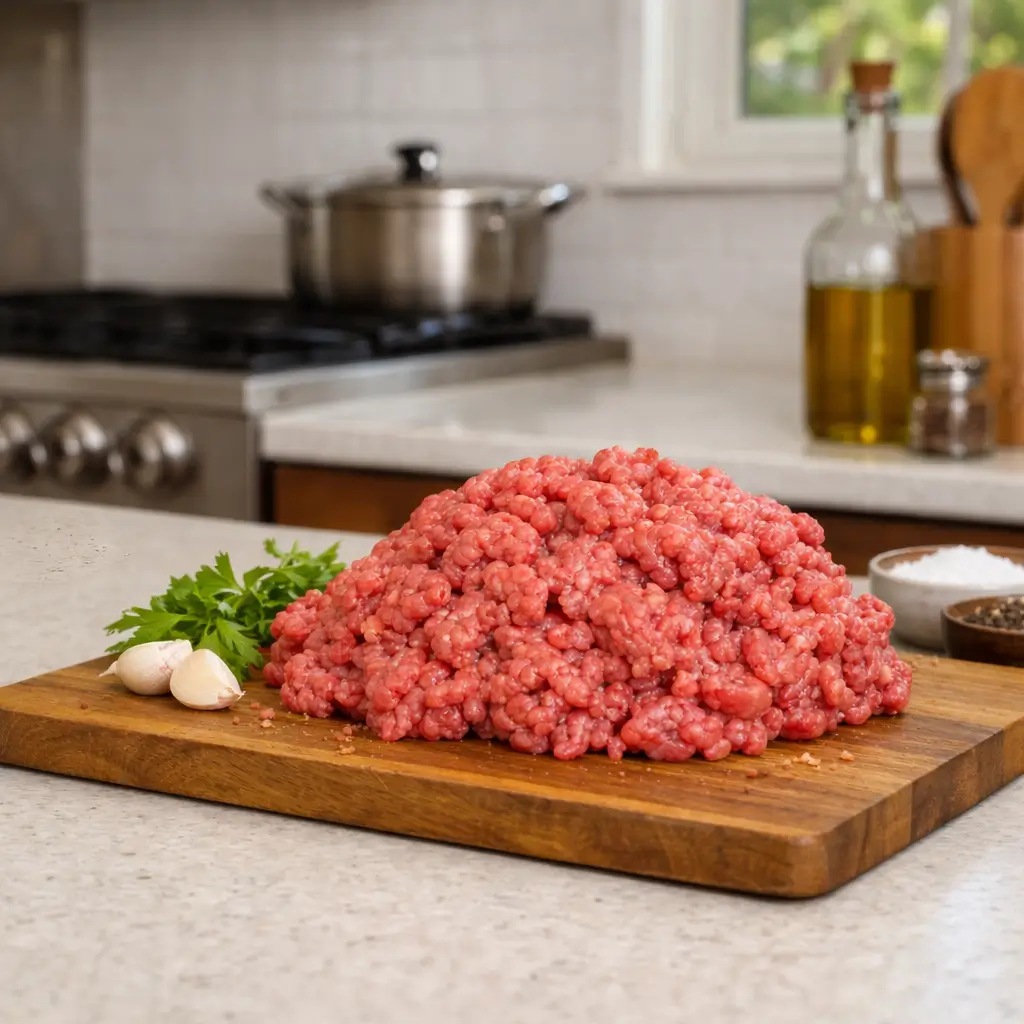
Raw ground beef can be consumed by cats, but it carries significantly higher bacterial contamination risks than whole muscle cuts. The grinding process distributes surface bacteria like Salmonella and E. coli throughout the meat, making it impossible to eliminate pathogens without cooking. Additionally, ground beef alone is nutritionally incomplete and will cause severe deficiencies if fed as a primary diet. For these reasons, most veterinary professionals recommend either cooking ground beef or sourcing whole cuts for home grinding under strict hygiene protocols.
Understanding the Raw Feeding Controversy
The debate around raw diets for cats has intensified over the past decade, with passionate advocates on both sides. I’ve seen this controversy play out in veterinary clinics, online forums, and academic journals. Let me present both perspectives fairly before we dive into the specific concerns surrounding ground beef.
The Case for Raw Feeding
Proponents of raw feeding point to several potential benefits. Cats are obligate carnivores, meaning their bodies are designed to derive nutrition primarily from animal tissue. In the wild, their ancestors consumed prey animals raw, including muscle meat, organs, and bones.
Some reported benefits from raw feeding enthusiasts include improved coat quality, better dental health, smaller and less odorous stools, and increased energy levels. These observations, while largely anecdotal, have motivated many cat owners to explore raw options.
The Veterinary Perspective
Major veterinary organizations, including the American Veterinary Medical Association and the American Animal Hospital Association, have issued statements discouraging raw meat diets. Their concerns center on bacterial contamination risks, potential nutritional imbalances, and the public health implications of handling raw meat in households.
However, I believe the conversation deserves more nuance than blanket statements in either direction. The real question isn’t whether raw feeding is universally good or bad—it’s whether specific raw feeding practices can be done safely and nutritiously. And when it comes to raw ground beef, the safety concerns are particularly pronounced.
Why Ground Beef Is Different: The Bacterial Risk Factor
This is where I need you to pay close attention, because understanding this distinction could protect your cat from serious illness.
Surface Contamination vs. Throughout Contamination
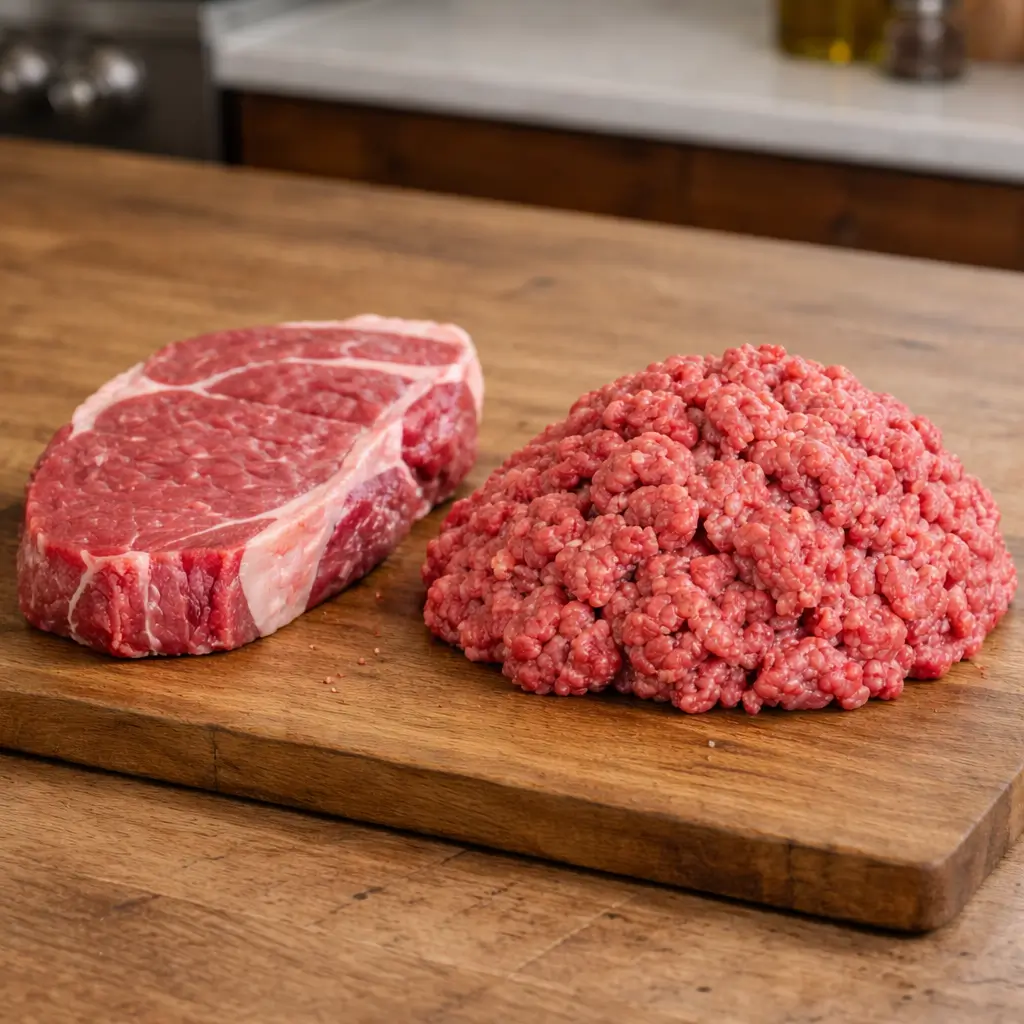
When a cow is slaughtered and processed, bacteria from the animal’s hide, intestines, and the processing environment can contaminate the surface of the meat. On a whole muscle cut—like a steak or roast—these bacteria remain on the outside. If you were to sear the exterior briefly, you would kill most of these pathogens while leaving the interior raw.
Ground beef changes everything. The grinding process takes that contaminated surface and mixes it throughout the entire product. What was once surface bacteria is now distributed uniformly through every bite. There is no “inside” to remain protected—the pathogens are everywhere.
Specific Pathogens of Concern
Salmonella is perhaps the most commonly discussed risk in raw meat feeding. Cats can become infected and shed the bacteria in their feces for weeks, even if they don’t show symptoms. This creates a public health concern for everyone in your household, particularly children, elderly individuals, and immunocompromised family members.
E. coli, particularly pathogenic strains like E. coli O157:H7, can cause severe gastrointestinal illness. While cats may be more resistant to some strains than humans, they are not immune, and the risk of cross-contamination in your kitchen is real.
Campylobacter is another bacterial concern that can cause diarrhea, vomiting, and systemic illness in cats.
The Grinding Factor in Numbers
Studies examining bacterial contamination in retail ground beef have found concerning rates of pathogen presence. Research published in the Journal of Food Protection has documented Salmonella contamination rates in commercial ground beef samples, while E. coli contamination is also regularly detected in testing.
When you purchase pre-ground beef from a supermarket, you’re also dealing with another variable: commingling. Commercial ground beef often contains meat from multiple animals, sometimes dozens or even hundreds. This means that even if only one animal in the batch carried pathogens, the entire product becomes contaminated during grinding.
The Nutritional Problem: Why Beef Alone Isn’t Enough
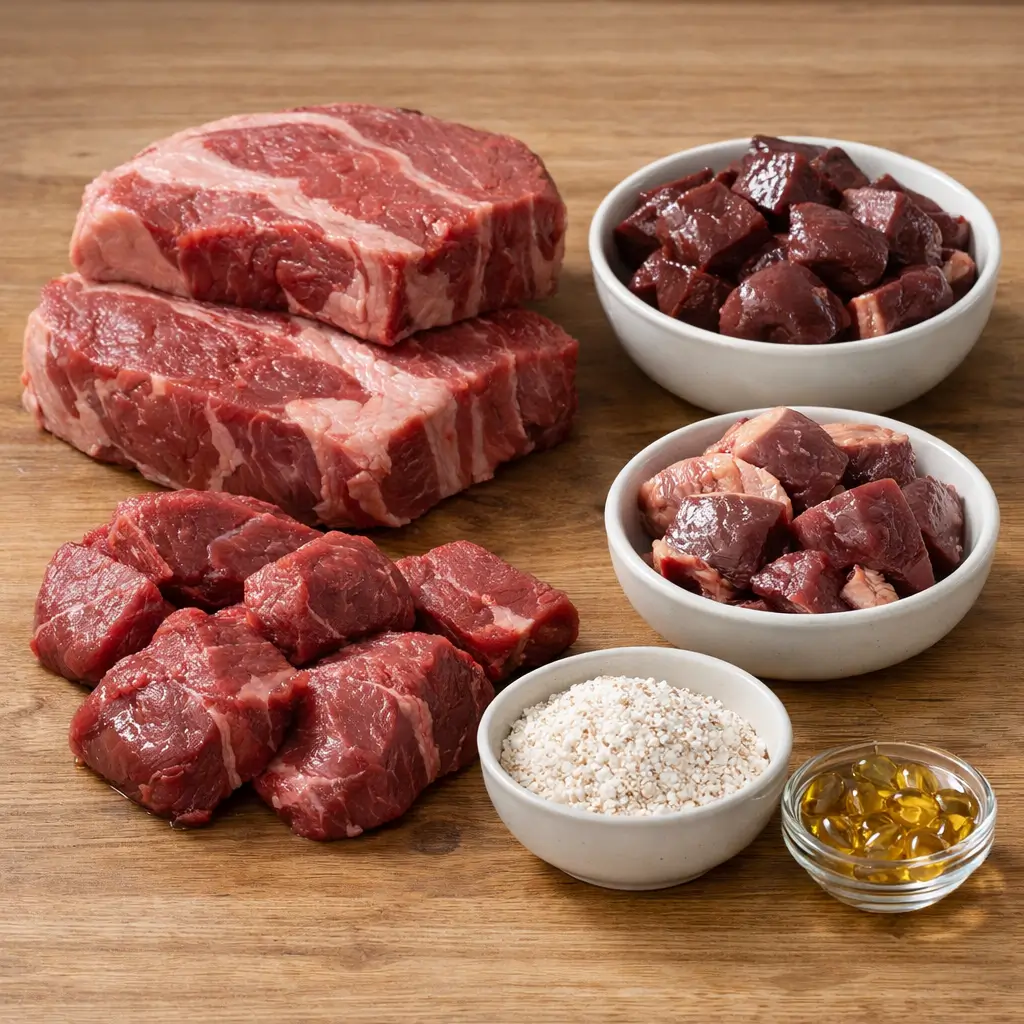
Even if we could eliminate all bacterial concerns, feeding your cat ground beef as a regular meal would still be nutritionally catastrophic. I cannot stress this enough: meat alone is not a complete diet for cats.
Taurine Deficiency
Taurine is an amino acid that cats cannot synthesize in adequate amounts on their own. They must obtain it from their diet. Taurine deficiency leads to dilated cardiomyopathy (a serious heart condition), retinal degeneration that can cause blindness, and reproductive problems.
While beef contains some taurine, the amounts vary depending on the cut and preparation method. Heart meat is particularly rich in taurine, which is why organ meats are essential in any homemade cat diet. If you feed only ground muscle meat, your cat will develop taurine deficiency over time—a condition that can be fatal if not addressed.
Calcium Deficiency
This is another critical concern that many well-meaning cat owners overlook. Muscle meat contains virtually no calcium but is high in phosphorus. This creates a dangerous calcium-to-phosphorus ratio that, over time, causes the body to leach calcium from the bones to maintain blood calcium levels.
The result is a condition called nutritional secondary hyperparathyroidism, which leads to bone weakness, fractures, and severe musculoskeletal problems. I’ve seen cats brought into clinics with broken bones simply from jumping off furniture because their skeletal system had been so compromised by nutritional imbalances.
In the wild, cats obtain calcium by consuming the bones of their prey. In a homemade diet, you must supplement with calcium—whether through ground bone, bone meal, or eggshell powder.
Other Essential Nutrients
Beyond taurine and calcium, cats also require adequate amounts of vitamin A (which they cannot synthesize from plant sources), vitamin D, vitamin E, essential fatty acids, and various B vitamins. A complete raw diet must include organ meats like liver (for vitamin A and B vitamins) and heart (for taurine), as well as appropriate supplements.
Cats Who Should Never Eat Raw Diets
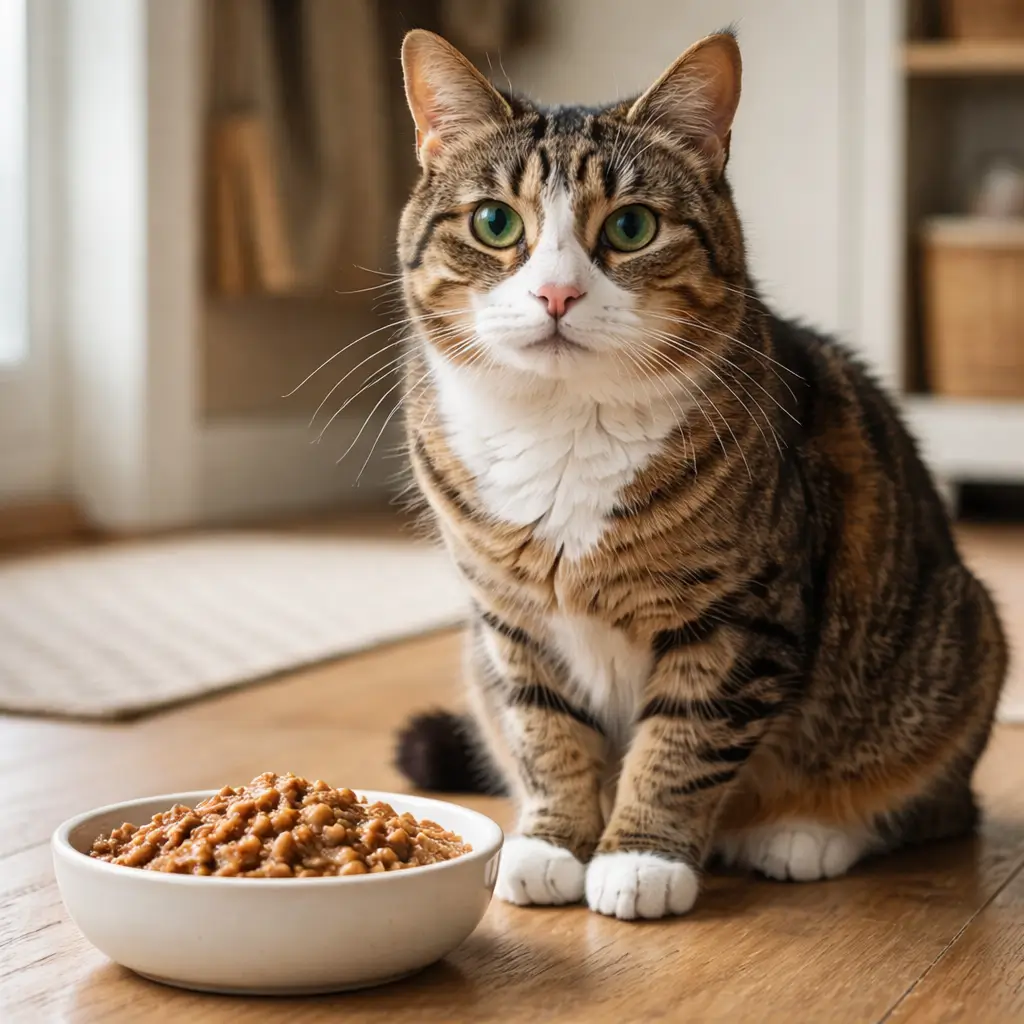
Before we discuss how to approach raw feeding more safely, I need to address a critical point: some cats should never consume raw meat, period.
Immunocompromised cats lack the robust immune response needed to fight off bacterial contamination. This includes cats with feline immunodeficiency virus (FIV), feline leukemia virus (FeLV), or other conditions that suppress immune function.
Cats undergoing chemotherapy have significantly weakened immune systems and are at severe risk of infection from raw meat pathogens.
Kittens and senior cats may also be more vulnerable due to developing or declining immune function.
Cats in households with immunocompromised humans present a public health concern, as they may shed pathogens in their feces and saliva even if they don’t become visibly ill.
If any of these situations apply to your household, please choose cooked food options only.
Recipe 1: The “Safer” Alternative — Lightly Cooked Beef Recipe
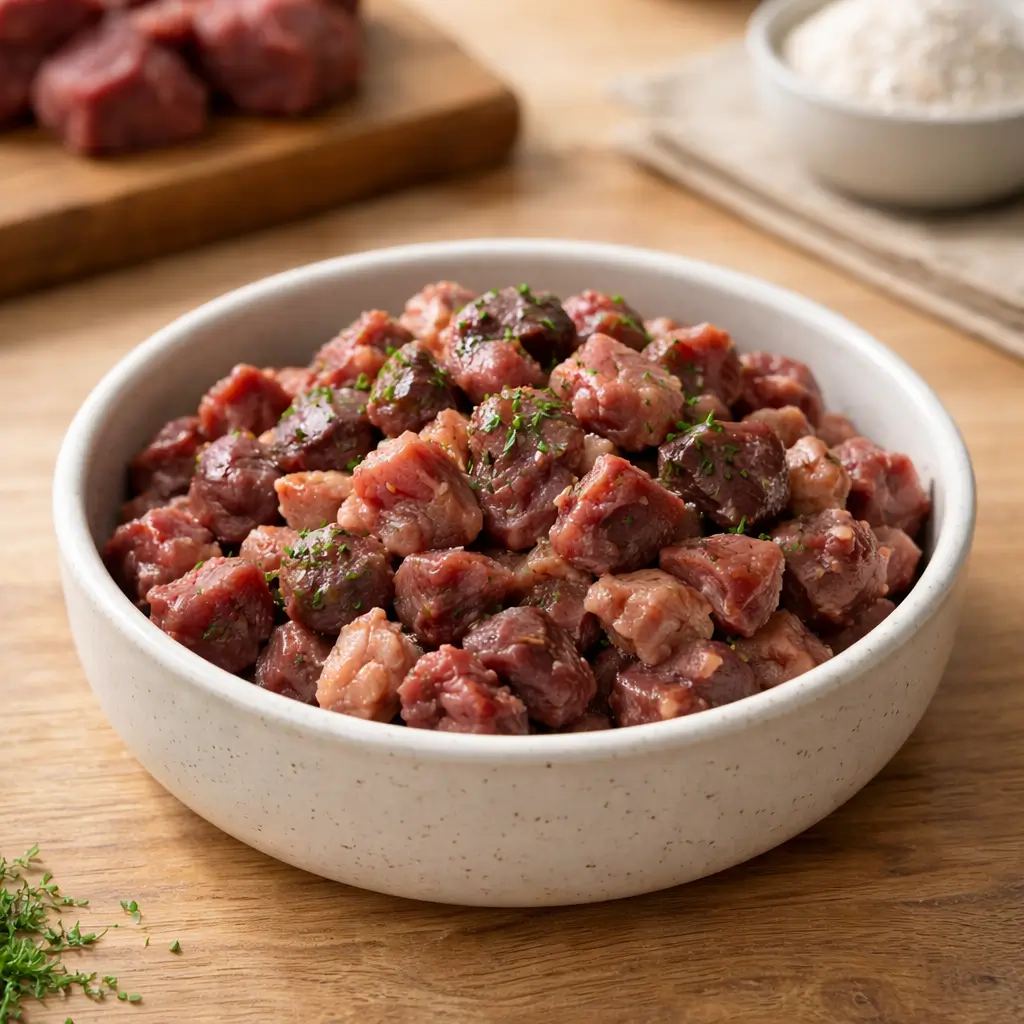
For cat owners who want to incorporate beef into a homemade diet while minimizing bacterial risks, this lightly cooked recipe offers a practical middle ground. Cooking eliminates the surface bacteria that grinding has distributed throughout the meat while still providing a moisture-rich, palatable meal.
Ingredients
- 1 pound lean ground beef (85% lean or higher)
- 4 ounces beef heart, finely chopped
- 2 ounces beef liver, finely chopped
- 1 teaspoon calcium supplement (calcium carbonate or finely ground eggshell powder)
- 500 mg taurine supplement
- 1 cup water or low-sodium beef broth
- 1 teaspoon fish oil (for omega-3 fatty acids)
- 200 IU vitamin E (optional, but recommended)
Step-by-Step Instructions
Step 1: Prepare Your Workspace
Wash your hands thoroughly and sanitize all surfaces, cutting boards, and utensils. Treat this preparation with the same care you would use when cooking raw meat for your own meals.
Step 2: Prepare the Organ Meats
Finely chop the beef heart and liver. These organ meats are nutritionally essential—the liver provides vitamin A and B vitamins, while the heart is an excellent source of taurine. The pieces should be small enough that your cat won’t pick around them.
Step 3: Cook the Meat Mixture
In a large skillet over medium heat, combine the ground beef, chopped heart, and chopped liver. Cook until the meat reaches an internal temperature of 160°F (71°C), stirring frequently to ensure even cooking. This temperature is sufficient to kill Salmonella, E. coli, and other common pathogens.
Step 4: Retain the Moisture
Add the water or broth to the cooked meat while it’s still warm. This helps replace moisture lost during cooking and makes the food more palatable. Stir to combine.
Step 5: Cool and Add Supplements
Allow the mixture to cool to room temperature. Never add supplements to hot food, as heat can degrade taurine and other nutrients. Once cooled, mix in the calcium supplement, taurine, fish oil, and vitamin E. Stir thoroughly to distribute supplements evenly.
Step 6: Portion and Store
Divide the mixture into daily portions based on your cat’s weight (approximately 2-3% of body weight per day for adult cats). Store portions in airtight containers in the refrigerator for up to three days, or freeze for up to three months.
Feeding Guidelines
Warm refrigerated food slightly before serving—cats prefer food at roughly “mouse body temperature” (around 100°F). Never microwave, as this creates hot spots that can burn your cat’s mouth.
Recipe 2: The “Raw” Approach — Strict Safety Edition
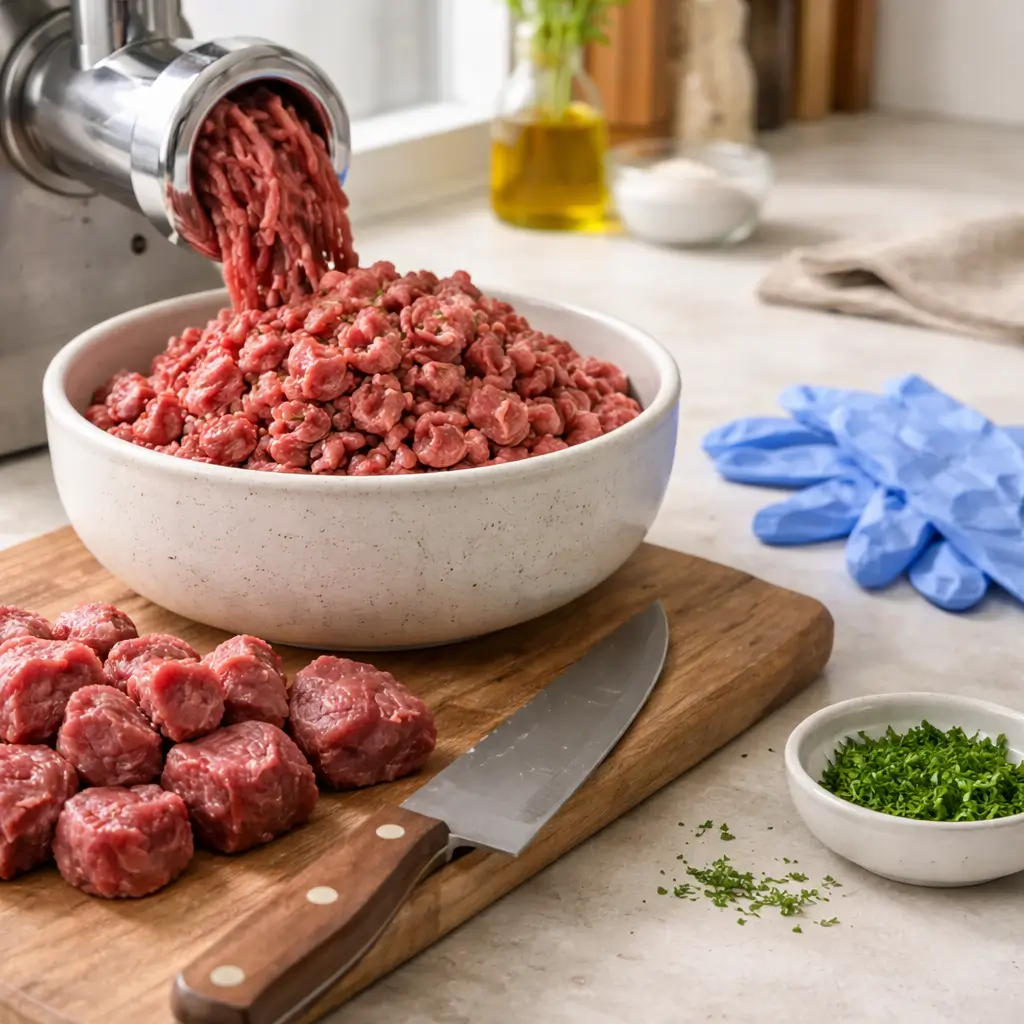
For those committed to raw feeding despite the risks, this recipe incorporates safety modifications designed to minimize—though not eliminate—bacterial contamination concerns.
⚠️ Important Disclaimer: I cannot recommend using pre-ground supermarket meat for this recipe. The bacterial risks outlined earlier in this article apply fully here. If you choose to proceed with raw feeding, purchase whole beef cuts from a reputable butcher and grind them yourself immediately before preparation. This significantly reduces (though does not eliminate) the risk of pathogen contamination.
Why Home Grinding Matters
When you grind meat at home from a fresh whole cut, you control the process. The surface bacteria present on a whole muscle cut is limited to the exterior. By trimming the outer surfaces and grinding immediately before feeding, you minimize the time bacteria have to multiply and reduce the total bacterial load.
This is fundamentally different from commercial ground beef, which may have been ground hours or days earlier, stored at varying temperatures during transport, and commingled from multiple animals.
Ingredients
- 1 pound fresh beef (home-ground from whole cuts such as chuck or round)
- 4 ounces beef heart
- 2 ounces beef liver
- 1 ounce beef kidney (optional, for additional nutrient variety)
- 1 teaspoon bone meal or finely ground eggshell powder (calcium is non-negotiable)
- 500 mg taurine supplement
- 1 teaspoon fish oil (salmon oil or sardine oil preferred)
- 200 IU vitamin E
- ½ cup water
Step-by-Step Instructions with Hygiene Focus
Step 1: Sanitize Everything
Before handling any raw meat, thoroughly clean and sanitize your work surfaces, grinder, bowls, and utensils. Use a food-safe sanitizer or a diluted bleach solution (1 tablespoon bleach per gallon of water), and allow surfaces to dry completely.
Step 2: Select and Inspect Your Meat
Choose whole muscle cuts that appear fresh, with no off-odors or discoloration. Trim away any surface fat and the outermost layer of meat where surface bacteria are concentrated.
Step 3: Grind the Meat Fresh
Using a thoroughly cleaned meat grinder, process the beef, heart, liver, and kidney. Grind immediately before mixing—do not prepare ground meat and let it sit. Work quickly to minimize the time meat spends at room temperature.
Step 4: Combine and Mix
In a large, sanitized bowl, combine the ground meat mixture with the bone meal or eggshell powder. Add the taurine, fish oil, vitamin E, and water. Mix thoroughly with clean hands or a sanitized utensil to ensure supplements are evenly distributed.
Step 5: Portion Immediately
Divide into individual meal portions. Place portions you’ll use within two days in the refrigerator; freeze the remainder immediately. Raw food should not remain in the refrigerator for more than 48 hours.
Step 6: Serve and Clean
After feeding, wash your cat’s food bowl with hot, soapy water. Clean any surfaces the raw food touched. Wash your hands thoroughly. Consider keeping your cat’s food bowl separate from your family’s dishes.
Critical Warnings for Raw Feeding
- Never leave raw food sitting in your cat’s bowl for more than 30 minutes.
- Never refreeze raw food that has been thawed.
- Monitor your cat for any signs of gastrointestinal distress, including vomiting, diarrhea, or lethargy.
- Keep raw-fed cats away from immunocompromised family members, and be aware that they may shed bacteria in their feces.
The Non-Negotiable Supplements: Why Meat Alone Will Harm Your Cat
I want to revisit this point because it’s critically important. Whether you choose the cooked or raw approach, supplements are not optional—they are essential for your cat’s survival.
Calcium
Without adequate calcium supplementation, your cat will develop nutritional secondary hyperparathyroidism within weeks to months. This condition is painful, debilitating, and can be fatal. The recommended calcium-to-phosphorus ratio for cats is approximately 1.1:1 to 1.4:1. Muscle meat alone has a ratio closer to 1:20—dangerously inverted.
Acceptable calcium sources include bone meal, finely ground eggshell powder (approximately ½ teaspoon per pound of meat), or commercial calcium carbonate supplements formulated for pets.
Taurine
Taurine deficiency causes irreversible damage to the heart and eyes. While organ meats like heart contain taurine naturally, the amounts may not be sufficient, and taurine can be lost during storage and handling. Most feline nutritionists recommend supplementing with 250-500 mg of taurine per pound of food to ensure adequacy.
Other Considerations
Fish oil provides omega-3 fatty acids (EPA and DHA) that cats cannot efficiently synthesize from plant sources. Vitamin E acts as an antioxidant and is particularly important when feeding fish oil. Liver provides vitamin A, but amounts must be controlled—too much liver can cause vitamin A toxicity.
When to Consult Your Veterinarian
If you’re considering a homemade diet for your cat—whether cooked or raw—I strongly encourage you to work with a veterinary nutritionist. These specialists can analyze your recipes to ensure they meet all of your cat’s nutritional requirements and can adjust formulations based on your cat’s individual health status.
This is particularly important if your cat has any underlying health conditions, is a kitten or senior, or will be eating homemade food as their primary diet long-term.
Conclusion: Balancing Instinct with Science
The question “can cats eat raw ground beef” touches on a broader tension in pet nutrition: the desire to feed our cats naturally versus the realities of food safety and nutritional science. As someone who deeply respects both perspectives, I believe the answer lies in informed decision-making.
Raw ground beef from the supermarket carries significant bacterial risks due to the grinding process, which distributes surface pathogens throughout the meat. If you want to incorporate beef into your cat’s diet, consider either cooking it thoroughly or sourcing whole cuts for home grinding under strict hygiene protocols.
Most importantly, never feed beef—or any single ingredient—as a complete diet. Supplements like calcium and taurine are absolutely essential for preventing serious, potentially fatal nutritional deficiencies.
Your cat depends on you to make safe, informed choices about their nutrition. By understanding the risks associated with raw ground beef and following the safety protocols outlined in this guide, you can make decisions that honor both your cat’s carnivorous nature and their need for a safe, complete, and balanced diet.
This article is intended for educational purposes only and does not replace professional veterinary advice. Always consult with your veterinarian before making significant changes to your cat’s diet.