
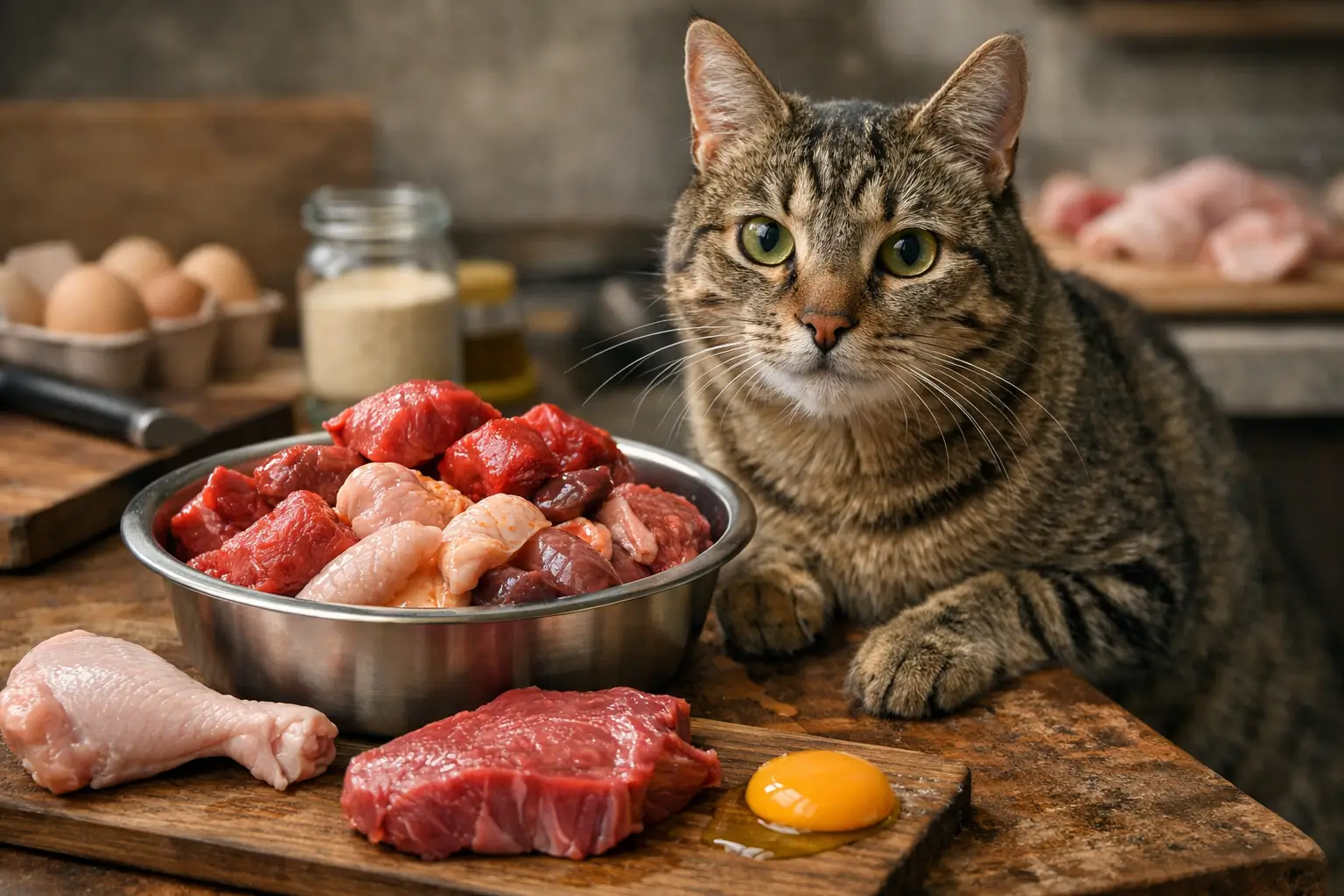
Can Cats Eat Raw Meat? A Complete Vet-Approved Guide

As cat owners, we want nothing but the best for our feline companions. And in recent years, one question has sparked passionate debate in veterinary clinics, online forums, and pet food aisles alike: can cats eat raw meat? It’s a question that taps into something primal—after all, our domestic cats are descendants of wild hunters who thrived on freshly caught prey.
Table of Contents
I understand the appeal. When you watch your cat stalk a toy mouse with laser-focused intensity, it’s impossible not to wonder whether their commercial kibble truly satisfies their biological needs. The raw cat food diet movement has grown tremendously, with advocates pointing to shinier coats, improved digestion, and more natural eating patterns. But critics—including many veterinary professionals—raise serious concerns about bacterial contamination, nutritional imbalances, and practical safety.
In this comprehensive guide, we’ll cut through the noise. We’ll examine the science, weigh the genuine benefits against the real risks, and provide you with actionable, safety-first protocols if you choose to explore raw feeding. Whether you’re a curious skeptic or a committed raw feeder looking to improve your practices, this guide will give you the knowledge you need to make informed decisions about your cat’s nutrition.
The Short Answer: Can Cats Eat Raw Meat?
Yes, cats can eat raw meat, but with significant caveats. As obligate carnivores, cats are biologically designed to digest raw animal protein more efficiently than humans or even dogs. However, feeding raw meat safely requires careful attention to sourcing, handling, nutritional balance, and supplementation. Raw meat alone is not a complete diet—it must be formulated properly to prevent dangerous nutritional deficiencies. Additionally, raw meat carries inherent bacterial and parasitic risks that owners must actively mitigate through proper food safety protocols.
Understanding Your Cat’s Carnivorous Nature

Why Cats Are Different From Other Pets
To truly understand the raw feeding debate, we need to appreciate what makes cats unique. Unlike dogs, who evolved alongside humans and developed some omnivorous capabilities, cats remain obligate carnivores. This isn’t a preference—it’s a biological imperative.
Your cat’s digestive system is specifically designed for processing animal protein. Their intestinal tract is notably shorter than that of omnivores, optimized for quickly digesting meat rather than fermenting plant matter. Their liver produces minimal amounts of the enzymes needed to process carbohydrates efficiently. And critically, cats cannot synthesize certain essential nutrients on their own—most notably taurine, an amino acid abundant in raw meat that cats absolutely require for heart function, vision, and reproduction.
The Evolutionary Argument
Wild cats—from African wildcats (the direct ancestors of our housecats) to lions and tigers—consume their prey raw, including muscle meat, organs, and bones. Proponents of the raw cat food diet argue that this evolutionary history suggests cats are well-equipped to handle raw meat, including its bacterial load.
There’s some validity to this perspective. Cats have highly acidic stomachs (pH levels around 1-2), which does provide some natural defense against pathogens. However, it’s crucial to recognize that domestication has changed our cats in ways we don’t fully understand, and wild cats certainly suffer from parasitic infections and foodborne illnesses—they simply don’t live long enough or receive veterinary care for us to document these effects thoroughly.
The Benefits of Raw Meat for Cats: What the Advocates Say
Improved Coat and Skin Health
One of the most commonly reported benefits of raw feeding is a dramatic improvement in coat quality. Owners frequently describe their cats developing softer, shinier fur with reduced shedding. This makes biological sense—raw diets are typically higher in bioavailable fatty acids, particularly omega-3 and omega-6, which directly support skin and coat health.
Enhanced Digestion
Many raw feeders report that their cats produce smaller, less odorous stools. This is attributed to the high digestibility of raw meat proteins compared to the plant-based fillers found in many commercial foods. When cats absorb more nutrients from their food, there’s simply less waste product.
Dental Health Considerations
Some proponents of the BARF diet for cats (Biologically Appropriate Raw Food) argue that chewing raw meaty bones helps maintain dental health by mechanically scraping plaque from teeth. However, I must note that veterinary dental specialists remain divided on this claim, and bone feeding carries its own risks that we’ll discuss later.
Weight Management and Muscle Tone
Raw diets tend to be lower in carbohydrates and higher in protein, which may help maintain lean muscle mass and healthy body weight. For overweight cats, this can be particularly beneficial, though portion control remains essential regardless of diet type.
Increased Hydration
Raw meat contains approximately 65-75% moisture, significantly more than dry kibble (around 10%). For cats—who evolved in arid environments and have a naturally low thirst drive—this increased moisture intake may support kidney and urinary tract health.
Raw Feeding Safety: The Risks You Must Understand
While the potential benefits are appealing, responsible raw feeding requires a clear-eyed assessment of the risks. These aren’t fear-mongering—they’re documented medical realities that must inform your feeding practices.
Bacterial Contamination Risks
This is the primary concern voiced by veterinary organizations including the AVMA (American Veterinary Medical Association) and WSAVA (World Small Animal Veterinary Association), both of which have issued position statements cautioning against raw feeding.
Salmonella is perhaps the most common pathogen found in raw poultry and other meats. Studies have found Salmonella contamination in 20-48% of commercial raw pet food diets tested. While healthy adult cats may shed Salmonella asymptomatically, they can become carriers, potentially infecting immunocompromised humans, children, and elderly family members in the household.
E. coli, including dangerous strains like O157:H7, poses similar risks. Raw beef products are particularly susceptible.
Listeria monocytogenes is especially concerning for pregnant women in the household, as it can cause miscarriage and serious illness.
Parasitic Risks
Toxoplasma gondii is a parasite for which cats serve as the definitive host. Raw meat—particularly pork, lamb, and wild game—can harbor Toxoplasma cysts. Infected cats shed oocysts in their feces, creating risks for pregnant women (toxoplasmosis can cause birth defects) and immunocompromised individuals.
Trichinella (found in pork and wild game) and Neospora are additional parasitic concerns depending on the protein source.
Nutritional Imbalance: The Hidden Danger
Perhaps the most insidious risk of raw feeding isn’t infection—it’s malnutrition.
Feeding only muscle meat is dangerous. Muscle meat alone is severely deficient in calcium, and cats fed exclusively chicken breast or beef steak will develop nutritional secondary hyperparathyroidism—a painful condition where the body leaches calcium from bones to maintain blood calcium levels, leading to fractures and skeletal deformities.
According to AAFCO (Association of American Feed Control Officials) and FEDIAF (European Pet Food Industry Federation) guidelines, a complete and balanced feline diet must contain appropriate ratios of:
- Calcium to phosphorus (ideally 1:1 to 1.5:1)
- Taurine (minimum 0.1% dry matter for adult maintenance)
- Vitamin A (cats cannot convert beta-carotene to Vitamin A)
- Arachidonic acid (an essential fatty acid cats cannot synthesize)
- B vitamins, including adequate B1 (thiamine)
A prey animal provides these nutrients naturally through the combination of muscle meat, organs (especially liver), and bones. Replicating this balance at home requires knowledge, precision, and appropriate supplementation.
⚠️ Critical Warning: Cats with Kidney Disease
If your cat has been diagnosed with chronic kidney disease (CKD), raw diets may be contraindicated. Raw meat is high in protein and phosphorus. While healthy cats thrive on high-protein diets, cats with compromised kidney function often require reduced phosphorus intake to slow disease progression. Always consult your veterinarian before feeding raw to any cat with kidney, liver, or other organ dysfunction.
Safe Raw Meat Practices: Mitigation Protocols
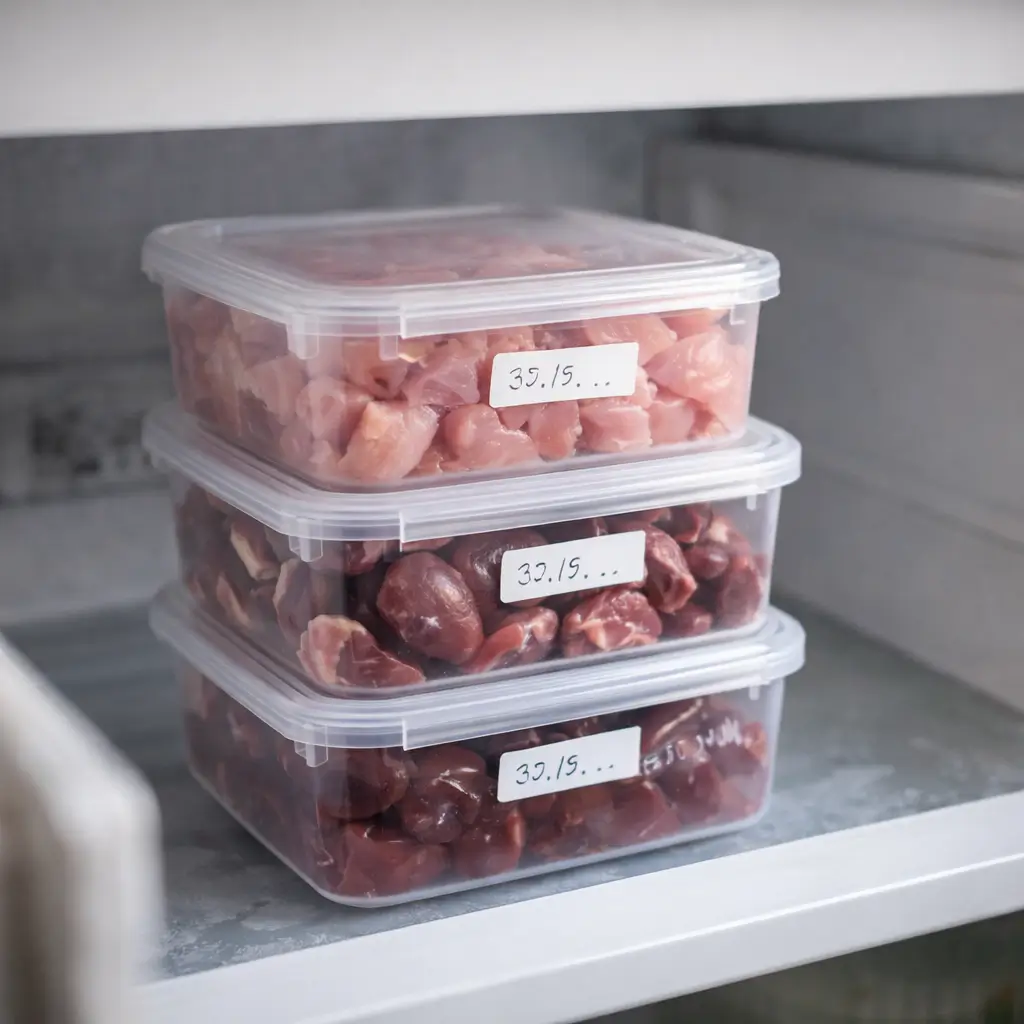
If you’ve weighed the benefits against the risks and decided to explore raw feeding, the following protocols are essential for raw feeding safety.
Sourcing High-Quality Meat
Purchase human-grade meat from reputable sources. While this doesn’t guarantee pathogen-free products, meats intended for human consumption are subject to more rigorous inspection standards. Consider:
- Organic or pasture-raised options when possible
- Avoiding meat from sources with unclear handling practices
- Building relationships with local butchers who can speak to their sourcing
Freezing Protocols for Parasite Reduction
Freezing meat before feeding can significantly reduce parasitic risks. The FDA recommends the following protocols for killing parasites (originally designed for raw fish but applicable to other meats):
- Freeze at -4°F (-20°C) or below for 7 days, OR
- Freeze at -31°F (-35°C) or below until solid, then store at -31°F for 15 hours
Important: Freezing does not eliminate bacterial contamination—Salmonella and E. coli survive freezing. Only proper handling and your cat’s immune response address bacterial risks.
Hygiene and Handling Best Practices
Treat raw pet food with the same precautions you’d use for raw meat you’re cooking for yourself:
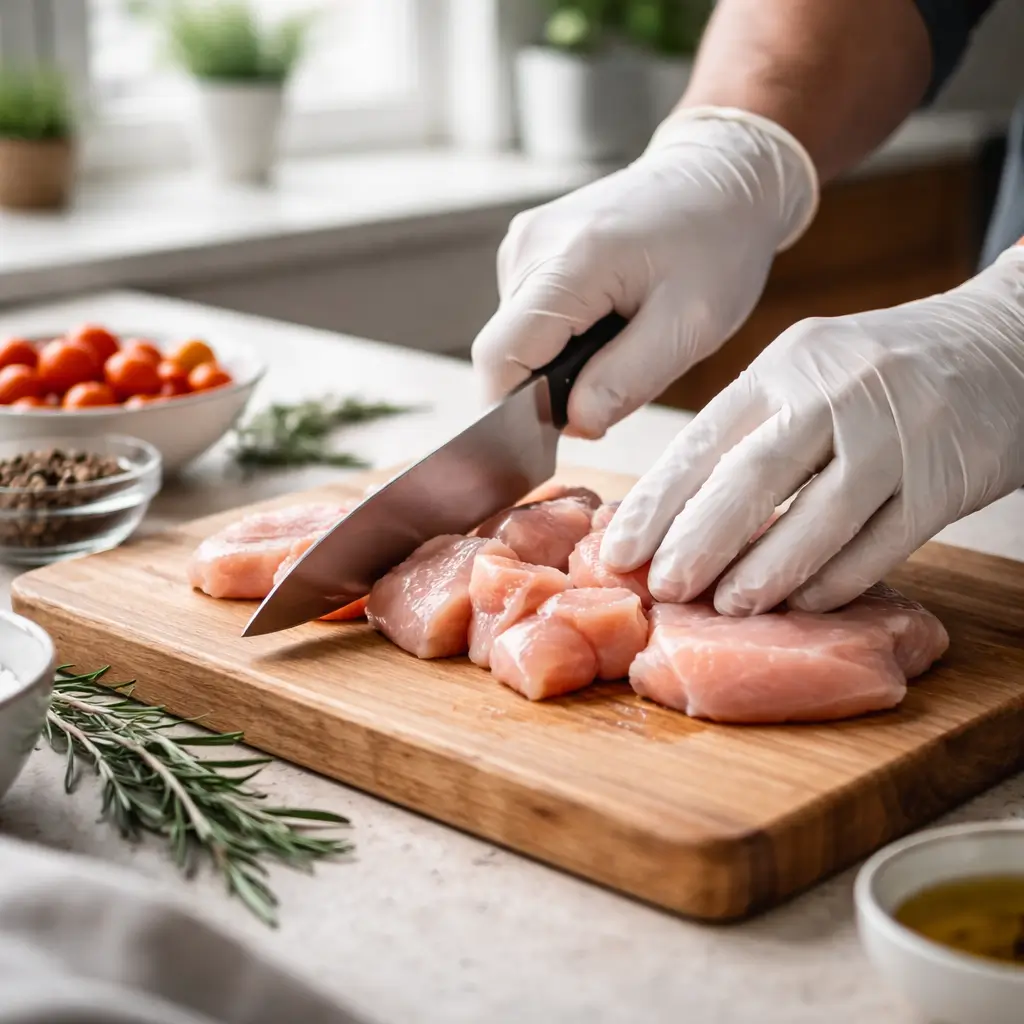
- Wash hands thoroughly with soap and hot water before and after handling
- Use dedicated cutting boards and utensils for raw pet food
- Sanitize all surfaces that contact raw meat
- Never leave raw food at room temperature for more than 30 minutes
- Store raw food in sealed containers in the refrigerator or freezer
- Wash your cat’s food bowls after every meal with hot, soapy water
Complete vs. Incomplete Raw Meals: Understanding the Difference
This distinction is crucial for anyone asking can cats eat raw meat as a dietary staple.
Raw Treats vs. Complete Raw Diets
Offering your cat an occasional piece of raw chicken or beef as a treat is fundamentally different from feeding raw as a complete diet.
A treat (comprising less than 10% of daily calories) doesn’t need to be nutritionally complete—your cat’s primary diet fills the gaps. However, if raw meat constitutes your cat’s main food source, that food must be nutritionally complete to AAFCO or FEDIAF standards.
The “Prey Model” Concept
A whole prey animal provides complete nutrition in approximately these ratios:
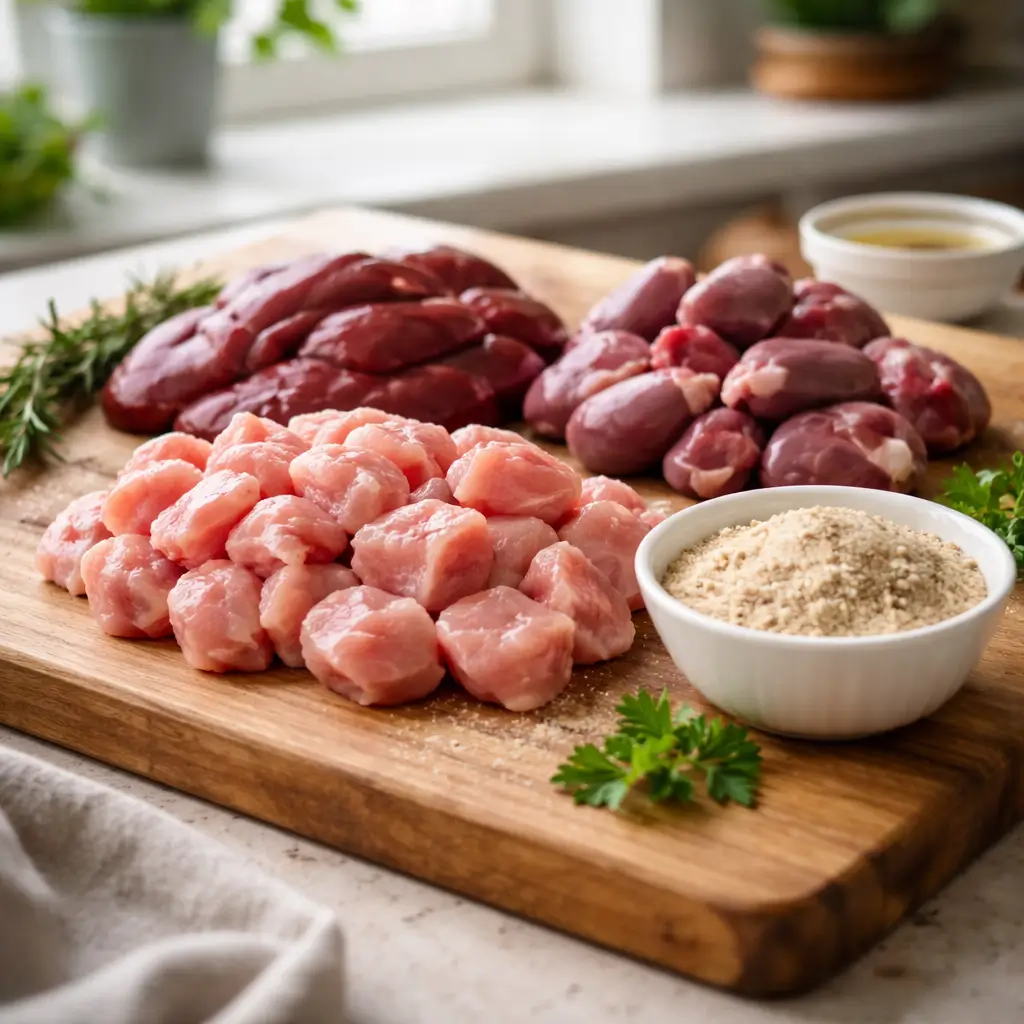
- 80% muscle meat (including heart, which is technically a muscle)
- 10% edible bone
- 5% liver
- 5% other secreting organs (kidney, spleen, pancreas)
Commercial raw diets often follow this model, and homemade recipes should approximate it—with appropriate supplementation to ensure nothing is missed.
Sample Balanced Raw Diet Recipes
The following recipes are designed to create complete and balanced raw meals when prepared correctly. They incorporate the PMR (Prey Model Raw) approach with necessary supplementation.
⚠️ Safety First: Before You Begin
- Work in a clean kitchen with sanitized surfaces
- Keep raw ingredients refrigerated until immediately before preparation
- Wear disposable gloves if you have any cuts on your hands
- Have all supplements measured and ready before beginning
- Prepare batches and freeze portions promptly
- Label all containers with contents and preparation date
Recipe 1: Chicken-Based Complete Raw Meal
This recipe makes approximately 1 kg (2.2 lbs) of complete food—roughly 5-7 days’ worth for an average 4.5 kg (10 lb) adult cat.
Ingredients:
| Ingredient | Amount | Purpose |
|---|---|---|
| Boneless chicken thighs (with skin) | 450 g (16 oz) | Primary muscle meat and fat |
| Chicken hearts | 200 g (7 oz) | Muscle meat rich in taurine |
| Chicken liver | 50 g (1.75 oz) | Vitamin A, B vitamins, iron |
| Chicken gizzards | 100 g (3.5 oz) | Muscle meat variety |
| Raw chicken necks (bone-in, ground) | 200 g (7 oz) | Calcium and phosphorus |
| Raw egg yolk | 2 large | Fatty acids, Vitamin D, protein |
| Water | 100 ml (3.4 oz) | Hydration |
Essential Supplements (Non-Negotiable):
| Supplement | Amount | Purpose |
|---|---|---|
| Taurine powder | 2,000 mg (2 g) | Heart, eye, and reproductive health |
| Salmon oil (Omega-3) | 2,000 mg (approximately 1/2 teaspoon) | Anti-inflammatory, coat health |
| Vitamin E (d-alpha tocopherol) | 200 IU | Antioxidant, preserves fatty acids |
| Vitamin B-Complex | Per manufacturer dosing for cats | Energy metabolism, nervous system |
| Iodized salt (optional) | 1/4 teaspoon | Iodine for thyroid function |
Note: The ground chicken necks provide calcium and phosphorus in appropriate ratios. If you cannot grind bones, substitute with 4-5 grams of calcium carbonate or bone meal powder—but this changes the texture significantly.
Preparation Steps:
Step 1: Cut the chicken thighs into chunks approximately 2.5 cm (1 inch) in size if your cat accepts chunky food, or prepare for grinding.
Step 2: Using a meat grinder with a fine or medium plate, grind together the chicken thighs, hearts, gizzards, and raw chicken necks. Chicken necks have soft bones suitable for grinding—never attempt to grind weight-bearing bones like leg bones.
Step 3: Finely chop or grind the chicken liver separately. Liver should be evenly distributed but not dominant in any single portion.
Step 4: In a large mixing bowl, combine the ground meat mixture with the chopped liver.
Step 5: Add the raw egg yolks and water, mixing thoroughly to create a consistent texture.
Step 6: Add all supplements and mix for 2-3 minutes to ensure even distribution throughout the batch.
Step 7: Portion into daily servings (approximately 140-170 g per day for a 4.5 kg cat, adjusted for individual metabolism) using ice cube trays, silicone molds, or small containers.
Step 8: Freeze portions you won’t use within 2-3 days. Thaw overnight in the refrigerator before serving.
Recipe 2: Beef and Rabbit-Based Complete Raw Meal
This recipe makes approximately 1 kg (2.2 lbs) of complete food. Rabbit provides excellent protein variety and is well-tolerated by many cats.
Ingredients:
| Ingredient | Amount | Purpose |
|---|---|---|
| Beef chuck or stew meat | 350 g (12.3 oz) | Primary muscle meat |
| Ground rabbit (bone-in, commercially ground) | 300 g (10.6 oz) | Protein variety, calcium from bones |
| Beef heart | 150 g (5.3 oz) | Taurine-rich muscle meat |
| Beef liver | 40 g (1.4 oz) | Vitamin A, copper, B vitamins |
| Beef kidney | 40 g (1.4 oz) | B vitamins, selenium |
| Raw egg yolk | 2 large | Nutrition and binding |
| Water | 120 ml (4 oz) | Hydration |
Essential Supplements:
| Supplement | Amount | Purpose |
|---|---|---|
| Taurine powder | 2,000 mg (2 g) | Essential amino acid |
| Salmon or sardine oil | 2,500 mg | Omega-3 fatty acids |
| Vitamin E | 200 IU | Antioxidant protection |
| Vitamin B-Complex | Per manufacturer dosing | Metabolic support |
| Kelp powder (optional) | 1/4 teaspoon | Trace minerals, iodine |
Note: If using bone-in ground rabbit from a reputable raw pet food supplier, calcium supplementation should not be necessary. If your mixture does not contain ground bone, add 4-5 grams of calcium powder.
Preparation Steps:
Step 1: Cut beef chuck into grindable pieces. Trim any large pieces of hard fat, but leave some fat for essential fatty acids.
Step 2: Cut beef heart into chunks, removing any large vessels or tough valve tissue.
Step 3: Grind beef chuck, beef heart, and the bone-in ground rabbit together using a medium grinding plate.
Step 4: Finely mince or grind the beef liver and kidney separately to ensure even distribution.
Step 5: Combine all ground meats in a large bowl with the minced organs.
Step 6: Incorporate egg yolks and water, mixing until the texture is uniform.
Step 7: Add all supplements, mixing thoroughly for 2-3 minutes.
Step 8: Portion and freeze as described in Recipe 1.
Raw Chicken for Cats Risks: Specific Considerations
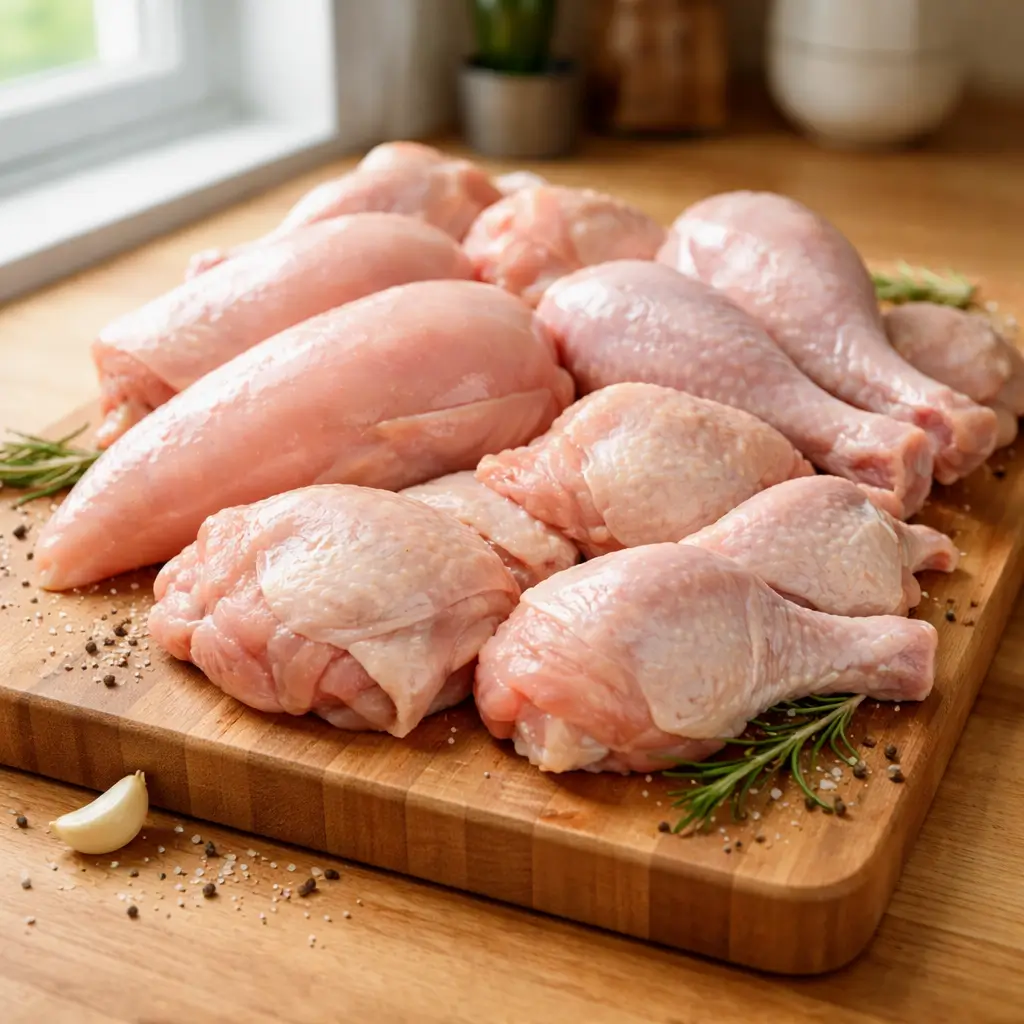
Because chicken is the most commonly fed raw protein for cats, it deserves special attention regarding raw chicken for cats risks.
Poultry products have consistently higher rates of Salmonella and Campylobacter contamination compared to other meats in food safety studies. The USDA acknowledges that Salmonella is regularly present in raw poultry at retail.
Mitigation strategies specific to raw chicken:
- Source from suppliers with strong food safety records when possible
- Never wash raw chicken (this spreads bacteria via splashing)
- Keep chicken frozen until 24 hours before preparation
- Use immediately after thawing—never refreeze thawed raw chicken
- Be especially vigilant about cleaning and sanitizing after handling
⚠️ Warning: Never Feed Cooked Bones
While we’re discussing chicken, this is the appropriate place to address bone safety. Raw soft bones (chicken necks, chicken backs, rabbit ribs) can be ground and fed safely to most cats—they’re pliable enough to digest.
Cooked bones of any kind are extremely dangerous. Cooking changes the bone structure, making them brittle and prone to splintering. Cooked bone fragments can cause:
- Oral lacerations
- Esophageal perforation
- Gastrointestinal obstruction
- Intestinal perforation (potentially fatal)
If you choose to include bones in your raw feeding protocol, they must always be raw and preferably ground.
Transitioning to a Raw Diet Safely
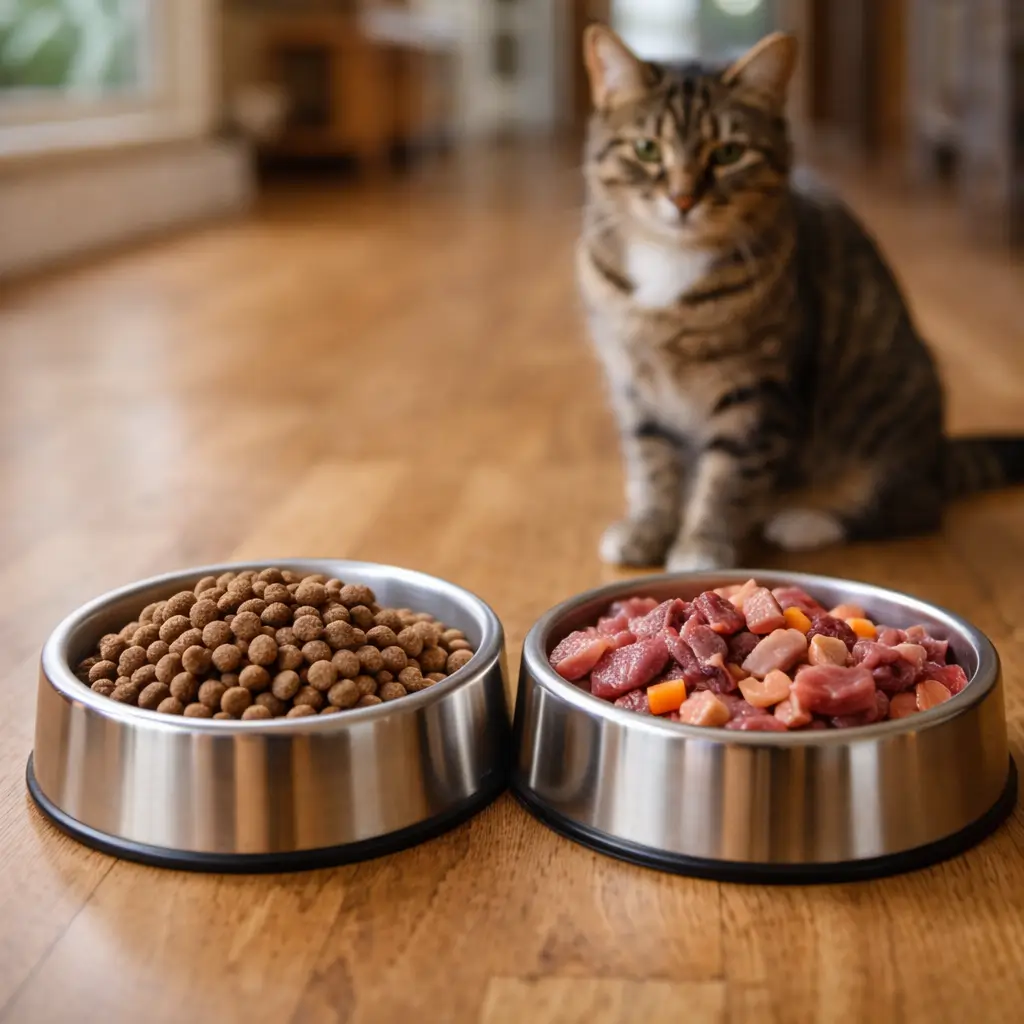
If you’ve decided to explore raw feeding, don’t rush the transition. A gradual approach minimizes digestive upset and allows you to monitor your cat’s response.
Week 1-2: Introduction Phase
Begin by offering a small amount of raw food (approximately 10-20% of the meal) alongside your cat’s current food. Some cats take to raw immediately; others are suspicious of the unfamiliar texture and smell.
Week 2-4: Gradual Increase
Slowly increase the raw portion while decreasing the previous diet. Watch for any digestive issues—loose stools, vomiting, or constipation may indicate you’re moving too quickly.
Week 4+: Full Transition
Most cats can complete the transition within 4-6 weeks. Some cats, particularly those who’ve eaten only kibble for years, may take longer.
Monitor Health Markers
Schedule a veterinary check-up 2-3 months after transitioning to assess:
- Body weight and condition
- Coat quality
- Blood work (particularly if your cat is middle-aged or senior)
- Dental health
- Stool quality
When Raw Feeding May Not Be Appropriate
Raw diets are not universally suitable. Consider alternatives if:
- Your cat has chronic kidney disease (high phosphorus is contraindicated)
- Your cat is immunocompromised due to FIV, FeLV, or chemotherapy
- Your cat is a very young kitten (under 12 weeks)—their immune systems are still developing
- Household members are immunocompromised, pregnant, very young, or very elderly
- You cannot commit to proper handling and hygiene protocols
- You cannot afford high-quality ingredients and necessary supplements
In these situations, high-quality commercial diets (including commercially prepared raw diets that undergo high-pressure processing or other safety treatments) may be more appropriate.
Conclusion: Making an Informed Choice About Raw Feeding
So, can cats eat raw meat? The answer is a qualified yes—cats are biologically equipped to digest raw meat, and when done properly, raw feeding can provide excellent nutrition that some cats thrive on.
However, “properly” is the operative word. Safe and successful raw feeding requires:
- Understanding and mitigating bacterial and parasitic risks
- Creating nutritionally complete meals, not just offering raw muscle meat
- Committing to proper food handling and hygiene
- Regular veterinary monitoring
- Honest assessment of whether raw feeding suits your household situation
The decision to feed raw isn’t one to make lightly or based solely on internet enthusiasm. Consult with your veterinarian—ideally one with experience in clinical nutrition—before making any significant dietary changes. Consider your cat’s individual health status, your household composition, and your ability to maintain rigorous safety standards.
Whether you ultimately choose a carefully formulated raw diet, a high-quality commercial food, or a combination approach, your dedication to researching your cat’s nutritional needs speaks to the love you have for your feline companion. That commitment—combined with evidence-based information and professional guidance—will serve both of you well.
This article reflects current veterinary nutritional guidelines and food safety recommendations. Always consult with a qualified veterinary professional for advice specific to your cat’s health needs.