
Can Cats Eat White Rice? Safety, Benefits & Feeding Tips

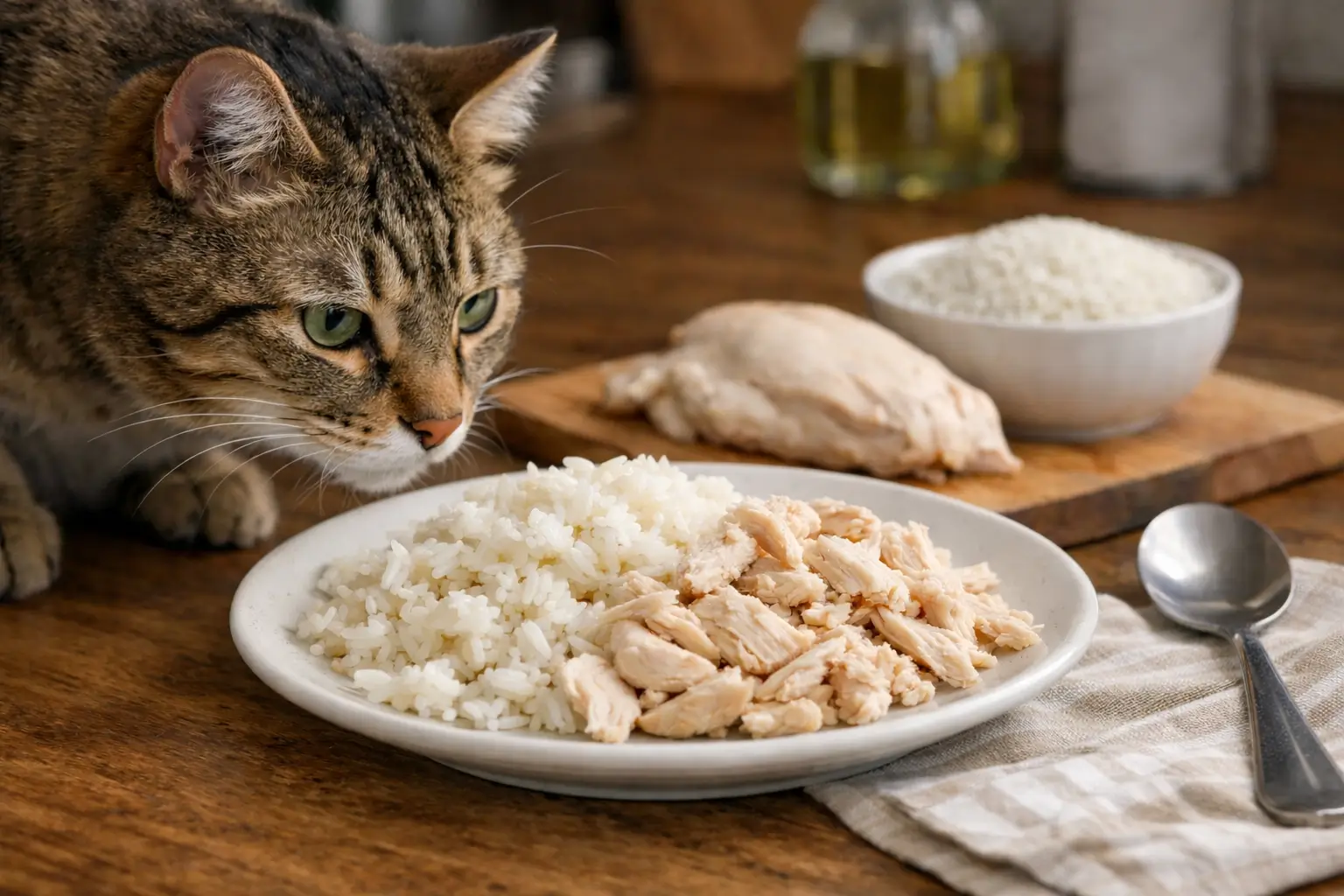
As cat parents, we’ve all experienced that heart-stopping moment when our feline friend shows interest in something on our plate. White rice, a staple in kitchens worldwide, often catches their curious noses. Perhaps you’ve noticed your cat batting at stray grains, or maybe your veterinarian has suggested a bland diet during a bout of tummy trouble. Either way, you’re asking the right question: can cats eat white rice?
Can Cats Eat White Rice?
Yes, cats can eat white rice in small amounts—it is not toxic to felines. However, as obligate carnivores, cats derive no essential nutritional benefit from rice. White rice is best reserved as a temporary dietary addition, typically as part of a bland diet for cats with diarrhea or digestive upset, and should never replace protein-rich, species-appropriate nutrition.
I’ve spent years researching feline nutrition and consulting with veterinary professionals, and I understand how confusing pet nutrition can be. The internet is flooded with conflicting information, and when it comes to our beloved companions, we want definitive, trustworthy answers. In this comprehensive guide, we’ll explore everything you need to know about rice for cats, from safety considerations to preparation methods, and I’ll share the exact bland diet recipe veterinarians recommend for cats with digestive issues.
Table of Contents
Understanding Your Cat’s Dietary Needs: Why Rice Isn’t Essential
Before we dive deeper into whether rice is safe for cats, it’s crucial to understand what “obligate carnivore” actually means. Unlike dogs, who are omnivores and can derive nutrition from various food sources, cats have evolved as strict meat-eaters. Their bodies are specifically designed to process animal proteins and fats.
The Obligate Carnivore Reality
Cats possess unique metabolic characteristics that distinguish them from other domesticated animals. Their digestive systems produce limited amounts of amylase, the enzyme responsible for breaking down carbohydrates. This biological fact means that while cats can technically digest small amounts of carbohydrates like those found in white rice, their bodies aren’t optimized for this process.
Additionally, cats require specific nutrients that are found primarily or exclusively in animal tissue. Taurine, an amino acid essential for heart health, vision, and reproduction, must come from meat sources. Arachidonic acid, vital for skin health and kidney function, is another nutrient cats cannot synthesize and must obtain from animal fats. Preformed Vitamin A is yet another requirement, as cats lack the ability to convert plant-based beta-carotene into usable vitamin A.
These biological realities don’t mean rice is dangerous—they simply underscore that rice serves no nutritional purpose in a healthy cat’s diet. Think of rice as an occasional, neutral addition rather than a beneficial food source.
Is Rice Safe for Cats? A Complete Safety Analysis
Non-Toxic But Biologically Unnecessary
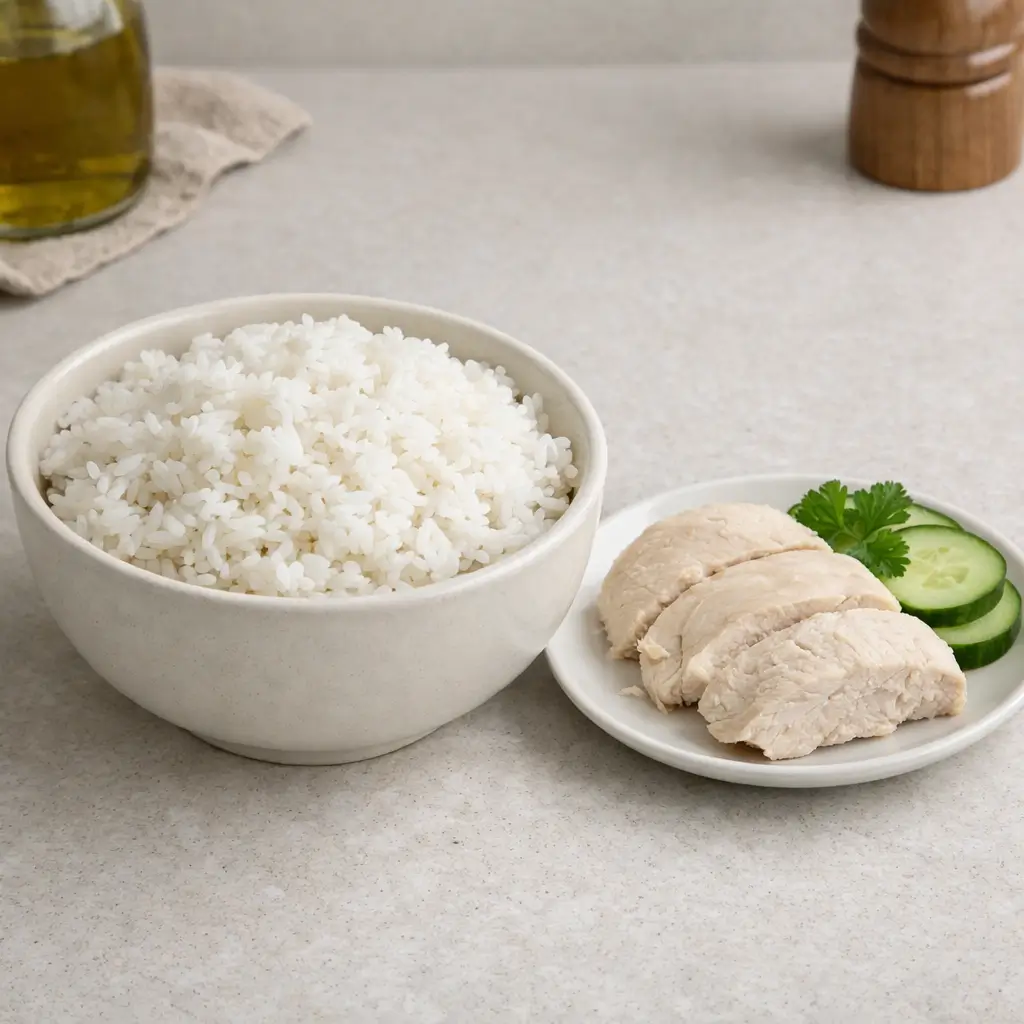
Let me be clear: white rice is not toxic to cats. Unlike foods such as onions, garlic, chocolate, or grapes, which can cause serious harm or even death, plain white rice poses no poisoning risk. The American Society for the Prevention of Cruelty to Animals (ASPCA) does not list rice among its toxic foods for cats.
However, “non-toxic” and “beneficial” are two very different things. While your cat won’t be poisoned by eating a few grains of rice, the carbohydrates in cat food from grains provide empty calories that could displace more nutritious, protein-rich options.
Critical Medical Warnings: When Rice Becomes Risky
While rice is generally safe for healthy cats in moderation, certain health conditions make rice consumption inadvisable or potentially harmful.
Diabetic Cats: This is perhaps the most important warning I can offer. White rice has a high glycemic index, meaning it causes rapid spikes in blood sugar levels. For cats with diabetes, even small amounts of high-glycemic carbohydrates can destabilize blood glucose control, potentially requiring adjustments to insulin dosing and causing dangerous fluctuations. If your cat has been diagnosed with feline diabetes, avoid feeding rice unless specifically directed by your veterinarian, and even then, proceed with extreme caution and close monitoring.
Obese Cats: Feline obesity is an epidemic, with some estimates suggesting that over 50% of domestic cats are overweight or obese. Rice provides approximately 130 calories per 100 grams of cooked rice—calories that contain no essential nutrients for cats. For overweight cats, these empty carbohydrate calories can contribute to further weight gain and associated health problems, including joint issues, liver disease, and increased diabetes risk.
Cats with Inflammatory Bowel Disease (IBD): While bland diets are sometimes recommended for general digestive upset, cats with chronic gastrointestinal conditions like IBD may react differently. Some cats with IBD are sensitive to grains, and introducing rice could exacerbate symptoms rather than alleviate them. Always consult your veterinarian before adding rice to the diet of a cat with chronic digestive conditions.
Can Kittens Eat White Rice?
Kittens have even more demanding nutritional requirements than adult cats. Their growing bodies need concentrated protein, specific fatty acids, and carefully balanced vitamins and minerals to support proper development. The calories kittens consume should come from nutrient-dense sources specifically formulated for growth.
While a tiny taste of plain cooked rice won’t harm a kitten, there’s simply no reason to offer it. Kittens should receive the vast majority of their calories from high-quality kitten food formulated to meet their developmental needs. Filling their small stomachs with nutritionally empty rice could interfere with proper growth and development.
The Benefits of Rice for Cats: When Veterinarians Recommend It
Despite rice being biologically unnecessary for cats, there are specific situations where it serves a valuable purpose. Understanding these circumstances helps us appreciate rice as a tool rather than a food.
The Bland Diet Concept: A Recovery Tool
When cats experience acute gastrointestinal distress—vomiting, diarrhea, or general upset stomach—their digestive systems need a break. The inflamed gut lining becomes sensitive to complex foods, fats, and even some proteins it normally handles without issue.
Enter the bland diet. Veterinarians have recommended bland diets for decades because they work. The principle is simple: provide easily digestible foods that won’t further irritate the compromised digestive system while still delivering some nutrition and calories.
Rice for cats with diarrhea works because it acts as a binding agent, helping to firm up loose stools. The simple starches in white rice are gentle on inflamed intestinal tissue and require minimal digestive effort to process. Combined with a lean protein like boiled chicken, this creates a meal that provides necessary nutrients without overtaxing the recovering digestive system.
Why White Rice Is Preferred Over Brown Rice for Sick Cats
You might wonder: isn’t brown rice healthier? In human nutrition, brown rice is often touted as the superior choice due to its fiber content and retained nutrients. However, when we’re discussing brown vs white rice for cats—especially sick cats—white rice is typically the better option.
Brown rice retains its bran and germ layers, which contain fiber, oils, and phytic acid. While these components offer benefits in some contexts, they also make brown rice harder to digest. For a cat with an already compromised digestive system, the extra fiber and more complex structure of brown rice can cause additional irritation and discomfort.
White rice, stripped of its outer layers, offers a simpler starch that requires less digestive effort. It’s easier on sensitive stomachs, moves through the system more gently, and still provides the binding benefits that help with diarrhea. For recovery purposes, the “healthier” choice is actually the more processed one.
Feeding Tips: How to Safely Prepare Rice for Your Cat
If you’re going to offer rice to your cat—whether as part of a vet-recommended bland diet or as an occasional addition—proper preparation is essential.
The 10% Rule: Portion Control Matters
Veterinary nutritionists consistently recommend that treats and food additions should not exceed 10% of a cat’s daily caloric intake. This “10% Rule” helps ensure that the majority of nutrition comes from complete, balanced cat food specifically formulated to meet feline requirements.
For an average 10-pound adult cat requiring approximately 200-250 calories daily, this means no more than 20-25 calories should come from extras like rice. Since cooked white rice contains roughly 130 calories per 100 grams, we’re talking about a tablespoon or two at most—and even less for smaller cats or those on calorie-restricted diets.
Safe Preparation Guidelines
When preparing rice for your cat, follow these essential rules.
Plain is paramount. Cook rice in water only. No butter, no oil, no salt, no seasonings of any kind. While these additions make rice more appealing to human palates, they can cause problems for cats. Salt can lead to sodium ion toxicity, oils add unnecessary fat that may exacerbate digestive issues, and many seasonings contain ingredients harmful to cats.
Avoid all alliums. Never cook rice in broth that contains onion or garlic. Both belong to the allium family and are toxic to cats, capable of causing oxidative damage to red blood cells and leading to hemolytic anemia. This includes onion and garlic in any form—fresh, powdered, dried, or as flavoring in commercial broths. When in doubt, use plain water.
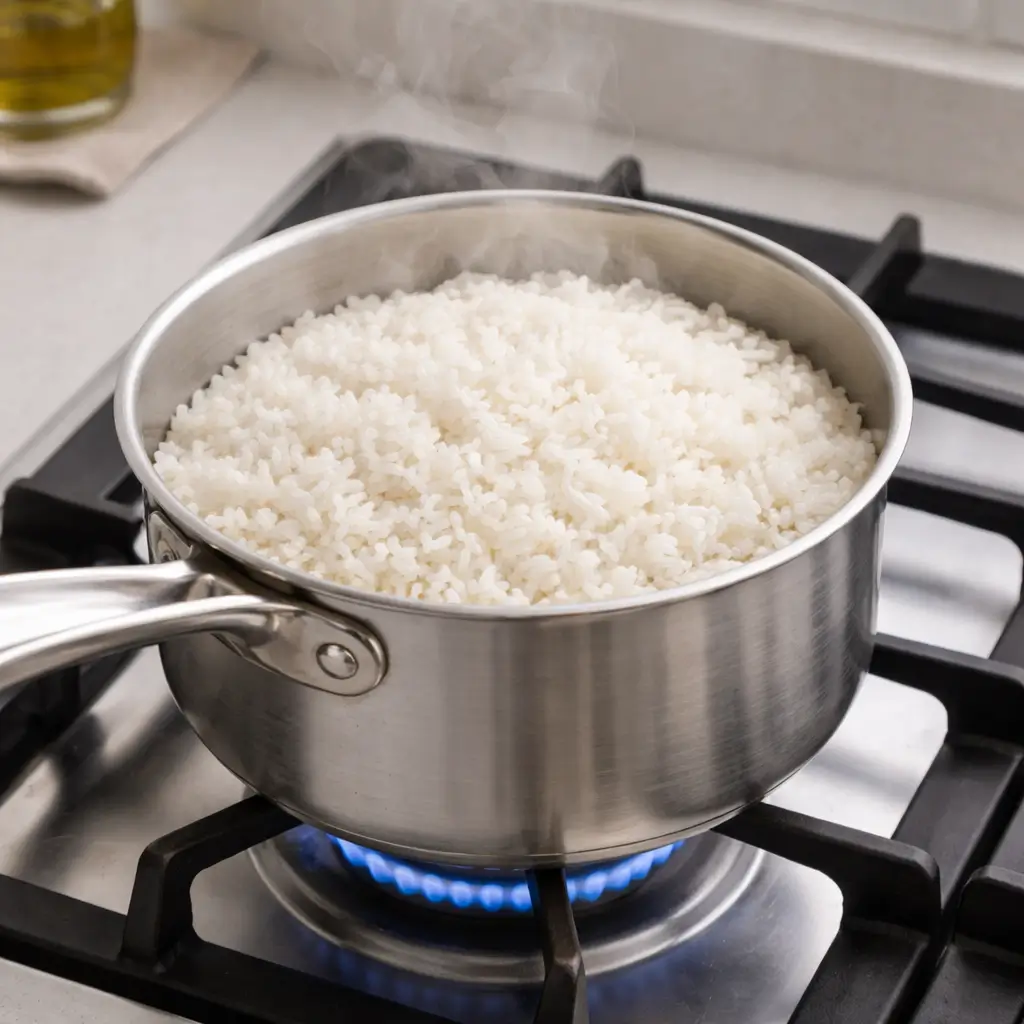
Cook until soft. Rice should be fully cooked until soft and slightly mushy. Undercooked rice is difficult for cats to digest and could cause gastrointestinal irritation. For sick cats especially, softer rice is gentler on the system.
Cool before serving. Hot food can burn your cat’s mouth and esophagus. Allow rice to cool to room temperature or slightly warm before offering it.
Serve fresh. Don’t leave rice sitting out for extended periods, as bacteria can multiply quickly. Prepare small batches and refrigerate unused portions, discarding anything not consumed within 3-4 days.
The Vet-Recommended Bland Diet (Chicken & Rice) for Upset Stomachs
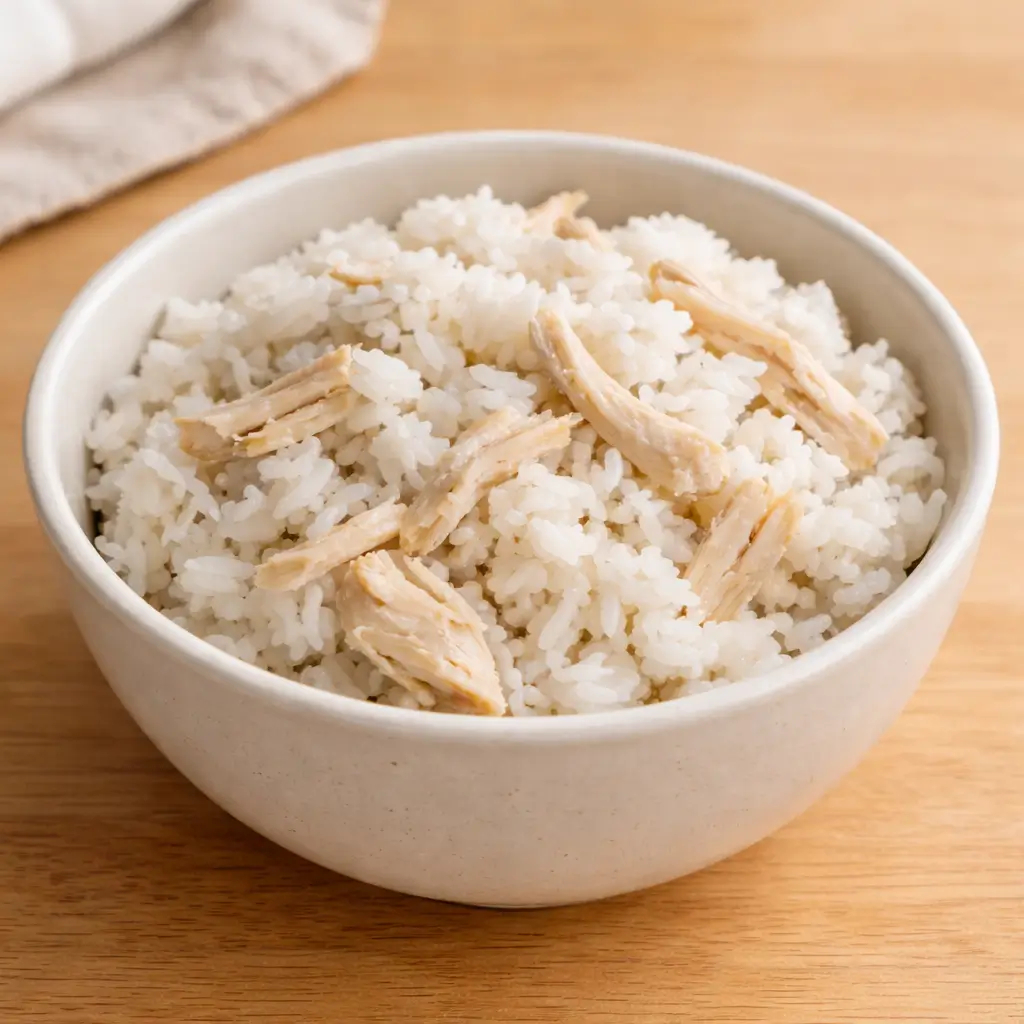
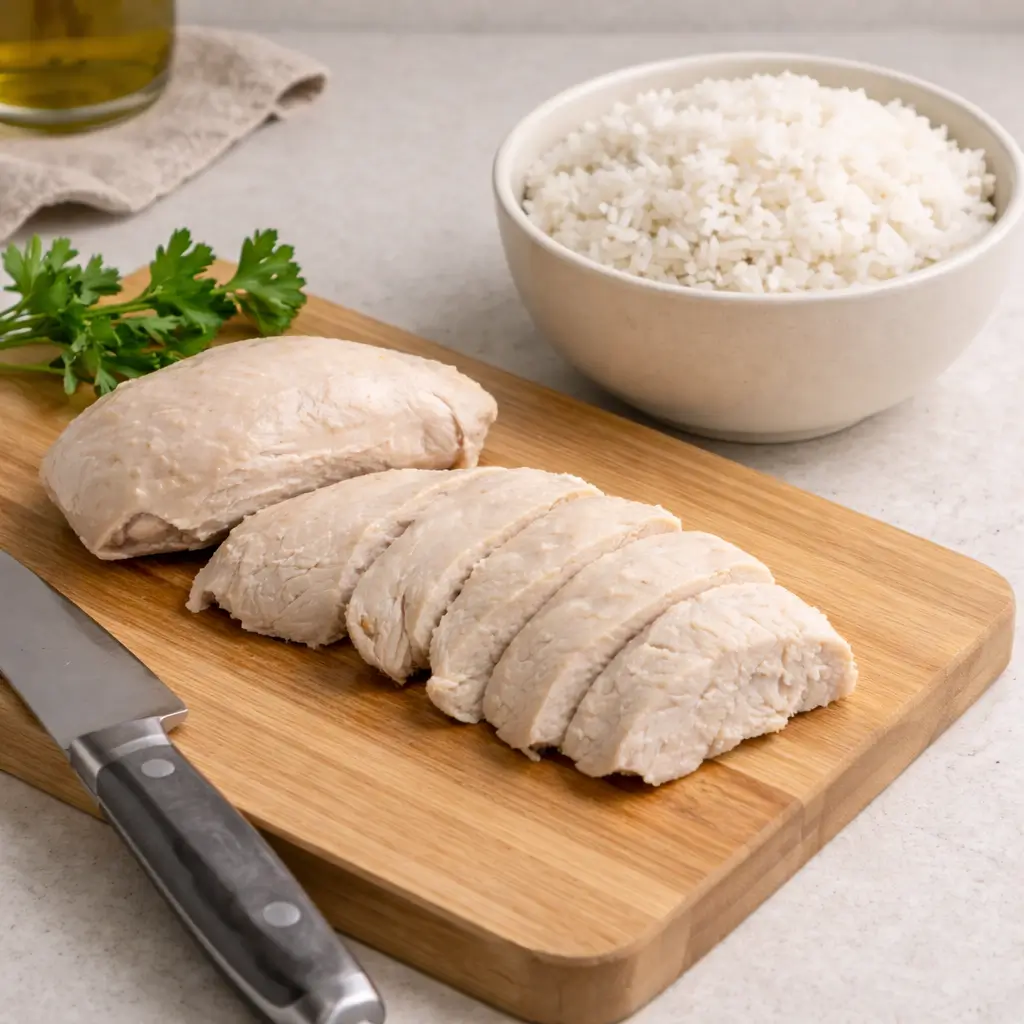
This is the recipe that veterinarians have recommended for generations. When your cat is experiencing digestive upset—vomiting, diarrhea, or reduced appetite due to stomach issues—this simple meal can help during recovery.
Ingredients
You will need boneless, skinless chicken breast, which should be plain with no seasoning, along with short-grain white rice and water for cooking both the chicken and rice. If you choose to use broth, you must ensure it is homemade or explicitly labeled as containing no onions, garlic, salt, or seasonings.
Recommended Ratio
Veterinarians typically recommend a ratio of approximately 2:1 or 50/50 protein to rice for short-term use. Some vets prefer a higher protein ratio (more chicken, less rice), while others suggest equal parts. When in doubt, lean toward more chicken and less rice, as the protein provides more nutritional value for your obligate carnivore.
For a single serving, consider using about 2 tablespoons of shredded boiled chicken combined with 1 tablespoon of soft-cooked white rice.
Step-by-Step Instructions
Step 1: Prepare the chicken. Place the boneless, skinless chicken breast in a pot and cover completely with plain water. Bring to a boil, then reduce heat and simmer for 15-20 minutes until the chicken is completely cooked through with no pink remaining. Remove from water and allow to cool.
Step 2: Cook the rice. Using fresh water, cook white rice according to package directions, but consider adding slightly more water to achieve a softer, more digestible consistency. Do not add salt, butter, or any seasonings. Cook until rice is soft and slightly sticky.
Step 3: Shred the chicken. Once cooled, shred the chicken into small, easily manageable pieces appropriate for your cat’s size. For cats with very sensitive stomachs, you may want to shred or chop the chicken into very fine pieces.
Step 4: Combine and cool. Mix the shredded chicken and cooked rice according to your chosen ratio. Ensure the mixture has cooled to room temperature or is only slightly warm before serving.
Step 5: Serve in small portions. Rather than offering a normal-sized meal, start with small portions fed more frequently throughout the day. This approach is easier on a recovering digestive system and helps monitor tolerance.
⚠️ IMPORTANT DISCLAIMER: This chicken and rice recipe is NOT a complete or balanced diet for cats. It lacks essential nutrients including Taurine, Calcium, and other vitamins and minerals crucial for feline health. This bland diet should be used ONLY for short-term recovery (typically 2-5 days maximum) and strictly under veterinary guidance. Feeding this recipe for more than a few days can lead to serious nutritional deficiencies. Always consult your veterinarian before starting a bland diet, and transition back to complete, balanced cat food as soon as your vet advises.
Transitioning Back to Regular Food
Once your cat’s digestive symptoms improve, you shouldn’t abruptly return to regular food. The transition should be gradual, typically over 5-7 days.
Begin by mixing approximately 25% regular food with 75% bland diet for the first day or two. Then progress to 50/50 for another day or two, followed by 75% regular food with 25% bland diet, and finally return to 100% regular food. Watch for any return of symptoms during this transition, and contact your veterinarian if problems recur.
Frequently Asked Questions About Cats and Rice
How Often Can I Give My Cat Rice?
For healthy cats not experiencing digestive issues, rice should be an occasional treat at most—perhaps once or twice per week, and always in small amounts following the 10% rule. There’s no nutritional reason to offer rice regularly, so most cats are better off without it entirely.
My Cat Loves Rice—Is That Normal?
While cats are obligate carnivores, individual cats can develop preferences for various foods, including some they don’t nutritionally need. The texture or warmth of cooked rice may appeal to some cats. However, enjoying something doesn’t mean it should become a regular part of their diet. Think of it like a cat that loves to lick butter—the attraction is real, but the food isn’t beneficial.
Can Rice Cause Constipation in Cats?
In some cats, particularly those who are prone to constipation or don’t drink enough water, the binding properties of rice could potentially contribute to harder stools. If your cat has a history of constipation, discuss with your veterinarian before offering rice.
What About Rice in Commercial Cat Food?
Many commercial cat foods contain rice or other grains as ingredients. In these formulas, rice typically serves as a carbohydrate source for energy and as a binding agent for kibble formation. While I advocate for minimizing unnecessary carbohydrates in cat food, the presence of rice in a complete and balanced commercial diet is different from offering plain rice as a treat or supplement. Commercial formulas are designed to meet complete nutritional requirements despite grain inclusion.
The Bottom Line: Can Cats Eat White Rice Safely?
We’ve covered substantial ground in answering this question, so let me summarize the key takeaways.
Can cats eat white rice? Yes, cats can safely consume small amounts of plain, fully cooked white rice. It is not toxic and poses no immediate danger to healthy cats.
However, rice is biologically unnecessary for cats. As obligate carnivores, our feline companions derive no essential nutrition from rice. Their bodies are designed to thrive on animal proteins and fats, not carbohydrates.
Rice serves a specific purpose: as part of a veterinarian-recommended bland diet for cats experiencing acute digestive upset. In this context, white rice combined with boiled chicken provides a gentle, easily digestible meal that allows the gastrointestinal system to recover.
For cats with diabetes or obesity, rice should be avoided due to its high glycemic index and empty caloric content. For all other cats, if you choose to offer rice, keep portions small, prepare it plain, and remember that your cat’s nutritional needs are best met through high-quality, protein-rich cat food.
When in doubt, consult your veterinarian. They can provide personalized guidance based on your cat’s specific health status, weight, and nutritional requirements. Our goal as responsible cat parents is to provide the best possible nutrition for our feline family members, and sometimes that means recognizing that just because something is safe doesn’t mean it’s beneficial.
Your cat depends on you to make informed decisions about their diet. By understanding both the safety and limitations of foods like white rice, you’re taking an important step toward supporting their long-term health and happiness.