
Can Cats Have Ham? Safety, Risks & Hidden Dangers

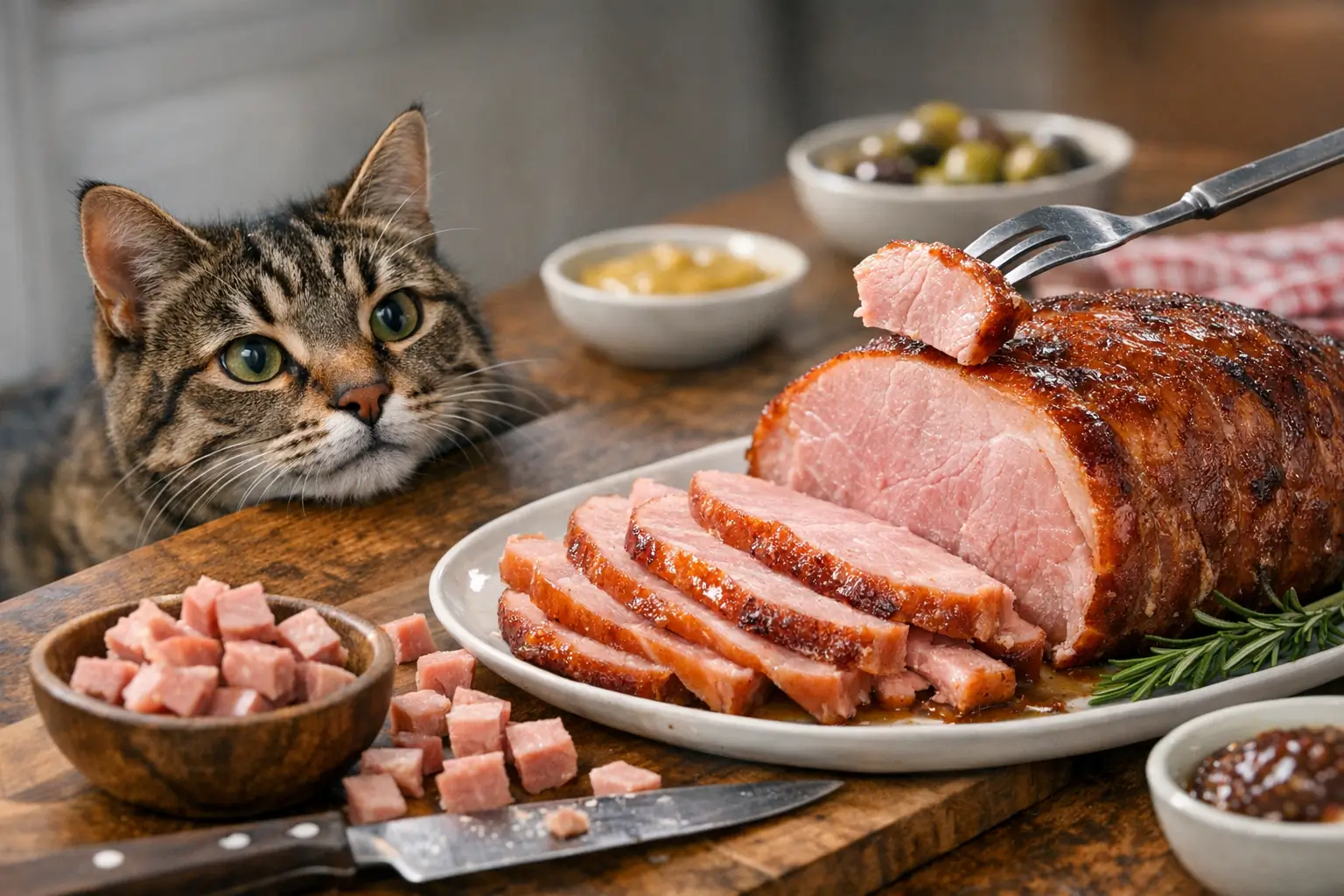
We’ve all been there. You’re slicing into a beautiful holiday ham, and suddenly you feel those eyes on you—those irresistible, pleading feline eyes that seem to say, “Surely, you wouldn’t deny me just one tiny piece?” As cat parents, our instinct is to share the joy of a delicious meal with our beloved companions. After all, cats are carnivores, and ham is meat, so it must be fine, right?
Table of Contents
I wish the answer were that simple. The question “can cats have ham” is one I encounter frequently, and it deserves a thorough, honest exploration. While your cat won’t keel over from a stolen sliver of ham, the reality is far more nuanced than a simple yes or no. The truth lies in understanding what ham actually is, how it’s processed, and why your cat’s unique physiology makes this seemingly innocent treat a genuine health concern.
In this comprehensive guide, I’ll walk you through everything you need to know about feeding ham to cats—the hidden dangers lurking in that savory slice, the biological reasons your feline friend struggles to process certain ingredients, and what you can offer instead to satisfy their carnivorous cravings safely.
Is Ham Safe for Cats?
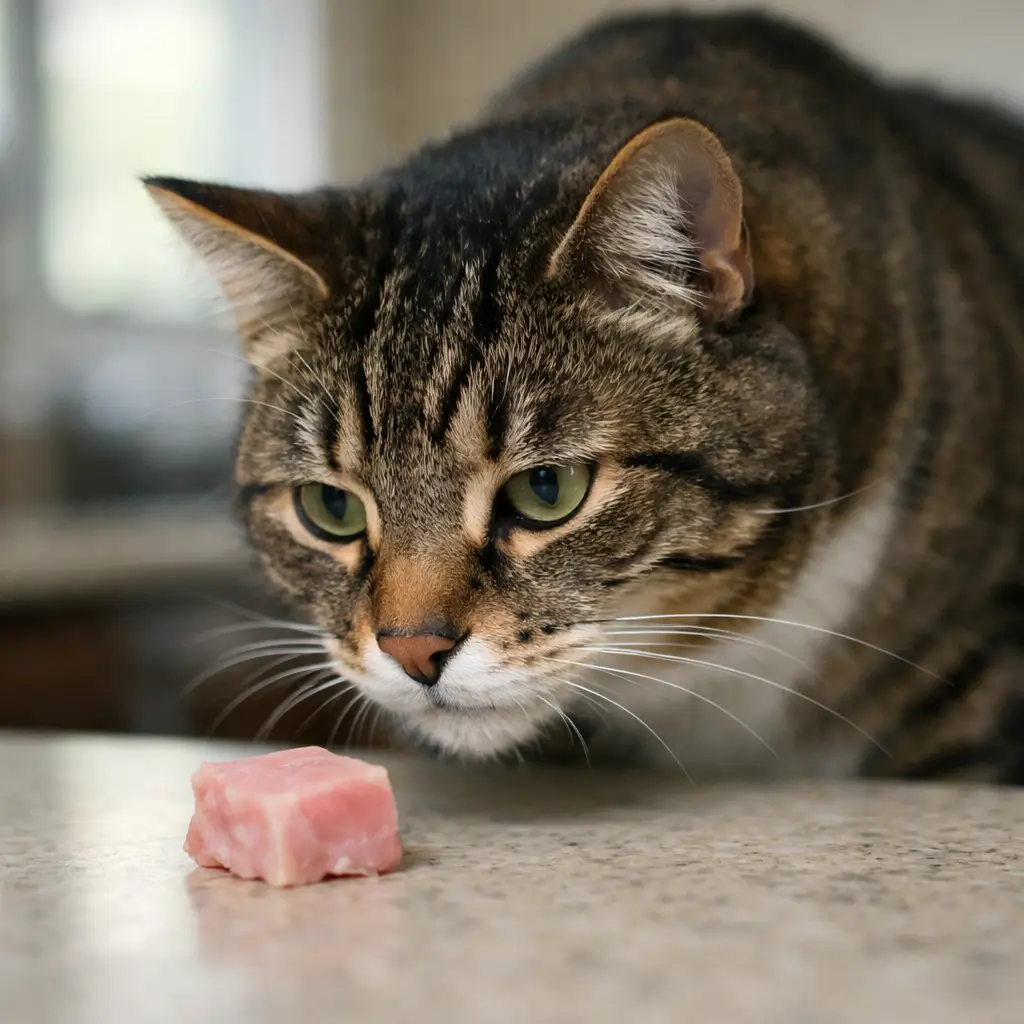
Direct Answer: Technically, plain ham is not acutely toxic to cats in tiny amounts, meaning it won’t cause immediate poisoning like chocolate or lilies would. However, veterinary professionals, including myself, strongly recommend avoiding ham entirely due to its dangerously high sodium content, harmful preservatives, and potential presence of toxic seasonings like garlic and onion powder. The risks far outweigh any nutritional benefit, making ham a poor choice for feline treats.
Understanding Why Cats and Ham Don’t Mix
To truly grasp why ham poses such a problem for our feline friends, we need to examine what makes ham different from the fresh meat cats evolved to eat. Ham isn’t simply pork—it’s pork that has undergone extensive processing, curing, and preservation that transforms it into something your cat’s body was never designed to handle.
The Sodium Crisis: Why Salt Is Your Cat’s Silent Enemy
Here’s a number that should give every cat owner pause: a single ounce of commercially prepared ham contains approximately 350-400 milligrams of sodium. Now consider that a healthy adult cat weighing ten pounds requires only about 21 milligrams of sodium per day to meet their basic physiological needs. A small piece of ham can contain more than ten times their daily requirement in a single bite.
Cats evolved as desert-dwelling hunters whose bodies became remarkably efficient at conserving water and sodium. Their kidneys, while excellent at concentration, are not designed to rapidly excrete massive sodium loads. When a cat consumes high-salt foods like ham, several dangerous physiological cascades can occur.
Sodium ion poisoning in cats is a genuine veterinary emergency, though it typically requires substantial ingestion. The more common scenario from occasional ham consumption is chronic stress on the kidneys and cardiovascular system. Excess sodium pulls water from cells through osmosis, leading to cellular dehydration even when the cat appears to be drinking normally. Over time, this places enormous strain on organs already working to maintain delicate electrolyte balance.
Signs of sodium toxicity in cats include excessive thirst, frequent urination, vomiting, diarrhea, lethargy, loss of coordination, tremors, and in severe cases, seizures. Even subclinical effects—those that don’t produce obvious symptoms—can contribute to long-term kidney damage, a particularly concerning issue given that chronic kidney disease already affects an estimated 30-40% of cats over the age of ten.
The Fat Factor: More Than Just Empty Calories
Beyond sodium, ham presents another significant concern: its high fat content. While cats require dietary fat as a primary energy source—more so than dogs or humans—the type and quantity of fat in ham can trigger serious health complications.
Pancreatitis, an inflammation of the pancreas, can be triggered by sudden ingestion of fatty foods. In cats, pancreatitis often presents subtly—decreased appetite, mild lethargy, occasional vomiting—making it easy to miss until significant damage has occurred. The concentrated fat in ham, particularly from the rind and marbled portions, creates exactly the kind of fatty meal that can initiate this painful and potentially dangerous condition.
For cats already struggling with obesity—and current estimates suggest approximately 60% of domestic cats are overweight or obese—adding calorie-dense treats like ham compounds existing health problems. Each unnecessary calorie contributes to metabolic dysfunction, joint stress, and increased risk of diabetes mellitus.
Hidden Toxins in Processed Meats: What Labels Don’t Tell You
When we ask can cats have ham, we must look beyond the basic nutritional profile to examine the invisible ingredients that make ham particularly hazardous. Modern ham production relies on chemical processes that introduce substances genuinely toxic to feline physiology.
The Garlic and Onion Threat
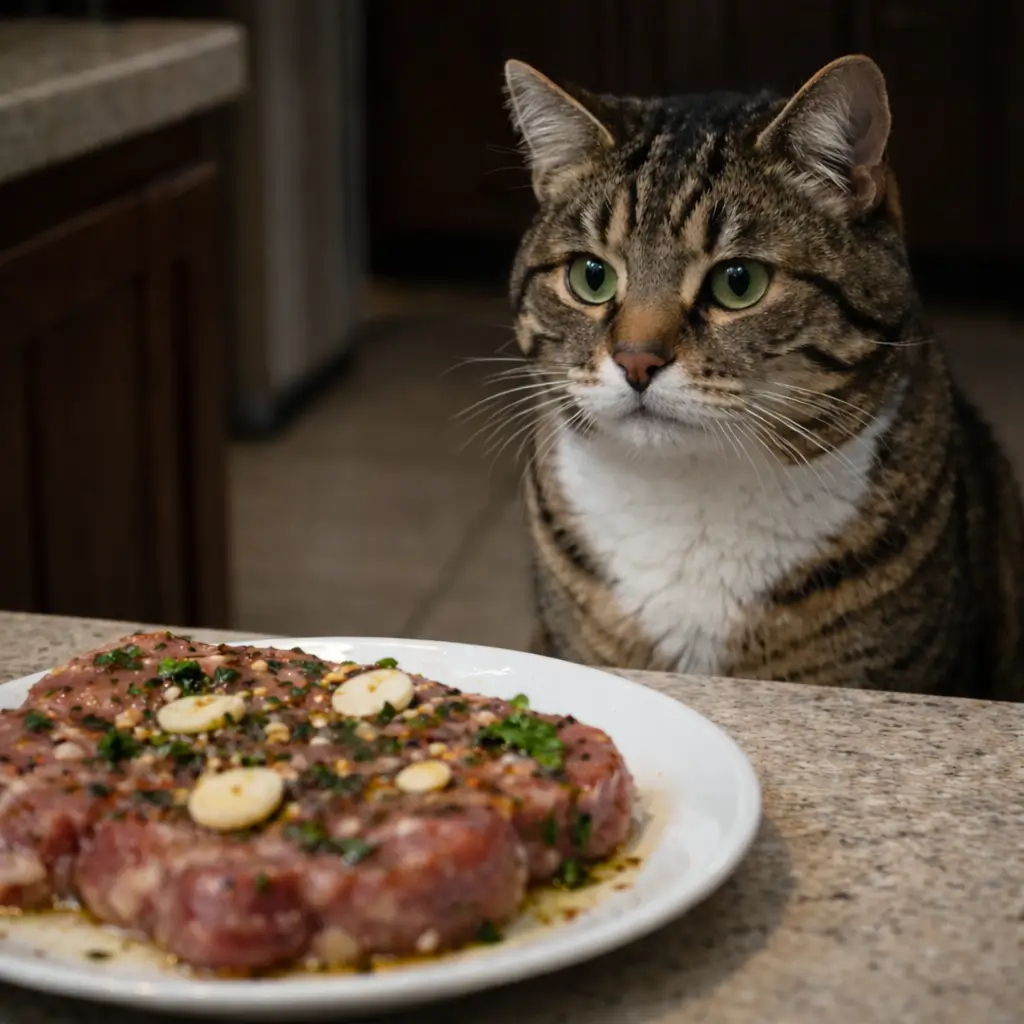
Many commercial hams are seasoned with garlic powder, onion powder, or both—ingredients that are genuinely toxic to cats. These allium family members contain compounds called organosulfoxides, which cats’ bodies convert into highly reactive oxidizing agents.
These compounds attack red blood cells, causing oxidative damage that leads to a condition called Heinz Body Anemia. When red blood cells are damaged in this way, the spleen recognizes them as defective and removes them from circulation faster than the bone marrow can replace them. The result is anemia—insufficient oxygen-carrying capacity in the blood—which can be life-threatening.
What makes this particularly insidious is that damage from allium toxicity is cumulative. Your cat might not show symptoms after eating a garlic-seasoned piece of ham once, but repeated exposures can gradually erode red blood cell populations until clinical signs emerge. These include pale gums, weakness, rapid breathing, reduced appetite, and dark-colored urine.
The toxic dose for cats is relatively low: approximately 5 grams of onion per kilogram of body weight can cause clinically significant changes. For a ten-pound cat, that’s just a couple of teaspoons of onion—an amount easily hidden in a glazed or seasoned ham.
Nitrates and Nitrites: The Preservation Problem
Virtually all commercially produced ham contains sodium nitrite or sodium nitrate, chemicals essential to the curing process that give ham its characteristic pink color and prevent bacterial growth. While these compounds are considered safe for human consumption in regulated amounts, their effects on cats are concerning.
In the body, nitrites can combine with amino acids to form compounds called nitrosamines, which have demonstrated carcinogenic properties in animal studies. Additionally, nitrites can interfere with hemoglobin’s ability to carry oxygen, a condition called methemoglobinemia. While acute poisoning requires substantial exposure, repeated low-level consumption may pose long-term health risks that we don’t fully understand in feline populations.
The preservative concern extends beyond nitrites. Many hams contain phosphates, flavor enhancers, and other additives that contribute to the sodium load and may have their own effects on feline metabolism.
Why Cats Cannot Process Ham Like Humans Do
Understanding feline physiology helps explain why foods we enjoy safely can pose real dangers to our cats. Cats are obligate carnivores, meaning they evolved eating almost exclusively fresh prey. Their metabolic machinery reflects this specialization in ways that make processed foods particularly problematic.
The Detoxification Deficit
Cats possess significantly fewer glucuronosyltransferase enzymes than humans or dogs. These enzymes play crucial roles in liver detoxification pathways, helping neutralize and eliminate various compounds from the body. This enzymatic deficiency means cats are slower to clear certain substances and more vulnerable to their accumulation.
This reduced detoxification capacity affects how cats handle everything from medications to food additives. Compounds that humans process efficiently can linger in feline systems, potentially causing harm at doses that wouldn’t affect us.
Kidney Vulnerabilities
A cat’s kidneys are remarkably efficient at concentrating urine—an adaptation from their desert-dwelling ancestors who needed to conserve every drop of water. However, this efficiency comes with a cost: the kidneys work constantly near their maximum capacity.
Adding high-sodium foods like ham to this system is like asking an already-straining engine to work even harder. The kidneys must process and excrete the excess sodium while maintaining appropriate potassium levels, managing blood pressure, and performing their countless other functions. Over time, this additional burden can accelerate kidney wear and contribute to the chronic kidney disease so prevalent in aging cats.
Can Cats Have Ham? Types You Must Never Give
Not all ham is created equal in terms of risk. While I recommend avoiding ham entirely for cats, some preparations are dramatically more dangerous than others. Here are types that should never, under any circumstances, be offered to your cat:
Honey-glazed ham combines the sodium and preservative concerns of regular ham with significant added sugar. Cats cannot taste sweetness and derive no pleasure from it, yet the sugar contributes empty calories and may contain additional seasonings.
Garlic or herb-crusted ham presents acute toxicity risks from the allium family seasonings. Even if your cat only licks the surface, they may ingest enough garlic or onion to cause harm.
Deli ham or sandwich meat typically contains higher sodium concentrations than whole baked ham because of additional processing and preservation requirements. These products also frequently contain flavor enhancers and additional preservatives.
Raw cured ham products like prosciutto or serrano ham have undergone salt curing but are not cooked. Beyond the sodium concerns, raw pork may harbor parasites, including Trichinella spiralis, that can infect cats.
Smoked ham adds another layer of concern through the smoking process, which can introduce polycyclic aromatic hydrocarbons and other compounds of questionable safety for feline consumption.
The “If You Must Share” Guide: Minimizing Risk
I understand that despite all warnings, some moments—a holiday gathering, a special celebration—create intense pressure to share human food with our cats. If you absolutely cannot resist those pleading eyes, here’s how to minimize the risk.
Portion Control: Less Is More
The maximum amount of plain ham you should ever offer a healthy adult cat is a piece approximately the size of your thumbnail—we’re talking about a single small cube, perhaps a quarter inch on each side. This should be an extremely rare occurrence, not a regular treat. Once or twice a year at most would be the upper limit of what I would consider acceptable.
For cats with any existing health conditions—kidney disease, heart disease, diabetes, obesity, pancreatitis history, or advancing age—my strong recommendation is to avoid ham completely, no exceptions.
Preparation Steps to Reduce Harm
If you’re going to offer that tiny piece, take these steps to make it marginally safer. First, select only the leanest portion of the ham, avoiding any fat, rind, or heavily seasoned exterior. Second, rinse the piece thoroughly under running water for thirty seconds to remove surface salt—this won’t eliminate the sodium already absorbed into the meat, but it reduces the total load somewhat. Third, pat the piece completely dry before offering it. Finally, ensure the ham has no glaze, crust, or visible seasoning of any kind.
Monitoring After Consumption
After your cat eats any ham, monitor them for the following twenty-four hours. Ensure fresh water is constantly available, as the sodium will trigger thirst. Watch for vomiting, diarrhea, excessive drinking, lethargy, or any behavioral changes. If you notice anything concerning, contact your veterinarian promptly.
Healthier Alternatives: Satisfying the Meat Craving Safely
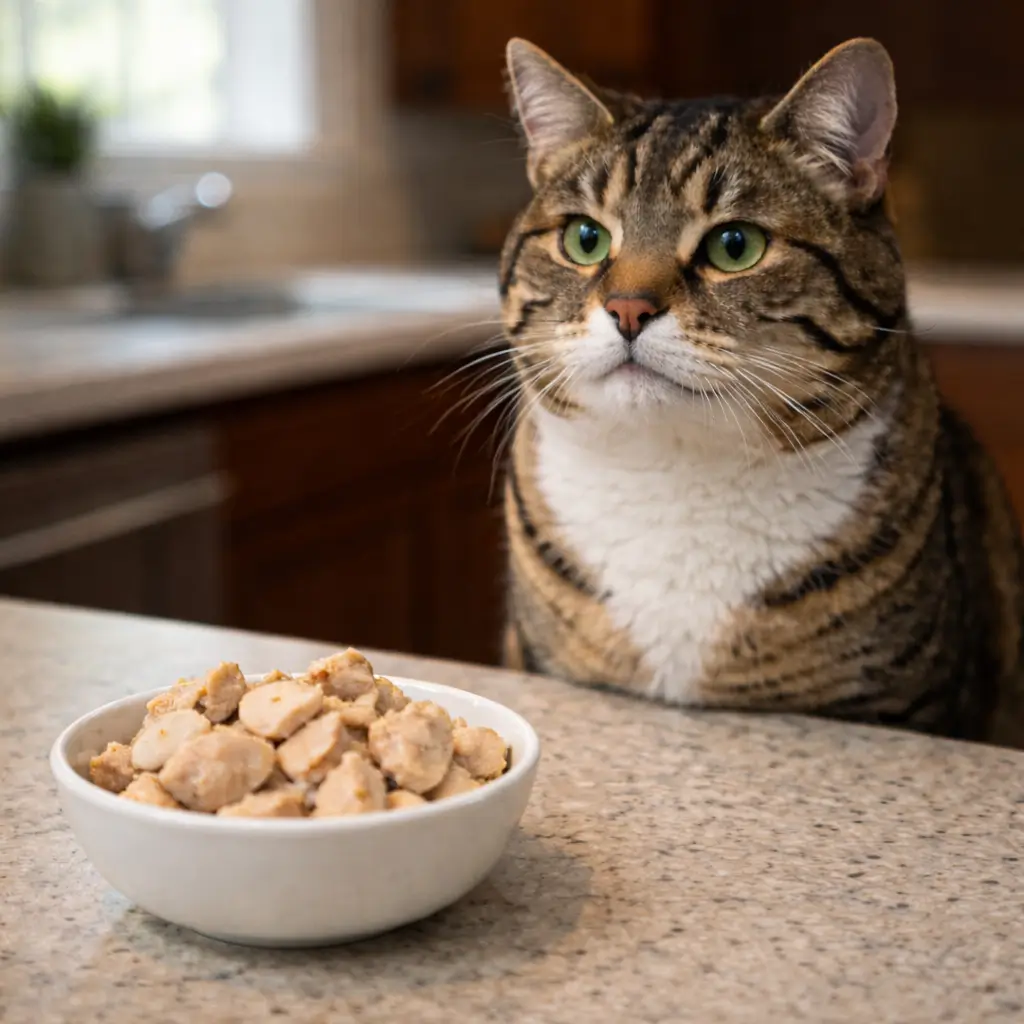
The good news is that you can absolutely give your cat the joy of a special meaty treat without the risks associated with processed ham. These alternatives satisfy their carnivorous instincts while protecting their health.
Plain Cooked Pork Loin
If your cat loves the taste of pork, offer them what ham was before processing: simple pork. A small piece of thoroughly cooked pork loin—prepared without salt, seasonings, oil, or butter—provides the meaty flavor they crave without the sodium overload. Cook it completely to eliminate any parasitic risk, and cut it into appropriately small pieces to prevent choking. This option contains a fraction of the sodium in ham while still delivering the porcine flavor your cat enjoys.
Plain Boiled Chicken or Turkey
Poultry offers another excellent alternative that most cats find irresistible. Boiled chicken breast or turkey breast, prepared without any seasonings whatsoever, provides high-quality protein with minimal fat and virtually no sodium. Many cats actually prefer poultry to pork, making this an easy substitution. You can prepare small batches in advance and refrigerate them for several days.
Commercial Freeze-Dried Meat Treats
High-quality freeze-dried meat treats offer convenience without compromise. Look for products containing single ingredients—chicken, turkey, salmon, or beef—with no added salt, preservatives, or flavorings. The freeze-drying process preserves the meat’s flavor and nutritional value while eliminating bacterial concerns. These treats are specifically formulated for feline consumption and represent the safest option for regular treating.
Why These Alternatives Are Superior
Each of these alternatives shares key advantages over ham. They contain minimal sodium, typically under ten milligrams per serving compared to ham’s hundreds. They’re free from the nitrates, nitrites, and other preservatives that raise long-term health concerns. They contain no hidden allium seasonings that could trigger Heinz Body Anemia. And they’re prepared in ways that respect feline physiology rather than challenging it.
Recognizing When to Seek Veterinary Care
Accidents happen. Cats counter-surf, guests drop food, and curious felines sometimes ingest things they shouldn’t. Knowing when ham consumption requires professional attention can protect your cat from serious complications.
Seek immediate veterinary care if your cat has consumed a large quantity of ham—more than a few bites—or if they’ve eaten ham that was heavily seasoned, glazed, or prepared with garlic and onion. Similarly, contact your veterinarian immediately if your cat shows any signs of distress after eating ham, including vomiting, diarrhea, excessive thirst, weakness, rapid breathing, pale gums, or neurological symptoms like wobbliness or tremors.
For cats with pre-existing health conditions, especially kidney disease, heart disease, or diabetes, even small amounts of ham warrant a call to your veterinarian to discuss whether intervention is needed.
The Bottom Line: Can Cats Have Ham?
When cat owners ask can cats have ham, they deserve a complete answer, not just a simple yes or no. Ham is not acutely toxic to cats in the way that chocolate, grapes, or lilies are. A healthy adult cat who steals a tiny piece from your plate will almost certainly be fine.
However, “not immediately fatal” is a low bar for something we’re deliberately feeding our beloved companions. Ham’s extraordinarily high sodium content strains feline kidneys and cardiovascular systems. Its fat content creates pancreatitis risk. Its preservatives raise long-term safety questions. And the potential presence of garlic and onion seasonings introduces genuine toxicity concerns.
We share our lives and our homes with these remarkable creatures. Sharing our highly processed, heavily salted, chemically preserved foods with them isn’t love—it’s a risk we don’t need to take. The alternatives are simple, affordable, and genuinely appreciated by our cats.
The next time those pleading eyes find yours across the dinner table, reach instead for a piece of plain cooked chicken, a freeze-dried treat designed for feline consumption, or simply offer the gift of your attention and affection. Your cat’s kidneys, heart, and overall health will thank you for it—even if they never stop hoping you’ll reconsider the ham.