
Can House Cats Eat Raw Meat? Is It Safe or Risky?

The Great Raw Feeding Debate
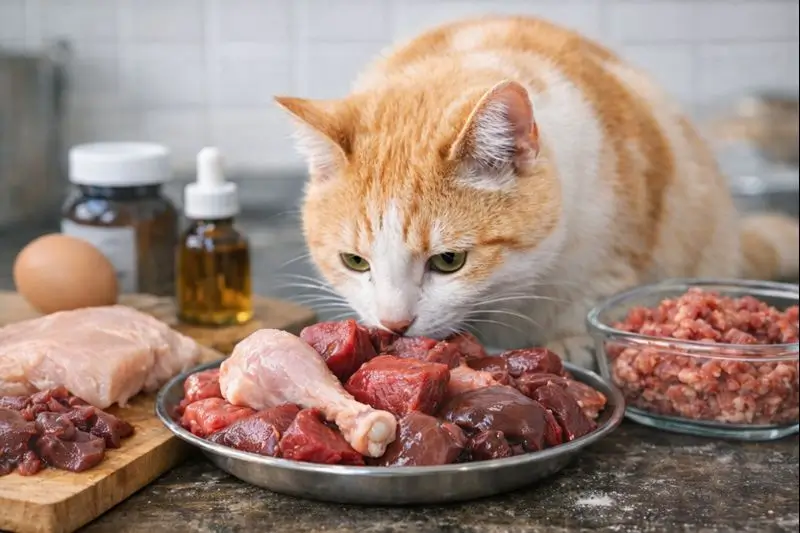
Few topics in feline nutrition spark as much passionate debate as raw feeding. If you’ve ever wondered can house cats eat raw meat, you’re certainly not alone. This question has divided pet owners, veterinarians, and animal nutritionists for decades, with strong opinions on both sides of the discussion.
Table of Contents
On one hand, proponents argue that cats are obligate carnivores who evolved eating raw prey, making raw meat their most natural and biologically appropriate food source. On the other hand, major veterinary organizations like the American Veterinary Medical Association (AVMA) have issued position statements cautioning against raw diets due to significant bacterial contamination risks.
I’ve spent years researching this topic, consulting veterinary literature, and reviewing the positions of regulatory bodies like the Association of American Feed Control Officials (AAFCO) and the European Pet Food Industry Federation (FEDIAF). My goal in this article is to provide you with a balanced, scientifically grounded examination of raw cat food safety—presenting both the potential benefits of raw meat for cats and the serious raw feeding risks you need to understand before making this decision for your feline companion.
Let me be clear from the outset: this is not a simple yes-or-no question. The answer depends heavily on how raw feeding is implemented, your cat’s individual health status, and your household circumstances.
What Is the Verdict on Can House Cats Eat Raw Meat?
Yes, house cats can biologically digest and derive nutrition from raw meat—they are obligate carnivores whose digestive systems evolved to process raw prey. However, feeding raw meat carries significant risks of bacterial contamination (Salmonella, E. coli, Listeria) and nutritional imbalances if the diet is not properly formulated. Plain raw meat alone is nutritionally incomplete and dangerous; only a carefully balanced raw diet with appropriate supplements, prepared under strict hygiene protocols, should ever be considered.
Understanding Your Cat’s Carnivorous Nature
Obligate Carnivores: What Does It Really Mean?
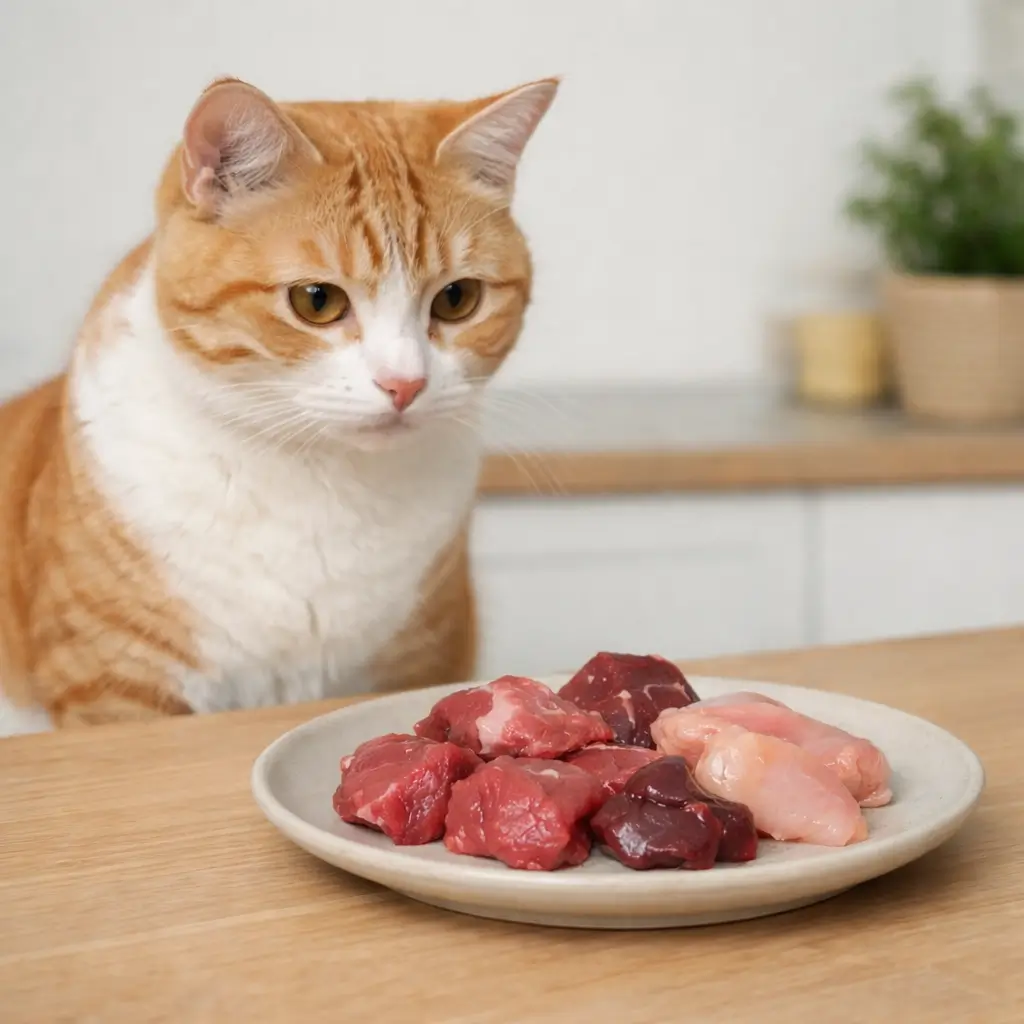
To understand why the question of can house cats eat raw meat is so nuanced, we first need to appreciate feline biology. Cats are obligate carnivores, meaning their bodies are physiologically designed to derive essential nutrients primarily from animal tissue. Unlike omnivores such as dogs or humans, cats have specific metabolic requirements that can only be met through meat-based nutrition.
Cats require several nutrients that are either found exclusively or predominantly in animal tissue. Taurine, an amino acid critical for heart function, vision, and reproduction, is one such nutrient—cats cannot synthesize adequate amounts on their own and must obtain it from their diet. Similarly, cats require preformed vitamin A (retinol) because they lack the enzymes to convert plant-based beta-carotene into usable vitamin A. Arachidonic acid, an essential fatty acid for cats, is another nutrient found primarily in animal fats.
Their digestive tract is also notably shorter than that of omnivores, designed for quick processing of protein-dense meals rather than lengthy fermentation of plant material. Cats produce highly acidic stomach secretions (with a pH as low as 1-2) that help break down proteins and, to some extent, combat certain pathogens present in raw meat.
Wild Cats vs. Domesticated Cats: A Critical Distinction
Here’s where many raw feeding advocates make a logical leap that warrants scrutiny. Yes, wild cats and feral cats consume raw prey. However, there are significant differences between wild prey and commercially purchased raw meat that we must acknowledge.
Wild prey is typically consumed immediately after the kill, when bacterial loads are relatively low. The gastrointestinal contents of prey animals also provide additional nutrients and beneficial bacteria. Commercial meat, even when labeled “human-grade,” has been processed, transported, and stored—all steps that increase the opportunity for bacterial proliferation. Furthermore, domesticated cats have lived alongside humans for thousands of years, and while their fundamental biology remains carnivorous, their immune systems may not be as robustly adapted to commercial meat pathogens as we might assume.
The BARF Diet for Cats: Understanding Raw Feeding Approaches
What Is Raw Feeding?
Raw feeding encompasses several dietary approaches, with the two most common being the BARF diet for cats (Biologically Appropriate Raw Food or Bones and Raw Food) and the Prey Model Raw (PMR) diet. Both approaches aim to mimic what cats would eat in the wild, but they differ in their specific formulations.
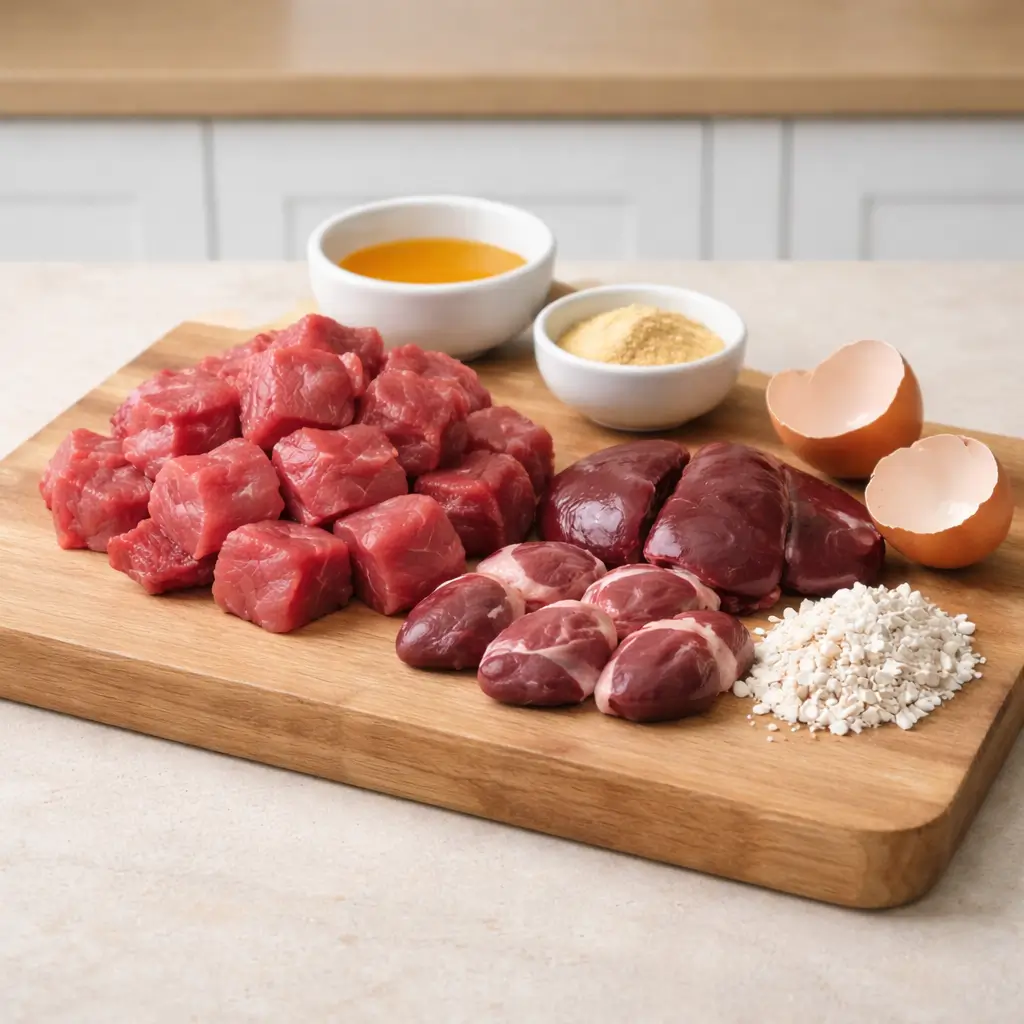
The BARF model typically includes muscle meat, raw meaty bones, organ meats, and sometimes small amounts of vegetables, fruits, or supplements. The Prey Model, conversely, attempts to replicate whole prey by using specific ratios of muscle meat (approximately 80%), organs (10%, with half being liver), and raw meaty bones (10%).
Both approaches share a fundamental premise: that raw, unprocessed food is more biologically appropriate for cats than commercial kibble or canned food.
The Crucial Difference: Complete and Balanced vs. Plain Raw Meat
This is perhaps the most critical point in this entire article, and I cannot emphasize it strongly enough: feeding your cat plain raw meat is not the same as feeding a complete and balanced raw diet, and the former is genuinely dangerous.
Plain muscle meat—whether chicken breast, ground beef, or any other single protein source—is nutritionally incomplete. It lacks adequate calcium (the calcium-to-phosphorus ratio in muscle meat is severely inverted), is deficient in several essential vitamins, and may not provide sufficient taurine depending on the cut and freshness. Feeding only muscle meat will lead to severe nutritional deficiencies over time, including conditions like nutritional secondary hyperparathyroidism (metabolic bone disease), taurine-deficiency cardiomyopathy, and vitamin deficiencies.
A properly formulated raw diet must include organ meats (particularly liver for vitamin A and B vitamins), a calcium source (raw bones or supplements like ground eggshell), and often additional supplementation with taurine, vitamin E, and B vitamins to ensure nutritional adequacy.
Benefits of Raw Meat for Cats: What Proponents Claim
Potential Advantages of Raw Feeding
Those who advocate for raw feeding often cite several potential benefits, and I believe in presenting these claims fairly while noting the current state of scientific evidence.
Many raw feeders report improvements in their cats’ coat quality, describing shinier, softer fur and reduced shedding. This is often attributed to the higher bioavailability of fatty acids in raw meat compared to processed foods. Some owners also note improved dental health, theorizing that chewing on raw meaty bones helps mechanically clean teeth and reduce tartar buildup.
Digestive improvements are another commonly reported benefit. Proponents suggest that raw diets result in smaller, less odorous stools because cats can digest raw meat more efficiently, producing less waste. Some owners of cats with chronic digestive issues or food sensitivities report improvement when switching to raw diets, possibly due to the elimination of common allergens or additives found in commercial foods.
Increased energy, improved hydration (raw meat contains approximately 70% moisture compared to 10% in kibble), and better weight management are additional anecdotal benefits frequently mentioned in raw feeding communities.
The Evidence Gap
However, I must be transparent about the limitations of the current evidence base. While these anecdotal reports are numerous and compelling to those who experience them, controlled scientific studies specifically comparing raw diets to high-quality commercial diets in terms of health outcomes are limited. Much of what we “know” about the benefits of raw meat for cats comes from owner observations rather than rigorous clinical trials. This doesn’t mean the benefits aren’t real, but it does mean we should approach the claims with appropriate scientific caution.
Raw Feeding Risks: The Serious Concerns You Must Understand
Bacterial Contamination: The Primary Concern
The most significant and well-documented concern with raw feeding is bacterial contamination. Multiple studies have found high rates of pathogenic bacteria in commercially available raw pet food products. Salmonella, Escherichia coli (including dangerous strains like E. coli O157:H7), Listeria monocytogenes, and Campylobacter have all been isolated from raw pet food samples in various studies.
The AVMA’s position statement on raw feeding specifically cites the “risk of foodborne illness to cats and dogs from raw protein diets, as well as to humans who handle such diets and interact with pets fed such diets” as the primary basis for recommending against raw feeding.
These bacteria can cause serious illness in cats, including vomiting, diarrhea, septicemia (blood infection), and in severe cases, death. However, it’s worth noting that healthy adult cats may shed pathogenic bacteria in their feces without showing clinical signs of illness—meaning your cat could appear healthy while still posing a contamination risk to your household.
The Human Health Risk: Often Overlooked
This brings us to a critically important point that is often underemphasized in discussions of raw feeding: the risk to human health. When a cat consumes raw meat, they may shed bacteria in their feces, saliva, and on their fur for extended periods. This creates opportunities for cross-contamination throughout your home—in litter boxes, on furniture, on your cat’s paws, and anywhere your cat grooms or rests.
For healthy adults with robust immune systems, this risk, while present, may be manageable with proper hygiene protocols. However, raw diets pose a serious risk to immunocompromised humans in the household, including elderly individuals, young children, pregnant women, people undergoing chemotherapy, organ transplant recipients, and those with HIV/AIDS or other immune-suppressing conditions. If anyone in your household falls into these categories, I would urge extreme caution before considering a raw diet for your cat.
Nutritional Imbalances: The Hidden Danger
Beyond bacterial risks, nutritional imbalance represents a significant hazard—one that often doesn’t become apparent until considerable damage has been done. Formulating a nutritionally complete and balanced raw diet is genuinely difficult and requires careful attention to detail.
Common deficiencies in improperly formulated raw diets include calcium deficiency (leading to metabolic bone disease), taurine deficiency (causing dilated cardiomyopathy and retinal degeneration), thiamine (vitamin B1) deficiency (resulting in neurological problems), and vitamin E deficiency (causing steatitis, also known as “yellow fat disease”). These conditions can develop slowly over months, and by the time clinical signs appear, significant harm may already have occurred.
Critical Warnings: When Raw Feeding Is Particularly Dangerous

Cats Who Should Never Be Fed Raw Diets
There are certain feline populations for whom raw feeding poses unacceptable risks, and I must be unequivocal about this:
Immunocompromised cats should never be fed raw diets. Cats with Feline Immunodeficiency Virus (FIV), Feline Leukemia Virus (FeLV), or those undergoing chemotherapy or immunosuppressive therapy have weakened immune systems that may be unable to combat bacterial pathogens effectively. For these cats, exposure to Salmonella, E. coli, or Listeria could result in serious systemic illness or death.
Very young kittens and elderly cats also have less robust immune function and may be at higher risk. Pregnant or nursing queens require carefully balanced nutrition, and the risks of both bacterial infection and nutritional imbalance are particularly concerning during these critical periods.
Cats with chronic gastrointestinal disease may have compromised gut barrier function, potentially increasing their susceptibility to bacterial pathogens present in raw food.
The Raw Bone Warning
If you do decide to pursue raw feeding after consulting with your veterinarian, you must understand the critical distinction between raw and cooked bones. Cooked bones should NEVER be fed to cats. Cooking causes bones to become brittle and prone to splintering, which can cause life-threatening injuries including oral lacerations, esophageal tears, intestinal perforations, and choking.
Raw bones, while not without risk, are more pliable and generally considered safer for chewing. However, they must be appropriately sized for your cat—large enough that they cannot be swallowed whole, but small enough to be manageable. Poultry necks, wings, and feet are commonly used, but supervision during consumption is always advisable.
Handling Raw Pet Food: Essential Safety Protocols
Sourcing: Quality Matters
If you choose to pursue raw feeding, the quality and sourcing of your ingredients is paramount. I recommend using only human-grade meats from reputable sources. While this doesn’t eliminate bacterial risk, human-grade products are subject to more stringent handling and inspection requirements than products designated solely for animal consumption.
Whenever possible, know where your meat comes from. Local farms where you can inquire about handling practices are ideal, though I recognize this isn’t feasible for everyone. At minimum, purchase from reputable grocery stores with good turnover and proper refrigeration.
Freezing Protocols: Parasite Mitigation
Freezing is an essential step in raw food preparation, primarily for killing parasites such as Toxoplasma gondii. The freezing protocols recommended vary slightly by source, but a general guideline is to freeze meat at -20°C (-4°F) or below for a minimum of three days. Some protocols recommend seven days for additional safety margin. Note that standard home freezers may not consistently reach these temperatures, so a freezer thermometer is a worthwhile investment.
However, I must be clear: freezing does not eliminate bacterial contamination. Salmonella, E. coli, and Listeria can survive freezing temperatures and will become active again upon thawing. Freezing addresses parasites, not bacteria.
Sample Complete Raw Meal: A Balanced Recipe Template
Important Disclaimer: The following recipe is provided as a sample template to illustrate the components of a balanced raw diet. Formulations should be reviewed by a board-certified veterinary nutritionist (DACVN) to ensure they meet your individual cat’s needs. This recipe is not intended to replace professional dietary consultation.
Ingredients Breakdown
A balanced raw meal for cats typically follows approximate ratios of 80-85% muscle meat, 5-10% organs (with liver comprising roughly half), and 5-10% raw edible bone or a calcium supplement equivalent.
For a basic adult maintenance recipe (approximately 1 pound/450g total):
Muscle Meat (approximately 360g): Boneless chicken thigh meat is an excellent base—dark meat contains more taurine than breast meat and provides essential amino acids and protein.
Organ Meats (approximately 45g total): Include chicken liver (approximately 20g) for vitamin A, B vitamins, and iron. Heart (approximately 25g) is technically muscle but is exceptionally high in taurine and should be included in every recipe; chicken or beef heart works well.
Calcium Source (approximately 45g raw meaty bones OR supplement equivalent): Options include chicken necks, wings, or ground eggshell powder. If using eggshell powder as a bone substitute, approximately 1/2 teaspoon per pound of boneless meat provides the calcium equivalent. Eggshells should be baked briefly (300°F/150°C for 10 minutes) to eliminate bacteria, then ground to a fine powder.
Essential Supplements
Raw meat alone is NOT nutritionally complete. The following supplements are commonly required:
Taurine: Even with heart included, additional taurine supplementation (approximately 250mg per pound of food) is often recommended to ensure adequacy, as taurine content in meat decreases with time and handling.
Vitamin E: Adding approximately 100 IU per pound of food helps prevent oxidation of fatty acids and supports immune function.
Vitamin B Complex: A feline-appropriate B vitamin supplement helps ensure adequate thiamine (B1), which can be depleted in raw diets, particularly when fish is included.
Fish Oil (optional but recommended): Provides omega-3 fatty acids (EPA and DHA) for skin, coat, and anti-inflammatory support. Use approximately 1/4 teaspoon per pound of food.
Iodized Salt: A small amount (approximately 1/4 teaspoon per pound) provides essential iodine if you’re not including kelp or iodine-rich organ meats.
Preparation Steps: Hygiene Is Non-Negotiable
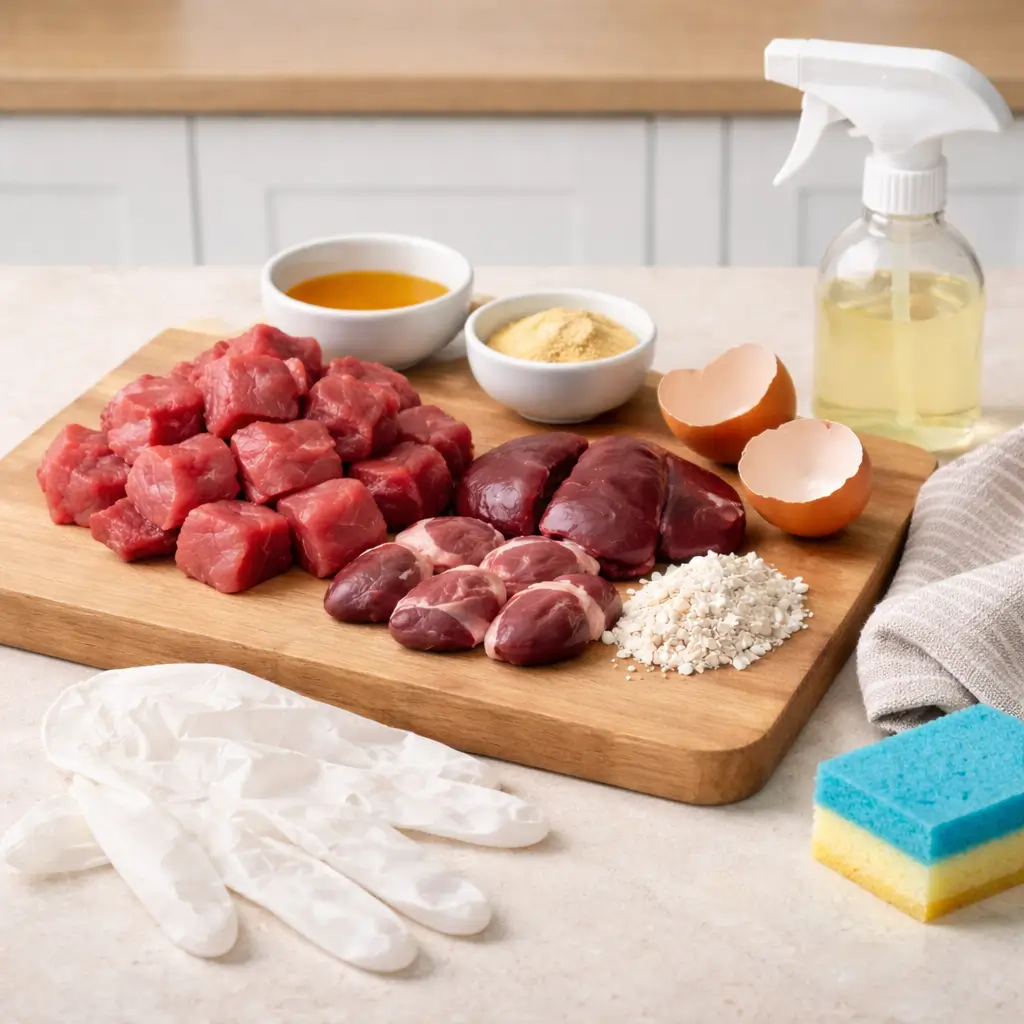
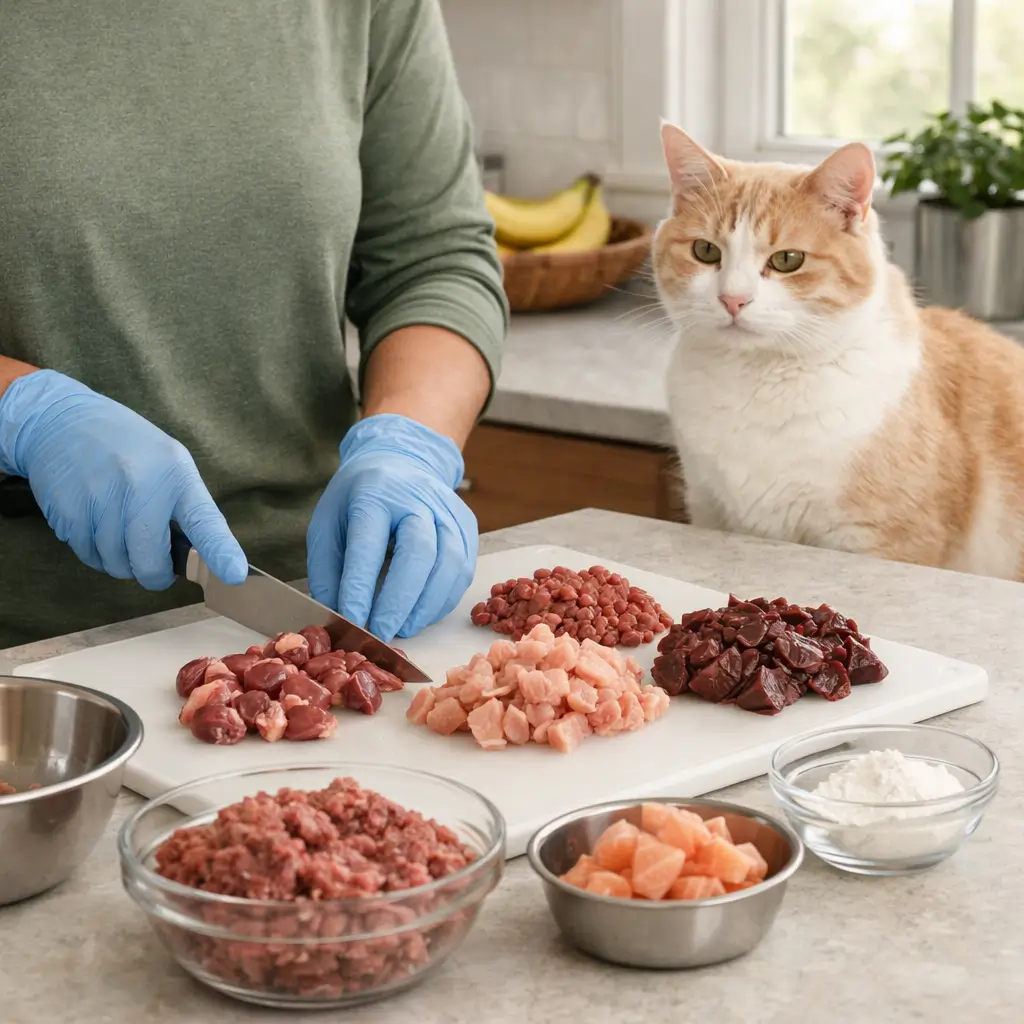
Workspace Preparation: Before beginning, thoroughly sanitize all work surfaces, cutting boards, knives, and any equipment (grinder, bowls, storage containers) with hot soapy water followed by a diluted bleach solution or another food-safe sanitizer. Use dedicated equipment for raw pet food preparation that is not used for human food.
Handling: Wear clean gloves throughout the process. Keep meat refrigerated until immediately before use, and work quickly to minimize time at room temperature.
Processing: You can either grind all ingredients together using a meat grinder (a grinder capable of processing small bones is necessary if you’re including raw bone rather than eggshell powder) or cut ingredients into small chunks appropriate for your cat’s eating style. Many cats do well with ground food, while others prefer chunked meat.
Portioning and Storage: Divide the prepared food into single-serving portions (typically 3-4% of your cat’s body weight per day for adults). Store in airtight containers or freezer bags, removing as much air as possible. Freeze immediately. Properly stored raw food can be kept frozen for two to three months.
Safe Thawing: Never thaw raw pet food at room temperature—this creates ideal conditions for bacterial proliferation. Thaw portions in the refrigerator overnight or use the cold water method (submerging sealed portions in cold water and changing the water every 30 minutes). Feed thawed food within 24-48 hours.
Post-Feeding Cleanup: After your cat eats, immediately wash their bowl with hot soapy water. Clean any surfaces the raw food has touched. Wash your hands thoroughly.
Navigating the Decision: Is Raw Feeding Right for Your Cat?
Questions to Ask Yourself
Deciding whether to feed raw requires honest self-assessment. Consider the following questions:
Do you have the time and dedication to properly source ingredients, prepare meals with strict hygiene protocols, and ensure nutritional balance? Raw feeding is significantly more time-intensive than commercial feeding.
Are you comfortable with the bacterial risks, both to your cat and to your household? Are there immunocompromised individuals (including young children or elderly family members) in your home?
Is your cat healthy, with a robust immune system? Have you consulted with your veterinarian about whether your specific cat is a good candidate for raw feeding?
Do you have access to a veterinary nutritionist who can help you formulate a balanced diet, or are you willing to invest in consulting one?
Can you afford periodic veterinary checkups to monitor your cat’s health and catch any nutritional deficiencies early?
Middle-Ground Options
If you’re interested in the potential benefits of raw feeding but concerned about the risks, there are middle-ground options worth considering.
Commercial raw diets that are tested for pathogens and formulated to meet AAFCO nutritional standards offer some of the potential benefits of raw feeding while reducing (though not eliminating) bacterial risk and the challenge of nutritional balancing. High-Pressure Processing (HPP) is a technique some manufacturers use to reduce bacterial loads while keeping food raw.
Some owners opt for a hybrid approach, feeding a high-quality commercial diet as the base while incorporating small amounts of raw meat as a supplement. This reduces the risk of nutritional imbalance while still providing some raw food benefits.
Lightly cooked homemade diets (cooking to 165°F/74°C to kill bacteria) eliminate the pathogen risk while still allowing you to control ingredients—though cooking does reduce the bioavailability of some nutrients and requires different supplementation protocols.

Conclusion: Balancing Biology, Risks, and Practicality
So, can house cats eat raw meat? The answer is biologically yes—cats are carnivores whose bodies are designed to process raw animal protein. However, “can” and “should” are different questions, and the answer to whether you should feed raw is far more complex.
The potential benefits of raw meat for cats—including improved coat condition, dental health, and digestive function—are real for many cats, even if not yet thoroughly documented in scientific literature. However, the raw feeding risks are equally real and well-documented: bacterial contamination that can sicken both cats and humans, the danger of nutritional imbalances in improperly formulated diets, and the particular vulnerability of immunocompromised individuals.
If you choose to pursue raw feeding, do so with full awareness of these risks and a commitment to mitigation: source high-quality ingredients, follow strict hygiene protocols in handling raw pet food, ensure nutritional balance through proper formulation and supplementation, and maintain regular veterinary oversight. This is not a casual decision, and it’s not for every owner or every cat.
Ultimately, the best diet for your cat is one that is nutritionally complete, safe, and sustainable for you to provide. For some owners and cats, a carefully implemented raw diet meets these criteria. For others, high-quality commercial food remains the safest and most practical choice.
Whatever you decide, please consult with your veterinarian before making significant dietary changes. Your cat depends on you to make informed, thoughtful choices about their nutrition—choices grounded in both understanding of their carnivorous nature and respect for the real risks involved.
This article is intended for informational purposes only and does not constitute veterinary medical advice. Always consult with a licensed veterinarian or board-certified veterinary nutritionist before implementing any dietary changes for your cat.