
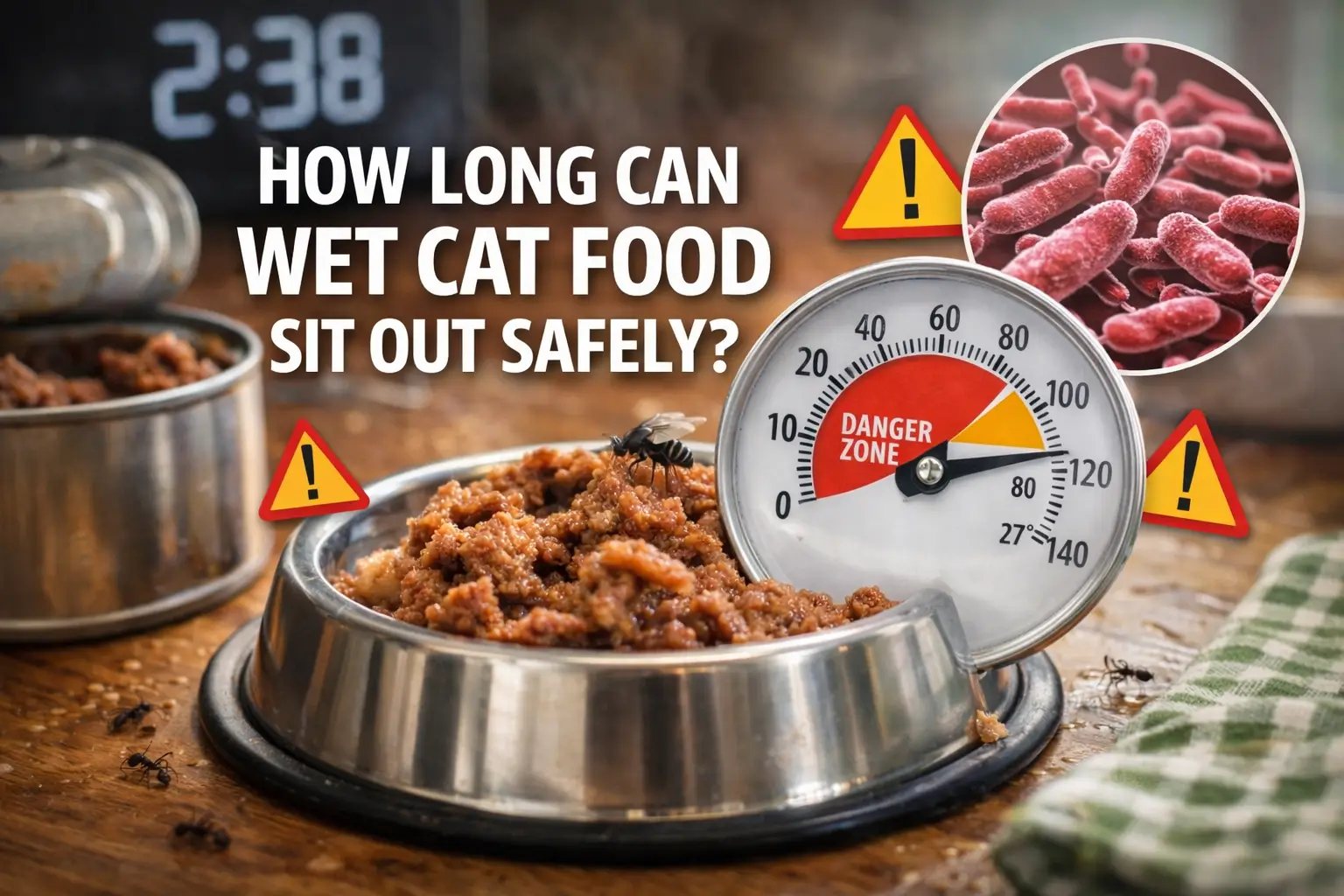
How Long Can Wet Cat Food Sit Out Safely?

We’ve all been there—rushing out the door for work, setting down a bowl of wet food for our beloved cat, and then suddenly wondering hours later whether that meal is still safe to eat. Understanding how long can wet cat food sit out isn’t just about preventing waste; it’s a critical aspect of protecting your feline companion from potentially serious foodborne illness. As someone who has spent years studying feline nutrition and food safety, I can tell you that this question deserves a thorough, science-based answer.
Table of Contents
The moment you open that can or pouch and place wet food in your cat’s bowl, a countdown begins. Bacteria, temperature, and time work together in ways that can transform a nutritious meal into a health hazard. In this comprehensive guide, I’ll walk you through everything you need to know about wet cat food safety, proper storage techniques, and the warning signs that food has spoiled beyond the point of safety.
What Is the Maximum Time Wet Cat Food Can Sit Out Safely?
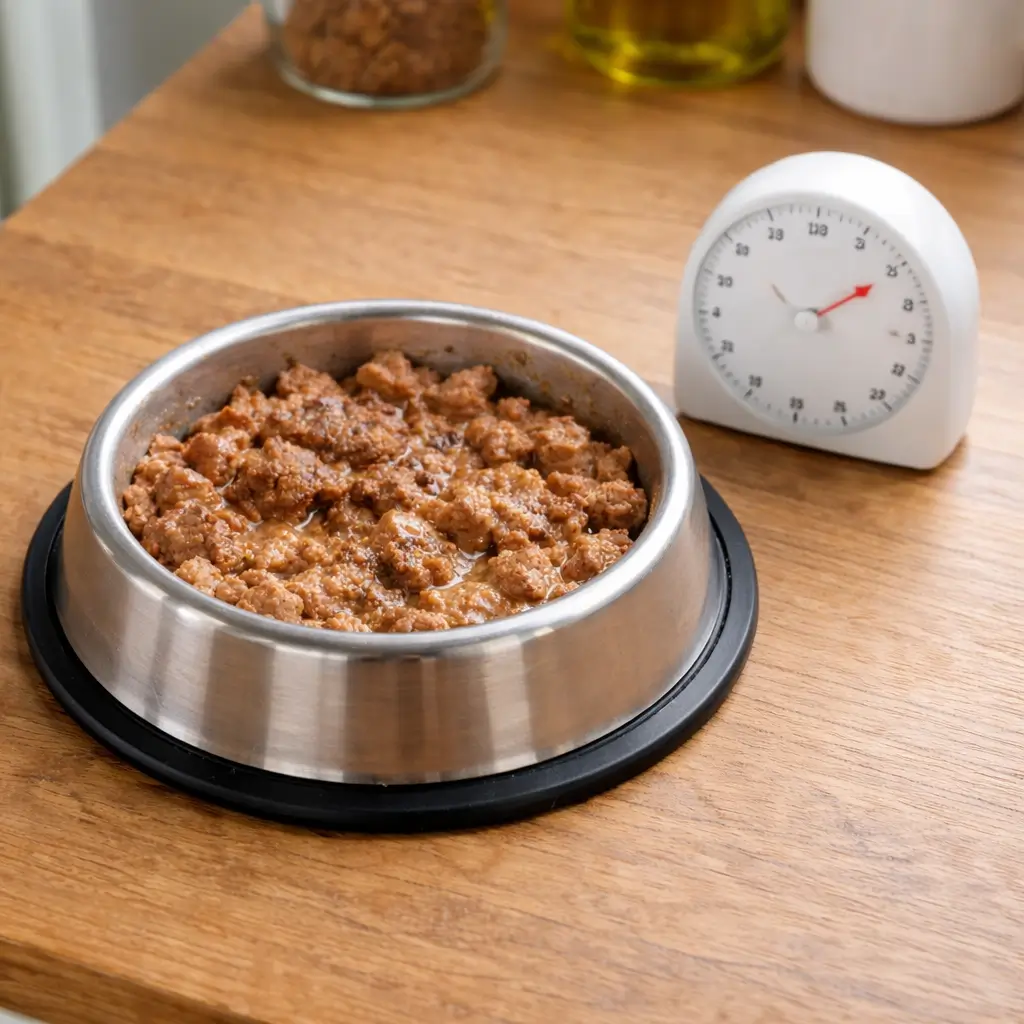
Veterinarians and food safety experts recommend discarding wet cat food after a maximum of 1-2 hours at room temperature, or up to 4 hours under ideal cool conditions. This guideline exists because moisture-rich, protein-based foods provide the perfect breeding ground for harmful bacteria like Salmonella and Listeria which multiply rapidly once food enters the temperature danger zone between 40°F and 140°F (4°C and 60°C).
The Science Behind the Time Limit
This recommendation isn’t arbitrary—it’s rooted in established food safety principles that apply to all perishable, protein-rich foods. The FDA and veterinary organizations base these guidelines on how quickly bacterial populations can reach dangerous levels.
When wet cat food sits at room temperature, bacteria that may already be present in small, harmless numbers begin to multiply exponentially. Under ideal conditions for bacterial growth, populations can double every 20 minutes. What starts as an insignificant bacterial count can become a serious health risk within just a few hours.
The 1-2 hour recommendation provides a safety margin, accounting for variations in room temperature, humidity, and the initial bacterial load of the food. In warmer environments—such as during summer months or in homes without air conditioning—the safe window shrinks even further.
Understanding the Temperature Danger Zone
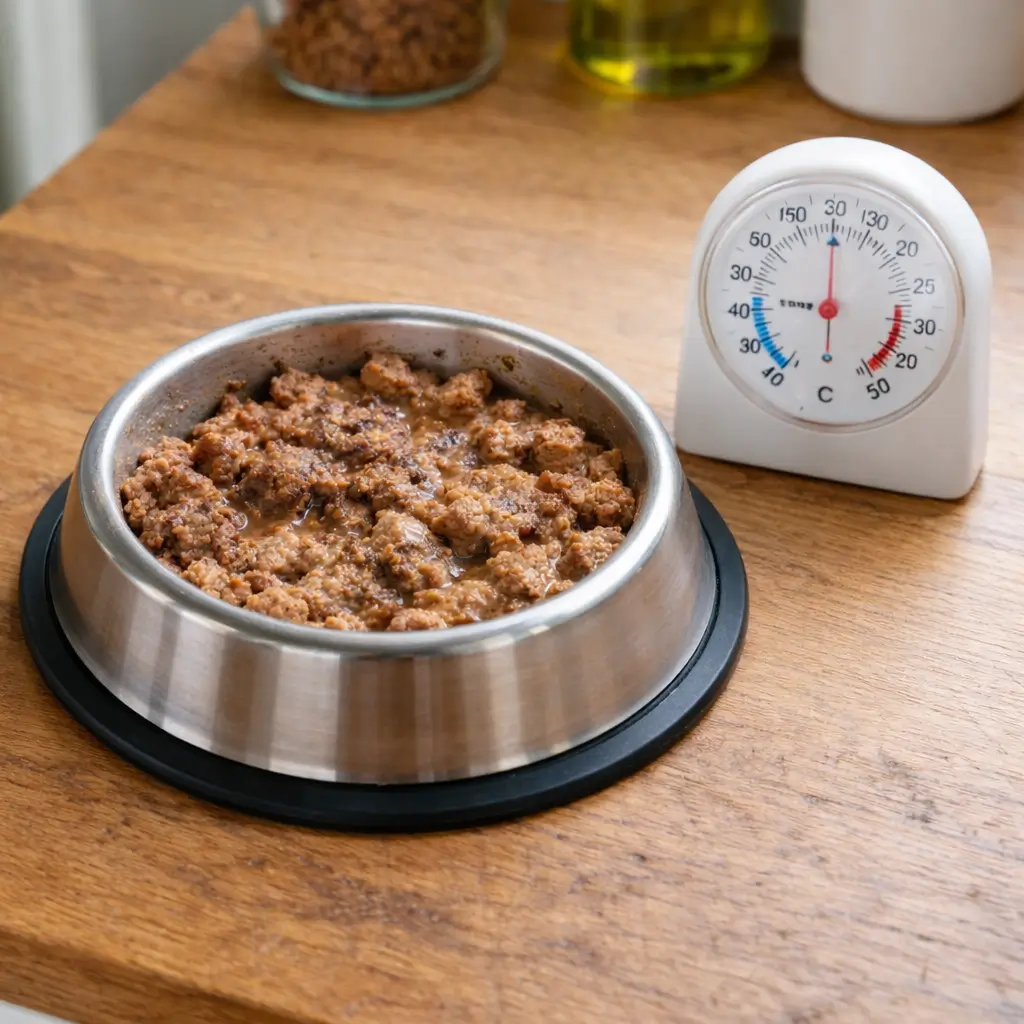
One concept every cat owner should understand is the temperature danger zone. This refers to the range of temperatures where bacteria multiply most rapidly in perishable foods.
What Exactly Is the Danger Zone?
The danger zone spans temperatures between 40°F and 140°F (4°C and 60°C). Within this range, conditions are ideal for bacterial reproduction. Most homes maintain temperatures between 68°F and 76°F—squarely within the danger zone.
Key temperature facts:
- Below 40°F (4°C): Bacterial growth slows dramatically, which is why refrigeration extends food safety
- 40°F to 140°F (4°C to 60°C): The danger zone where bacteria thrive
- Above 140°F (60°C): Most bacteria are killed, which is why cooking provides safety
Why Wet Food Is Particularly Vulnerable
Wet cat food presents a higher risk than dry kibble for several reasons. Its high moisture content creates an environment where bacteria can easily reproduce. The protein-rich formulation provides nutrients that fuel bacterial growth. Additionally, the smooth, moist texture allows bacteria to spread throughout the food rather than remaining isolated on the surface.
Dry cat food, by contrast, can safely sit out for extended periods because its low moisture content inhibits bacterial multiplication. This fundamental difference explains why the rules for wet and dry food storage differ so dramatically.
The Timeline: What Happens as Wet Cat Food Sits Out
Understanding exactly what occurs over time helps illustrate why the safety guidelines exist. Here’s a detailed breakdown of cat food storage safety concerns at various intervals.
0-30 Minutes: The Safe Window
During the first half hour, wet cat food remains at its freshest and safest. The food is still close to its original temperature (whether from the refrigerator or room-temperature storage before opening), and bacterial multiplication has barely begun.
This period represents the ideal feeding window. If your cat is a quick eater who finishes meals promptly, you have little to worry about.
30 Minutes to 2 Hours: The Caution Period
This is when careful attention becomes necessary. The food has now fully equilibrated to room temperature, and bacterial populations are actively growing. The food may still appear perfectly normal—there’s no visible spoilage, no obvious odor change—but microscopic changes are occurring.
During summer months or in warm kitchens, I recommend treating the 2-hour mark as your absolute cutoff. The warmer the environment, the faster bacteria multiply.
Visible changes you might notice:
- Slight drying around the edges of the food
- Formation of a thin surface film
- Beginning of fat separation or color changes
2-4 Hours: The Risk Increases Significantly
Between 2 and 4 hours, bacterial counts can reach levels that pose genuine health risks. The food may develop subtle changes in texture or smell, though these aren’t always detectable to human senses.
Warning: Even if food looks and smells acceptable to you, it may harbor dangerous bacterial populations. Cats have different sensory capabilities than humans, and what seems fine to us may already be problematic for them—or conversely, they may reject food before we notice anything wrong.
4+ Hours: Discard Without Exception
Once wet cat food has sat out for more than 4 hours, there’s simply no safe justification for serving it. Bacterial populations have had ample time to multiply to dangerous levels, and the risk of foodborne illness becomes unacceptable.
I cannot emphasize this strongly enough: No amount of money saved is worth risking your cat’s health. At this point, dispose of the food and clean the bowl thoroughly before the next feeding.
Specific Bacteria Risks in Spoiled Cat Food
Understanding which pathogens threaten our cats helps underscore why bacteria growth in pet food demands our attention.
Salmonella
Salmonella bacteria represent one of the most common threats in spoiled meat-based foods. These organisms thrive at room temperature and can cause serious gastrointestinal illness in cats. While cats are sometimes portrayed as more resistant to Salmonella than humans, they can absolutely become ill from contaminated food.
Symptoms of Salmonella infection in cats include vomiting, diarrhea (sometimes bloody), fever, lethargy, and loss of appetite.
Listeria
Listeria monocytogenes poses particular concern because it can survive and even multiply at refrigerator temperatures, though it grows much more rapidly in the danger zone. This pathogen can cause severe illness, particularly in cats with compromised immune systems.
Staphylococcus
Staphylococcus aureus produces toxins as it multiplies in food. These toxins remain dangerous even if the food is subsequently refrigerated, because while cold temperatures stop bacterial growth, they don’t neutralize toxins already produced.
Other Pathogens of Concern
Additional bacteria that may proliferate in spoiled wet cat food include E. coli, Clostridium species, and various molds that produce mycotoxins. The protein-rich, moist environment of wet cat food provides ideal conditions for virtually all foodborne pathogens.
Signs of Spoiled Cat Food: What to Watch For
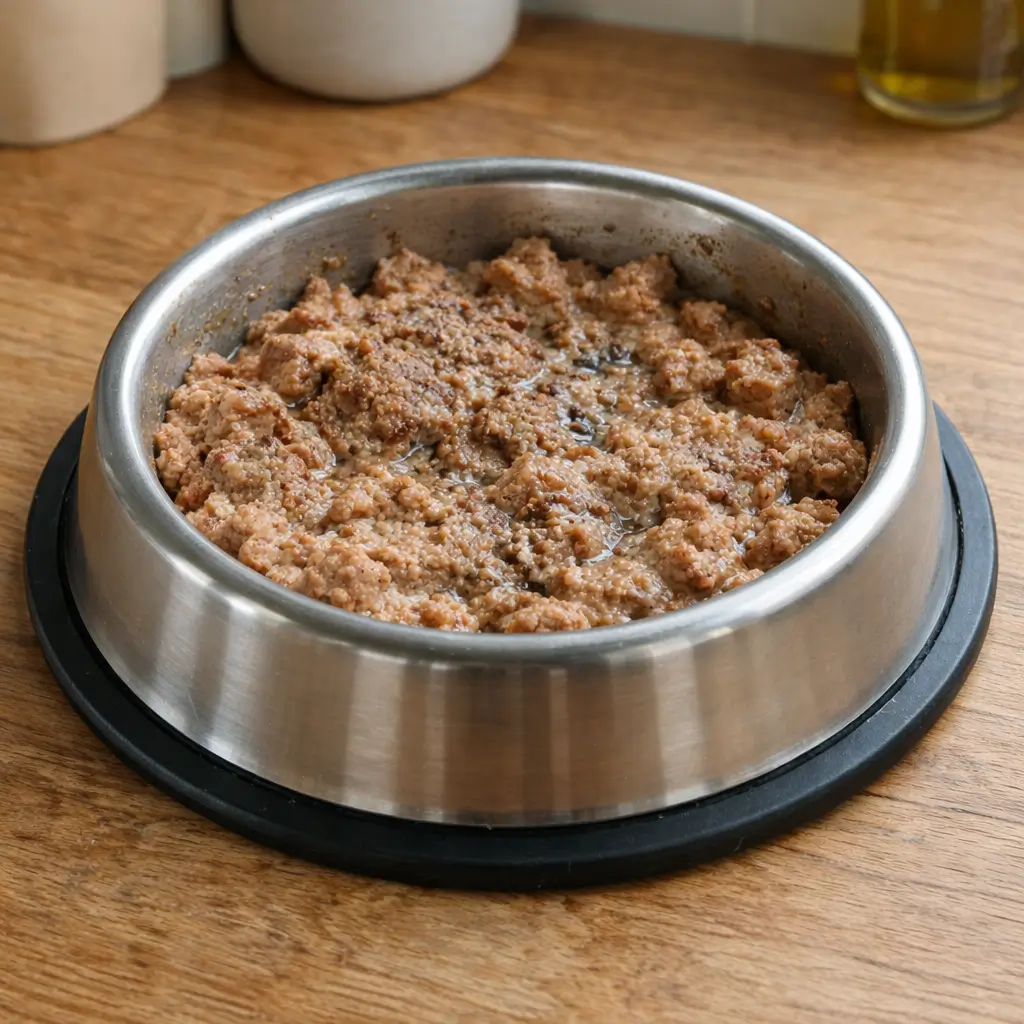
Knowing the signs of spoiled cat food helps you make informed decisions about whether to serve questionable meals.
Visual Indicators
Mold growth represents the most obvious sign of spoilage. Any fuzzy patches, spots, or discoloration indicate the food is unsafe. However, bacterial contamination can reach dangerous levels long before visible mold appears.
Color changes beyond slight surface drying suggest spoilage. Fresh wet food maintains its original coloring; significant darkening, graying, or development of unusual hues indicates problems.
Separation or unusual texture may indicate breakdown of the food’s components. While some separation is normal, excessive liquid pooling or significant texture changes warrant caution.
Olfactory Signs
Sour or rancid odors indicate fat oxidation or bacterial activity. Fresh wet cat food has a meaty, sometimes slightly fishy smell; spoiled food develops sharper, more unpleasant notes.
Ammonia-like smells suggest protein breakdown and significant bacterial activity.
Trust your nose—if something smells off, it probably is. However, don’t rely solely on smell, as dangerous bacterial contamination can occur before detectable odor changes.
Your Cat’s Reaction
Cats possess highly developed senses and often reject food they perceive as unsafe. If your typically enthusiastic eater suddenly shows reluctance toward their food, consider this a warning sign.
That said, some cats eat voraciously regardless of food quality, so your cat’s willingness to eat doesn’t guarantee safety.
Health Risks: Symptoms of Food Poisoning in Cats
When cats consume spoiled food, the consequences can range from mild discomfort to serious illness requiring veterinary intervention.
Common Symptoms
Gastrointestinal distress typically appears first. Watch for vomiting, which may occur within hours of eating contaminated food, and diarrhea, which may be watery or bloody.
Lethargy and weakness often accompany foodborne illness. Your normally active cat may become unusually quiet, reluctant to move, or uninterested in play.
Loss of appetite frequently follows initial symptoms. Cats feeling unwell typically refuse food.
Fever indicates the body is fighting infection. While you may not detect fever without a thermometer, cats with elevated temperatures often seek cool surfaces and may feel warm to the touch.
Dehydration develops rapidly, especially in cats experiencing vomiting and diarrhea. Signs include dry gums, skin that doesn’t snap back when gently pinched, and sunken eyes.
When to See a Veterinarian
Seek veterinary care immediately if your cat exhibits:
- Bloody vomit or diarrhea
- Symptoms lasting more than 24 hours
- Signs of severe dehydration
- Extreme lethargy or unresponsiveness
- Fever (normal feline temperature is 100.5°F to 102.5°F)
- Any symptoms in kittens, elderly cats, or immunocompromised cats
Foodborne illness can escalate quickly, particularly in vulnerable populations. When in doubt, contact your veterinarian.
Best Practices: The Complete Storage Guide
Now that we understand the risks, let’s focus on practical solutions. Proper handling and storage of wet cat food prevents problems before they occur.
Serving Fresh Food Safely
Portion appropriately rather than overserving. If your cat consistently leaves food in their bowl, reduce serving sizes. It’s better to offer a second small serving than to leave excess food sitting out.
Time your feedings to coincide with periods when you’ll be home to monitor the bowl. If possible, avoid leaving wet food out when you leave for extended periods.
Consider your environment. During summer or in warm climates, be more conservative with timing. Air-conditioned homes provide more flexibility than those without climate control.
Refrigerating Leftover Cat Food
Never store open cans directly in the refrigerator. The exposed metal surface promotes oxidation, which affects both taste and nutritional value. Additionally, the open can allows the food to absorb refrigerator odors and may lead to faster drying.
Transfer leftovers to appropriate containers. Airtight glass containers or food-grade silicone containers provide the best protection. These materials don’t react with the acidic components of cat food and maintain freshness better than plastic.
Label and date your containers. Opened wet cat food remains safe in the refrigerator for 3-5 days when properly stored. After this period, discard regardless of appearance.
Bring refrigerated food to room temperature before serving, as most cats prefer food that isn’t ice-cold. Allow 15-20 minutes, but don’t exceed the safe sitting-out timeframes.
The “Dry Out” Factor: Beyond Safety to Quality
Even within safe time limits, wet food left out begins to lose quality. Fat oxidation occurs when the oils in cat food are exposed to air, potentially affecting taste and reducing nutritional value. Oxidized fats develop off-flavors that may cause your cat to reject the food.
Moisture loss changes texture, making food less palatable. Many cats reject dried-out wet food purely on texture grounds, regardless of actual safety.
Nutrient degradation occurs with exposure to light and air. Certain vitamins break down over time, meaning food that’s technically “safe” may deliver fewer nutritional benefits than fresh food.
Bowl Selection: Why Your Choice Matters
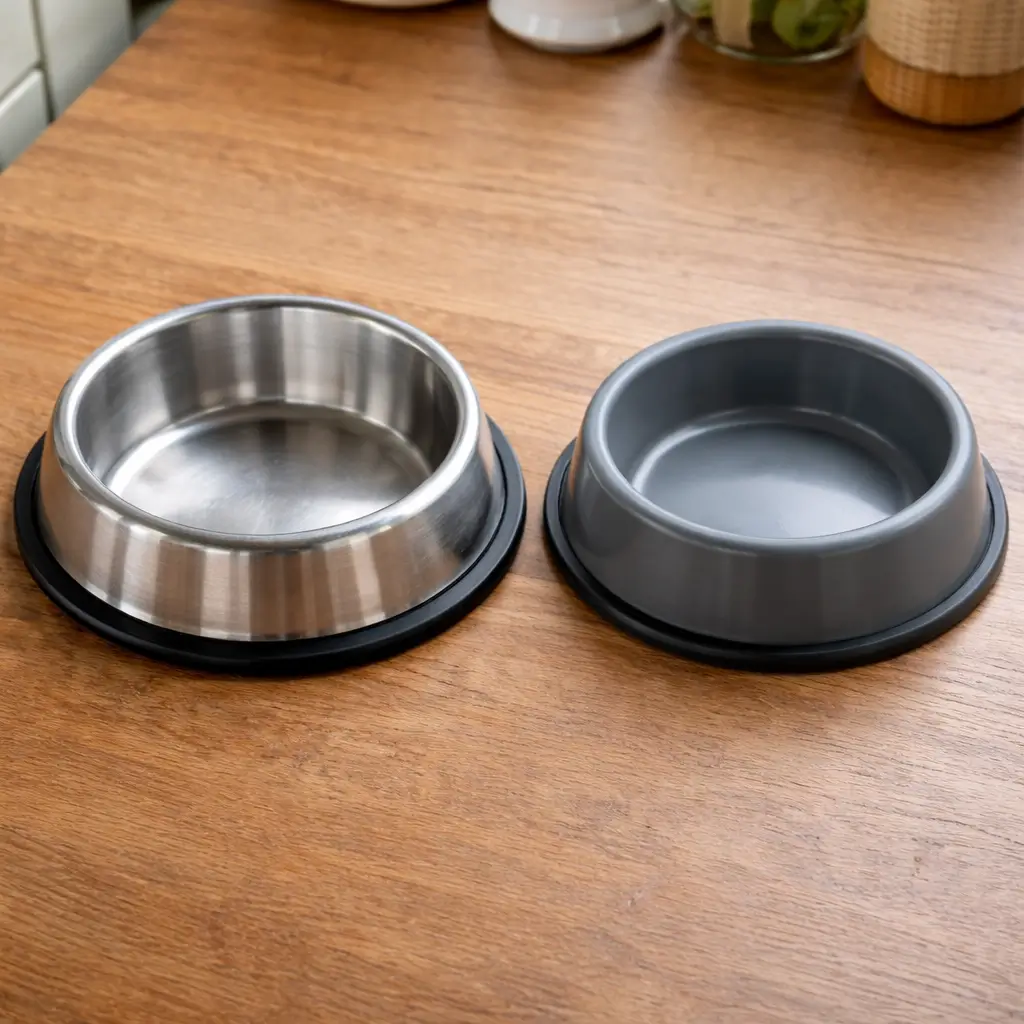
The bowl you choose significantly impacts cat food storage safety and overall hygiene.
Plastic Bowls: Convenient but Problematic
Plastic bowls present several concerns. The porous nature of most plastics allows scratches to develop over time. These microscopic scratches harbor bacteria, creating a perpetual contamination source even after washing.
Additionally, some cats develop a condition called “plastic dish dermatitis”—chin acne caused by bacterial contamination from plastic feeding bowls.
If you currently use plastic bowls, replace them frequently and avoid abrasive cleaning methods that accelerate scratching.
Stainless Steel: The Gold Standard
Stainless steel bowls offer significant advantages. The non-porous surface resists scratching and doesn’t harbor bacteria. Stainless steel cleans easily, tolerates dishwasher sanitization, and lasts indefinitely with proper care.
Choose bowls with weighted bottoms or rubber bases to prevent sliding and tipping.
Ceramic and Glass: Excellent Alternatives
Properly glazed ceramic bowls provide another excellent option. They’re non-porous, heavy enough to resist tipping, and come in attractive designs. Ensure any ceramic bowl you choose is food-safe and lead-free.
Glass bowls share ceramic’s non-porous benefits but may chip or break more easily.
The Biofilm Problem
Regardless of bowl material, biofilm buildup poses a hygiene concern. Biofilm is a slimy layer of bacteria that develops on surfaces in contact with food and moisture. You may have noticed this film on bowls that feel “slimy” even after rinsing.
Prevent biofilm through:
- Washing bowls with hot, soapy water after every meal
- Using a dedicated scrub brush for pet dishes
- Running bowls through the dishwasher regularly (if material permits)
- Replacing plastic bowls every few months
Frequently Asked Questions
Can I Just Smell the Food to Tell If It’s Safe?
Unfortunately, no. While obviously spoiled food often has detectable odors, bacterial contamination can reach dangerous levels before producing noticeable smell changes. Time and temperature remain your most reliable safety indicators.
Is It Okay to Add Water to Dried-Out Food?
Adding water to food that has dried out within the safe time window can improve palatability. However, adding water to food that’s been sitting beyond safe limits doesn’t eliminate bacterial contamination and may actually create a more hospitable environment for further bacterial growth.
Should I Warm Refrigerated Leftovers?
Gently warming refrigerated food is acceptable and often increases palatability. However, microwave heating can create hot spots that burn your cat’s mouth, so stir well and test temperature before serving. Alternatively, allow food to reach room temperature naturally.
My Cat Eats Slowly—What Should I Do?
Consider offering smaller, more frequent meals. Alternatively, explore puzzle feeders or slow-feeding bowls that keep cats engaged while eating. Some owners successfully use refrigerated feeding stations that keep food cool throughout the day.
Conclusion: Making Safety a Habit
Understanding how long can wet cat food sit out empowers you to protect your feline companion from preventable illness. The guidelines are straightforward: 1-2 hours represents the ideal maximum, with 4 hours as the absolute outer limit under favorable conditions. Beyond this, the risk simply isn’t worth taking.
By implementing proper storage practices—using airtight containers, choosing appropriate bowls, and maintaining strict hygiene—you create an environment where your cat can thrive. These habits, once established, become second nature.
Your cat depends on you to make safe choices on their behalf. The few extra minutes required for proper food handling pale in comparison to the peace of mind that comes from knowing you’re doing everything possible to keep your beloved pet healthy. When in doubt, remember this simple rule: when in doubt, throw it out. Your cat’s health is worth far more than any portion of wet food.