
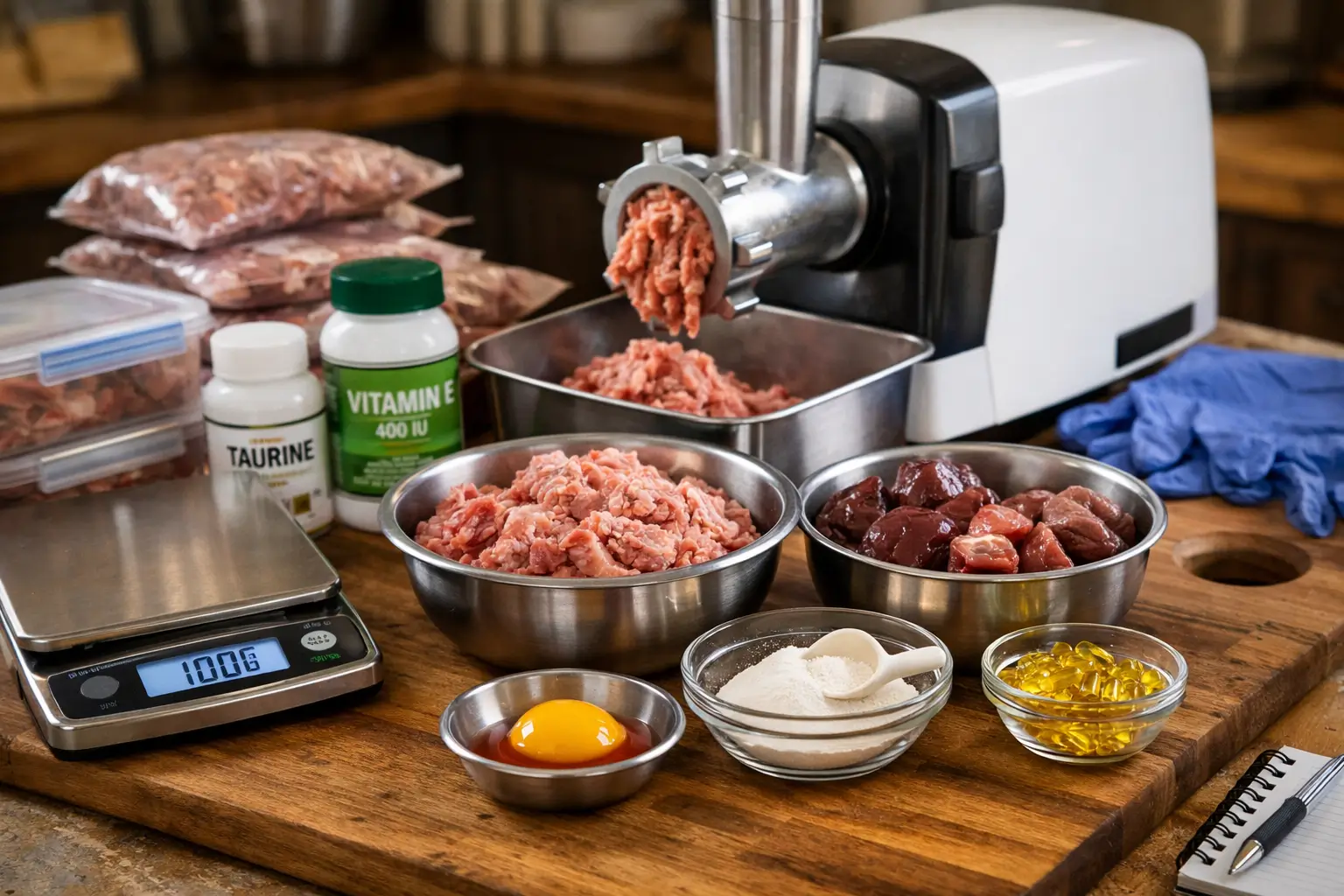
5 Essential Items for Preparing Healthy Raw Cat Food at Home

Switching to a raw cat food diet can feel overwhelming at first. When I first started exploring this option for my own cats, I found myself surrounded by conflicting information, vague instructions, and a genuine fear of getting it wrong. The stakes are high—we’re talking about our beloved companions’ health and wellbeing. But here’s the truth I’ve discovered after years of research and consultation with veterinary nutritionists: preparing raw cat food at home can be incredibly rewarding when done correctly, and it starts with having the right tools and knowledge at your disposal.
Table of Contents
In this comprehensive guide, I’ll walk you through the five essential items you need to prepare safe, nutritious raw cat food in your own kitchen. More importantly, I’ll explain why each item matters and how to use them effectively. By the end, you’ll have the confidence and practical knowledge to embark on this journey—or at least make an informed decision about whether it’s right for you and your feline friend.
What Is Raw Cat Food?
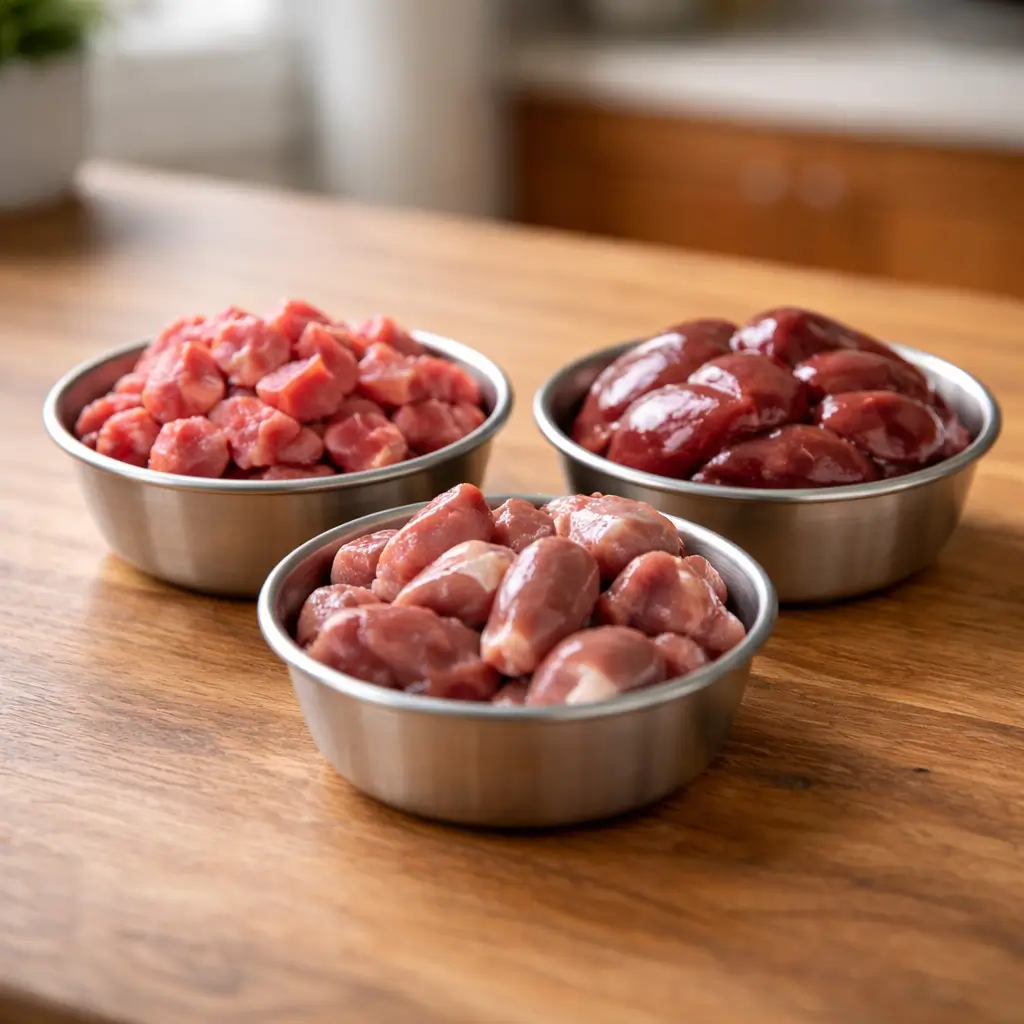
Raw cat food is a diet designed to mimic what cats would naturally eat in the wild, consisting primarily of uncooked muscle meat, organ meat, and bones. A properly formulated raw diet aims to replicate the nutritional profile of whole prey—small rodents, birds, and other animals that wild cats consume. This approach recognizes that cats are obligate carnivores with specific nutritional requirements that differ significantly from dogs and humans.
Why Choose Raw Cat Food for Your Feline Companion?
The appeal of raw feeding stems from the belief that uncooked, minimally processed foods more closely align with a cat’s evolutionary dietary needs. Proponents of raw cat food often report improvements in their cats’ coat quality, dental health, energy levels, and digestive function. The high moisture content of raw diets also supports urinary tract health, which is particularly beneficial given that cats evolved as desert animals with a low thirst drive.
However, I want to be transparent with you: raw feeding isn’t a magical solution, and it comes with genuine responsibilities and risks. Bacterial contamination, nutritional imbalances, and improper handling can all pose serious dangers. That’s precisely why having the right equipment and supplements isn’t just helpful—it’s absolutely essential.
The Difference Between Complete Meals and Complementary Treats
Before we dive into equipment, let’s clarify something critical that many new raw feeders misunderstand. There’s a fundamental difference between a complete and balanced meal and a complementary treat or topper.
A complete and balanced raw cat food diet meets all of your cat’s nutritional needs according to established guidelines like those from AAFCO (Association of American Feed Control Officials) or FEDIAF (European Pet Food Industry Federation). This means it provides appropriate levels of protein, fat, vitamins, minerals, amino acids like taurine, and essential fatty acids in the correct ratios.
Complementary foods, on the other hand, are meant to be fed alongside a complete diet—they don’t provide complete nutrition on their own. Many homemade cat treats and simple meat-based recipes fall into this category.
When preparing raw cat food at home, your goal should be creating complete and balanced meals—and that requires specific tools and supplements to achieve safely.
Item #1: A High-Quality Meat Grinder
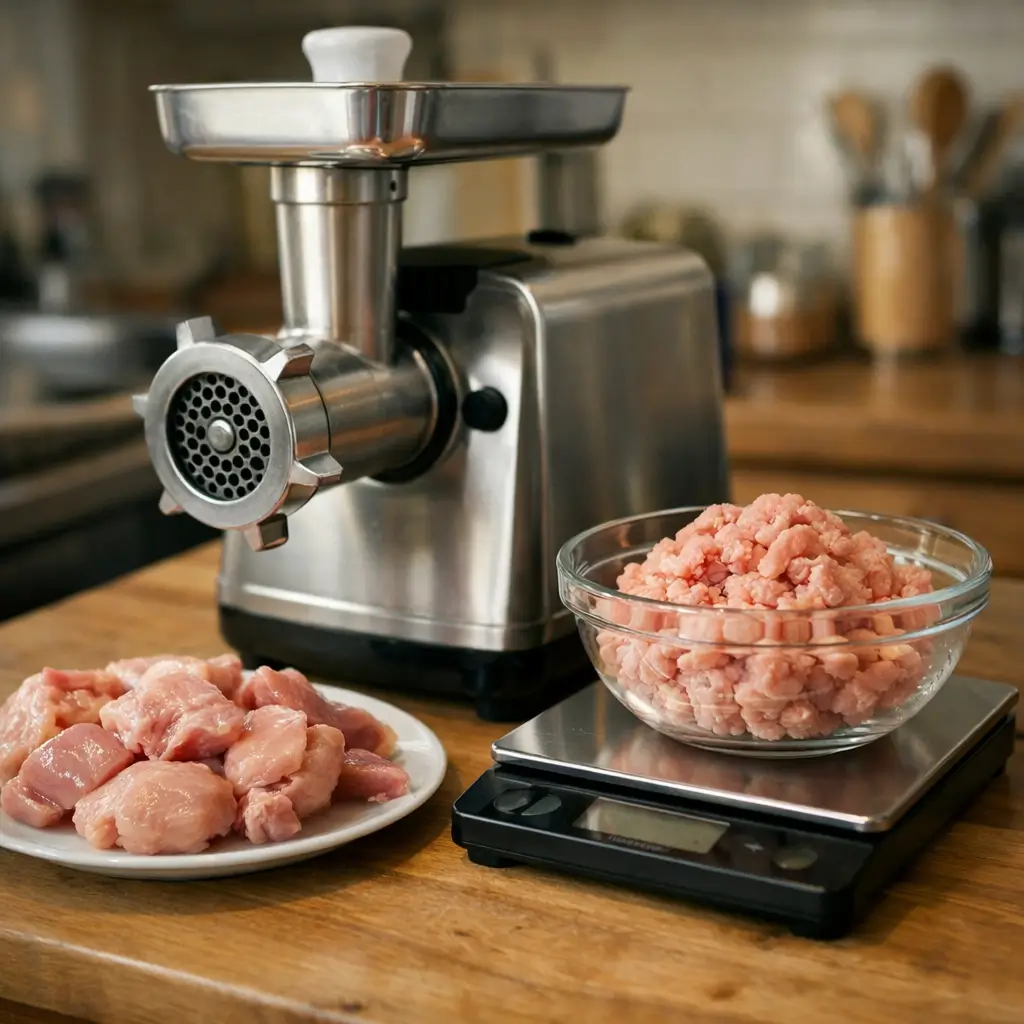
The foundation of any home raw feeding setup is a reliable meat grinder. This isn’t an optional convenience item; it’s a necessity for creating properly balanced raw cat food that your cat can safely consume and digest.
Why You Need a Dedicated Meat Grinder
Cats in the wild consume whole prey, including small, soft bones that provide essential calcium and phosphorus. Recreating this at home requires grinding raw meaty bones into a consistency your cat can safely eat. Pre-ground meats from grocery stores simply won’t cut it—they rarely include bone content, and you have no control over the meat-to-bone ratio.
A quality grinder also allows you to:
- Control ingredient freshness by grinding meat immediately before storage or feeding
- Create appropriate textures for cats who are transitioning from commercial foods
- Incorporate organ meats evenly throughout the mix, ensuring your cat gets necessary nutrients in every bite
What to Look for in a Meat Grinder
For raw cat food preparation, I recommend a grinder rated for at least size #12 that can handle raw poultry bones (chicken and rabbit bones work well—they’re soft enough to grind safely). Avoid small household grinders marketed for occasional use; they typically lack the power to process bones and will burn out quickly.
Key features to prioritize:
- Motor power of at least 500 watts (higher is better for bone grinding)
- Metal grinding plates and blades rather than plastic components
- Multiple plate sizes (fine and medium) for texture control
- Easy disassembly for thorough cleaning—this is crucial for food safety
Expect to invest between $150 and $400 for a grinder that will handle the demands of regular raw food preparation. This upfront cost pays for itself over time compared to purchasing pre-made commercial raw diets.
Grinding Safety Tips
Always keep meat and equipment cold during grinding. Bacteria multiply rapidly at room temperature, so work in small batches and return meat to the refrigerator between sessions. Clean and sanitize all grinder components immediately after use with hot, soapy water, followed by a diluted bleach solution or food-safe sanitizer.
Item #2: A Precision Digital Kitchen Scale
If there’s one piece of advice I wish someone had given me earlier, it’s this: never eyeball measurements when preparing raw cat food. A digital kitchen scale accurate to at least 1 gram is indispensable for creating nutritionally balanced meals.
Why Precise Measurements Matter
The difference between a balanced raw diet and a dangerously deficient one often comes down to grams. Organ meats, which provide essential vitamins, should comprise roughly 10-15% of the diet (with about 5% being liver specifically). Too little liver leads to vitamin A and B deficiency; too much can cause vitamin A toxicity. Similarly, bone content needs to fall within a specific range—typically around 7-10% of the total diet by weight—to maintain proper calcium-to-phosphorus ratios.
Supplements must also be measured with precision. Taurine, an amino acid cats cannot synthesize on their own, is typically added at approximately 2,000mg per kilogram of meat mixture. Small measuring errors, compounded over weeks and months, can have serious health consequences.
Choosing the Right Scale
Look for a digital scale with the following specifications:
- Capacity of at least 5kg (11 lbs) to weigh larger batches
- Accuracy to 1 gram (0.1g precision is even better for supplements)
- Tare function to zero out container weight
- Easy-to-clean surface that can be wiped down and sanitized
For measuring supplements specifically, consider a separate micro-scale accurate to 0.01 grams. These small, inexpensive scales (often marketed for jewelry or coffee) allow you to measure powdered supplements with the precision they require.
Item #3: Essential Nutritional Supplements
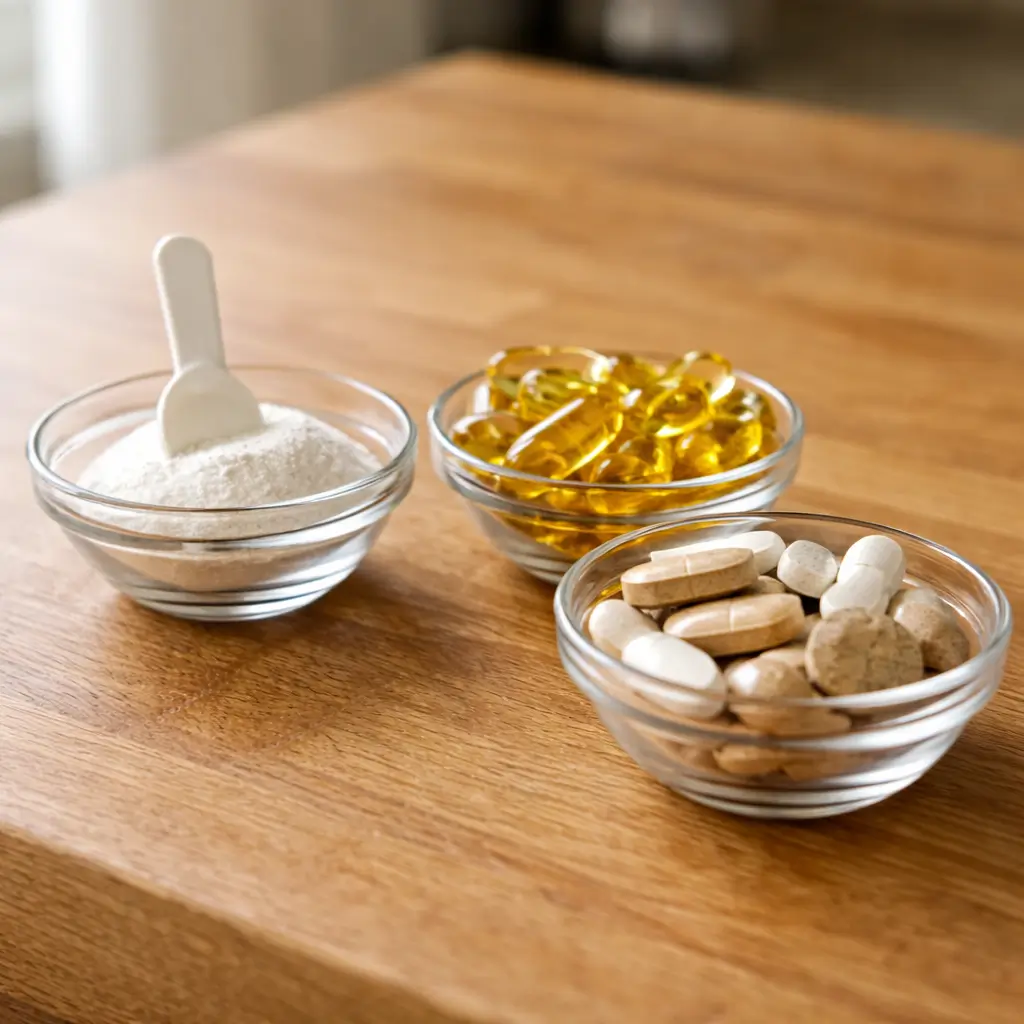
Here’s where many well-intentioned raw feeders go wrong: they assume that feeding a variety of meats automatically creates a balanced diet. Unfortunately, this isn’t true. Meat alone—even high-quality, varied meat—does not provide complete nutrition for cats.
A properly formulated raw cat food diet requires specific supplements to fill nutritional gaps and ensure your cat receives everything they need to thrive.
Taurine: The Non-Negotiable Amino Acid
Taurine is absolutely essential for cats. Unlike dogs and humans, cats cannot synthesize adequate taurine from other amino acids. Taurine deficiency leads to dilated cardiomyopathy (a serious heart condition), retinal degeneration causing blindness, reproductive problems, and immune dysfunction.
While raw meat contains taurine naturally (especially heart muscle), the grinding and storage process degrades it over time. For this reason, supplemental taurine should be added to all homemade raw diets at approximately 2,000mg per kilogram of food. Taurine is water-soluble, so toxicity from over-supplementation is extremely rare—excess is simply excreted.
Calcium and Bone Meal
If you’re grinding raw meaty bones into your food (as described above), you may not need additional calcium supplementation—the bones themselves provide it. However, if you’re using boneless meat for any reason, calcium supplementation becomes critical.
Calcium deficiency causes nutritional secondary hyperparathyroidism, a condition where the body leaches calcium from bones to maintain blood calcium levels. This leads to bone weakness, fractures, and severe pain.
Options for calcium supplementation include:
- Finely ground raw bone (when using a grinder capable of this)
- Bone meal powder (food-grade, not fertilizer-grade)
- Calcium carbonate or calcium citrate (when bone content is insufficient)
The calcium-to-phosphorus ratio should fall between 1:1 and 1.3:1. Meat is naturally high in phosphorus and low in calcium, so balancing this ratio is one of the most important aspects of raw diet formulation.
Vitamin E
Vitamin E acts as an antioxidant, protecting cells from oxidative damage. It’s particularly important in diets high in fatty fish due to their polyunsaturated fatty acid content. A general recommendation is approximately 400 IU of vitamin E per kilogram of food, though this varies based on fat content and source.
Fish Oil (Omega-3 Fatty Acids)
Wild prey animals provide omega-3 fatty acids that are largely absent from commercially raised poultry and livestock. Supplementing with fish oil or wild-caught oily fish (like sardines or mackerel) helps provide EPA and DHA, which support skin health, coat quality, cognitive function, and reduce inflammation.
Be cautious with fish oil supplementation: excessive amounts can interfere with vitamin E absorption and increase vitamin E requirements. Balance is key.
Vitamin B Complex
While raw liver provides significant B vitamins, some raw feeders add a vitamin B complex supplement for insurance, particularly if using frozen meat that may have lost some B vitamin content during storage.
A Word About Pre-Made Supplement Mixes
Several companies offer pre-formulated supplement mixes designed specifically for raw cat food preparation. These can simplify the process significantly and reduce the risk of measurement errors. If you’re new to raw feeding, I strongly recommend starting with a reputable commercial supplement mix before attempting to balance individual supplements on your own.
Item #4: Food-Safe Storage Containers and Freezer Organization
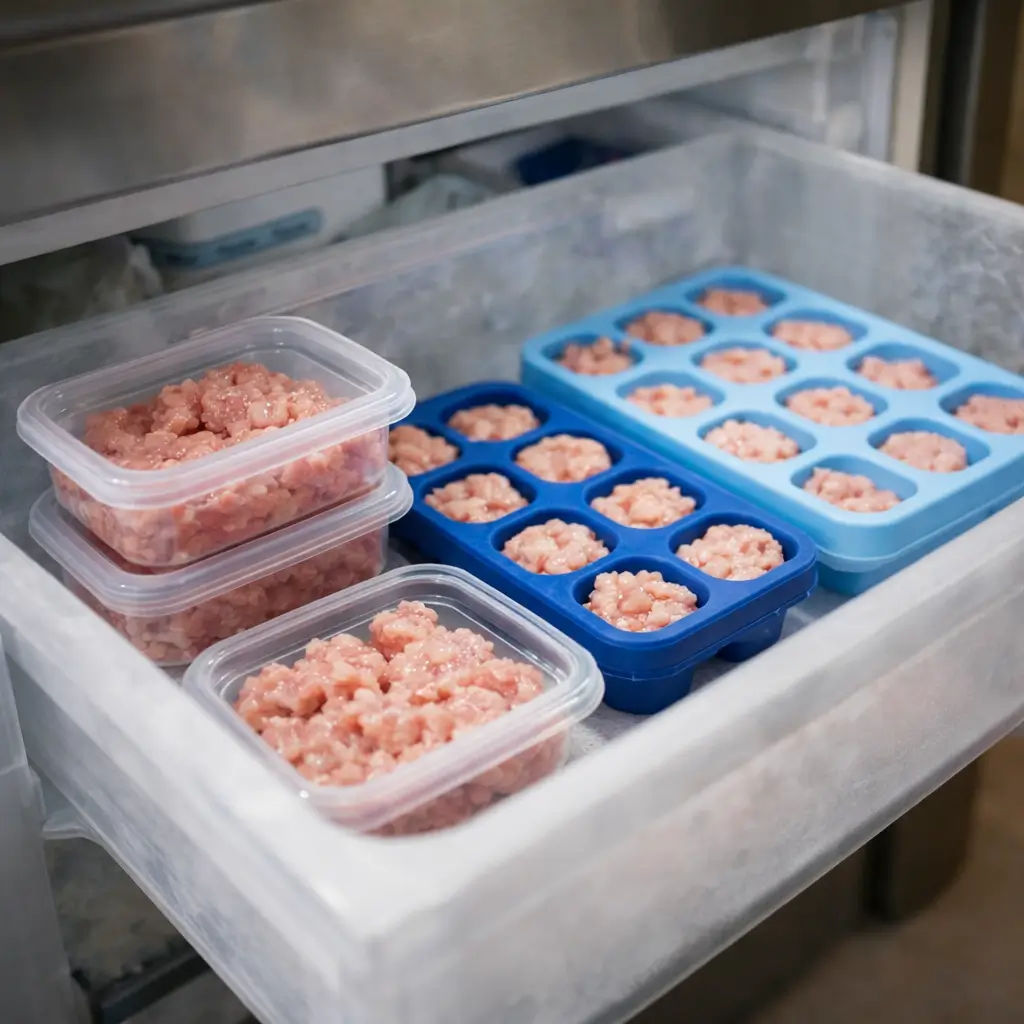
Raw cat food preparation is typically done in batches—preparing several weeks’ or even months’ worth of food at once. Proper storage is essential for maintaining food safety and nutritional quality.
Why Storage Matters
Bacterial contamination is the most significant risk associated with raw feeding. Pathogens like Salmonella, E. coli, and Listeria can multiply rapidly in improperly stored raw meat, posing risks to both your cat and your human family members. Proper storage minimizes these risks while preserving nutrient content.
Essential Storage Supplies
Freezer-safe containers or bags: Invest in high-quality containers specifically designed for freezer use. Glass containers with airtight lids work well for short-term refrigerator storage and are easy to sanitize. For longer freezer storage, vacuum-sealed bags remove air and prevent freezer burn.
Silicone ice cube trays or molds: These are invaluable for portioning individual meals. Fill them with your prepared raw food mixture, freeze until solid, then pop out the portions and transfer to freezer bags. This allows you to thaw exactly what you need without repeatedly handling large batches.
Labels and markers: Every batch should be labeled with the protein source, date prepared, and any notes about supplementation. This helps with inventory rotation (first in, first out) and allows you to track what your cat tolerates well.
Storage Guidelines
- Refrigerated raw food should be fed within 2-3 days
- Frozen raw food maintains quality for approximately 3-4 months
- Thaw food in the refrigerator, never at room temperature
- Never refreeze previously thawed raw food
Item #5: Food Safety and Sanitation Supplies
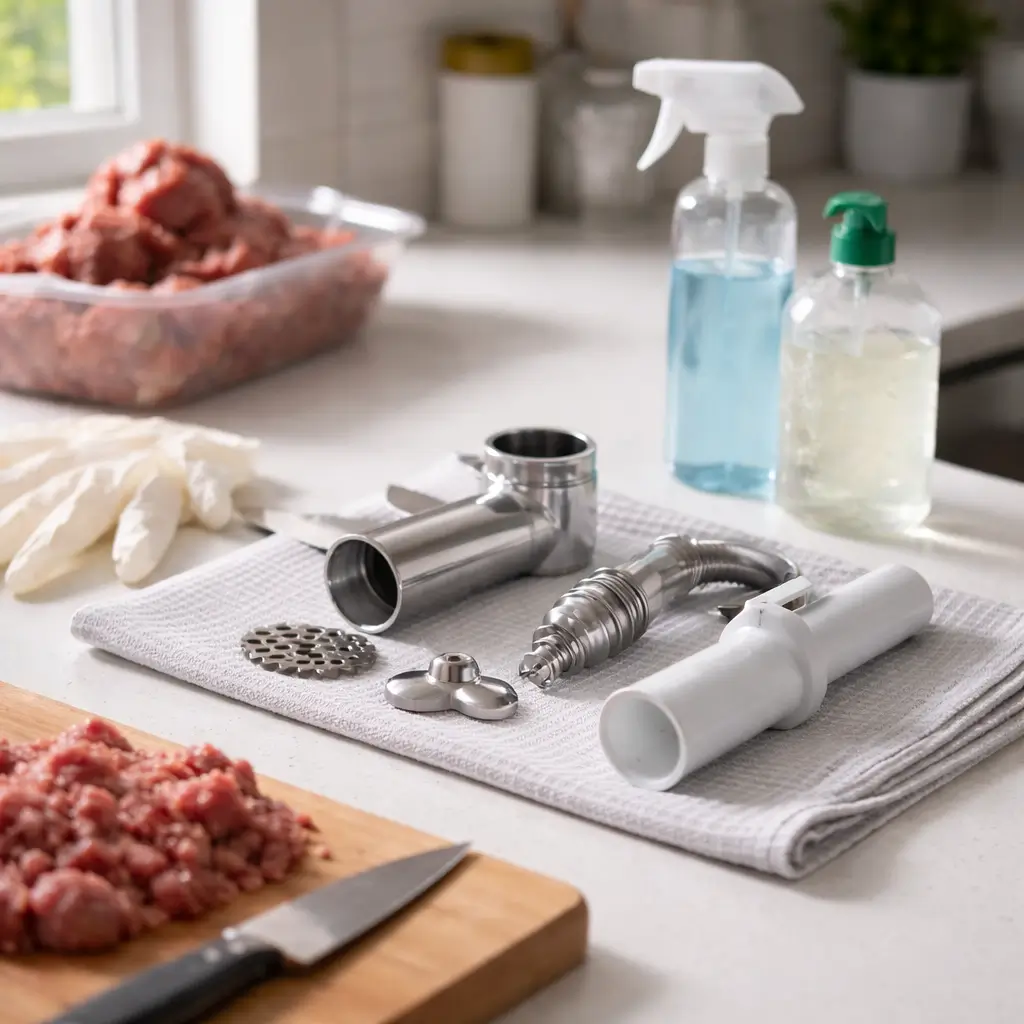
The final essential category encompasses everything you need to handle raw meat safely and protect both your cat and your household from foodborne illness.
Dedicated Preparation Surfaces
Use cutting boards and surfaces designated exclusively for raw pet food preparation. Color-coded cutting boards help prevent cross-contamination with human food preparation areas. After each use, sanitize surfaces thoroughly with a diluted bleach solution (one tablespoon per gallon of water) or a food-safe sanitizer.
Disposable Gloves
While not strictly necessary if you wash your hands thoroughly, nitrile or latex gloves add an extra layer of protection when handling raw meat, especially when grinding or mixing supplements. They’re particularly useful if you have cuts or abrasions on your hands.
Cleaning Supplies
Maintain a dedicated set of brushes, sponges, and towels for raw food equipment. Wash these separately from household cleaning supplies and replace them regularly. A bottle brush is essential for cleaning grinder components, particularly the small crevices where meat residue can accumulate.
Hand Hygiene
This may seem obvious, but it bears repeating: wash your hands thoroughly before and after handling raw meat, after touching your cat’s food bowl, and before touching other surfaces in your home. Raw feeding requires a heightened awareness of hand hygiene to prevent spreading potentially harmful bacteria.
Before we dive into specific recipes, it’s important to be clear about their role. The following formulations are based on commonly used raw-feeding models and practical experience, not on individual laboratory analysis of each batch. They are intended as educational examples to illustrate how balanced raw meals can be structured at home.
Nutrient needs can vary significantly between individual cats (kittens, seniors, pregnant or lactating queens, and cats with medical conditions often require special adjustments). For that reason, these recipes should not be viewed as a substitute for a diet formulated and reviewed by a board‑certified veterinary nutritionist or a reputable commercial complete-and-balanced product.
Sample Balanced Raw Cat Food Recipes
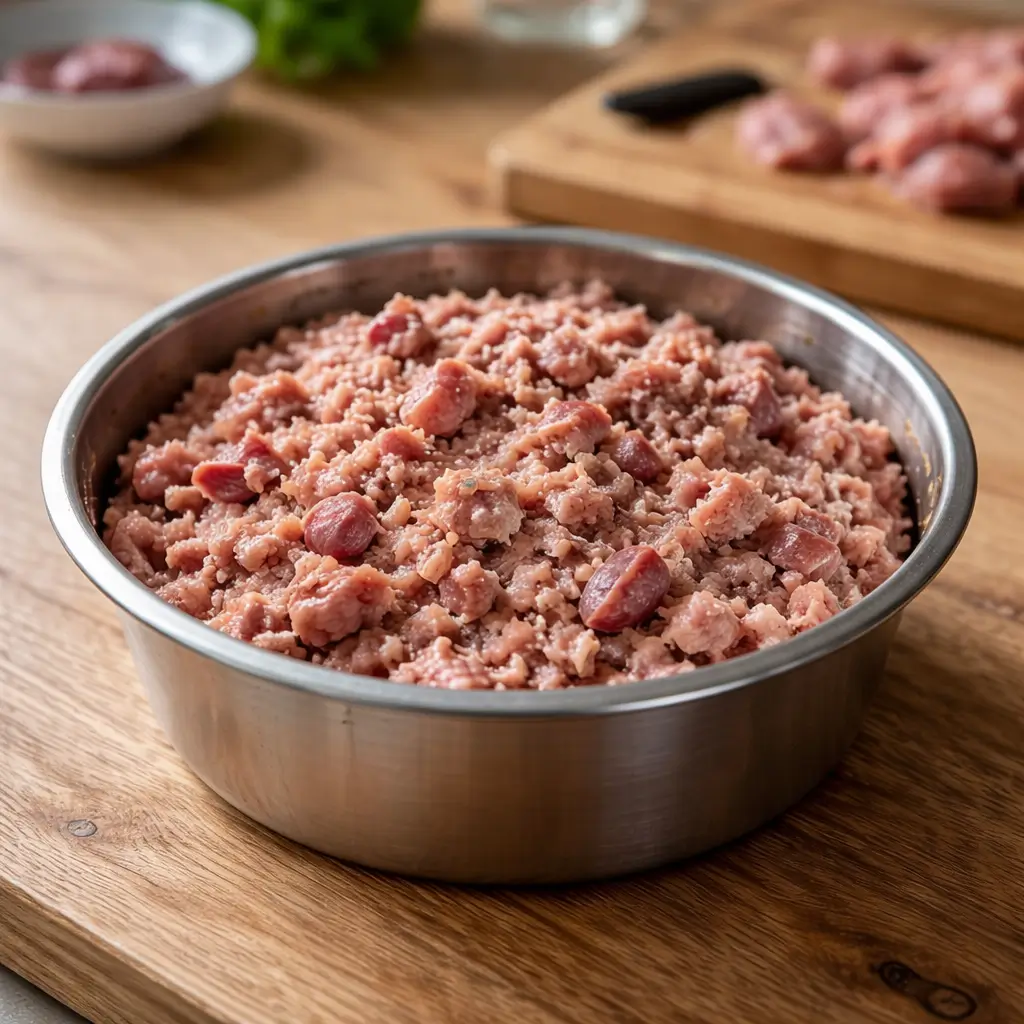
Now let’s bridge the gap between theory and practice. The following recipes are designed to meet feline nutritional requirements, but please consult with your veterinarian or a board-certified veterinary nutritionist before implementing them. Every cat is different, and factors like age, weight, health status, and activity level influence nutritional needs.
Important Medical Warnings:
- Cats with chronic kidney disease may require reduced protein levels. Do not feed high-protein raw diets to these cats without veterinary guidance.
- Cats with pancreatitis may not tolerate high-fat diets. Lean protein sources and careful fat control are essential.
- Chicken and fish are common allergens for some cats. If your cat shows signs of food allergy (itching, digestive upset, ear infections), consider alternative proteins.
Foods That Are Toxic to Cats and Must Never Be Included:
- Onions and garlic (all forms)
- Grapes and raisins
- Chocolate
- Xylitol (artificial sweetener)
- Raw egg whites in excess (can cause biotin deficiency)
- Alcohol
Recipe 1: Chicken-Based Raw Cat Food
This recipe uses bone-in chicken thighs as the base, providing an appropriate calcium-to-phosphorus ratio without additional bone meal supplementation.
Ingredients (Makes approximately 1kg of food):
| Ingredient | Amount |
|---|---|
| Bone-in chicken thighs (with skin) | 800g |
| Chicken liver | 50g |
| Chicken heart (or other secreting organ) | 50g |
| Chicken gizzard (optional, for variety) | 50g |
| Raw egg yolk | 1 large (about 20g) |
| Water or low-sodium chicken broth | 50ml |
Supplements (per kg of finished food):
| Supplement | Amount |
|---|---|
| Taurine powder | 2,000mg (2g) |
| Vitamin E (d-alpha tocopherol) | 400 IU |
| Fish oil (wild-caught) | 5ml |
| Vitamin B complex | Per manufacturer’s dosing |
Preparation Steps:
- Ensure all ingredients are fresh and have been properly refrigerated or frozen. Check for any off odors or discoloration.
- Set up your grinding station with clean, sanitized equipment. Keep meat cold throughout the process—work in a cool room or in small batches.
- Remove excess bone if necessary. Chicken thighs contain a good bone-to-meat ratio, but you may need to adjust. The finished product should contain roughly 7-10% bone by weight.
- Grind the chicken thighs (including bone and skin) through your meat grinder using a medium plate. Work efficiently to minimize time at room temperature.
- Grind the liver, heart, and gizzard separately using a fine plate for smoother incorporation.
- Combine ground meats in a large, clean mixing bowl.
- Add the egg yolk and water/broth. The liquid helps with mixing and adds moisture.
- Weigh and add supplements. Use your precision scale to measure each supplement accurately. Mix thoroughly to ensure even distribution.
- Portion immediately into storage containers or silicone molds. Label with the date and contents.
- Store in the freezer within 30 minutes of preparation. Refrigerate only what will be fed within 2-3 days.
Feeding Guidelines:
An average adult cat (4-5kg/9-11lbs) requires approximately 25-35 grams of raw food per kilogram of body weight daily, divided into two meals. Adjust portions based on your cat’s condition—increase slightly for active or underweight cats, decrease for less active or overweight cats. Monitor your cat’s weight weekly and adjust accordingly.
Recipe 2: Rabbit-Based Raw Cat Food
Rabbit is an excellent protein source for cats with poultry sensitivities. Its meat is lean, and rabbit bones are small and soft enough to grind easily.
Ingredients (Makes approximately 1kg of food):
| Ingredient | Amount |
|---|---|
| Whole rabbit (with bone) or bone-in rabbit pieces | 800g |
| Rabbit liver (or chicken liver if unavailable) | 50g |
| Rabbit kidney or heart | 50g |
| Raw egg yolk | 1 large (about 20g) |
| Water | 50ml |
Supplements (per kg of finished food):
| Supplement | Amount |
|---|---|
| Taurine powder | 2,000mg (2g) |
| Vitamin E (d-alpha tocopherol) | 400 IU |
| Fish oil (wild-caught) | 5ml |
| Vitamin B complex | Per manufacturer’s dosing |
Preparation Steps:
- If using whole rabbit, remove the head and feet (these are too bony for most grinders). The remainder, including the spine, ribs, and leg bones, can typically be ground.
- Cut rabbit into pieces small enough to fit your grinder’s feeding tube.
- Follow the same grinding and mixing procedure as the chicken recipe above.
- Note: Rabbit is leaner than chicken, so your cat may require slightly larger portions or the addition of a small amount of animal fat for adequate calorie intake. Monitor your cat’s weight and energy levels.
Recipe 3: Beef-Based Raw Cat Food (With Bone Meal)
Beef provides variety and is well-tolerated by many cats. However, beef bones are too dense for home grinding, so this recipe uses boneless meat with added calcium.
Ingredients (Makes approximately 1kg of food):
| Ingredient | Amount |
|---|---|
| Lean ground beef (or beef chunks to grind) | 750g |
| Beef heart | 100g |
| Beef liver | 50g |
| Beef kidney | 50g |
| Raw egg yolk | 1 large (about 20g) |
| Water | 50ml |
Supplements (per kg of finished food):
| Supplement | Amount |
|---|---|
| Taurine powder | 2,000mg (2g) |
| Bone meal (food-grade) or calcium carbonate | According to package directions to achieve 1:1 Ca ratio |
| Vitamin E (d-alpha tocopherol) | 400 IU |
| Fish oil (wild-caught) | 5ml |
| Vitamin B complex | Per manufacturer’s dosing |
Preparation Steps:
- Since no bone is included, calcium supplementation is critical. Food-grade bone meal is preferred as it contains both calcium and phosphorus in a natural ratio. Follow manufacturer’s instructions for the amount needed per kilogram of boneless meat.
- Grind or mix beef muscle meat with organ meats. If using pre-ground beef, simply mix well with ground organs.
- Combine all ingredients and supplements in a clean bowl, mixing thoroughly.
- Portion and freeze as described in previous recipes.
Transitioning Your Cat to Raw Cat Food
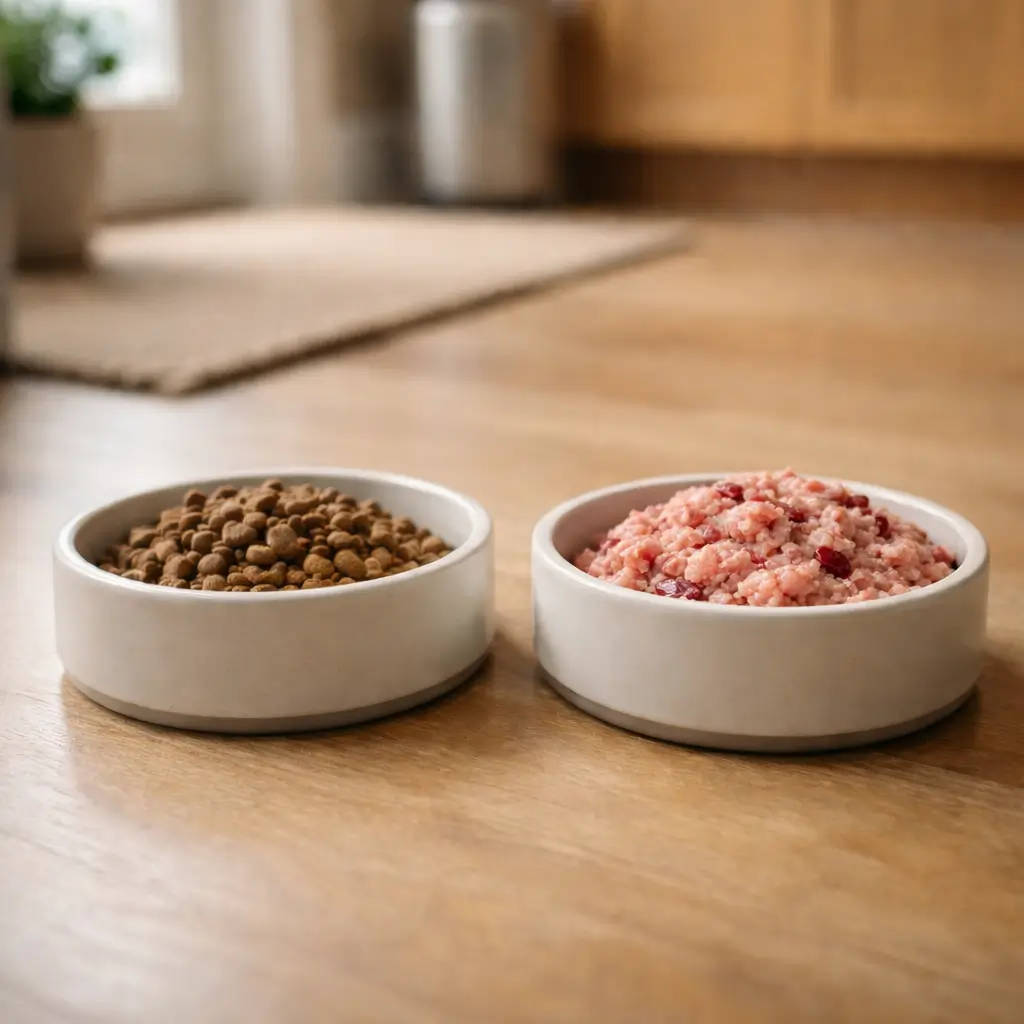
Even with perfect preparation, your cat may not immediately embrace their new diet. Cats are notoriously neophobic (fearful of new things), and many have spent their entire lives eating processed kibble or canned food.
Gradual Transition Tips
Week 1-2: Offer a tiny amount of raw food (1/4 teaspoon) alongside their regular food. Don’t force it—let them investigate at their own pace.
Week 3-4: Gradually increase the raw food portion while decreasing commercial food. Aim for 25% raw by the end of this period.
Week 5-8: Continue increasing raw food to 50%, then 75%, and finally 100%.
Some cats transition within days; others may take months. Patience is essential. Never let a cat go more than 24 hours without eating, as this can trigger hepatic lipidosis (fatty liver disease), a potentially fatal condition.
When to Consult a Veterinarian
Raw cat food preparation is a significant responsibility. I strongly recommend consulting with a veterinarian before making any dietary changes, particularly if your cat has:
- Chronic kidney disease (protein and phosphorus modifications may be needed)
- Diabetes (dietary changes affect insulin requirements)
- Pancreatitis (fat content must be carefully controlled)
- Inflammatory bowel disease (novel proteins may be beneficial)
- Any immune-compromising condition (raw diets may pose increased bacterial risks)
- History of food allergies (protein selection is critical)
Even for healthy cats, an annual wellness check provides an opportunity to discuss diet and ensure your raw feeding approach is meeting your cat’s needs.
Conclusion: Is Homemade Raw Cat Food Right for You?
Preparing raw cat food at home is a labor of love that requires commitment, knowledge, and the right equipment. The five essential items we’ve discussed—a quality meat grinder, precision scale, appropriate supplements, proper storage containers, and food safety supplies—form the foundation of safe, nutritious raw feeding.
Raw cat food done correctly can be a wonderful way to provide species-appropriate nutrition. But I want to leave you with this honest assessment: raw feeding isn’t for everyone. It requires time, diligence, and a willingness to learn continuously. The risks of nutritional imbalance and bacterial contamination are real, and they demand respect.
If you decide to pursue this path, do so with your eyes open. Work with your veterinarian. Invest in quality equipment. Measure precisely. And never stop learning. Your cat depends on you to get this right—and with the right preparation, you absolutely can.
Your cat’s health and happiness are worth the effort. And there’s something deeply satisfying about knowing exactly what goes into every meal you prepare for your beloved companion.