
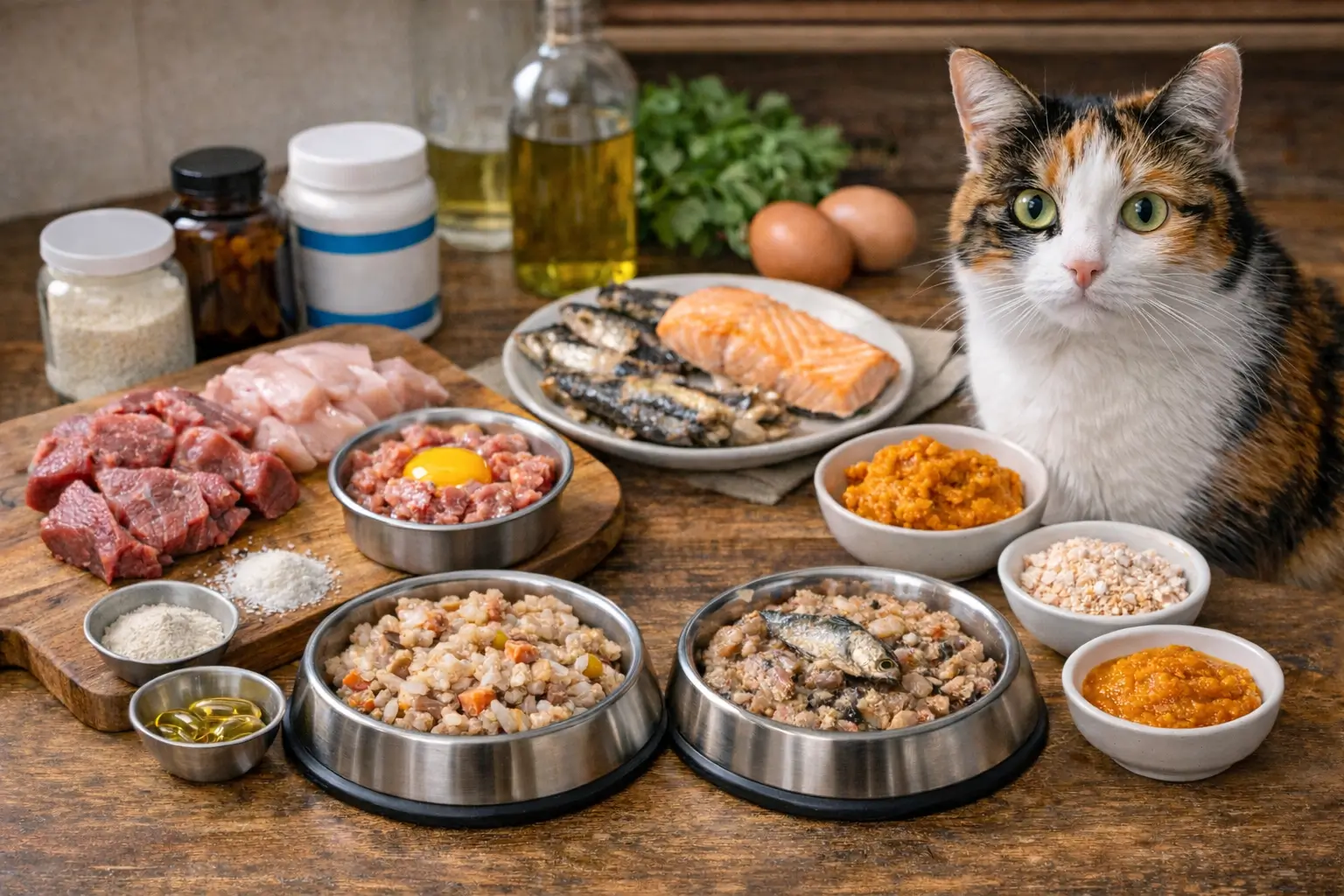
5 Vet Approved Homemade Cat Food Recipes: Healthy & Easy

When I first started exploring homemade meals for my cats, I felt overwhelmed. The commercial pet food aisle offered endless options, yet I couldn’t shake the nagging feeling that I could do better. Perhaps you’re here because you’ve felt the same way—scrolling through ingredient lists you can’t pronounce, worrying about recalls, or simply wanting to show your feline companion a little extra love through wholesome, home-cooked nutrition.
Table of Contents
The good news? Preparing vet approved homemade cat food recipes isn’t as complicated as it might seem. With the right knowledge, careful ingredient selection, and—most importantly—proper supplementation, you can create balanced homemade cat food that rivals or even surpasses many commercial options. In this guide, I’ll walk you through five distinct, nutritionally sound recipes that prioritize your cat’s health while remaining genuinely easy to prepare.
But first, let’s establish something crucial: homemade cat food done wrong can be dangerous. Done right, however, it can be transformative for your cat’s wellbeing.
Important Disclaimer: The recipes in this article are provided for educational purposes only. Before switching your cat to a homemade diet, consult with your veterinarian or a board-certified veterinary nutritionist (DACVN) to ensure the diet is appropriate for your individual cat’s health status, age, and specific needs.
Why Choose Vet Approved Homemade Cat Food Recipes?
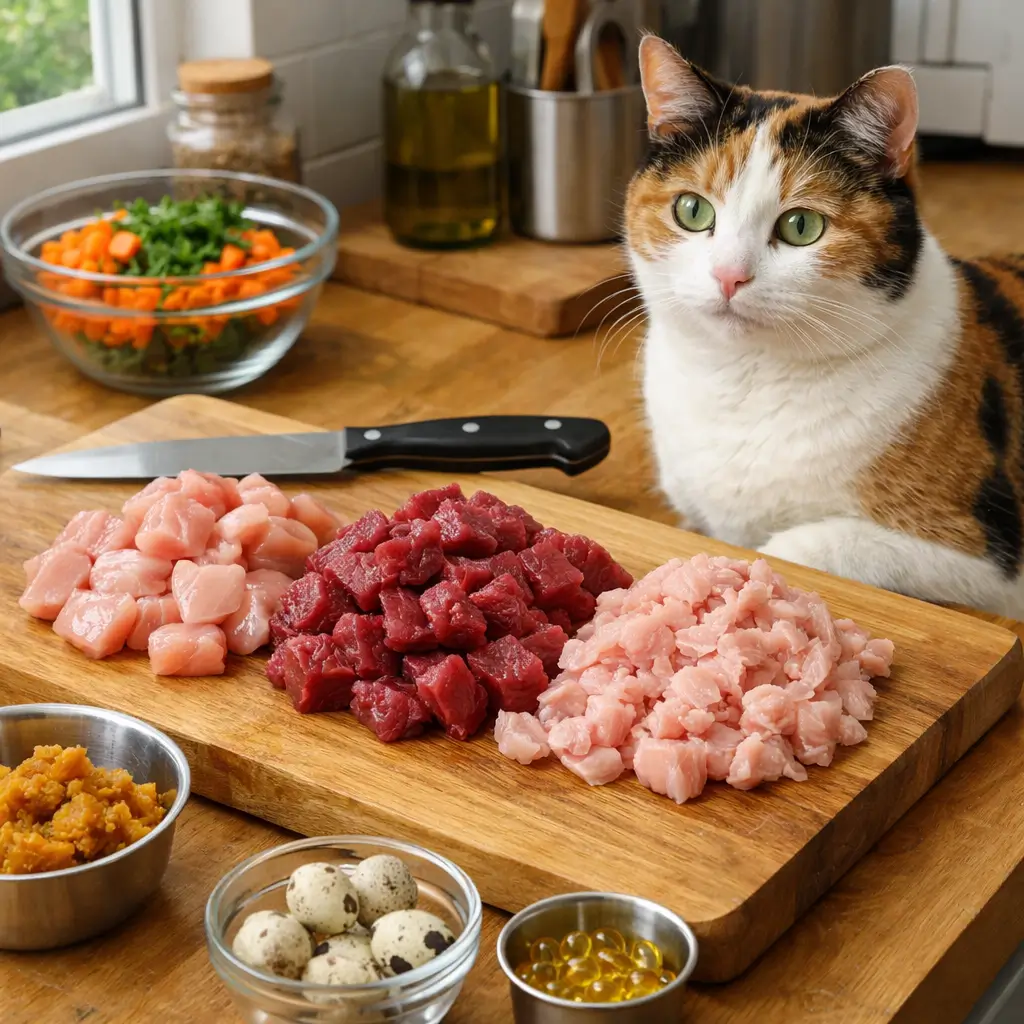
Vet approved homemade cat food recipes are carefully formulated meals prepared at home that aim to meet feline nutritional requirements established by organizations like AAFCO (Association of American Feed Control Officials). These recipes include appropriate protein sources, essential amino acids like taurine, proper calcium-to-phosphorus ratios, and necessary vitamins to work toward complete and balanced nutrition for cats.
The appeal of DIY cat food extends beyond simple ingredient control. When you prepare healthy cat meals at home, you know exactly what goes into your cat’s bowl. There are no mysterious meat by-products, no artificial preservatives with decades-long shelf lives, and no ambiguity about sourcing. For cats with food sensitivities or picky eating habits, homemade options offer unprecedented customization.
However, I want to be absolutely clear: the term “vet approved” carries real weight. It means these recipes have been formulated with feline-specific nutritional science in mind, not simply thrown together because the ingredients seem healthy to us humans. Cats are obligate carnivores with unique metabolic requirements that differ dramatically from dogs, humans, or other pets. What works for us could harm—or even kill—them.
A critical note: While these recipes are designed based on established nutritional principles, true “vet approval” means having a qualified veterinary professional review the diet for your specific cat. Individual cats may have unique requirements based on their health status, age, activity level, and medical history.
The Nutritional Pillars of Healthy Cat Meals: Why Meat Alone Isn’t Enough
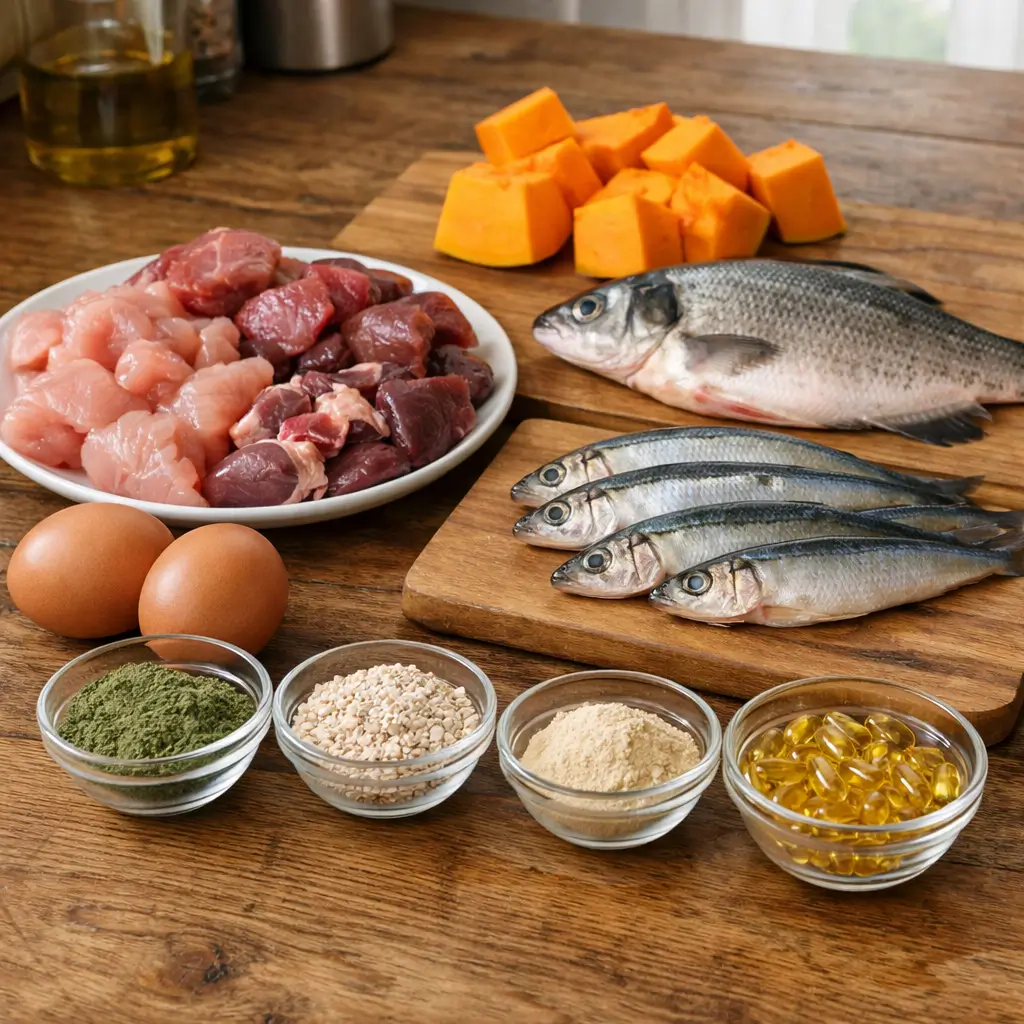
Before we dive into the recipes themselves, understanding the “why” behind feline nutrition will make you a more confident home chef for your cat. This knowledge is what separates safe, balanced homemade cat food from well-intentioned but nutritionally incomplete meals.
Protein: The Foundation of Feline Health
Cats require significantly more protein than dogs or humans. According to AAFCO guidelines, adult cat food should contain a minimum of 26% protein on a dry matter basis, while growing kittens need at least 30%. But it’s not just about quantity—protein quality matters enormously. Animal-based proteins provide the complete amino acid profile cats need, which is why every recipe in this guide centers on high-quality meat sources.
Taurine: The Non-Negotiable Amino Acid
Here’s where many well-meaning cat owners make critical errors. Taurine is an amino acid that cats cannot synthesize in sufficient quantities on their own. Without adequate dietary taurine, cats develop dilated cardiomyopathy (a potentially fatal heart condition), retinal degeneration leading to blindness, and reproductive problems. While raw meat naturally contains taurine, cooking degrades it significantly. This is precisely why every single recipe below includes taurine supplementation. There are no exceptions, no shortcuts, and no “optional” labels on this requirement.
Calcium and the Calcium-to-Phosphorus Ratio
Meat is rich in phosphorus but contains almost no calcium. If you feed your cat plain cooked chicken—even organic, free-range chicken—without calcium supplementation, you’re setting them up for severe bone demineralization, fractures, and metabolic imbalances. The ideal calcium-to-phosphorus ratio for cats falls between 1:1 and 1.3:1, with some sources recommending up to 2:1. Achieving this requires either bone meal, eggshell powder, or a commercial calcium supplement added to every batch of food. The exact amount needed depends on the phosphorus content of the meat used, so following a formulated recipe or using a complete supplement premix is essential.
Fat and Essential Fatty Acids
Dietary fat provides concentrated energy and enables absorption of fat-soluble vitamins (A, D, E, and K). Cats also require arachidonic acid, an omega-6 fatty acid they cannot produce internally. Animal fats—particularly from poultry—naturally provide this. Omega-3 fatty acids from fish oil support skin health, coat quality, and may help with inflammatory conditions.
Water Content: The Hidden Advantage of Homemade
One significant benefit of easy cat food recipes prepared at home is moisture content. Cats evolved as desert animals who obtained most of their water from prey. Many domestic cats exist in a state of chronic mild dehydration when fed exclusively dry kibble. Homemade diets typically contain 60-70% moisture, which may support kidney health and urinary tract function.
Vitamins and Minerals: Completing the Picture
Muscle meat lacks adequate vitamin E, vitamin B complex, iodine, and certain trace minerals when fed in isolation. A comprehensive DIY cat food supplement or carefully selected individual supplements fills these gaps. Vitamin D is particularly important for cats, as they cannot synthesize it from sunlight the way humans do.
Essential Supplements for Balanced Homemade Cat Food
Before presenting the recipes, let me outline the supplements you’ll need. I recommend purchasing these in advance and keeping them stocked in your kitchen.
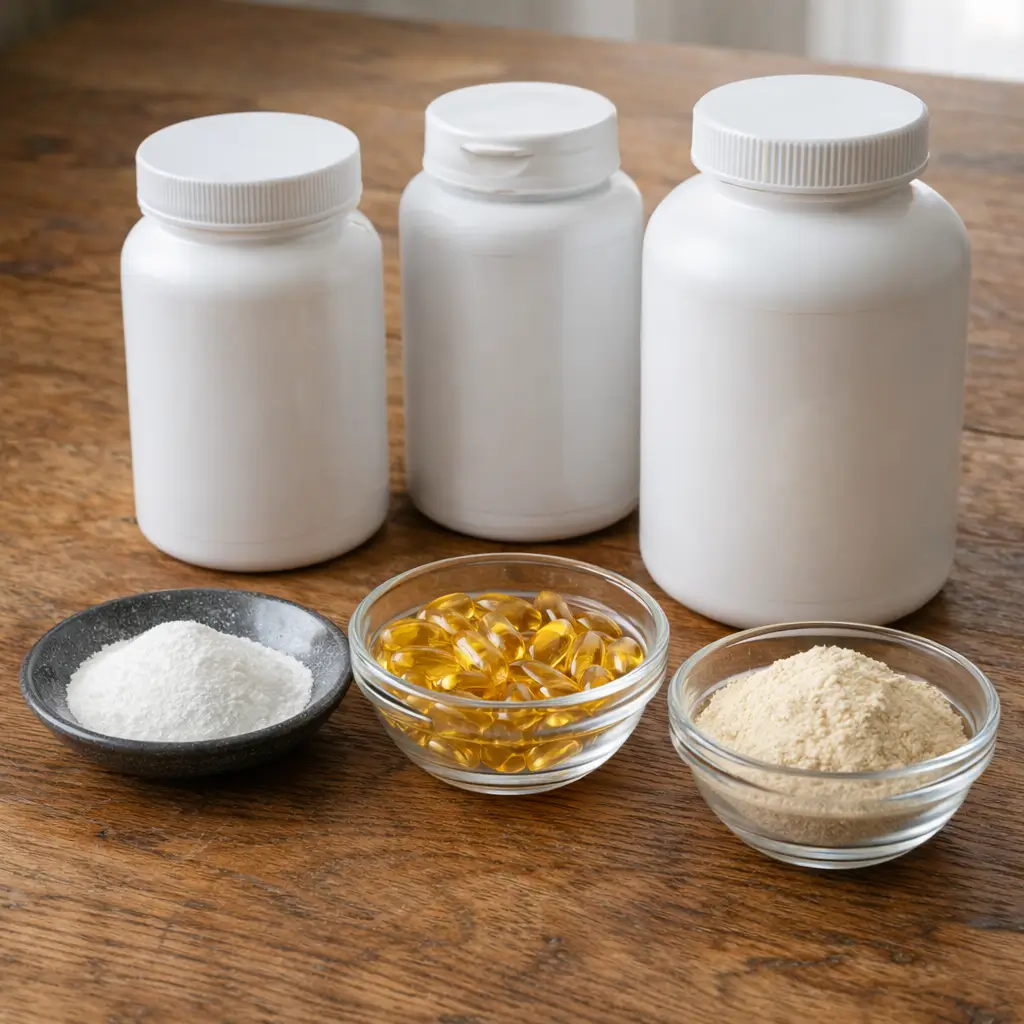
Taurine powder is available from pet supplement suppliers. The National Research Council recommends a minimum of 400mg taurine per kg of diet (dry matter basis) for adult cats. For practical purposes in cooked diets, supplementing approximately 250-500mg per day for an adult cat is commonly recommended, though individual needs may vary. Bone meal or calcium carbonate provides essential calcium; the amount needed varies based on the meat’s phosphorus content, but generally 1/2 to 1 teaspoon bone meal per pound of boneless meat helps achieve proper ratios. Always verify with your specific product’s instructions. Fish oil supplies omega-3 fatty acids—use a product specifically designed for pets, and follow dosing instructions on the product label. Vitamin B complex for cats addresses B-vitamin needs, as these water-soluble vitamins are partially lost during cooking. Vitamin E (in the form of d-alpha tocopherol) provides antioxidant protection and nutritional completeness. Additionally, iodine (often provided through iodized salt in small amounts or kelp) and vitamin D are essential nutrients that must be addressed.
My strong recommendation: For those preparing homemade cat food, using a comprehensive premix supplement specifically designed for this purpose—such as Balance IT, TCfeline, or Alnutrin—is the safest approach. These products are formulated by veterinary nutritionists to provide all necessary nutrients in proper proportions when mixed with specified amounts of meat. This approach eliminates much of the guesswork and significantly reduces the risk of nutritional imbalances. Follow the manufacturer’s instructions exactly.
The 5 Vet Approved Homemade Cat Food Recipes
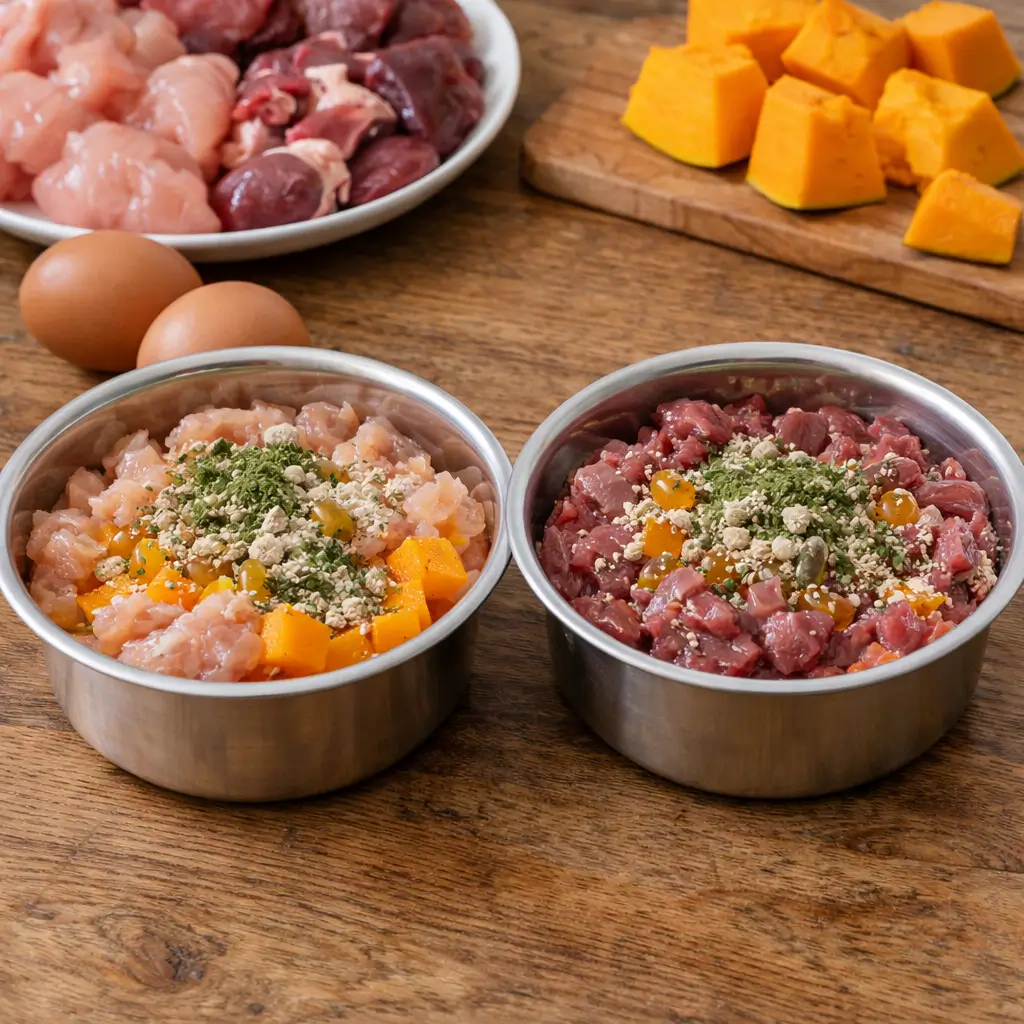
Now for the heart of this guide: five distinct, healthy, and genuinely easy-to-make recipes. Each recipe should be prepared with a complete vitamin and mineral premix supplement designed for homemade cat food, following the manufacturer’s directions for the amount of meat used.
Critical reminder: These recipes are starting points. For complete assurance of nutritional adequacy, have your chosen recipe reviewed by a board-certified veterinary nutritionist or use the consultation services offered by companies like Balance IT, which provide customized recipes based on your cat’s specific needs.
Recipe 1: The Classic Chicken Comfort
Why It’s Healthy: Chicken thigh meat provides high-quality protein with naturally occurring taurine and arachidonic acid. The moderate fat content makes this suitable for most adult cats, while the added liver supplies essential vitamin A and B vitamins in their most bioavailable form.
Why It’s Easy: Using boneless, skinless chicken thighs requires minimal preparation, and the cooking method is straightforward stovetop simmering.
Ingredients:
- 450g (1 lb) boneless, skinless chicken thighs
- 30g (1 oz) chicken liver (do not exceed this amount—liver is high in vitamin A)
- 60ml (1/4 cup) water (for cooking; reserve cooking liquid)
Essential Supplements (per batch):
Use a complete feline supplement premix (such as TCfeline or Balance IT) according to the manufacturer’s directions for 1 lb of meat. Alternatively, if using individual supplements, include:
- Taurine powder (follow product directions; typically 250mg per 100g of finished food)
- Calcium supplement (bone meal or calcium carbonate—amount depends on product; approximately 1/2 to 1 teaspoon bone meal per pound of boneless meat)
- Fish oil (follow product directions for cats)
- Vitamin B complex for cats
- Vitamin E
- Iodine source (if not included in other supplements)
Instructions:
Begin by cutting the chicken thighs and liver into small, roughly 2cm cubes. Place them in a saucepan with the water and bring to a gentle simmer over medium heat. Cover and cook for approximately 15-20 minutes, stirring occasionally, until the meat is fully cooked through with no pink remaining. Remove from heat and allow to cool to room temperature—supplements should never be added to hot food, as heat degrades taurine and certain vitamins. Once cooled, you can either chop the meat finely with a knife, pulse briefly in a food processor to achieve a chunky texture, or leave in small pieces if your cat prefers that. Add the reserved cooking liquid back to the food to retain water-soluble nutrients. Mix in all supplements thoroughly, ensuring even distribution throughout the batch. Store in an airtight container in the refrigerator for up to three days, or portion and freeze for up to three months.
Nutritional Note: High in protein, moderate in fat, excellent amino acid profile. The liver adds natural vitamin A, so do not add additional vitamin A supplements and do not exceed the specified liver amount to prevent vitamin A toxicity.
Recipe 2: Beef and Heart Blend
Why It’s Healthy: Beef provides iron, zinc, and B vitamins in abundance. The inclusion of beef heart—which is technically a muscle—dramatically increases natural taurine content since heart muscle contains more taurine than skeletal muscle. This recipe provides variety in the protein rotation.
Why It’s Easy: Ground beef eliminates the need for cutting and reduces cooking time significantly.
Ingredients:
- 350g (12 oz) lean ground beef (85-90% lean)
- 100g (3.5 oz) beef heart, trimmed and diced
- 60ml (1/4 cup) water (reserve cooking liquid)
Essential Supplements (per batch):
Use a complete feline supplement premix according to the manufacturer’s directions for approximately 1 lb of meat. Even with the heart included, taurine supplementation remains necessary due to cooking losses. Include all other required supplements as specified by your premix or individual supplement protocol.
Instructions:
If you cannot find beef heart pre-trimmed, remove any visible fat and tough connective tissue before dicing into small pieces. Place the ground beef, diced heart, and water in a skillet over medium heat. Break up the ground beef with a wooden spoon as it cooks, stirring frequently. Cook until all meat is browned and cooked through, approximately 10-12 minutes. The heart pieces should be fully cooked with no red centers. Remove from heat and allow to cool completely to room temperature before adding supplements. Add all supplements and mix thoroughly. Store refrigerated for up to three days or freeze in meal-sized portions.
Nutritional Note: Rich in iron and B12, high protein, moderate fat. The beef heart elevates natural taurine levels, though supplementation remains necessary due to cooking losses.
Recipe 3: Turkey and Pumpkin Digestive Support
Why It’s Healthy: Turkey is a lean, highly digestible protein source that works well for cats with sensitive stomachs. The small amount of pumpkin puree provides soluble fiber that may support digestive regularity without significantly impacting the carnivorous nutritional profile. This recipe may be helpful for cats prone to occasional digestive upset or hairballs.
Why It’s Easy: Ground turkey cooks quickly and uniformly, and canned pumpkin requires no preparation.
Ingredients:
- 400g (14 oz) ground turkey (dark meat preferred for higher fat and nutrient content)
- 30g (1 oz) turkey liver or chicken liver
- 30g (2 tablespoons) plain canned pumpkin (ensure it is 100% pumpkin, not pie filling which contains sugar and spices)
- 45ml (3 tablespoons) water
Essential Supplements (per batch):
Use a complete feline supplement premix according to the manufacturer’s directions for the amount of meat used. Include all required nutrients as specified.
Instructions:
Dice the liver into small pieces. In a saucepan, combine the ground turkey, diced liver, and water. Cook over medium heat, breaking up the meat as it cooks, until fully cooked through with no pink remaining—approximately 12-15 minutes. Remove from heat and let cool to room temperature. Once cooled, stir in the pumpkin puree until evenly distributed. Add all supplements and mix thoroughly. The pumpkin should be well-incorporated but not dominating the mixture. Refrigerate for up to three days or freeze for longer storage.
Nutritional Note: Lean protein source with moderate fat, gentle fiber content for digestive support. The pumpkin should constitute no more than 5% of the total diet, as cats have limited ability to digest plant matter and excessive fiber can interfere with nutrient absorption.
Recipe 4: Salmon and Sardine Ocean Feast
Why It’s Healthy: Fish provides omega-3 fatty acids in their natural, highly bioavailable form—EPA and DHA specifically—which support skin, coat, brain, and cardiovascular health. Sardines offer the benefit of small, soft bones that contribute natural calcium, though additional calcium supplementation is still recommended to ensure proper ratios.
Why It’s Easy: Canned sardines require no cooking, and salmon fillets cook quickly.
Ingredients:
- 300g (10.5 oz) fresh salmon fillet (boneless, skinless)
- 100g (3.5 oz) canned sardines in water, drained (choose products packed in water only, with no added salt; include the bones)
- 30ml (2 tablespoons) water
Essential Supplements (per batch):
Use a complete feline supplement premix according to manufacturer’s directions, with the following considerations:
- Taurine supplementation remains essential
- Calcium may be slightly reduced due to sardine bones, but consult your premix instructions
- Additional fish oil may be reduced or omitted due to the fish content, but follow your specific supplement protocol
- Vitamin E is particularly important in fish-based diets to prevent oxidation
- All other vitamins and minerals as specified
Instructions:
Cut the salmon fillet into small chunks. Steam or poach the salmon in a covered pan with the water until fully cooked and flaking easily, approximately 8-10 minutes. Do not use any seasoning, oil, or butter. Allow to cool completely. Mash the drained sardines, including their soft bones, with a fork. Combine the cooked salmon and mashed sardines, mixing well. Add all supplements and stir until evenly distributed. Serve at room temperature or slightly warmed. Store refrigerated for up to two days due to fish’s shorter freshness window, or freeze immediately after cooling.
Nutritional Note: High in omega-3 fatty acids, high-quality protein. This recipe should be part of a rotation with other protein sources rather than fed exclusively for two important reasons: first, some fish contain mercury and other heavy metals that can accumulate over time; second, exclusive fish diets have been associated with thiamine (vitamin B1) deficiency in cats, as certain fish contain thiaminase enzymes that destroy this vitamin. Rotating proteins ensures nutritional variety and safety.
Important Warning: Some cats are allergic to fish. Introduce this recipe gradually and monitor for signs of allergic reaction including itching, vomiting, or diarrhea. Additionally, avoid feeding raw fish to cats, as it can contain parasites and thiaminase.
Recipe 5: Rabbit and Egg Complete Meal
Why It’s Healthy: Rabbit is a novel protein that works wonderfully for cats with common protein allergies to chicken, beef, or fish. It’s naturally lean, highly digestible, and provides a nutritional profile suitable for cats. The egg provides additional fat, protein, choline, and biotin, while contributing fat-soluble vitamins.
Why It’s Easy: Rabbit can be purchased pre-ground from specialty butchers or online, eliminating butchering work.
Ingredients:
- 400g (14 oz) ground rabbit meat
- 1 large egg, lightly beaten
- 45ml (3 tablespoons) water
Essential Supplements (per batch):
Use a complete feline supplement premix according to the manufacturer’s directions for the amount of meat used. Include all required nutrients as specified. Note that if using rabbit with bone ground in, calcium supplementation may need adjustment—consult your premix instructions or a veterinary nutritionist.
Instructions:
Place the ground rabbit and water in a skillet over medium-low heat. Cook gently, stirring and breaking up the meat, until fully cooked through—approximately 10-12 minutes. During the final two minutes of cooking, pour the beaten egg over the meat and stir continuously. The egg should cook through completely (to avoid any risk from raw egg) and incorporate into the meat mixture, creating a slightly richer texture. Remove from heat and cool to room temperature. Add all supplements and mix thoroughly until evenly distributed. Store refrigerated for up to three days or freeze in portions.
Nutritional Note: Novel protein ideal for elimination diets, high digestibility, moderate fat content enhanced by egg. Excellent choice for cats with suspected food allergies. If conducting an elimination diet trial, work with your veterinarian to ensure proper protocol.
Critical Safety Warnings
Before you begin preparing these healthy cat meals, please internalize these essential safety points.
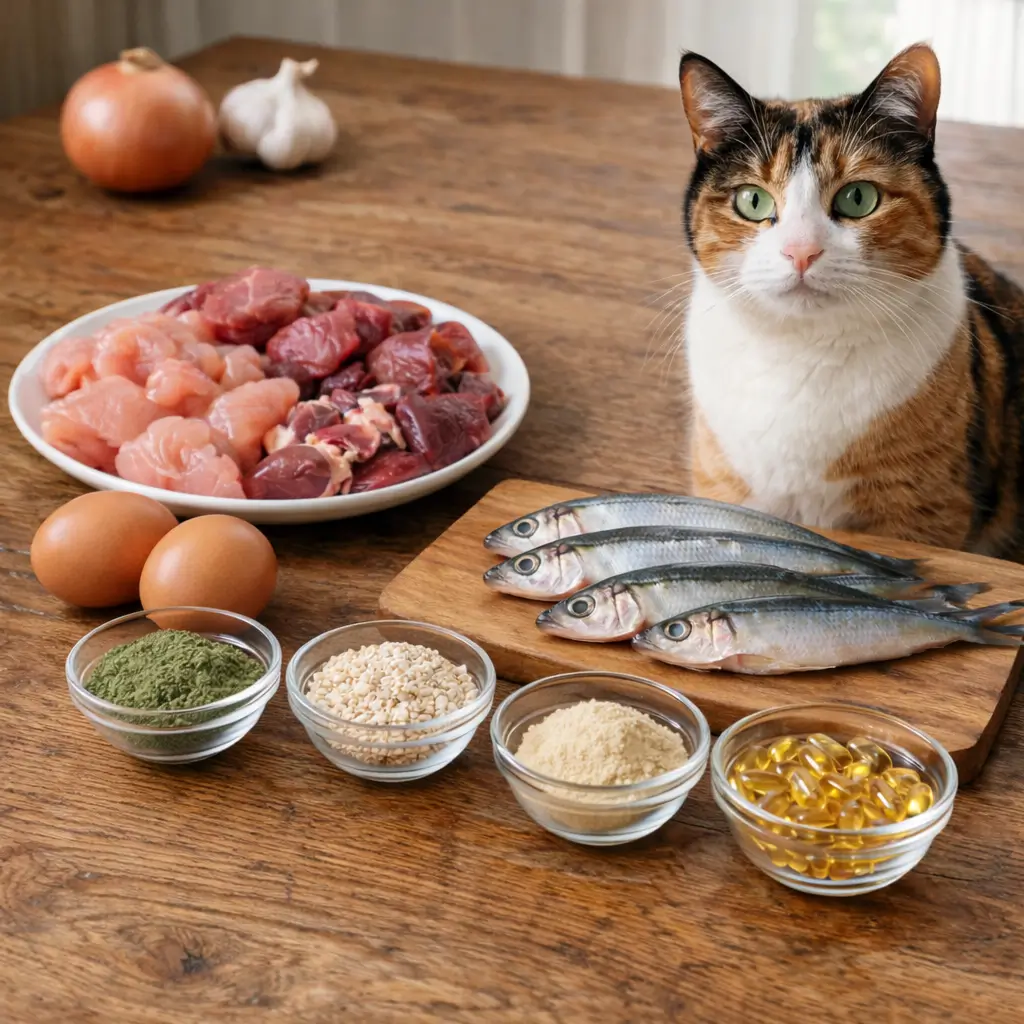
Toxic Foods to Avoid: Never add onions, garlic, chives, leeks, or any allium family members to cat food—they cause oxidative damage to red blood cells (Heinz body anemia) and can be fatal even in small amounts. Grapes and raisins can cause acute kidney failure in cats. Chocolate contains theobromine, which cats cannot metabolize effectively. Xylitol (an artificial sweetener found in many sugar-free products) causes dangerous insulin release and liver failure. Raw dough containing yeast can expand in the stomach and produce alcohol. Alcohol in any form is toxic to cats. Caffeine is dangerous for cats. When in doubt, keep human seasonings and additives away from your cat’s food entirely.
Raw vs. Cooked: These recipes use cooked meat exclusively. While some advocates promote raw diets, raw meat carries risks of bacterial contamination (Salmonella, E. coli, Listeria) that can sicken both cats and the humans handling the food. Cooking eliminates these pathogens. If you’re interested in raw feeding, consult with your veterinarian about the risks and proper food safety protocols.
Allergen Awareness: Chicken and fish are among the most common feline food allergens. Beef and dairy can also cause reactions in some cats. If your cat exhibits itching, excessive grooming, ear inflammation, vomiting, or diarrhea after eating a particular protein, discontinue that recipe and consult your veterinarian about an elimination diet trial.
Bones: Never feed cooked bones to cats—cooking makes bones brittle and prone to splintering, which can cause choking, intestinal punctures, or blockages. The recipes in this guide use bone meal powder as a calcium source, which is safe. The exception is the soft bones in canned sardines, which are safe due to the canning process.
Medical Conditions and Special Diets: These recipes are formulated for generally healthy adult cats. Cats with chronic kidney disease require restricted phosphorus and carefully controlled protein levels that differ from standard recipes. Cats with pancreatitis need carefully controlled fat intake. Cats with diabetes require consistent, very low carbohydrate levels and may need specific meal timing. Cats with urinary crystals or stones may need pH-adjusted diets. Cats with hyperthyroidism, liver disease, or heart conditions may have specific nutritional requirements. Kittens and pregnant or nursing cats have different nutritional needs than adult cats. Senior cats may require dietary modifications. If your cat has any diagnosed medical condition, do not proceed with homemade feeding without direct veterinary guidance and potentially customized recipes from a board-certified veterinary nutritionist.
Supplement Accuracy: Unlike commercial foods that are formulated and tested for nutritional completeness, homemade diets rely on accurate supplement addition. Always measure supplements carefully—both deficiency and excess can cause health problems. Vitamin A toxicity from excessive liver or supplements, for example, can cause bone deformities and other serious issues.
Transition Gradually: When switching from commercial food to homemade, transition slowly over 7-14 days. Begin with 25% homemade mixed with 75% current food, gradually increasing the homemade proportion. Sudden dietary changes cause gastrointestinal upset in most cats and may lead to food refusal.
Practical Tips for Success with DIY Cat Food
Batch cooking saves tremendous time and effort. Preparing a week’s worth of food at once and portioning it into daily serving containers is efficient. What doesn’t get used within three days goes into the freezer. When freezing, portion into meal-sized amounts (approximately 100-150g per serving for most adult cats, though needs vary based on weight, age, and activity level) so you can thaw only what’s needed.
Warming refrigerated food to room temperature or slightly above significantly increases palatability. Cats generally refuse cold food straight from the refrigerator—their instincts tell them prey should be body temperature. You can warm food by adding a small amount of warm water or microwaving briefly (stir well and test temperature to avoid hot spots).
Keep detailed notes when you begin. Track which recipes your cat prefers, any digestive responses, weight changes, and coat or energy changes you observe. This information proves invaluable over time and helps you customize your rotation.
Weigh your cat regularly—weekly at first, then monthly once stable. Weight loss or gain can indicate that portion sizes need adjustment or that something in the diet isn’t working.
Schedule regular veterinary checkups. I recommend a veterinary checkup after one month of homemade feeding, and request blood work including a complete blood count and chemistry panel. This establishes a baseline and helps confirm your cat is thriving on the new diet. Follow up with regular checkups as recommended by your veterinarian—typically annually for healthy adult cats, more frequently for seniors or cats with health conditions.
Conclusion
Preparing homemade cat food represents a meaningful commitment to your cat’s health and wellbeing. The five recipes I’ve shared—Classic Chicken Comfort, Beef and Heart Blend, Turkey and Pumpkin Digestive Support, Salmon and Sardine Ocean Feast, and Rabbit and Egg Complete Meal—provide variety and genuine palatability that most cats enjoy.
The key to success lies in understanding that balanced homemade cat food is about more than quality ingredients. It requires meticulous attention to supplementation, proper calcium-to-phosphorus ratios, and acknowledgment that cats have unique nutritional needs we must consciously address. Meat alone, no matter how premium, does not constitute a complete diet and will lead to serious nutritional deficiencies over time.
By following these recipes carefully—including using a complete vitamin and mineral supplement designed for homemade cat food—and working with your veterinarian to monitor your cat’s health, you can provide your feline companion with wholesome, home-prepared nutrition. You’re eliminating the mystery of commercial ingredient lists. You’re taking an active role in what enters your cat’s body.
Start with one recipe. Master it. Watch your cat’s response. Monitor their weight, coat quality, energy levels, and overall health. Then expand your rotation. Within a few weeks, this process becomes second nature, and the reward—a healthy, thriving cat—makes every moment of preparation worthwhile.
Final reminder: These recipes are meant to serve as a starting point based on established nutritional principles. For the safest approach to homemade feeding, consult with your veterinarian or a board-certified veterinary nutritionist who can tailor a diet to your individual cat’s needs and monitor their health over time.
Your cat depends on you for everything. By choosing to prepare their food with knowledge, care, and attention to nutritional science, you’re fulfilling that responsibility in one of the most fundamental ways possible.