
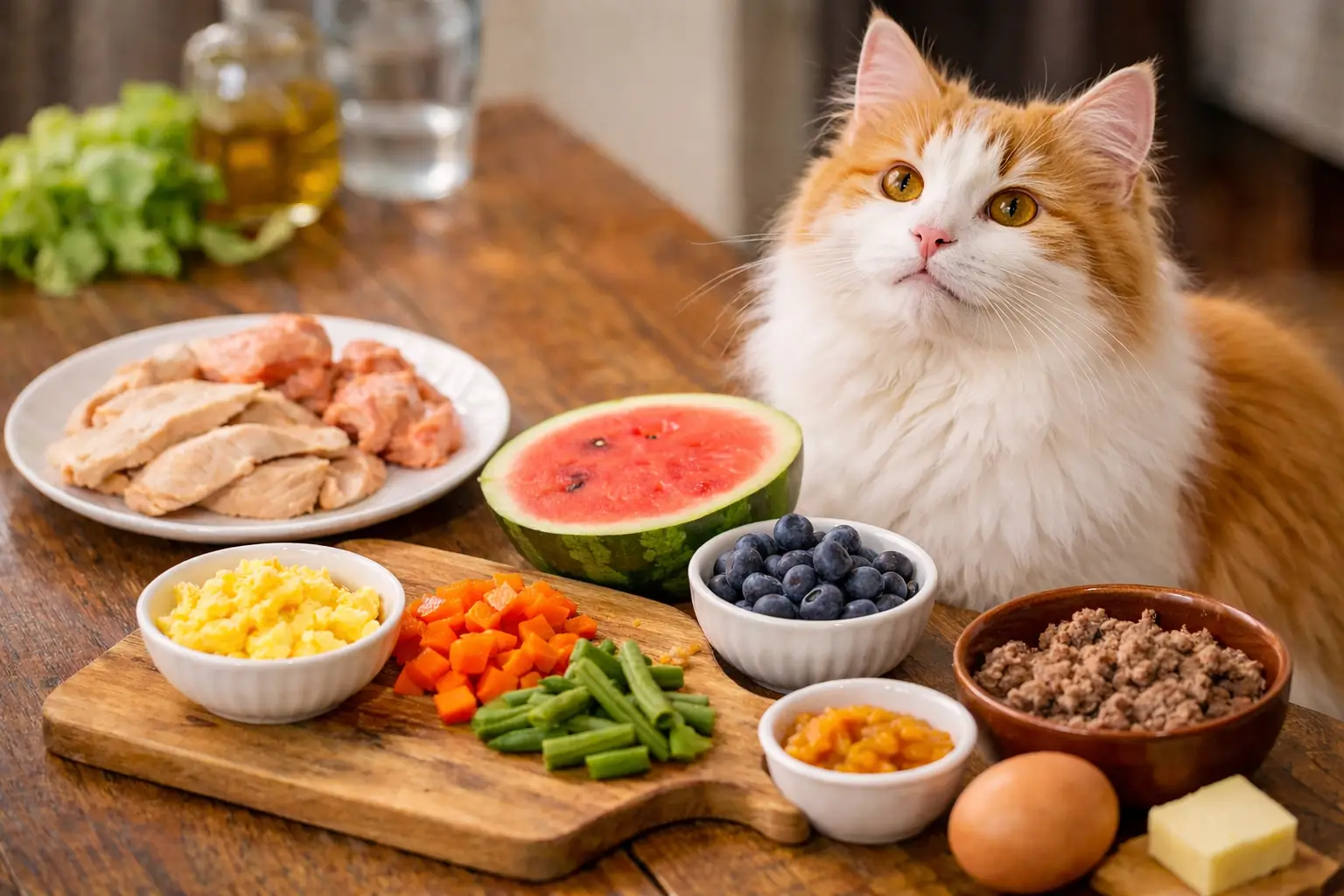
What Human Foods Can Cats Eat Safely? A Complete Guide

We’ve all been there. You’re sitting down to dinner, and within seconds, your cat materializes at your feet, eyes wide, meowing with an urgency that suggests they haven’t eaten in weeks (despite their full bowl of kibble sitting untouched in the kitchen). That pleading gaze is hard to resist, and you find yourself wondering: Can I share just a little?
Table of Contents
Understanding what human foods can cats eat is more than just satisfying your cat’s curiosity—it’s a matter of their health and safety. While cats are obligate carnivores with specific nutritional requirements, certain human foods can serve as healthy cat snacks or occasional treats. However, the wrong choice could land you in an emergency vet’s office.
In this comprehensive cat nutrition guide, I’ll walk you through exactly which human foods are safe for your feline companion, which require caution, and which you must avoid at all costs. Armed with this knowledge, you can confidently navigate those dinner-table negotiations while keeping your beloved pet healthy.
What Human Foods Can Cats Eat Safely?
Cats can safely eat certain human foods, primarily lean, cooked meats like chicken, turkey, and beef, as well as cooked fish (salmon, cod), cooked eggs, and select vegetables such as steamed carrots or pumpkin. These should only supplement a complete, balanced feline diet—not replace it. Always avoid toxic foods like onions, garlic, chocolate, and grapes. When in doubt, consult your veterinarian before introducing any new human food to your cat’s diet.
The Green List: Safe Human Foods for Cats
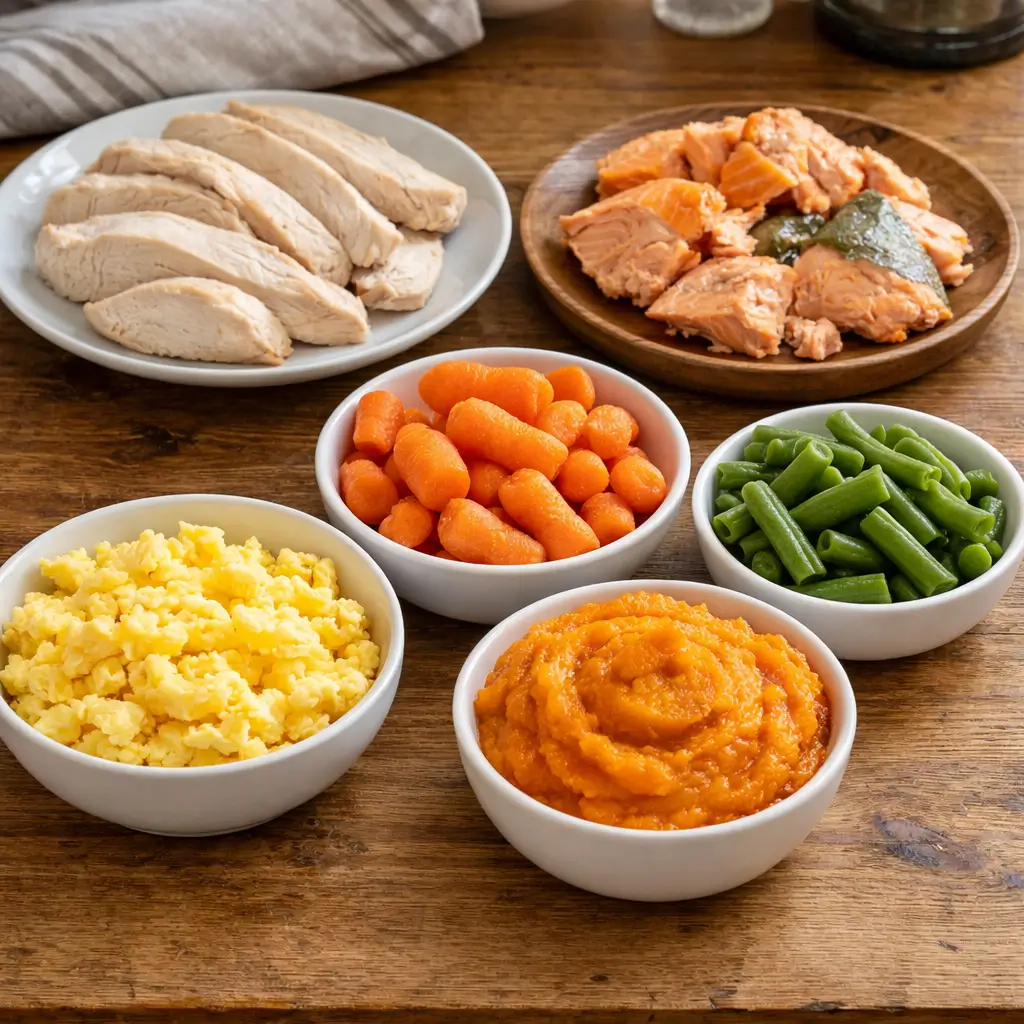
These foods have been verified against ASPCA Animal Poison Control guidelines and are considered safe when prepared correctly. Remember: “safe” doesn’t mean “nutritionally complete”—these are treats, not meal replacements.
Lean Cooked Meats
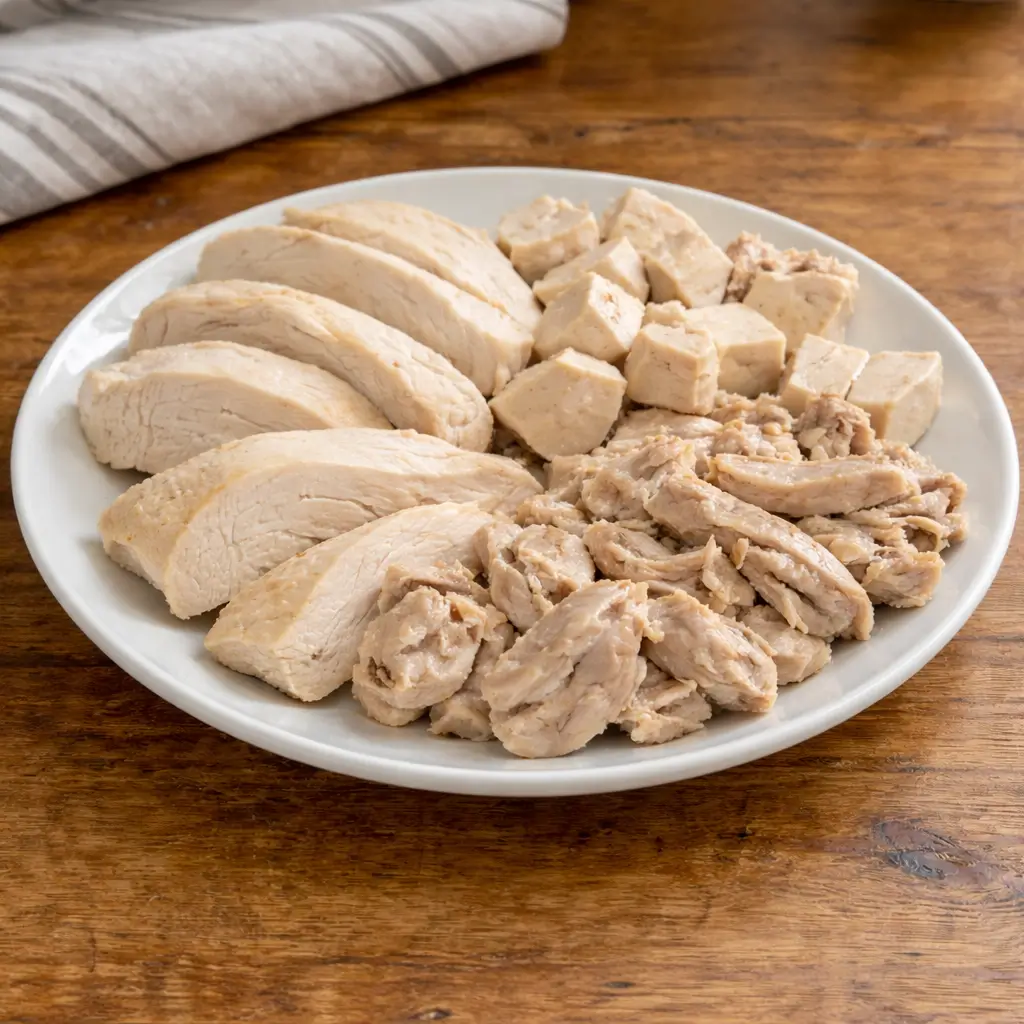
As obligate carnivores, cats thrive on animal protein. The following meats are excellent choices for human food treats for cats:
Chicken is perhaps the most universally accepted protein for cats. Serve it skinless, boneless, and thoroughly cooked (internal temperature of 165°F/74°C). Avoid any seasonings, especially garlic and onion powder.
Turkey offers similar benefits to chicken. Plain, cooked turkey breast without skin or bones makes a wonderful occasional treat. Skip the processed deli turkey, which contains excessive sodium and preservatives.
Beef provides iron and essential amino acids. Lean cuts, cooked thoroughly and cut into small pieces, are safe options. Avoid fatty cuts or ground beef with high fat content.
Lean pork is acceptable in small amounts when cooked plain. Never feed raw or undercooked pork due to parasite risks.
Critical Preparation Note: All meats must be fully cooked to eliminate harmful bacteria like Salmonella and E. coli. Raw meat diets are controversial and carry documented risks of bacterial infection for both cats and their human families. If you choose a raw diet, do so only under direct veterinary supervision.
Cooked Fish
Fish can be an excellent treat, but it comes with important caveats:
Salmon (cooked) provides omega-3 fatty acids beneficial for coat health. Never serve raw salmon, as it may contain parasites that cause “salmon poisoning disease.”
Cod and tilapia are mild, low-fat options that most cats enjoy.
Sardines (canned in water, no salt added) offer omega-3s and are soft enough for cats of all ages.
⚠️ Warning: Fish should remain an occasional treat, not a dietary staple. Exclusive fish diets can lead to thiamine deficiency and don’t provide complete nutrition. Additionally, larger fish like tuna may contain mercury; limit tuna to very small, infrequent portions.
Cooked Eggs
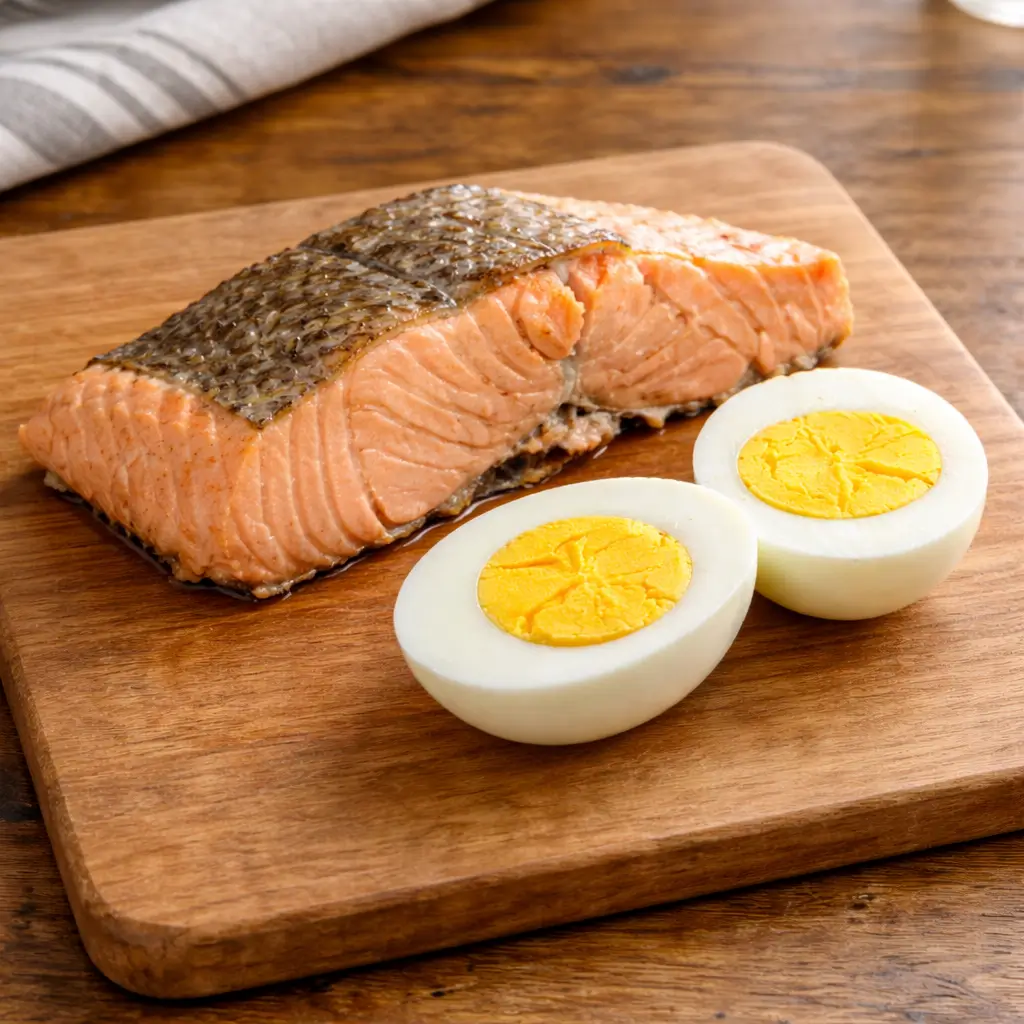
Eggs are nutritional powerhouses containing protein, amino acids, and vitamins. Serve them scrambled, hard-boiled, or poached—never raw.
Why not raw? Raw egg whites contain avidin, a protein that interferes with biotin absorption. Cooking neutralizes this concern while also eliminating Salmonella risk.
One scrambled egg per week is a reasonable amount for most healthy adult cats.
Safe Vegetables
While cats don’t require vegetables nutritionally, certain options provide fiber and can aid digestion:
Pumpkin (plain, cooked or canned without spices) is excellent for digestive regularity. A teaspoon mixed into food can help with both constipation and mild diarrhea.
Steamed carrots provide beta-carotene and fiber. Dice them finely or mash them, as cats cannot digest raw carrots well.
Steamed green beans offer fiber with minimal calories—useful for cats on weight management programs.
Cooked spinach is safe in small quantities for healthy cats but should be avoided if your cat has a history of urinary crystals or kidney issues due to its oxalate content.
The Yellow List: Foods to Feed in Moderation
These foods aren’t toxic but require careful portion control due to specific concerns. Think of them as “sometimes” foods.
Dairy Products
The image of a cat lapping milk is iconic but misleading. Most adult cats are lactose intolerant, lacking sufficient lactase enzyme to digest milk sugars.
Cheese can be offered in tiny amounts (a pinch of shredded cheddar, for instance). Hard, aged cheeses contain less lactose than soft varieties. However, cheese is high in fat and calories—use sparingly.
Plain yogurt (no sweeteners or artificial additives) contains probiotics and is lower in lactose than milk. A half-teaspoon occasionally may be tolerated by some cats.
Why moderation matters: Even in tolerant cats, dairy can cause gastrointestinal upset, vomiting, or diarrhea. The fat content also poses risks for cats prone to pancreatitis or obesity.
Safe Fruits for Cats
Cats lack sweet taste receptors, so fruit isn’t particularly appealing to most felines. However, some cats enjoy these options:
Blueberries are antioxidant-rich and safe in small quantities (two to three berries).
Watermelon (seedless, no rind) provides hydration and is safe occasionally.
Cantaloupe attracts some cats due to amino acids that mimic meat scents. Serve in small cubes.
Bananas are safe but high in sugar. A tiny piece is enough.
🚨 Critical Reminder: Cats are obligate carnivores and gain no essential nutrition from fruit. The natural sugars, while not toxic, can contribute to obesity and dental issues. Fruit should represent an extremely rare treat—not a regular offering.
Cooked Grains
While not necessary for feline nutrition, small amounts of cooked grains are generally tolerated:
Plain cooked rice can help settle an upset stomach.
Oatmeal (plain, cooked) provides fiber and B vitamins.
These should constitute no more than a tiny portion of any meal, as cats have limited ability to digest carbohydrates efficiently.
The Red List: Toxic Human Foods (DANGER)
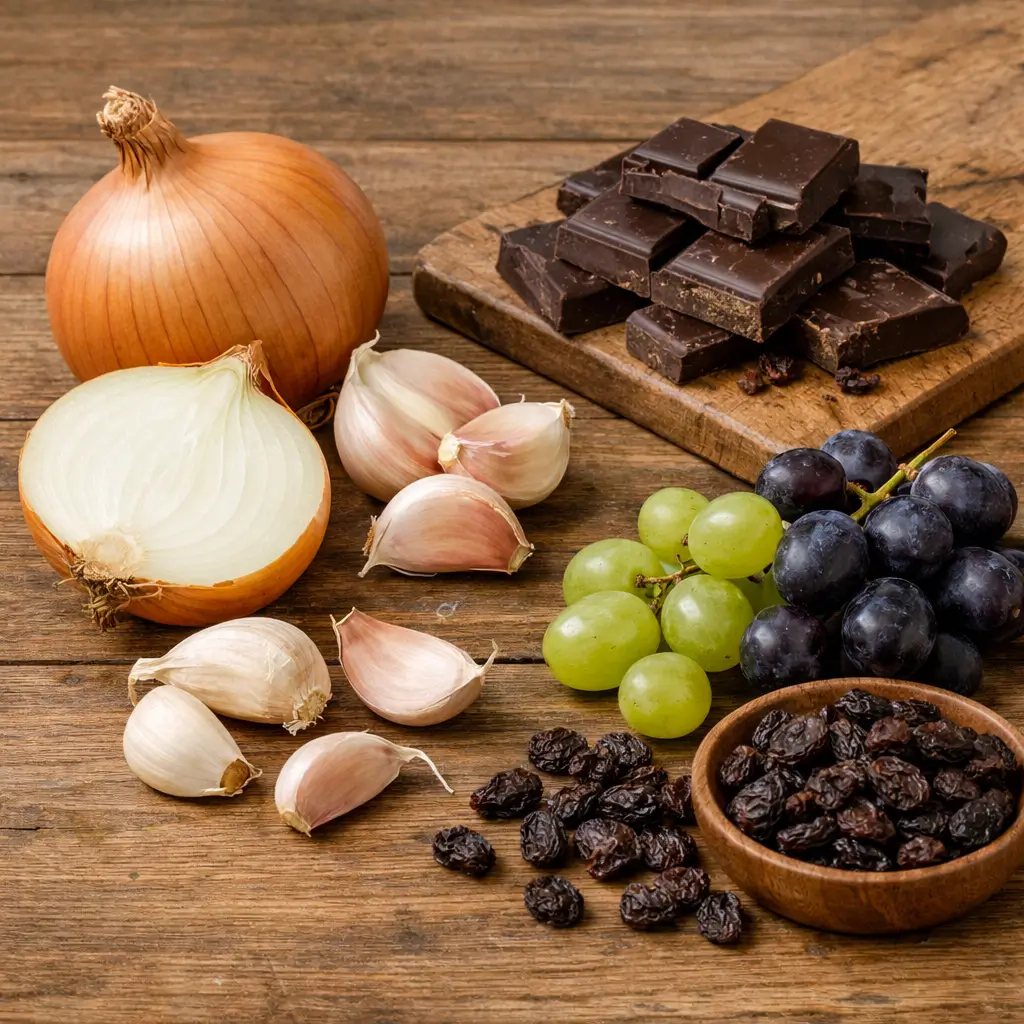
This section could save your cat’s life. The following foods range from harmful to potentially fatal. Memorize this list and ensure everyone in your household knows it.
Onions and Garlic (All Forms)
Toxicity level: HIGH
All members of the Allium family—onions, garlic, leeks, chives, shallots—are toxic to cats. They contain compounds that damage red blood cells, leading to Heinz body anemia.
Danger exists in all forms: raw, cooked, powdered, or dehydrated. Even small amounts consumed regularly can cause cumulative damage. Garlic is approximately five times more toxic than onions by weight.
Symptoms of poisoning: Weakness, lethargy, pale gums, elevated heart rate, collapse. Symptoms may not appear for several days after ingestion.
Chocolate
Toxicity level: HIGH
Chocolate contains theobromine and caffeine, both toxic to cats. Dark chocolate and baking chocolate pose the greatest risk, though all chocolate is dangerous.
Symptoms: Vomiting, diarrhea, rapid breathing, increased heart rate, seizures, and potentially death.
Grapes and Raisins
Toxicity level: HIGH (even in small amounts)
The exact toxic compound remains unidentified, but grapes and raisins can cause acute kidney failure in cats. Some cats show no reaction; others become critically ill from a single grape. There is no safe amount.
Symptoms: Vomiting, lethargy, decreased urination, abdominal pain.
Xylitol (Artificial Sweetener)
Toxicity level: EXTREME
Found in sugar-free gum, candy, baked goods, and some peanut butters, xylitol causes rapid insulin release, leading to dangerous hypoglycemia. It may also cause liver failure.
This requires immediate emergency veterinary care.
Additional Toxic Foods to Avoid
Alcohol causes severe liver and brain damage; even small amounts are dangerous.
Caffeine (coffee, tea, energy drinks) affects the heart and nervous system.
Raw yeast dough expands in the stomach and produces alcohol.
Macadamia nuts cause weakness, vomiting, and hyperthermia.
Avocado contains persin, which can cause gastrointestinal upset.
If Your Cat Ingests a Toxic Food
Contact the ASPCA Animal Poison Control Center (888-426-4435) or your emergency veterinarian immediately. Do not wait for symptoms to appear. Have the packaging or know the amount ingested if possible.
Medical Considerations: When “Safe” Foods Aren’t Safe
Even foods on the green list may be inappropriate for cats with certain health conditions. Always consult your veterinarian before introducing new foods if your cat has any diagnosed conditions.
Chronic Kidney Disease (CKD)
Cats with kidney disease require controlled protein and phosphorus intake. High-protein human foods like meats and fish, while normally safe, may accelerate kidney decline in CKD patients. Your vet will prescribe specific dietary guidelines.
Pancreatitis
Fatty foods are strictly prohibited for cats with pancreatitis or a history of the condition. This includes fatty meat cuts, cheese, and even the skin from cooked poultry. Even a small amount of fat can trigger a painful and dangerous flare-up.
Food Allergies
Ironically, protein sources like chicken, beef, and fish are among the most common feline allergens. If your cat has been diagnosed with food allergies or you notice symptoms like itching, hair loss, or gastrointestinal issues after eating certain foods, work with your vet to identify triggers.
Diabetes
Cats with diabetes need carefully controlled diets. Human foods—especially fruits, grains, or dairy—can affect blood sugar levels and interfere with insulin management.
Turning Safe Human Foods into Balanced Meals: Vet-Approved Homemade Recipes
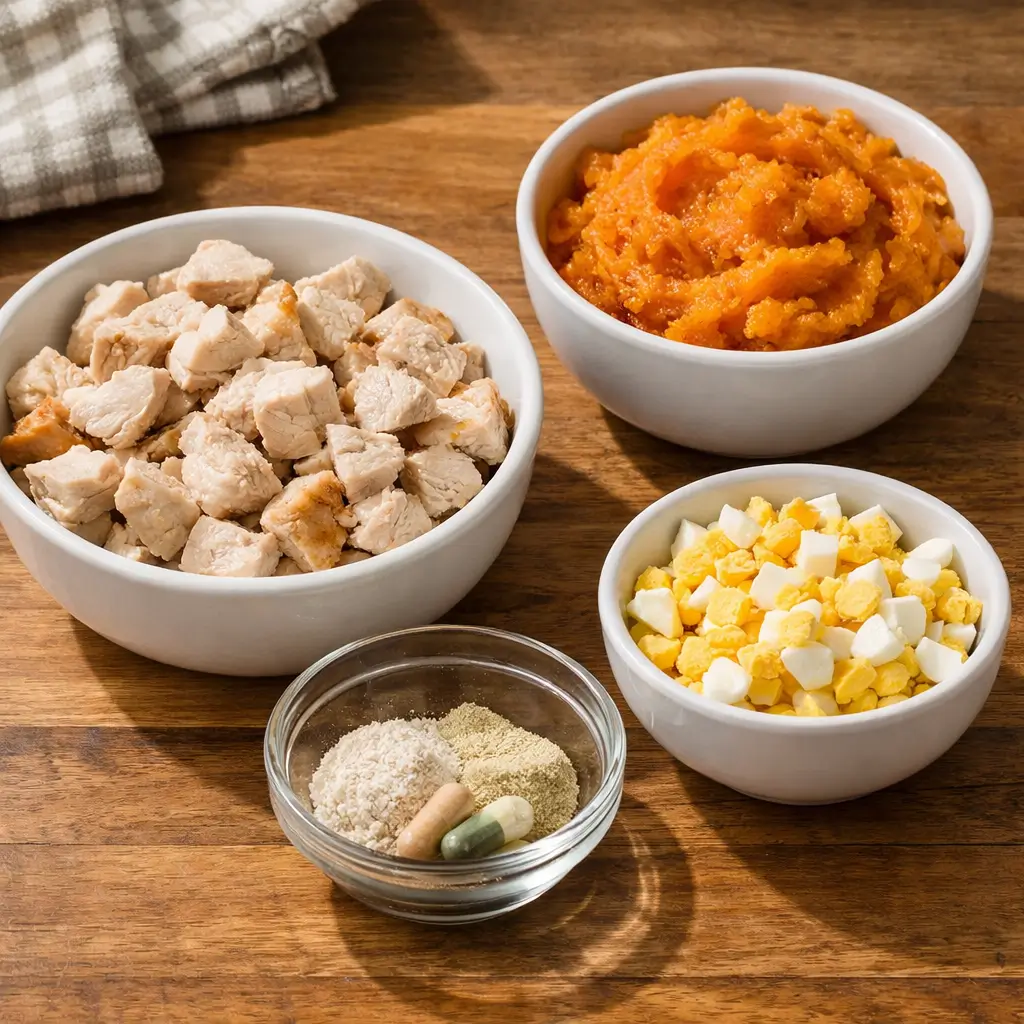
Many pet owners are interested in preparing homemade cat food using safe human ingredients. While this can be rewarding, I must emphasize a crucial point:
⚠️ Human food alone is NEVER nutritionally complete for cats.
Cats require specific nutrients—particularly taurine, arachidonic acid, and preformed vitamin A—that they cannot synthesize themselves. A diet lacking these elements will cause serious health problems, including blindness and heart failure.
The following recipes incorporate necessary supplements to create balanced meals. However, I strongly recommend working with a veterinary nutritionist if you plan to feed homemade food regularly.
Recipe 1: Chicken & Pumpkin Delight
This recipe provides a balance of protein, fat, and fiber suitable for healthy adult cats.
Ingredients:
- 200g boneless, skinless chicken thighs (dark meat provides more taurine than breast)
- 2 tablespoons plain canned pumpkin (not pie filling)
- 1 teaspoon olive oil or fish oil
- 1 hard-boiled egg, finely chopped
- Taurine supplement: 250mg
- Calcium supplement: as directed for feline use
- Feline vitamin/mineral premix: containing B vitamins, vitamin E, and other essential nutrients (follow package dosing)
Instructions:
First, cook the chicken thoroughly by boiling or baking until the internal temperature reaches 165°F (74°C). No seasonings, oils, or additives should be used during cooking. Allow the chicken to cool completely, then chop or shred it into small, bite-sized pieces appropriate for your cat.
Next, prepare the hard-boiled egg by boiling it for 10 to 12 minutes, then cooling and finely chopping it. In a mixing bowl, combine the shredded chicken, chopped egg, and pumpkin. Drizzle the olive oil or fish oil over the mixture and stir to combine.
Add the taurine supplement, calcium supplement, and vitamin/mineral premix according to package directions. Mix thoroughly to ensure even distribution of supplements. Serve at room temperature.
Storage: Refrigerate unused portions in an airtight container for up to three days. Do not freeze, as texture changes may occur.
Yield: Approximately three to four servings for an average adult cat.
Recipe 2: Beef & Egg Feast
A hearty recipe featuring red meat for iron and essential amino acids.
Ingredients:
- 200g lean ground beef (90% lean or higher)
- 1 large egg
- 2 tablespoons steamed, mashed carrots
- 1 teaspoon fish oil (for omega-3 fatty acids)
- Taurine supplement: 250mg
- Calcium carbonate or bone meal supplement: as directed for feline use
- Complete feline vitamin/mineral supplement: containing B12, vitamin A, vitamin D, and trace minerals
Instructions:
Begin by cooking the ground beef in a non-stick pan over medium heat, breaking it into small crumbles. Cook until no pink remains and the internal temperature reaches 160°F (71°C). Drain any excess fat to reduce the risk of digestive upset. While the beef cooks, steam the carrots until very soft, then mash them thoroughly. Cats cannot digest large pieces of raw vegetables, so ensure a smooth consistency.
Scramble or hard-boil the egg, ensuring it’s fully cooked throughout. Chop the cooked egg finely. In a mixing bowl, combine the cooked beef, mashed carrots, and chopped egg. Add the fish oil and mix well.
Incorporate the taurine supplement, calcium supplement, and vitamin/mineral premix according to package instructions. Stir thoroughly to distribute all supplements evenly throughout the mixture. Allow the mixture to cool to room temperature before serving.
Storage: Store in the refrigerator for up to three days in a sealed container.
Yield: Approximately three to four servings.
Supplementation: Why It’s Non-Negotiable
I want to reiterate why supplements are essential in these recipes. Taurine is an amino acid that cats cannot produce in sufficient quantities. Without adequate taurine, cats develop dilated cardiomyopathy (a fatal heart condition) and retinal degeneration leading to blindness. Commercial cat foods are fortified with taurine; homemade recipes must be supplemented.
Calcium is essential for bone health and must be balanced with phosphorus. Meat alone is high in phosphorus but low in calcium, creating a dangerous imbalance over time.
B vitamins, vitamin A, and vitamin E are among the other nutrients that must be supplemented to prevent deficiencies. Commercial feline vitamin premixes are formulated to meet AAFCO or FEDIAF standards when used as directed.
Conclusion: Sharing Safely with Your Feline Friend
The question of what human food can cats eat safely has a nuanced answer. While many human foods—lean cooked meats, certain fish, eggs, and select vegetables—can serve as healthy cat snacks, they must be prepared correctly and offered in moderation. The toxic foods for cats listed in this guide must be strictly avoided, as even small amounts can cause serious harm or death.
Remember these key principles as you navigate sharing human food with your cat. First, treats should comprise no more than ten percent of your cat’s daily caloric intake. Second, always cook meat and eggs thoroughly to eliminate bacteria. Third, never season food with onion, garlic, or salt. Fourth, introduce new foods gradually and watch for adverse reactions. Fifth, human food alone cannot meet a cat’s nutritional needs without proper supplementation.
Most importantly, when in doubt, consult your veterinarian. Every cat is an individual with unique health considerations, and your vet can provide personalized guidance based on your cat’s age, weight, and medical history.
By understanding which human foods are safe, which require caution, and which are dangerous, you can occasionally share a bite with your furry companion without compromising their health. After all, those pleading eyes deserve a safe reward once in a while.
This article is intended for educational purposes and does not replace professional veterinary advice. Always consult with your veterinarian before making significant changes to your cat’s diet, especially if your pet has existing health conditions.